China bans hidden door handles in electric vehicles in major blow to Elon Musk’s Tesla
Regulation follows series of accidents where rescue workers struggled to open vehicles
China has moved to ban concealed door handles on electric vehicles sold in the country as part of a broader safety push that could influence global automotive design.
The policy is the world’s first to explicitly ban a specific design feature on safety grounds and comes amid growing global scrutiny of EV safety.
The new rules finalised by the Ministry of Industry and Information Technology require passenger cars to have mechanical release handles on both the inside and outside of every door, eliminating hidden or electronically-actuated designs that have become common on modern electric cars.
In a statement released on Monday, the ministry cited “the inconvenience with operating the exterior door handles and their inability to open after an accident,” and laid out specific requirements for how these handles should function.
The rules will take effect on 1 January 2027, with vehicles already approved for sale given until 1 January 2029 to comply.
The shift marks a significant departure from current vehicle styling trends, which use sleek, flush-fitting handles, popularised by the American EV maker Tesla, to improve aerodynamics and range.
About 60 per cent of the 100 best-selling new energy vehicles in China currently feature hidden handles, according to state media.
The new standard came after a series of high-profile accidents where rescuers struggled to open vehicles with electronically operated handles following collisions or power failures.
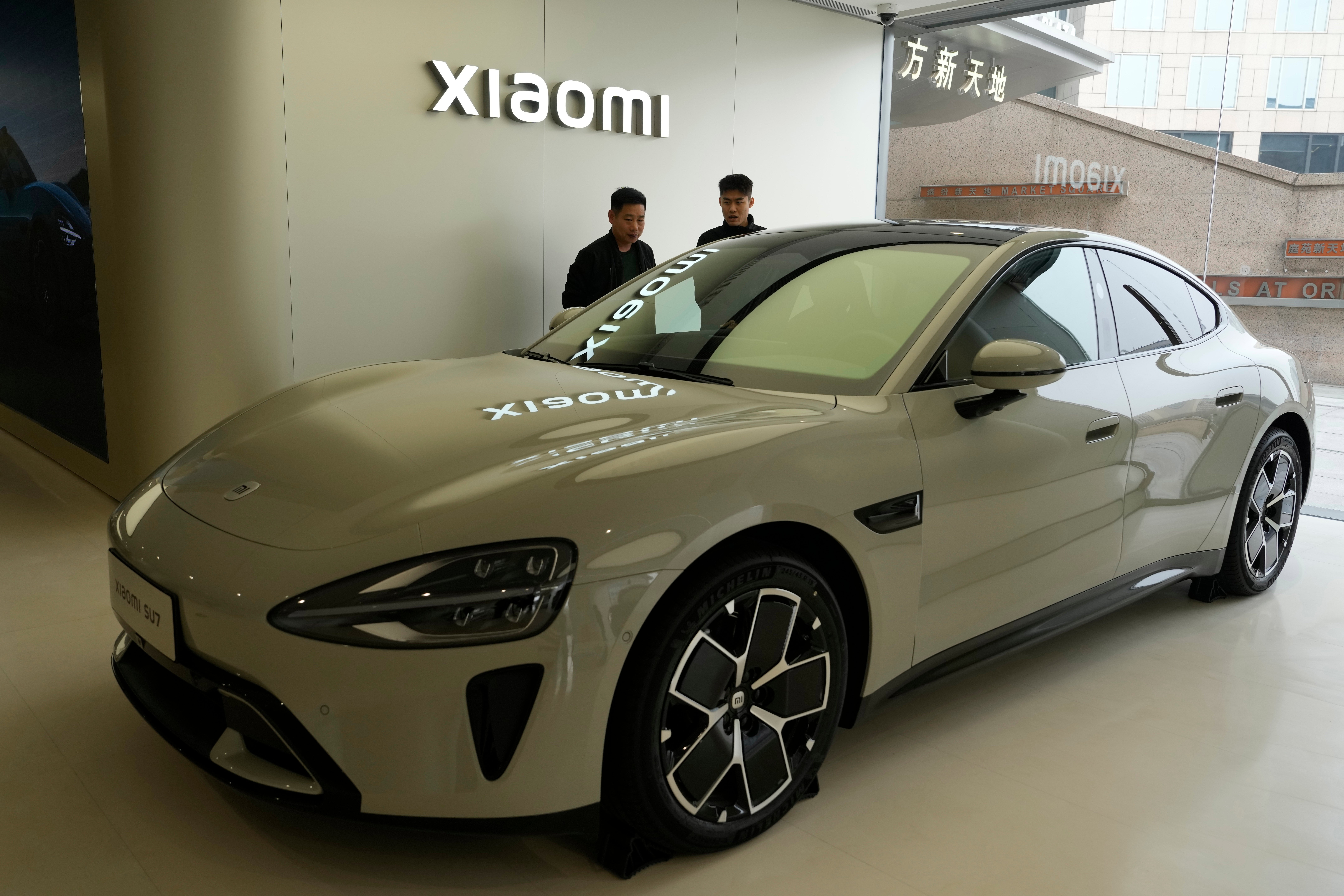
In one case last year, rescuers were unable to open the doors of a Xiaomi SU7 electric sedan after a crash, leaving the driver trapped as the vehicle burned.

ADVERTISEMENT
ADVERTISEMENT
Regulators say the aim is to improve emergency access and reduce “escape and rescue risks” posed by door mechanisms that can fail when electrical power is cut or after impact.
The rules also specify minimum dimensions for exterior door handle grip space and internal signage to show occupants how to open doors manually.
The move is likely to have the most immediate impact on Tesla, whose vehicles helped normalise concealed, electronically actuated door handles in the global electric-car market.
Tesla’s Model S, Model 3 and Model Y all use flush door handles that rely on electrical power, with a mechanical release intended primarily as a backup. The design has drawn scrutiny in several countries after crashes in which doors were difficult to open following fires or power loss.
Earlier in September, Tesla said it was going to redesign the way to open its car doors in an emergency, after several accidents where passengers were stuck in the vehicles and reportedly severely injured or even killed.
An investigation by Bloomberg found 140 incidents of people being trapped in their Teslas due to problems with the door handles, including several that resulted in serious injuries.
In the United States, Tesla has faced repeated safety complaints linked to door accessibility after collisions, and federal regulators have previously examined whether emergency responders and passengers could reliably open doors when vehicles lose power. European safety agencies have also raised questions about how intuitive manual releases are in high-stress situations.
The regulation could also influence Tesla’s designs elsewhere. China is one of the company’s largest markets and a major export hub, and changes made to meet Chinese safety standards often carry over into global production to avoid maintaining multiple vehicle architectures.
Some Chinese carmakers have already begun reverting to more traditional handle designs, while foreign brands have yet to outline detailed responses.
Join our commenting forum
Join thought-provoking conversations, follow other Independent readers and see their replies
Comments
Bookmark popover
Removed from bookmarks