China’s Hong Kong white paper targets ‘hostile’ foreign intervention after Jimmy Lai ruling
Hong Kong’s leader John Lee welcomed the white paper, saying it is ‘of great significance and has come at exactly the right time’
A Chinese policy white paper on Hong Kong called for stronger national security to counter foreign interference, a day after a Hong Kong court sentenced former media mogul Jimmy Lai to 20 years in jail.
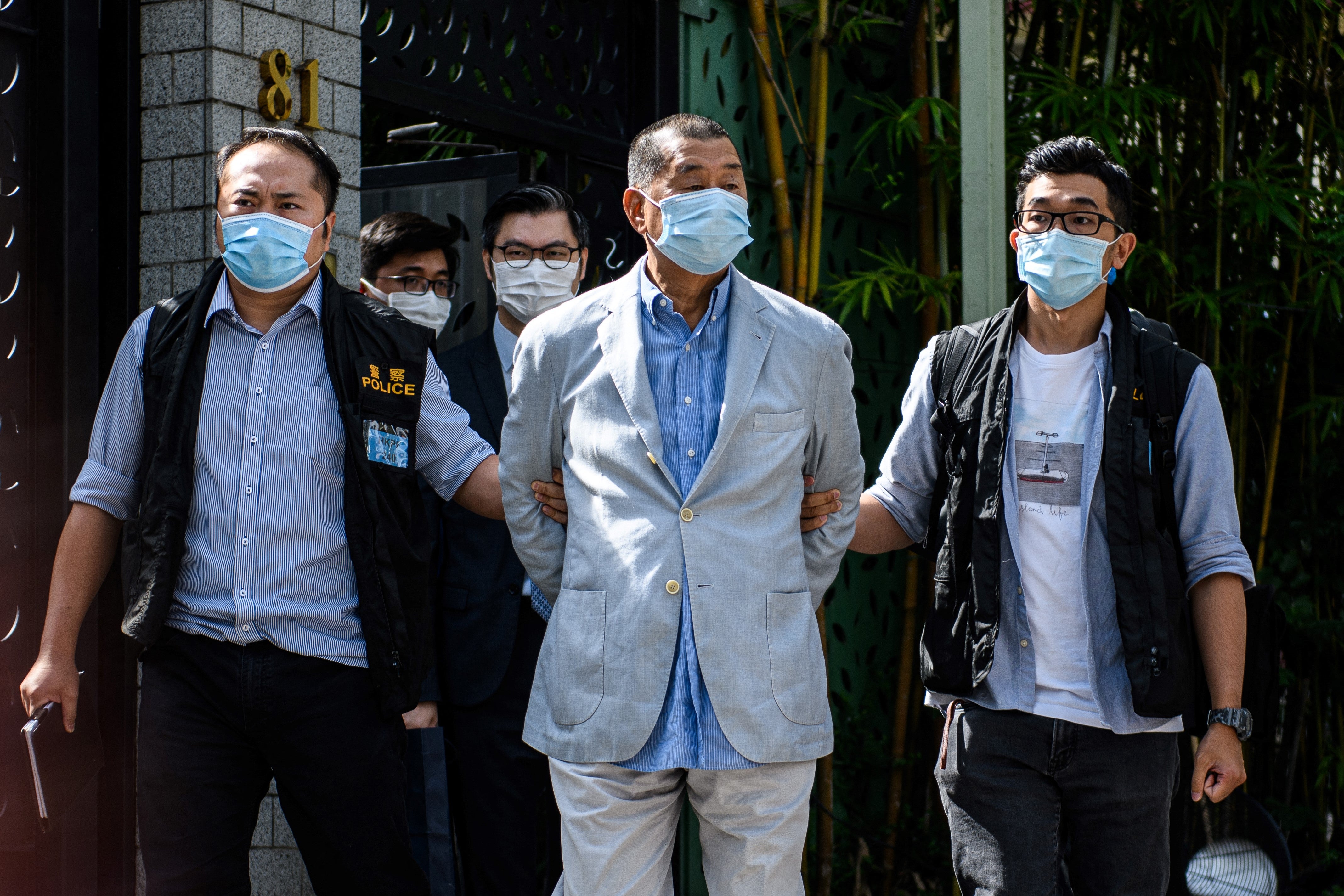
The jail term for the 78-year-old British citizen and former founder of the now-shuttered Apple Daily newspaper, was the heaviest so far under the China-imposed national security law. It concluded the landmark case that was closely watched by western powers.
The white paper, titled "Hong Kong: Safeguarding China's National Security Under the Framework of One Country, Two Systems”, was issued by China’s State Council, or cabinet, to outline a vision to strengthen security and economic development in the former British colony.
“Hong Kong, enjoying high-standard security, is bound to overcome all risks and challenges on the journey forward, and remain as steady as a rock in a turbulent world,” the paper stated.
“Intervention and sabotage by hostile external forces must be guarded against, and the systems and mechanisms for countering foreign sanctions, intervention, and long-arm jurisdiction should be further improved.”
It called for “a holistic approach to national security as its guiding principle” and claimed Hong Kong lacked a sound legal system and enforcement mechanisms in the past, which allowed “political strife and societal chaos to persist”.
It urged the authorities to improve risk monitoring and early warning systems to effectively defuse major risks. “Greater attention should be given to security in unconventional areas such as finance, shipping, trade, and the protection of overseas interests,” it added.
Hong Kong’s leader, John Lee, welcomed the white paper, saying it is “of great significance and has come at exactly the right time”.
He said Lai’s sentence sent a “solemn warning against malicious plots of collusion with external elements and endangering national security”.
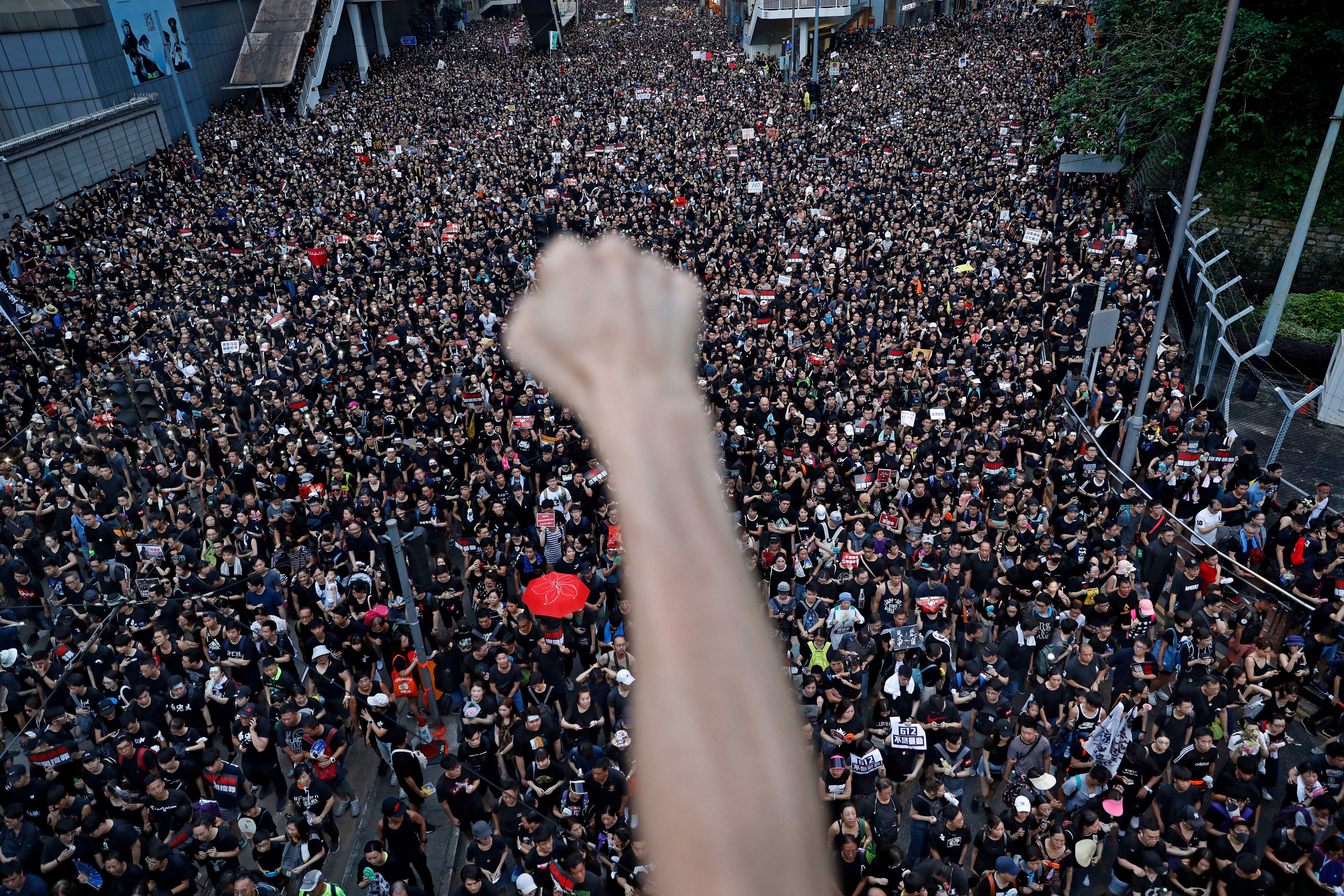
Critics say the sweeping national security law has been used to clamp down on dissent and dismantle the city’s pro-democracy opposition following mass protests in 2019.
The publication of the so-called white paper came as western government and the US allies strongly criticised Lai’s sentence.
The verdict has essentially been called a “death sentence” and a “life term” for Lai, who is battling a number of health-related issues in solitary confinement in a high security prison for the last five years.
The Keir Starmer government in the UK, which has come under fire for failing to secure the British national’s freedom, said it is pushing for Lai’s release from jail on humanitarian grounds.
Downing Street rejected suggestions that the sentence showed Mr Starmer’s visit to China last month had failed to work, arguing it meant there was a "stronger chance of securing a positive outcome" for him as opposed to "just talking into a void".
Asked whether Sir Keir had been misled by the Chinese president during their talks, the prime minister's official spokesman said the UK "condemn(s) this politically motivated prosecution" and "we'll continue to raise this case at the highest levels of the Chinese government, as indeed the prime minister minister did directly".
In the US, secretary of state Marco Rubio described the sentence as an “unjust and tragic conclusion” to the case and urged Hong Kong authorities to grant Lai humanitarian parole. Former president Donald Trump has previously appealed to Chinese leader Xi Jinping for Lai’s release and is expected to visit Beijing in April.
Such white papers on Hong Kong are released periodically by China, outlining Beijing's latest policy stance towards the China-ruled city that returned from British to Chinese rule in 1997.
The previous white paper in 2021 outlined Hong Kong's democratic development after a revamp of the electoral system to ensure only "patriots" could run for public office – a move criticised by some countries as an erosion of democratic freedoms by marginalising opposition democrats.
Join our commenting forum
Join thought-provoking conversations, follow other Independent readers and see their replies
Comments
Bookmark popover
Removed from bookmarks