Hong Kong election overshadowed by anger at fire, crackdown on dissent and threats to international media
A major university has suspended its student union after its forum was used to post messages demanding accountability from the city’s administration
Hong Kong appeared set for another low turnout in Sunday’s legislative council election, as voters grappled with anger and grief in the wake of the city’s deadliest fire in nearly eight decades.
Residents of Hong Kong cast their ballots in the second legislative election since a 2021 overhaul of the system eliminated the pro-democracy opposition and allowed only candidates vetted as being loyal to China.
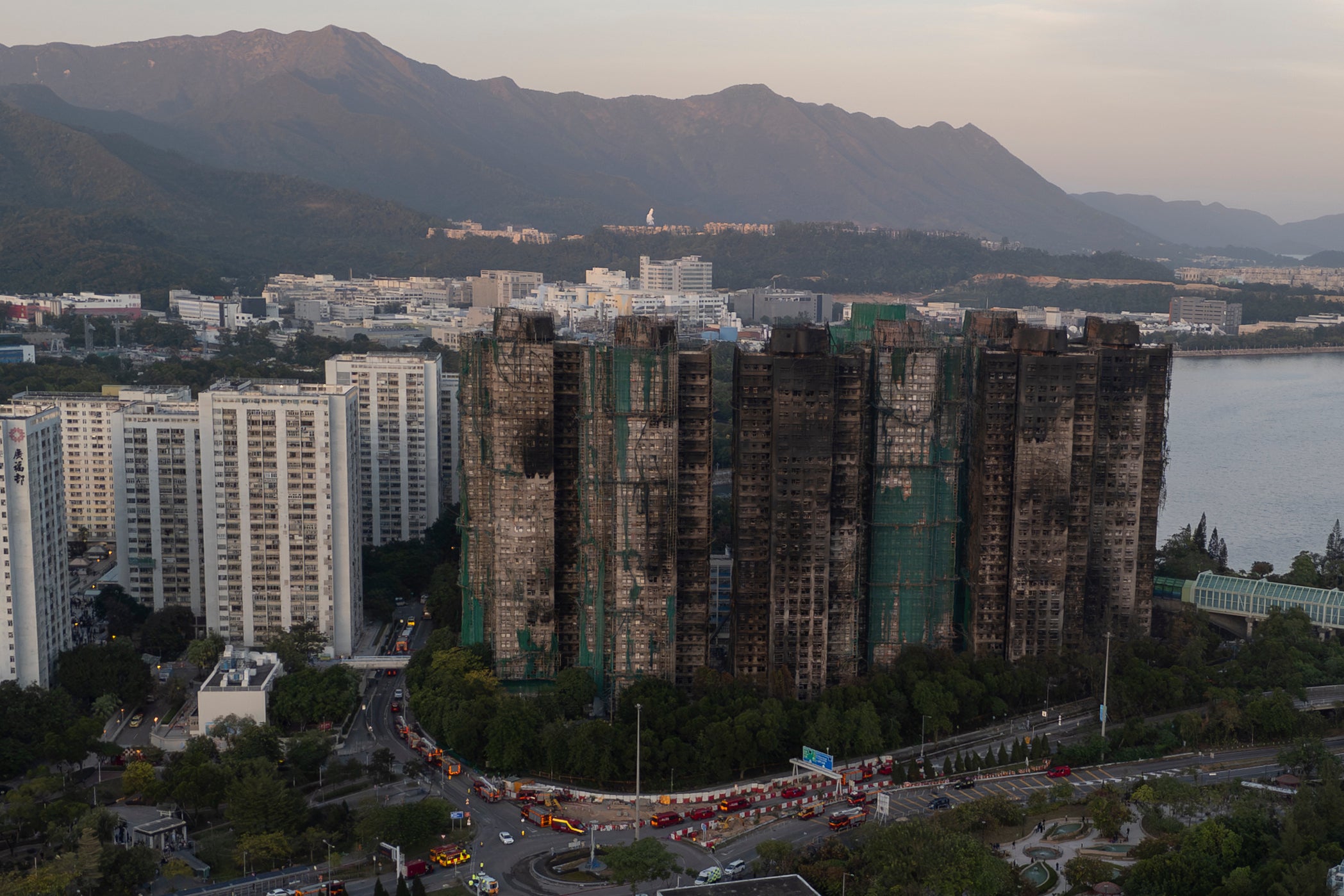
The election comes at a time of rising public anger and demands for accountability after the blaze that tore through Wang Fuk Court complex in Tai Po, claiming the lives of at least 159 people.
Much of the focus was on turnout, which has traditionally been robust in LegCo elections but fell to just 30 per cent in 2021 following the dismantling of the pro-democracy movement.
The city government said that the final turnout stood at 31.9 per cent of eligible voters, only tracking slightly above 2021’s numbers (30.2 per cent). Polls were due to close at 11.30pm.
The government has made huge efforts to boost turnout, with the election being viewed as a referendum on the new “patriots-only” system.
The city’s chief executive John Lee called on citizens to vote as an expression of their outrage at the Tai Po tragedy, saying it would send a signal to the government to push ahead with safety reforms. He said he would put forth a proposal to the new legislature on how to support the fire survivors, many of whom have been left homeless.
David Lok, the chair of the Electoral Affairs Commission, said in the wake of the Tai Po fire “it is even more important that electors should cast their votes” and “fulfil their civic responsibility in a serious manner”.
He added: “I appeal to all electors across Hong Kong to make use of their sacred votes to elect the new Legislative Council and build a better Hong Kong that we call home together.”
A resident of Tai Poi in his late 70s named Cheng told Reuters he would not vote. “I am very upset by the great fire,” he said. “This is a result of a flawed government ... There is not a healthy system now and I won't vote to support those pro-establishment politicians who failed us.”
Election campaigning was suspended after the fire and remained subdued in the final days out of respect for the victims. But banners and posters promoting the election and cartoon ballot boxes affixed with the 7 December date remained plastered across the city.
Officials held candidate forums, extended voting by two hours, added extra polling stations and offered subsidies to older people and centres for people with disabilities to help their clients vote.
The day before the election, the authorities called representatives of the international media with presences in Hong Kong to a rare meeting to warn them that they need to comply with the city's national security laws.
Reporters were told they would face consequences if they were deemed to have violated the law. "Do not say you have not been warned," an official was quoted as saying at the meeting, with a similar statement appearing online.
Beijing's national security office in Hong Kong said it would crack down on any "anti-China" protests in the wake of the fire and warned against using the disaster to "disrupt Hong Kong".
“‘Press freedom’ and ‘obeying the law’ are not mutually contradictory,” the statement from Chinese officials warned. “No media organisation may use the banner of ‘press freedom’ to interfere in China’s internal affairs or interfere in Hong Kong’s affairs.”
The authorities said one man had been arrested for posting content that encouraged others not to vote or cast invalid votes in the wake of the fire.
Police said he had been accused of posting “information with seditious intention” on social media. “That mainly included (materials intending to) incite hatred among (others) toward the Hong Kong government and the central government,” Steve Li, chief superintendent of the police National Security Department, told reporters.
Last weekend, the organiser of a petition calling for government accountability over the fire was arrested by national security police on suspicion of sedition.
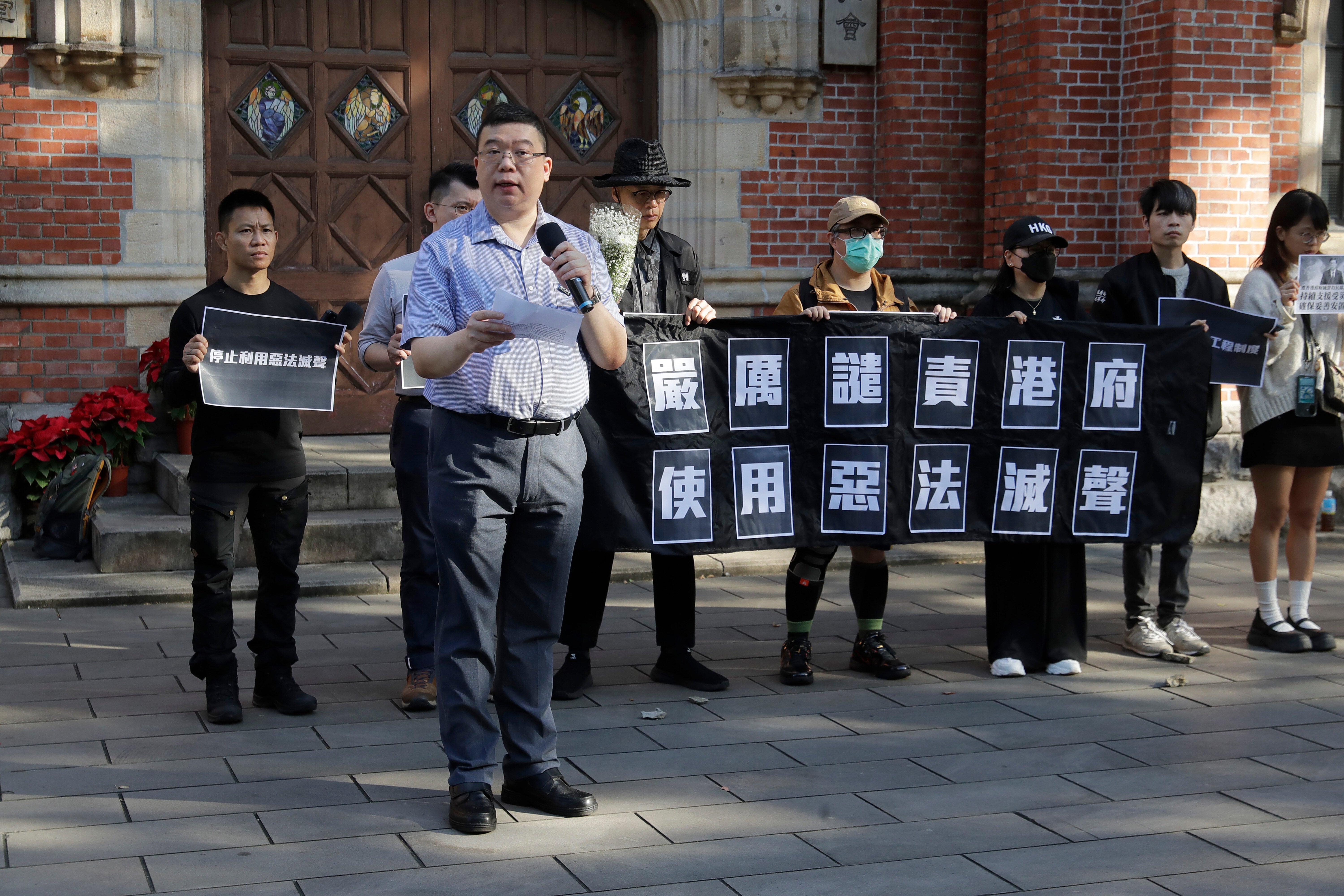
And Hong Kong Baptist University suspended the operations of its student union after messages were posted on campus expressing condolences and urging justice for the victims.
The Tai Po apartment complex where the fire broke out had been undergoing renovations at the time, and the government has said it will set up a judge-led committee to investigate what started the fire and how it spread to seven of the development’s eight tower blocks.
At least 21 people have been arrested by authorities as officials investigate suspected corruption and negligence over a major renovation project that had been taking place at the housing complex before the fire broke out.
Substandard green netting covering the bamboo scaffolding that enveloped the buildings, as well as foam boards installed on windows, have been identified as among the main causes for the fire's rapid spread. Some fire alarms were also found not to be working.
The disaster has raised questions over government oversight and suspected bid-rigging in building maintenance projects, sparking a wave of public mobilisation unmatched since the 2019 anti-government protests that were eventually crushed in a sweeping crackdown directed by Beijing.
Join our commenting forum
Join thought-provoking conversations, follow other Independent readers and see their replies
Comments
Bookmark popover
Removed from bookmarks