Chinese landscape architect known for ‘sponge cities’ among 4 killed in Brazil plane crash
Yu Konjian was shooting for a documentary in Brazil with two filmmakers
China’s Yu Konjian, one of the world’s most distinguished landscape architects, died in a plane crash in the vast wetlands of Brazil, authorities said on Wednesday.
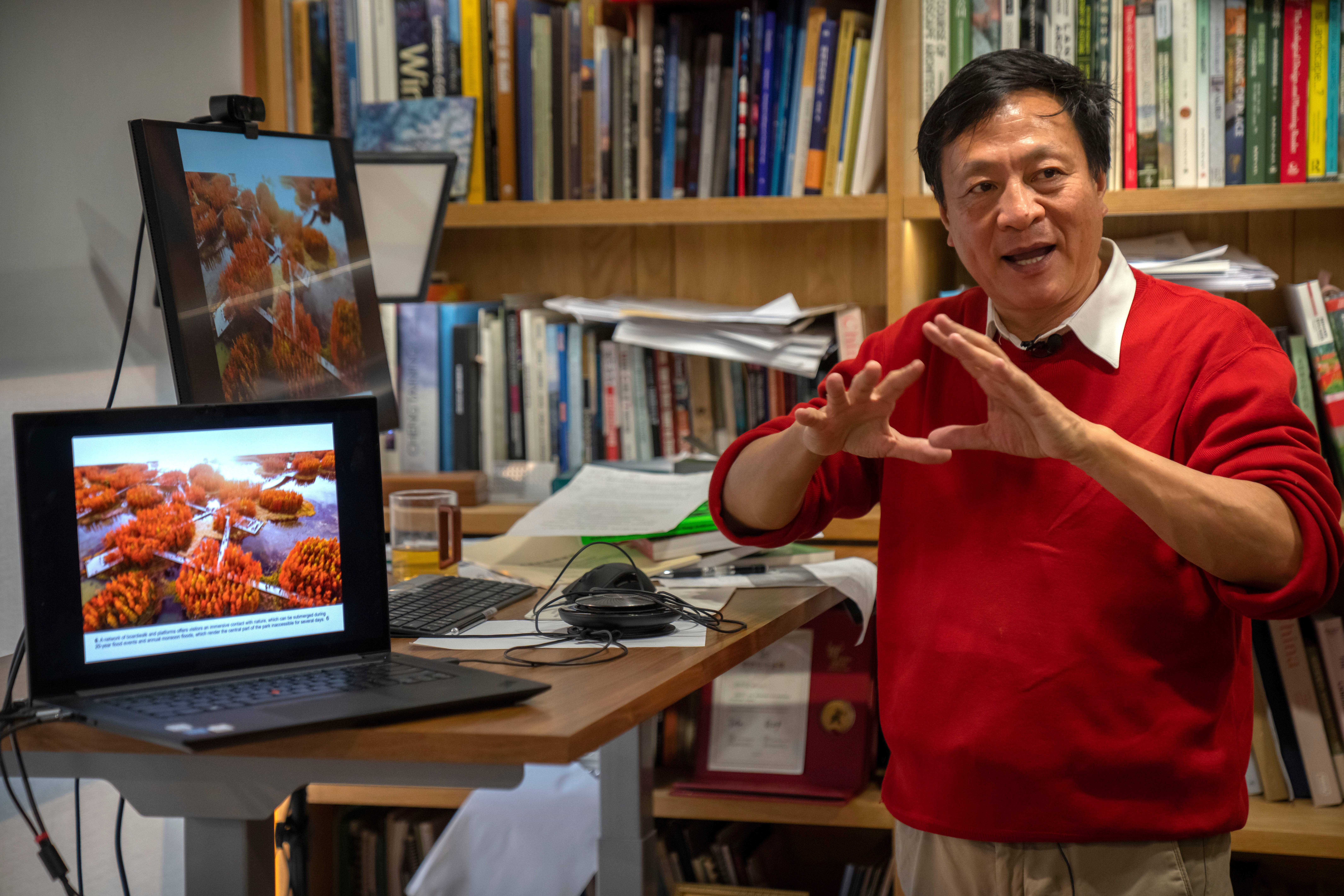
Yu, 62, gained global relevance for using ancient Chinese water systems to reimagine modern architecture. The Peking University professor pioneered the “sponge city” concept, building infrastructure that can absorb rainwater to mitigate flood risks and improve the urban climate.
His work to conserve rainwater during extreme rainfall to prevent flooding was globally accepted and he worked on the projects in other countries, including Saudi Arabia and Thailand.
Yu was flying to a ranch in Mato Grosso do Sul state, near Brazil’s western border with Paraguay and Bolivia, with two other filmmakers when the single-engine four-seater Cessna aircraft crashed on Tuesday afternoon.
Brazilian documentary makers Luiz Fernando Feres da Cunha Ferraz and Rubens Crispim Jr and pilot Marcelo Pereira de Barros were also killed in the crash, authorities said.
Yu and the filmmakers were part of a team producing a documentary called Planeta Esponja (Planet Sponge) about Yu in the world's largest tropical wetlands.
The accident happened during a landing attempt at a large farm, about 100km from the municipality of Aquidauana in Mato Grosso do Sul state.
Brazilian president Luiz Inacio Lula da Silva mourned Yu’s death in a post on X.
"In times of climate change Kongjian Yu became a global reference with sponge cities, which combine quality of life and environmental protection, something we want – and need – for the future. To all the friends, family, and colleagues of the victims, I extend my deepest sympathies," he wrote.
Yu was the founder of Turenscape, a major landscape architecture and urban ecology studio.
Turenscape recently won two American Society of Landscape Architects awards, including a top prize for its “floating forest” in Jiangxi, which transformed a 126-acre degraded Yangtze floodplain into a stormwater-managing urban wetland and model for waterfront renewal.
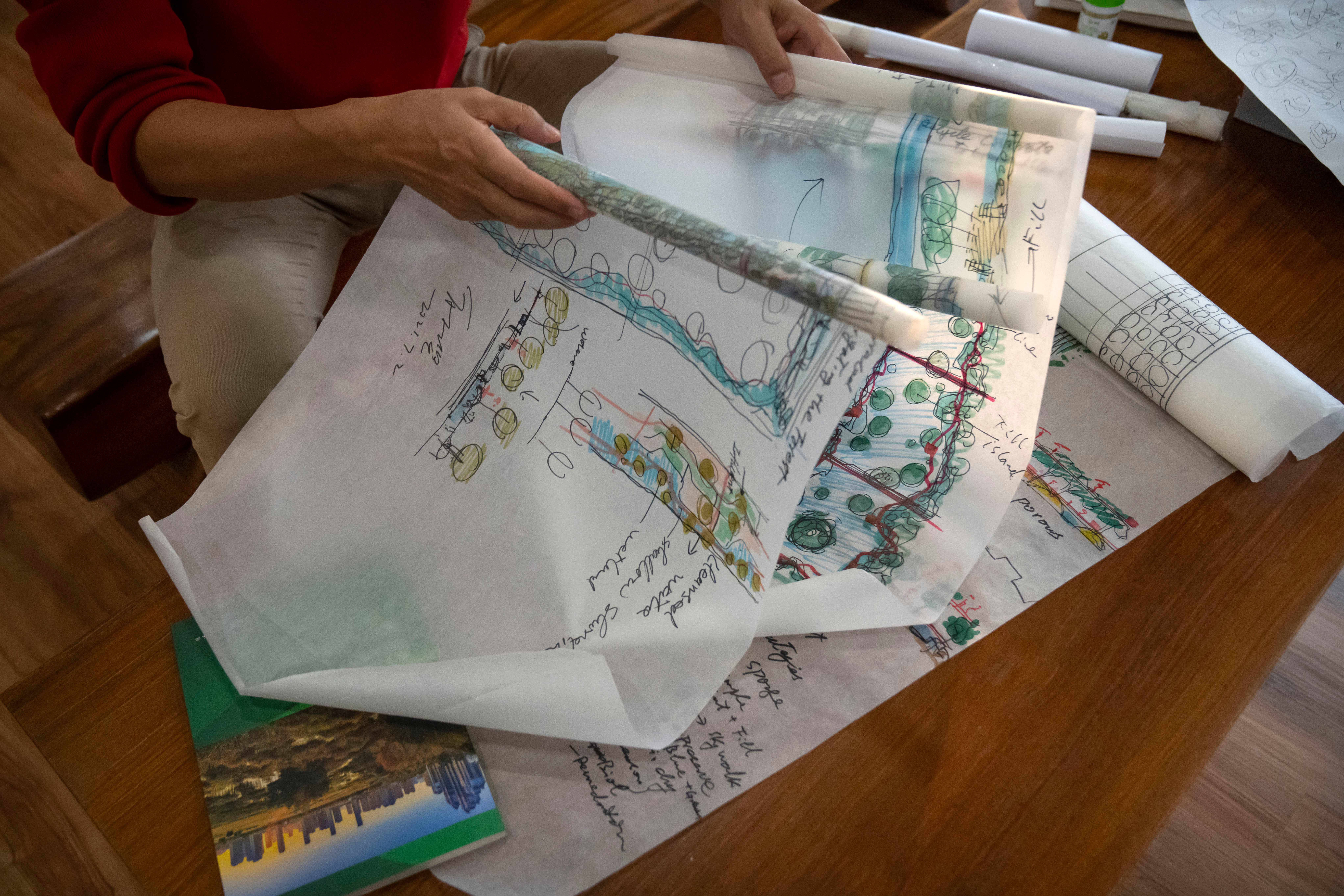
The sponge city concept was perhaps his most famous. It worked using nature-based solutions such as wetlands, greenways, permeable surfaces, rain gardens to manage rainwater, reduce flooding, restore ecological functions, instead of relying wholly on conventional grey infrastructure such as pipes, concrete drains.
China adopted sponge cities as a national policy in 2013. The target has been for a large number of cities to absorb a large proportion of rainfall, and for ecological infrastructure to become common in urban planning.
Born in rural China, Yu often spoke of landscape architecture not just as aesthetics, but as fundamental to human survival, especially in the face of climate change, water crises, urban flooding, and biodiversity loss.
His work has gained more prominence as most of China has suffered severe flooding and rainfall in recent years, highlighting the importance of mitigating climate change.
Join our commenting forum
Join thought-provoking conversations, follow other Independent readers and see their replies
Comments
Bookmark popover
Removed from bookmarks