Oxford University Press apologises over 20-year-old book about Indian warrior king
Book by American author sparks outrage and protests over portrayal of Chhatrapati Shivaji
The Indian arm of Oxford University Press (OUP) has issued an apology over the controversial portrayal of a Hindu warrior king in a book published more than two decades ago.
OUP India said the book contained certain “unverified statements” about Chhatrapati Shivaji.
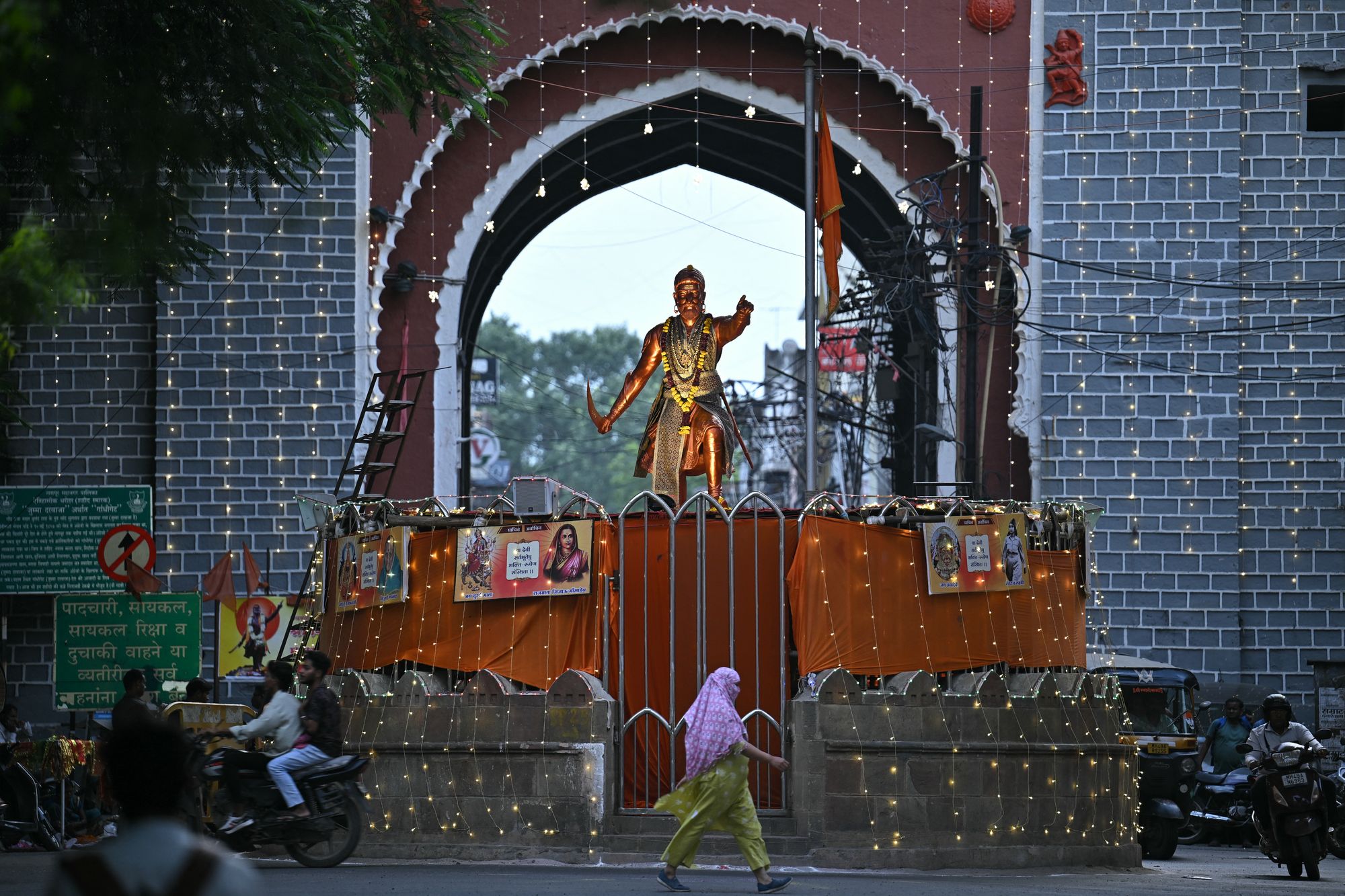
Shivaji, whose full name was Shivaji Shahaji Bhosale, was a 17th-century warrior-king in western India whose resistance to the Mughal Empire made him a hero in his lifetime and who is now celebrated, particularly by Hindu nationalist groups.
The ruler has airports, railway stations, roads, cities, and public squares and memorials named after him across India.
The book, titled Shivaji: Hindu King in Islamic India, was written by American author James Laine and published in 2003.
It sparked widespread outrage, particularly in the state of Maharashtra, where Shivaji is revered as a cultural and political icon. Protesters argued that the title misrepresented his legacy by describing him as a “Hindu” king, saying he did not rule as a religious monarch but as a regional sovereign whose administration included Muslims and protected places of worship.
They also objected to the portrayal of India during his time as “Islamic”.
In 2004, more than 150 protesters ransacked the Bhandarkar Oriental Research Institute in Pune over its alleged role in assisting the author’s research for the book.
In a statement published in two Indian newspapers, OUP India apologised directly to Udayanraje Bhosale, the 13th descendant of Shivaji, who had filed a complaint against Oxford University India's former managing director Sayeed Manzar Khan and three others in 2005.
The statement read: “Oxford University Press India published a book titled ‘Shivaji: Hindu King in Islamic India’ in the year 2003. It is hereby acknowledged that some statements regarding Shri Chhatrapati Shivaji Maharaj at pages nos. 31, 33, 34 and 93 of the book were unverified.
“We sincerely regret publishing those statements. We hereby apologise to Shrimant Chhatrapati Udayanraje Bhosale and the public at large, for any distress and anguish caused to him.”
Udayanraje Bhosale’s complaint was heard on 17 December in the High Court of Kolhapur bench, where lawyers representing Mr Khan and three others said their clients will issue an apology to Mr Bhosale and publish the apology letter in widely circulating Marathi and English language newspapers.
This article was amended on 9 January 2026 to correct the statement made by Oxford University Press.
Join our commenting forum
Join thought-provoking conversations, follow other Independent readers and see their replies
Comments
Bookmark popover
Removed from bookmarks