Japan warns public to expect big spike in bear attacks – in 2027
Poor nut harvest closely linked to spikes in animal attacks
Japan could be looking at another surge in bear attacks in the near future, researchers cautioned, after a new survey found that the harvest of a type of nuts that the animals favoured could dwindle in 2027.
Beechnut is a vital source of food for Asiatic black bears in the autumn, and shortages routinely drive the animals into towns and farmland.
While 2026 was expected to produce a plentiful harvest, the long-observed trend of alternating good and poor years meant a failure was likely in 2027, according to the study by the Akita Prefecture Forestry Research and Training Centre.
This year’s harvest was classified as “extremely poor” across the five surveyed regions of Akita prefecture, with fewer than 49 healthy nuts per square metre, well below the 200-nut threshold used to define a good crop.
An environment ministry assessment in November reported similarly poor conditions in Aomori, Iwate, Miyagi and Yamagata prefectures, indicating a widespread failure in the Tohoku region, according to Japanese media.
Poor nut harvests are closely linked to spikes in bear attacks in Japan. Akita recorded the highest number of bear attacks in Japan this year, with 66 people injured between April and November and four fatalities.
When harvests were strong in 2022 and 2024, only six and 10 people were attacked. But when crops collapsed in 2023 and 2025, attacks soared to 70 and more than 60, respectively.
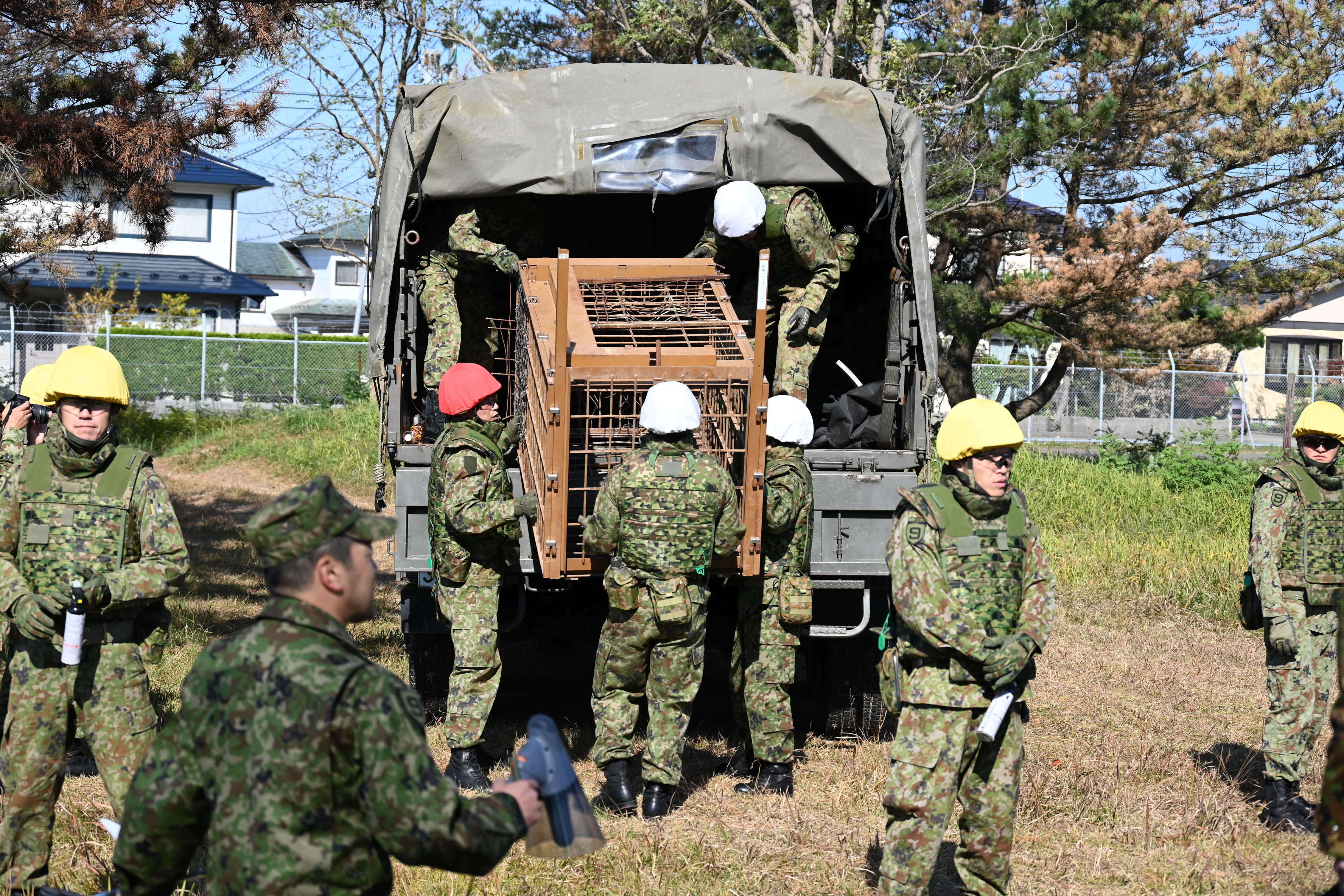
A sharp rise in attacks this year prompted emergency measures from both national and local authorities.
Last week, a 69-year-old security guard suffered leg injuries after fighting off a bear that attacked him in a public toilet in Gunma.
Last month, the military was deployed to Akita in a rare move to assist with trapping operations after local officials said they were overwhelmed.
The Japanese government also revised long-standing rules to allow riot police to shoot bears in certain circumstances, a power previously limited to licensed hunters.
The jump in animal encounters is also linked to deeper structural problems. Rural depopulation has left abandoned houses and overgrown gardens on the fringes of many towns, creating easy corridors for bears to wander further into settlements.
In Akita’s Kitaakita region, people recently described bears roaming through vacant properties. Some elderly villagers now take bells outdoors to avoid startling animals.
Many experts warn that even with an improved crop next year, the long-term spike in bear numbers, thought to have tripled since 2012, means communities remain highly exposed.
As the world warms due to the climate crisis, hotter autumn temperatures and shifting food patterns are altering the hibernation timing of animals such as bears, contributing to more late-season encounters.
Local governments are urging residents to harvest fruit from trees near homes, secure waste, and report sightings immediately.
Join our commenting forum
Join thought-provoking conversations, follow other Independent readers and see their replies
Comments
Bookmark popover
Removed from bookmarks