Japan’s snap elections: Will Sanae Takaichi’s gamble pay off and what’s at stake on Sunday?
Sanae Takaichi is betting on her high approval ratings to secure a clearer mandate. If she wins, Japan’s first female prime minister will reshape politics, pushing a hawkish agenda while sidelining moderates, analysts tell Maroosha Muzaffar
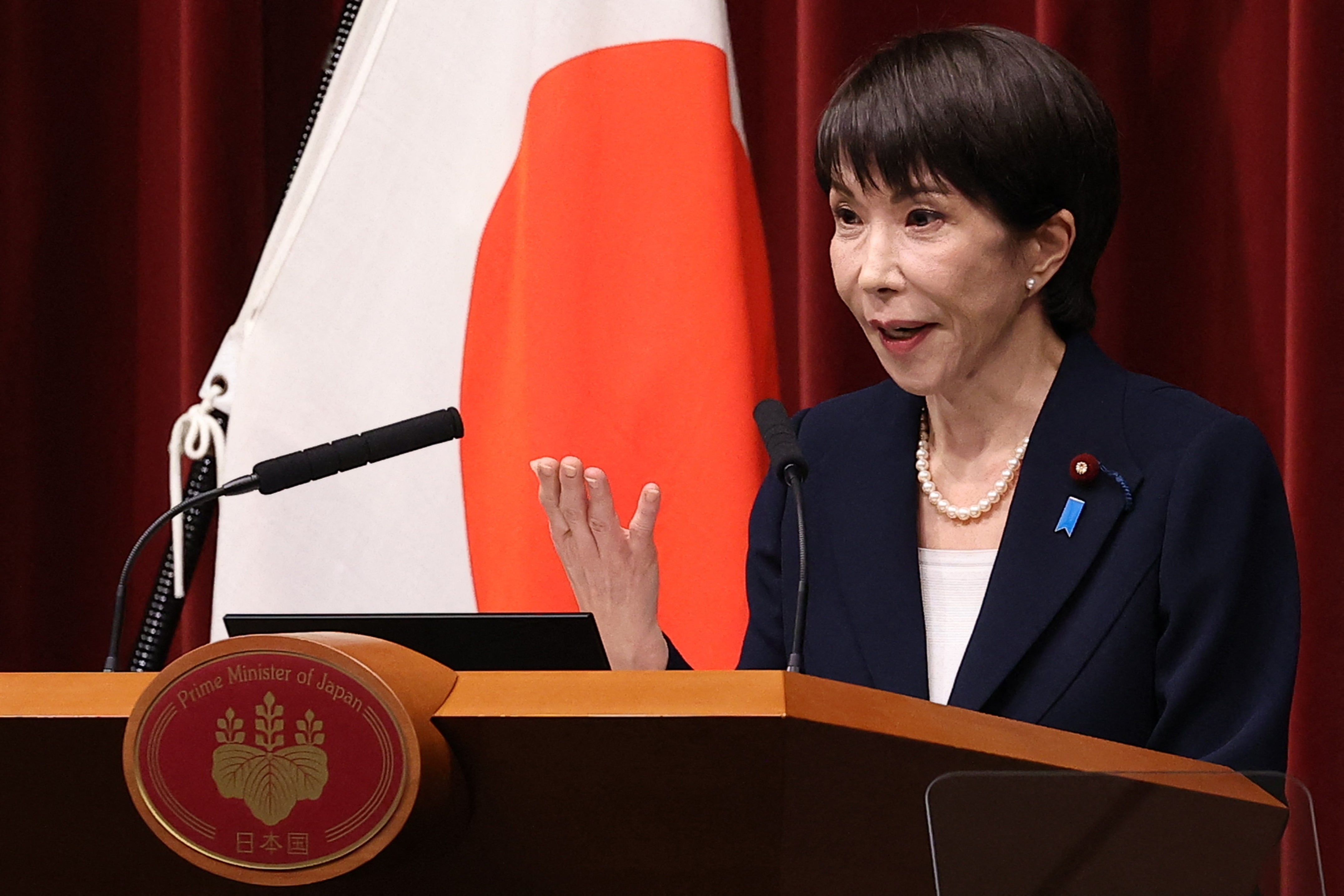
When Japanese prime minister Sanae Takaichi called a snap election last month, hoping to cash in on high approval ratings to secure a clearer mandate, she took people even in her own party by surprise.
Takaichi took office last October and rumours of a snap election began circulating almost immediately, but observers expected the government to first pass the 2026 budget by March. Takaichi decided not to wait.
“I’m putting my future as prime minister on the line,” she said at a press conference after dissolving the lower house of parliament and calling the general election for 8 February. “I want people to decide directly whether they can entrust the management of the country to me.”
After the collapse of the long-running coalition between Takaichi’s Liberal Democratic Party and Komeito, the ruling party formed a new alliance with the Japan Innovation Party, or Ishin, giving it a one-seat majority in the lower house with support from independents.
Analysts said the call for a snap election was mainly intended to use Takaichi’s strong popularity to bolster the LDP and reinforce the new coalition’s grip on power.
According to a new opinion poll released by The Asahi Shimbun over the weekend, the LDP is likely to surpass the 233-seat threshold needed for a majority on its own, improving on its current 198 seats. The ruling bloc together is projected to get over 300 seats.
Ahead of the election, however, the yen this week fell to near a two-week low, signalling distress in the economy that could affect the outcome.
Why does this election matter?
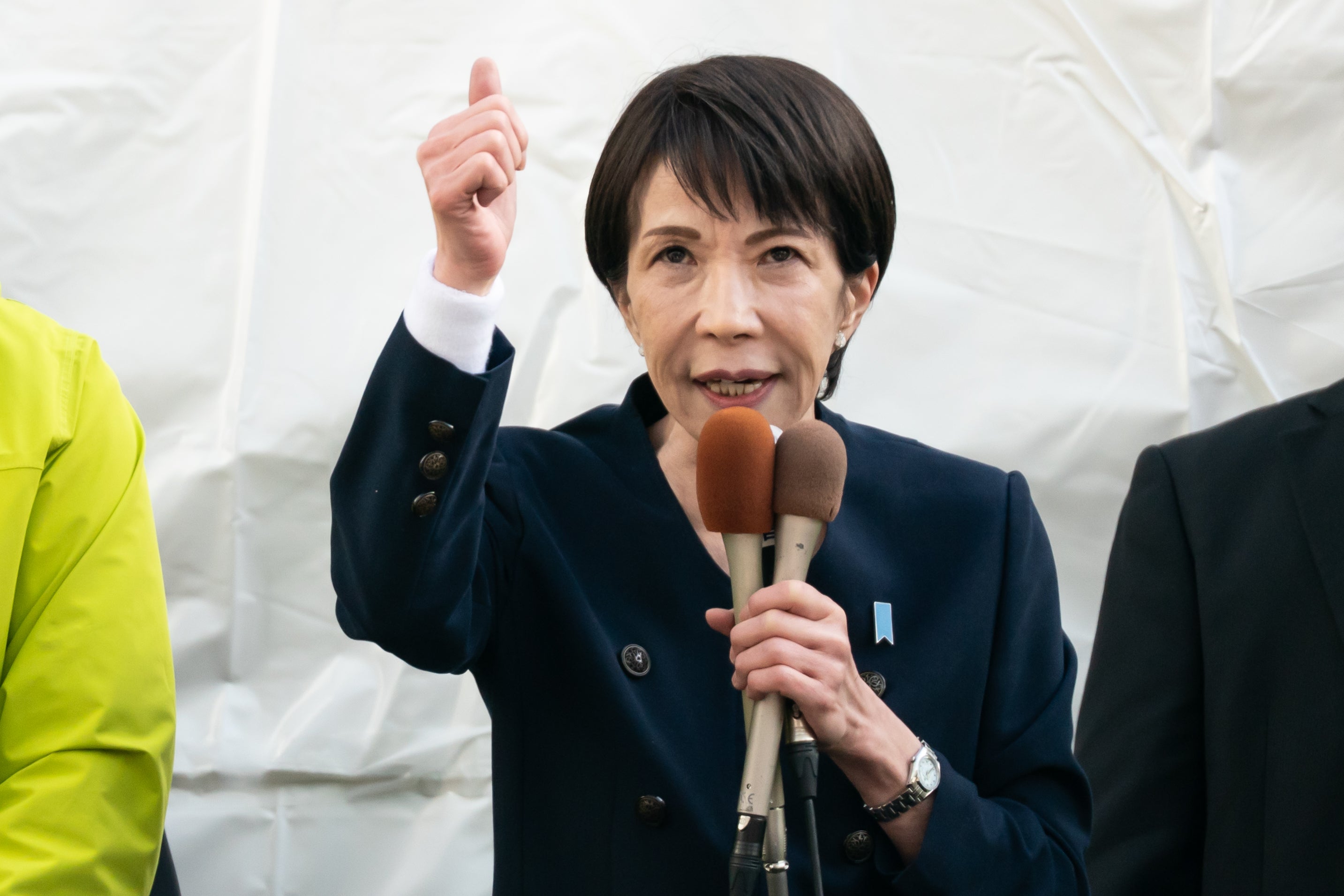
Takaichi is Japan’s first female prime minister. Her approval ratings have been strong since she took power, averaging above 70 per cent. She stands apart from her predecessors by commanding exceptional backing among younger voters, with more than 90 per cent of Japanese voters aged 18 to 29 showing support for her in several polls.
The LDP currently holds 198 of the 465 seats in the lower house after a poor showing in the 2024 general election under Shigeru Ishiba, making it overly dependent on Ishin. Analysts say Takaichi is seeking to win the LDP-Ishin coalition a clearer majority.
A big win for Takaichi may mark a major shift in Japan’s politics, Prof Margarita Estevez-Abe from Syracuse University, who specialises in Japanese politics and political economy, tells The Independent.
“It will break the political ‘conventional wisdom’ that the LDP needs the electoral cooperation of Komeito to win. The LDP will learn that right-wing populism is the correct winning strategy. Any push toward the centre will vanish from within the LDP,” she says.
Komeito, Estevez-Abe notes, is “the political wing of the Soka Gakkai, which functions as an extremely well-organised political machine” and the LDP relied on it for decades to win elections.
It was long believed the LDP would not be able to win in urban regions without the help of Soka Gakkai, she says. “It was primarily for this reason that the LDP kept Komeito as a junior coalition partner for so long.”
If Takaichi can turn personal appeal into votes for her party, the LDP will more than offset the losses from cutting ties with Komeito.
But this will come at a price: the loss of a moderate partner will likely weaken Japan’s centre-left forces.
“Cutbacks on welfare benefits for the elderly and increased defence spending will be much easier in a political environment where the centre-left loses much significance,” Estevez-Abe explains.
There are other risks. Any loss of ground could damage the prime minister’s agenda and her standing at home and overseas.
“Despite Takaichi’s popularity, support for the LDP remains in the 30 per cent range, reflecting ongoing public concerns,” Yuko Nakano, associate director of the US-Japan Strategic Leadership Program at the Center for Strategic and International Studies in Washington, says.
“Additionally, if the public perceives that Takaichi is prioritising politics over policy, this could have negative effects at the ballot box. Opposition parties, including Democratic Party for the People, which previously agreed to cooperate with the LDP on the timely passage of the budget, have already begun criticising her decision as putting economic priorities on the back burner.”
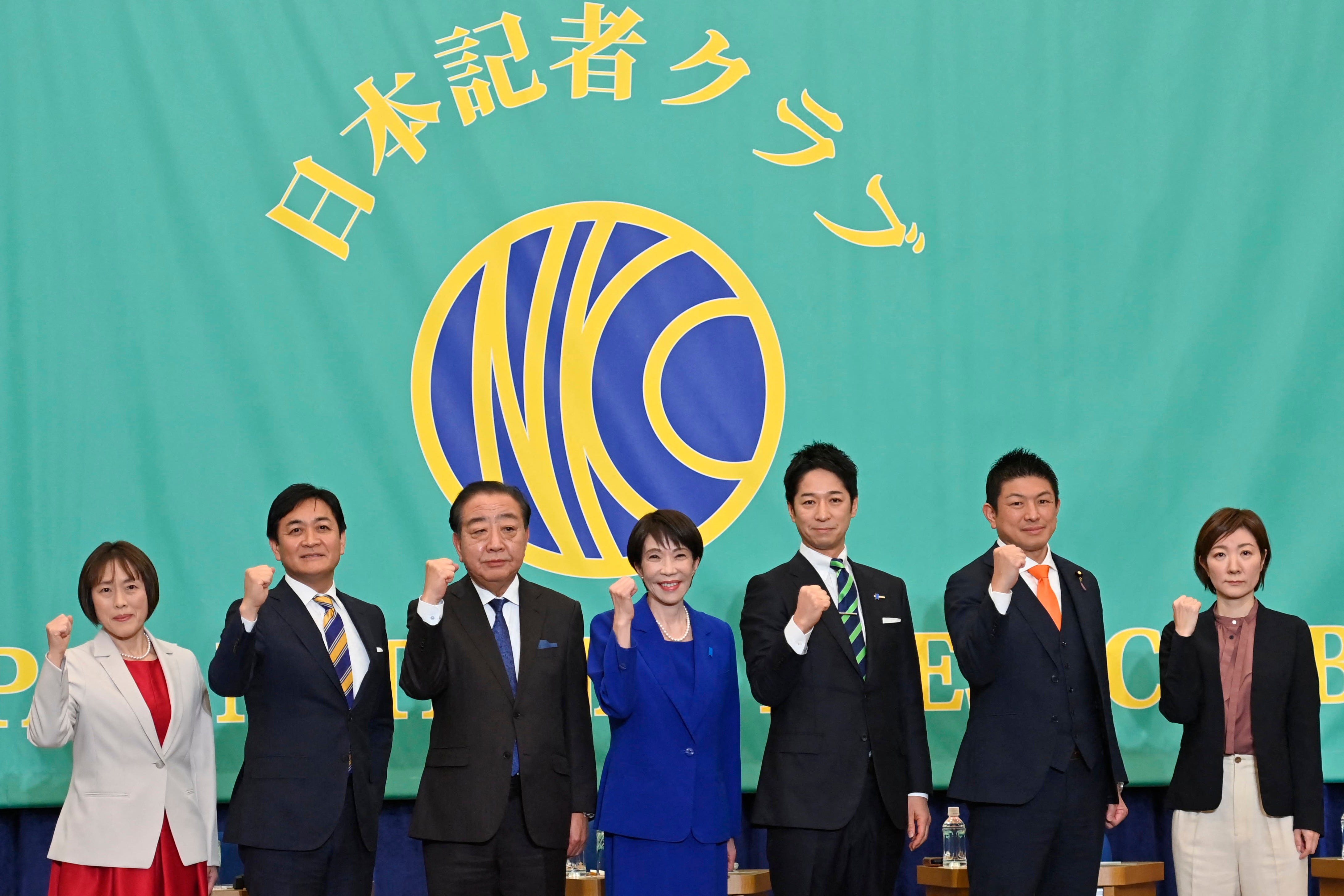
What do the main parties stand for?
Liberal Democratic Party: Japan’s ruling party was formed in 1955 by the merger of two conservative parties and quickly became the country’s dominant political force, promoting political stability and a pro-US orientation during a period of uncertainty following the Second World War.
In recent years, a funding scandal has weakened its standing and cost it majorities in both chambers of the parliament. Under Takaichi, the party has attempted to regain public trust with economic relief proposals including a temporary suspension of the consumption tax on food.
Japan Innovation Party: The right-wing Ishin, as it’s popularly known, presents itself as a “reformist, next-generation party” focused on breaking with traditional Tokyo-centric politics.
When Komeito quit the ruling coalition, Takaichi brought in Ishin, the third-largest force in the parliament, to form the government.
Headed by Osaka governor Hirofumi Yoshimura alongside businessman Fumitake Fujita, the party sits to the right of Komeito ideologically. As a partner in the ruling alliance, the party has backed a distinctly conservative agenda: strengthening Japan’s military, maintaining male-only imperial succession, and speeding up the restart of offline nuclear reactors.
Centrist Reform Alliance: Started on 22 January by former rivals Komeito and the Constitutional Democratic Party of Japan, it positions itself as an alternative to Takaichi’s conservative government, campaigning on cost-of-living relief led by a permanent zero consumption tax on food, tighter rules on political funding, and support for low- and middle-income earners. While ideologically mixed and widely seen as a pragmatic, temporary alliance, it promotes more moderate policies on nuclear power, social issues and governance than the ruling coalition.

Democratic Party for the People: The centre-right party, headed by Yuichiro Tamaki, positions itself somewhere between the conservative LDP and the opposition left. Formed in 2018 by the merger of the Democratic Party and the Party of Hope, and reorganised again in 2020, it argues for “policy-first” politics.
“We’ve sought a new form of politics that prioritises policy over political manoeuvring, placing the lives of the people and the economy first,” Tamaki claimed after the election was announced.
Japanese Communist Party: The left-wing party promotes economic equality, a robust welfare state and pacifism, while rejecting military expansion and nuclear energy. The party traces its origin to 1922 when it functioned underground and outside the law. It was formally legalised after the Second World War.
Now led by Tomoko Tamura, the party argues that Japan should loosen what it sees as an overly dependent relationship with the US and roll back the disputed security laws.
Sanseito: The right-wing populist party is campaigning on a “Japanese First” agenda, combining strong nationalism with opposition to globalism, immigration, and what it sees as elite-driven policies. The party, led by Sohei Kamiya, rose to prominence by tapping into public anger against economic stagnation, inflation, overtourism, and rapid social change.
It’s pushing for stricter immigration controls, tougher defence policies, tax cuts, and selective welfare focused on Japanese citizens, using anti-establishment messaging and social media to mobilise younger, disillusioned voters.
Conservative Party of Japan: After Japan passed the LGBT Understanding Promotion Act in 2023, novelist Naoki Hyakuta and journalist Kaori Arimoto launched the party in opposition.
The party says that it seeks to “protect Japan’s national polity and traditional culture”, and is defined by a far-right nationalist outlook, including a tendency to downplay the country’s wartime actions, notably the Nanjing Massacre in China.
Reiwa Shinsengumi: The left-leaning, anti-establishment party was founded in 2019 by former actor-turned-lawmaker Taro Yamamoto. It focuses on social justice and inclusion, advocating policies like scrapping the consumption tax, opposing nuclear power, raising wages, introducing basic income, rolling back Japan’s 2015 security laws, and strengthening protections for people with disabilities as well as animals.
It also strongly opposes constitutional changes that it says will expand the powers of the state.
The party gained attention by electing lawmakers with severe disabilities, prompting accessibility reforms in the parliament.

How many candidates are in the fray?
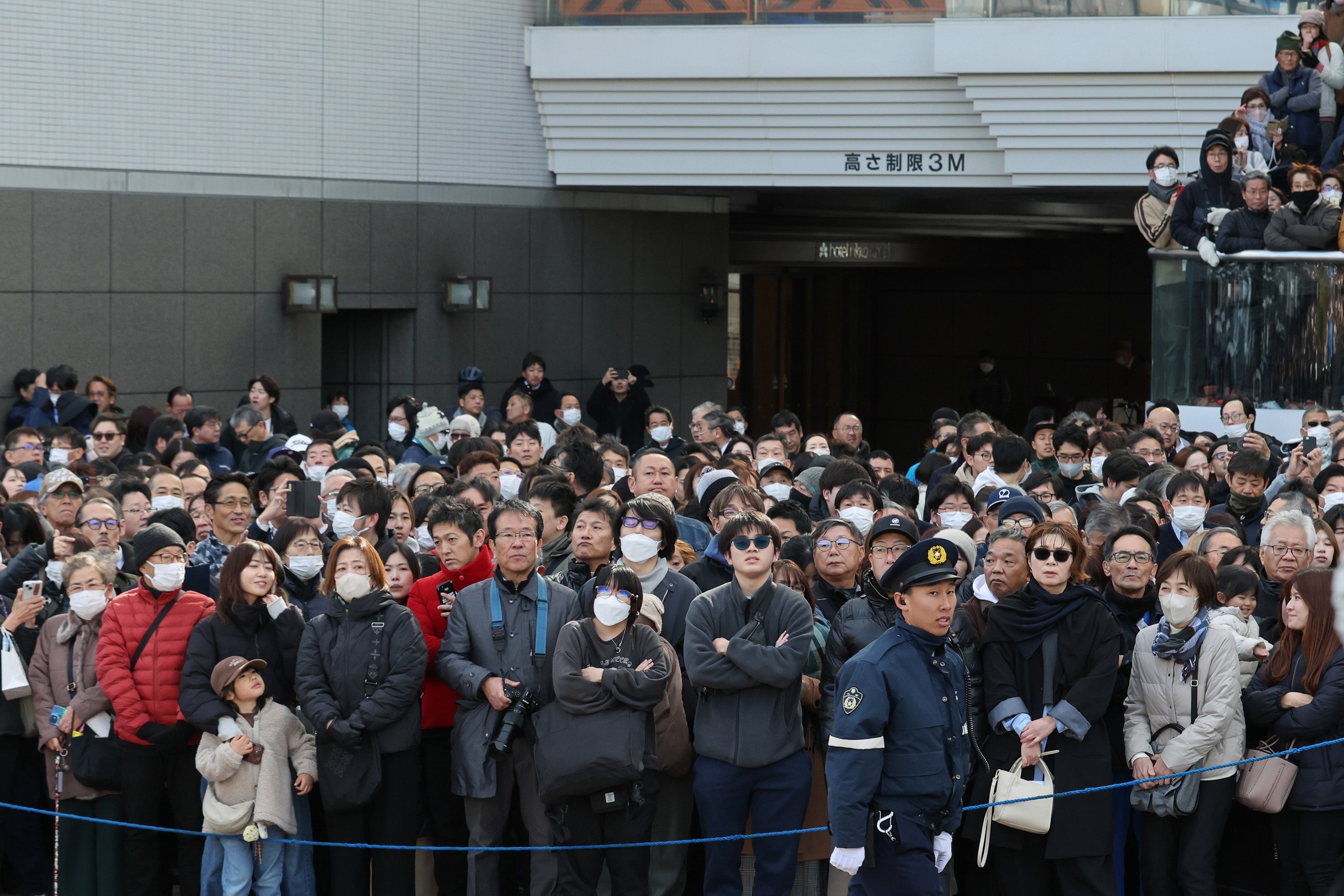
More than 1,200 candidates are contesting for the 465 lower house seats, with 289 decided in local districts and 176 through a proportional representation system that sees voters cast a separate ballot for a party in larger regional blocs, allowing smaller parties to win seats based on their overall support.
The LDP is fielding the most candidates followed by the Centrist Reform Alliance, Ishin, and Democratic Party for the People.
What might a victory for Takaichi signal?
A recent Kyodo News poll suggested that Takaichi’s coalition was on track to secure a majority in the lower house. The survey projected the coalition to win 233 or more of the 465 seats, strengthening the mandate for the prime minister to press ahead with her fiscal and policy agenda.
Analysts warn that a victory for Takaichi may usher in a “new hawkish, anti-welfare and xenophobic era”.
Takaichi will need allies in the upper house and, with Komeito out of the coalition, her only options are right-wing parties such as Ishin and Sanseito, Estevez-Abe notes. These partners are likely to push for hawkish, nationalist and anti-welfare policies, meaning there may be few checks on extreme or risky government actions, she says.
“In sum, if Takaichi wins,” she argues, “the market might become the only brake left to stop her government from engaging in follies.”
Join our commenting forum
Join thought-provoking conversations, follow other Independent readers and see their replies
Comments
Bookmark popover
Removed from bookmarks