Alarm forces Japan to halt restart of world’s largest nuclear power plant after just 24 hours
An alert from a monitoring system was triggered while workers were starting up reactor number six at Kashiwazaki-Kariwa nuclear power plant
Japan suspended the restart of the world’s largest nuclear power plant just a day after it began operating for the first time since the 2011 Fukushima disaster, after an alarm sounded during start-up procedures.
An alert from a monitoring system was triggered while workers were starting up the reactor number six at the Kashiwazaki-Kariwa nuclear power plant, prompting the decision to halt operations, its operator Tokyo Electric Power Company (Tepco) said. The company said it did not yet know how long it would take to resolve the issue.
Tepco said the reactor was stable and that there had been no radioactive impact outside the plant.
“We don’t expect this to be solved within a day or two. There is no telling at the moment how long it will take,” site superintendent Takeyuki Inagaki told a news conference. “We will for now fully focus on trying to identify the cause of what happened.”
The issue was linked to malfunctioning electrical equipment connected to the control rods, which are crucial for the safe operation of reactors, according to Tepco.
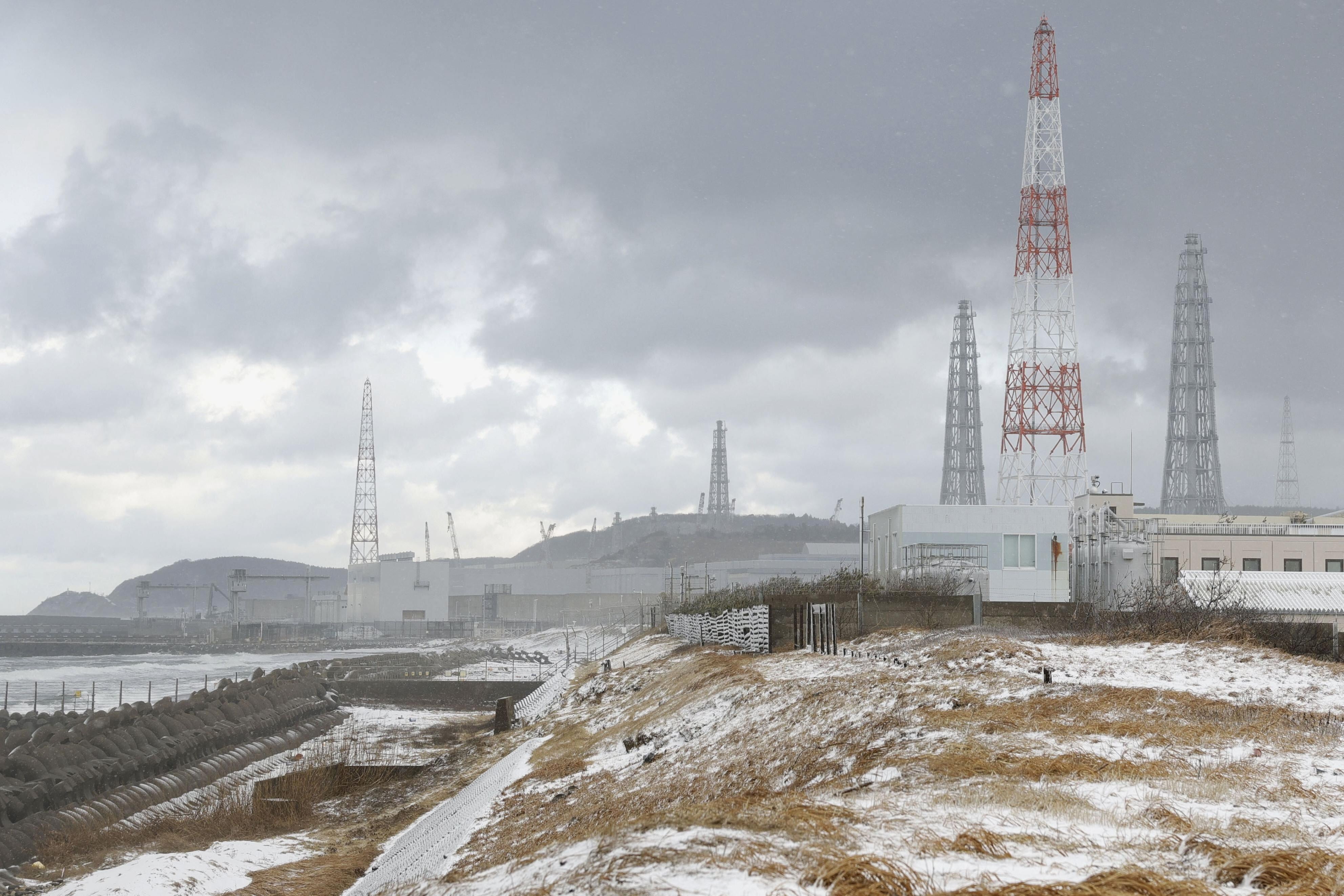
The restart had already been delayed earlier this week after another technical problem was detected during preparations to remove the rods, a problem the operator said had been resolved before operations began.
Kashiwazaki-Kariwa, located in Niigata province about 220km northwest of Tokyo, is the world’s largest nuclear power plant by potential generating capacity. Only one of its seven reactors had been scheduled to restart. The No 6 reactor alone is capable of generating about 1.35 million kilowatts of electricity – enough to power more than one million households in the Tokyo region.
The facility was taken offline in 2011 after a 9.0-magnitude earthquake and tsunami triggered meltdowns at the Fukushima Daiichi nuclear plant, also operated by company. Japan subsequently shut down most of its nuclear fleet amid public opposition and tighter safety regulations.
In recent years, the government has moved to revive nuclear power to reduce reliance on fossil fuels, cut emissions and meet rising electricity demand, including from data centres and artificial intelligence. Fourteen reactors have restarted across Japan since 2011, but Kashiwazaki-Kariwa is the first Tepco-run plant to resume operations.
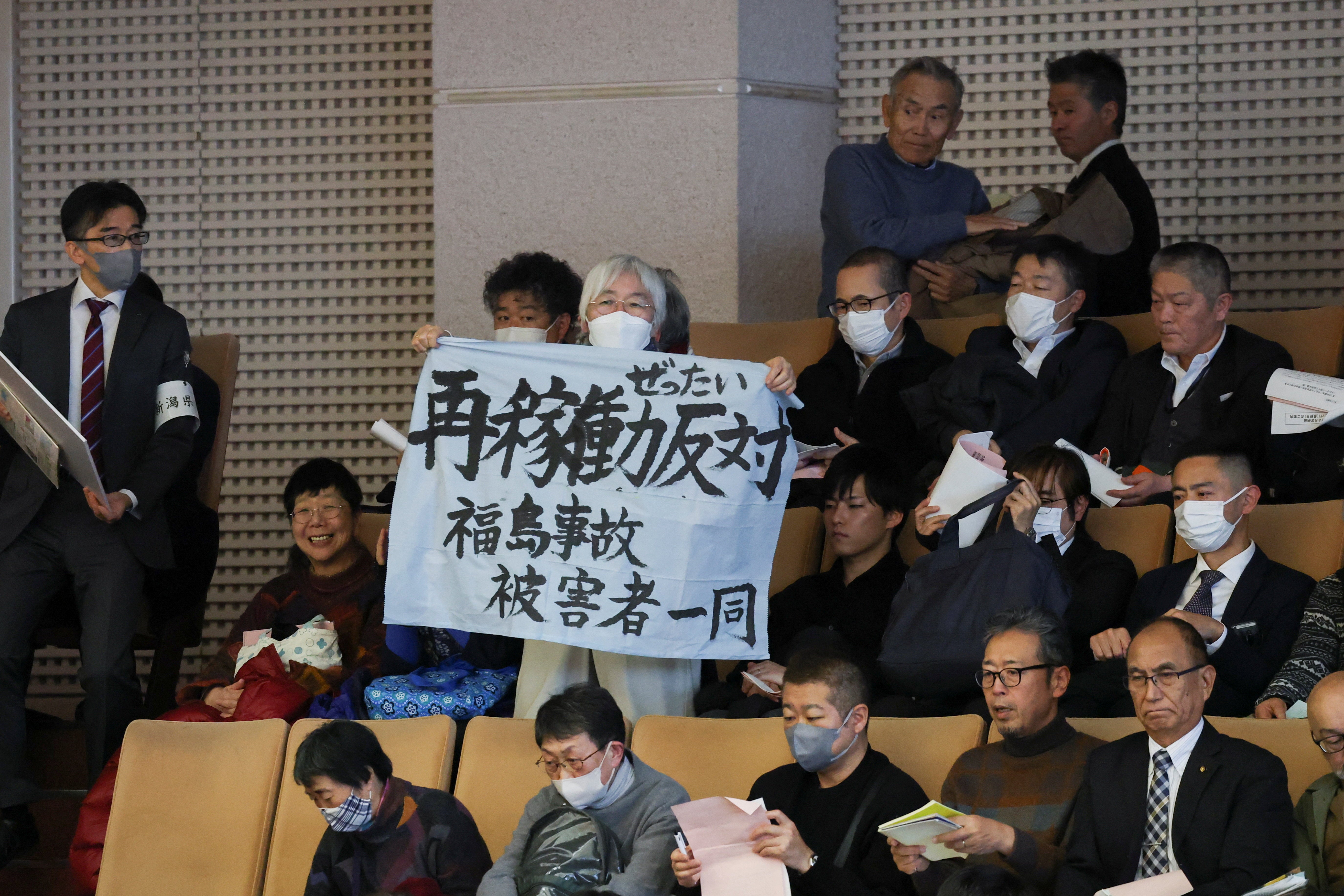
In December 2025, a vote in the regional assembly in Niigata removed the final political hurdle for the plant to be reopened. The assembly passed a vote of confidence in governor Hideyo Hanazumi, who backed the restart last month.
“This is nothing other than a political settlement that does not take into account the will of the Niigata residents,” an assembly member opposed to the restart said during the session..
Outside the assembly building, around 300 people protested against the decision, holding banners reading “No Nukes”, “We oppose the restart of Kashiwazaki-Kariwa” and “Support Fukushima”.
“I am truly angry from the bottom of my heart,” Kenichiro Ishiyama, a 77-year-old protester from Niigata city, told Reuters after the vote. “If something was to happen at the plant, we would be the ones to suffer the consequences.”
Public opinion in Niigata remains sharply divided. Around 60 per cent of residents oppose the restart, while 37 per cent support it, according to a survey conducted in September. Earlier this month, seven anti-nuclear groups submitted a petition signed by nearly 40,000 people to Tepco and Japan’s Nuclear Regulation Authority, citing seismic risks at the site.
Kashiwazaki-Kariwa’s proposed restart has been put off for years by extensive safety upgrades and tighter security rules introduced after Fukushima, including measures to prevent deliberate attacks on nuclear facilities.
Japan’s former prime minister, Fumio Kishida, has previously said nuclear energy would play a role in achieving the country’s target of carbon neutrality by 2050, though Thursday’s setback highlights the technical and political challenges facing the policy shift.
Join our commenting forum
Join thought-provoking conversations, follow other Independent readers and see their replies
Comments
Bookmark popover
Removed from bookmarks