Nepal battles snow and wind to reach survivors after seven climbers killed in Himalayan avalanche
Three French nationals, one Italian and one Canadian are among those killed, alongside two Nepali guides
Search and rescue teams were battling harsh weather on Tuesday to find four missing climbers after an avalanche at a Himalayan peak in Nepal killed seven people, officials said.
The avalanche hit the Yalung Ri base camp in eastern Nepal’s Dolakha at around 8.30am local time on Monday, trapping a 15-member expedition made up of five foreign climbers and 10 Nepali mountain guides.
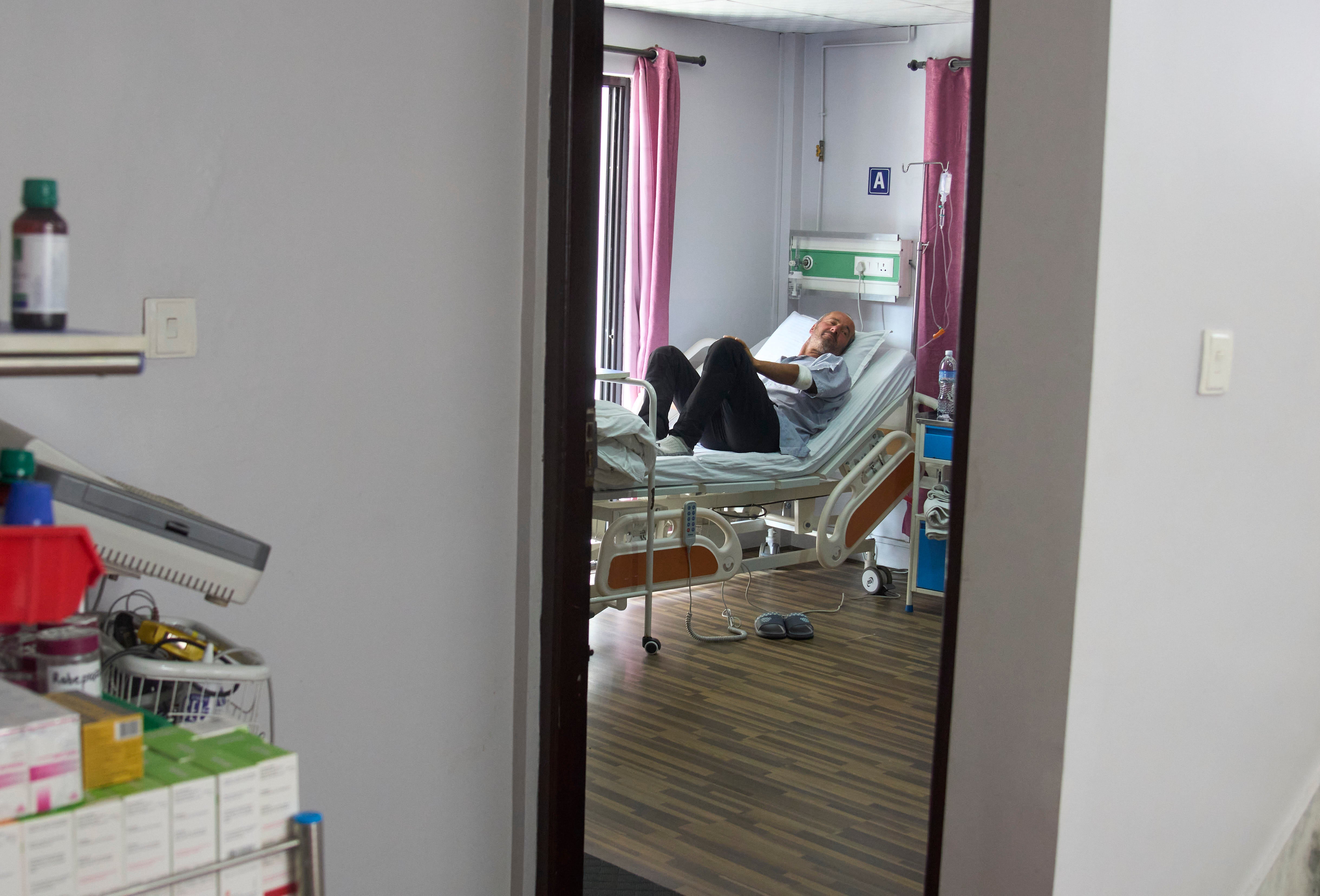
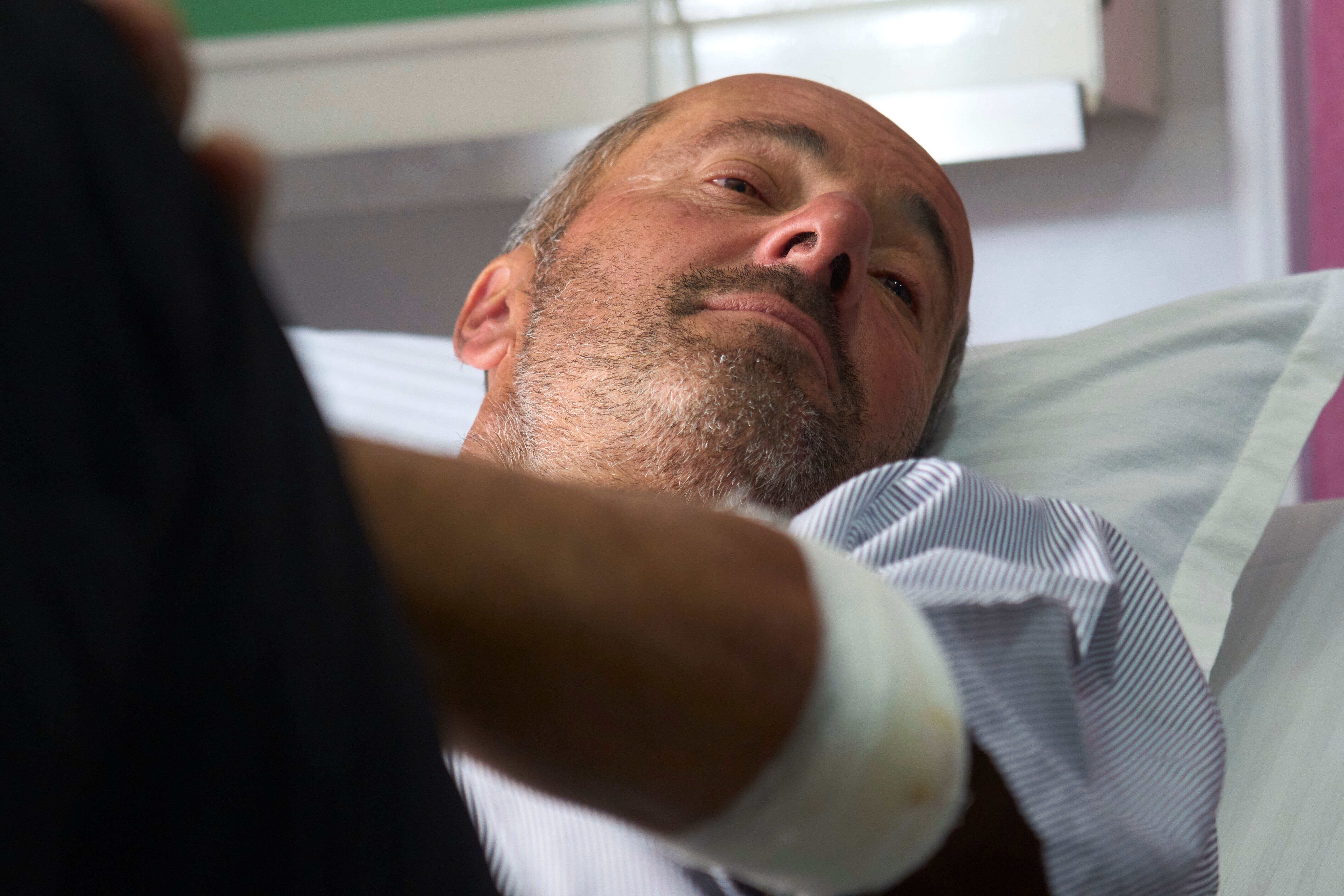
All five foreigners were killed, as were two Nepalis. Four of the guides sustained injuries and were evacuated to the Na village for treatment, police said.
Three of the foreigners were from France and one each from Canada and Italy.
Search and rescue teams, including from Nepal’s army and police, were deployed to the area but they were struggling against heavy wind, snow and poor visibility to locate the four missing high-altitude guides.
Authorities said the search operation resumed at first light on Tuesday after heavy snow and thick clouds had forced aircraft to turn back the previous day.
“The avalanche buried everyone on the slope,” deputy police superintendent Gyan Kumar Mahato said. “We got the information late and the difficult weather delayed immediate response.”
Several rescue attempts were made through the day, he added, but the operation could not proceed because helicopters were unable to reach the site.
“A helicopter finally reached Na village on Monday evening, and we have also deployed rescue teams on foot,” he said.
The rescue teams were focusing on the slopes above the Na village, where the climbers were trapped while ascending Yalung Ri, a 5,630m peak used as a training climb before tackling higher mountains in the region.
Police said the mountaineers originally planned to climb Dolma Kang, a 6,334m peak nearby, and were attempting Yalung Ri as part of their acclimatisation schedule. They spent Sunday night in Na and left for the base camp in the morning when the weather briefly improved.
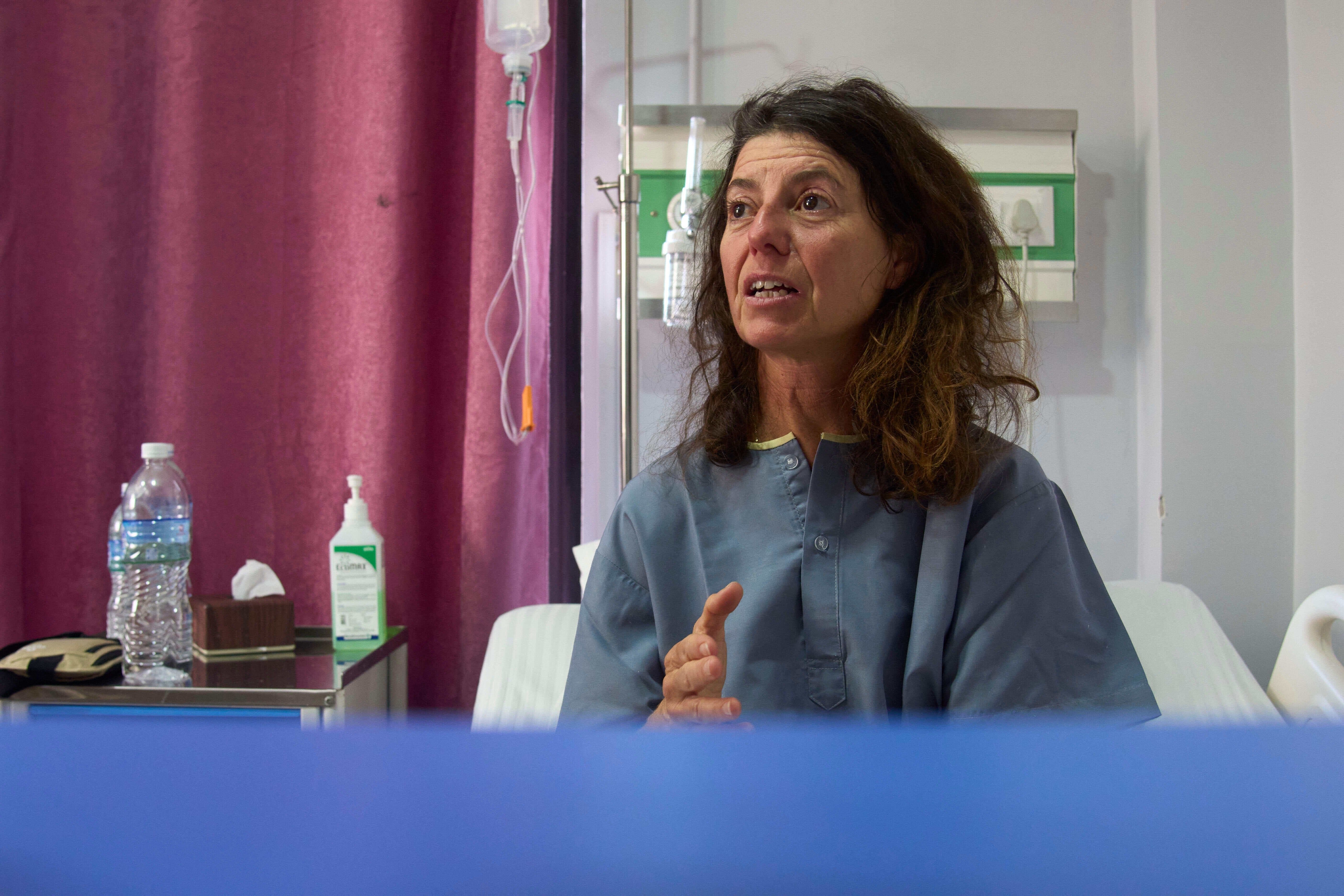
One of the injured climbers told the Kathmandu Post they had repeatedly called for help but did not receive an immediate response.
“We shouted and cried for help, but no one could reach us,” the person, who was not named, claimed. “We were told that a helicopter would come after four hours but by then several of our friends were gone. Had the rescue arrived on time, more lives could have been saved. Four of our friends are out of contact.”
Mr Mahato blamed “heavy snowfall and clouds” for hampering the rescue operation.
Yalung Ri is located in the Rolwaling Valley of northeastern Nepal and climbers there encounter a mix of rock, ice and snow.
Officials said the Rolwaling Valley had seen days of snow before the accident, leaving the snowpack unstable even after the skies cleared.
“The team set out only after the weather cleared on Sunday but the snowpack remained unstable,” Mr Mahato said.
In Nepal, summer and autumn are favourable seasons for trekkers and mountaineers as weather conditions are better before the winter sets in. But the risk of avalanches and harsh weather remains.
Last week, South Asia was hit by Cyclone Montha which brought heavy rain in Nepal and India. In the aftermath, two British and one Irish woman had to be rescued after they were trapped for several days in the western Mustang region of Nepal.
Join our commenting forum
Join thought-provoking conversations, follow other Independent readers and see their replies
Comments
Bookmark popover
Removed from bookmarks