Why Pakistan and the Afghan Taliban are fighting and what happens next
In October, Pakistan and Afghanistan had announce ceasefire after days of intense attacks
Pakistan’s military launched air raids inside Afghanistan early on Sunday, targeting what officials described as “camps and hideouts” linked to armed groups blamed for a recent wave of attacks, including a deadly suicide bombing at a Shia mosque in Islamabad.
Pakistan’s ministry of information and broadcasting said the armed forces carried out “intelligence-based, selective operations” against seven sites associated with the Pakistan Taliban, also known as Tehreek-e-Taliban Pakistan (TTP), and its affiliates.
The ministry added that the Isis affiliate in Khorasan province, which claimed responsibility for a suicide attack in the capital earlier this month, was also targeted.
According to the statement, Pakistan has “conclusive evidence” that recent attacks in Islamabad and in the northwestern districts of Bajaur and Bannu were orchestrated by fighters acting at the direction of “Afghanistan-based leadership and handlers”.
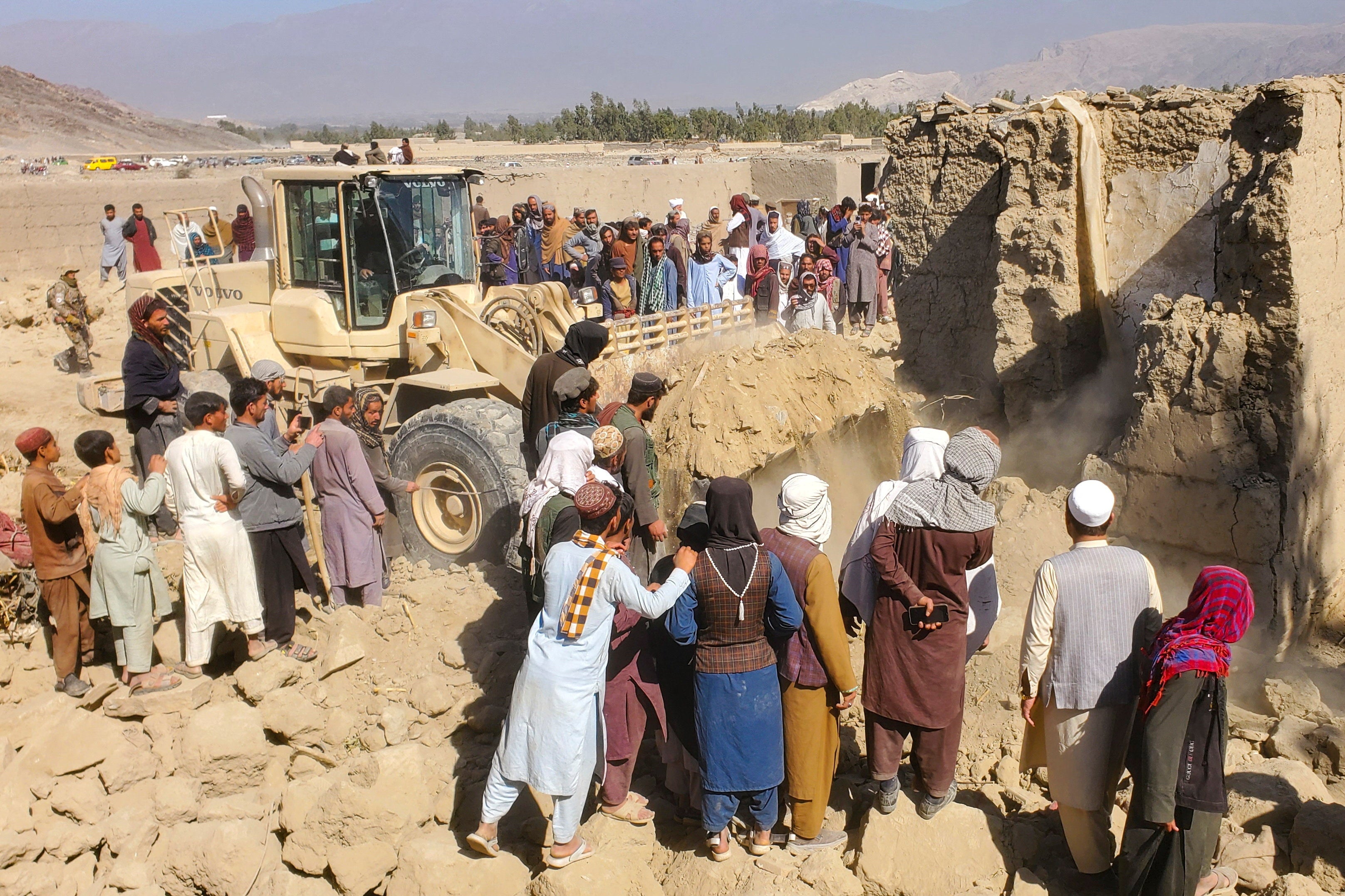
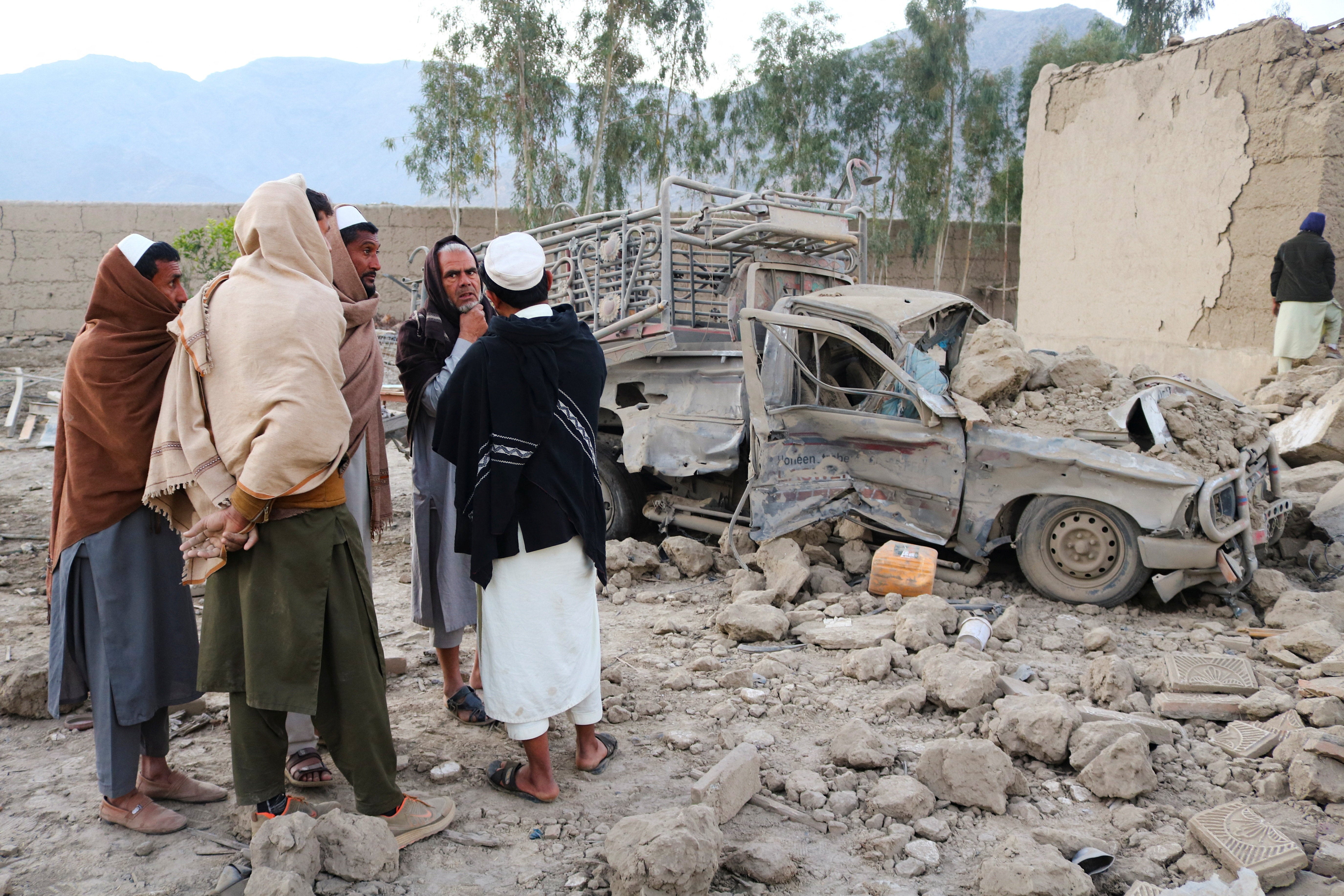
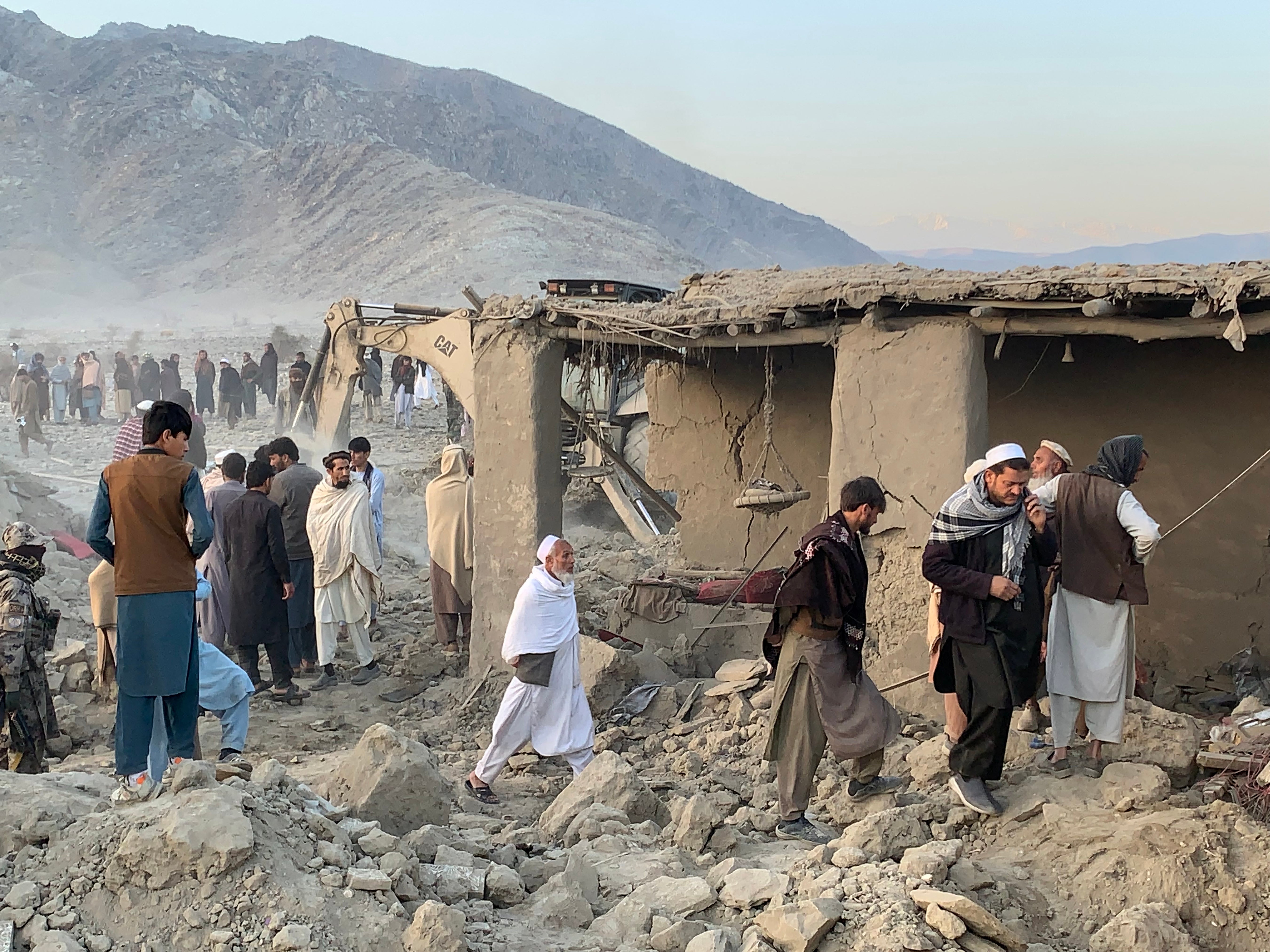
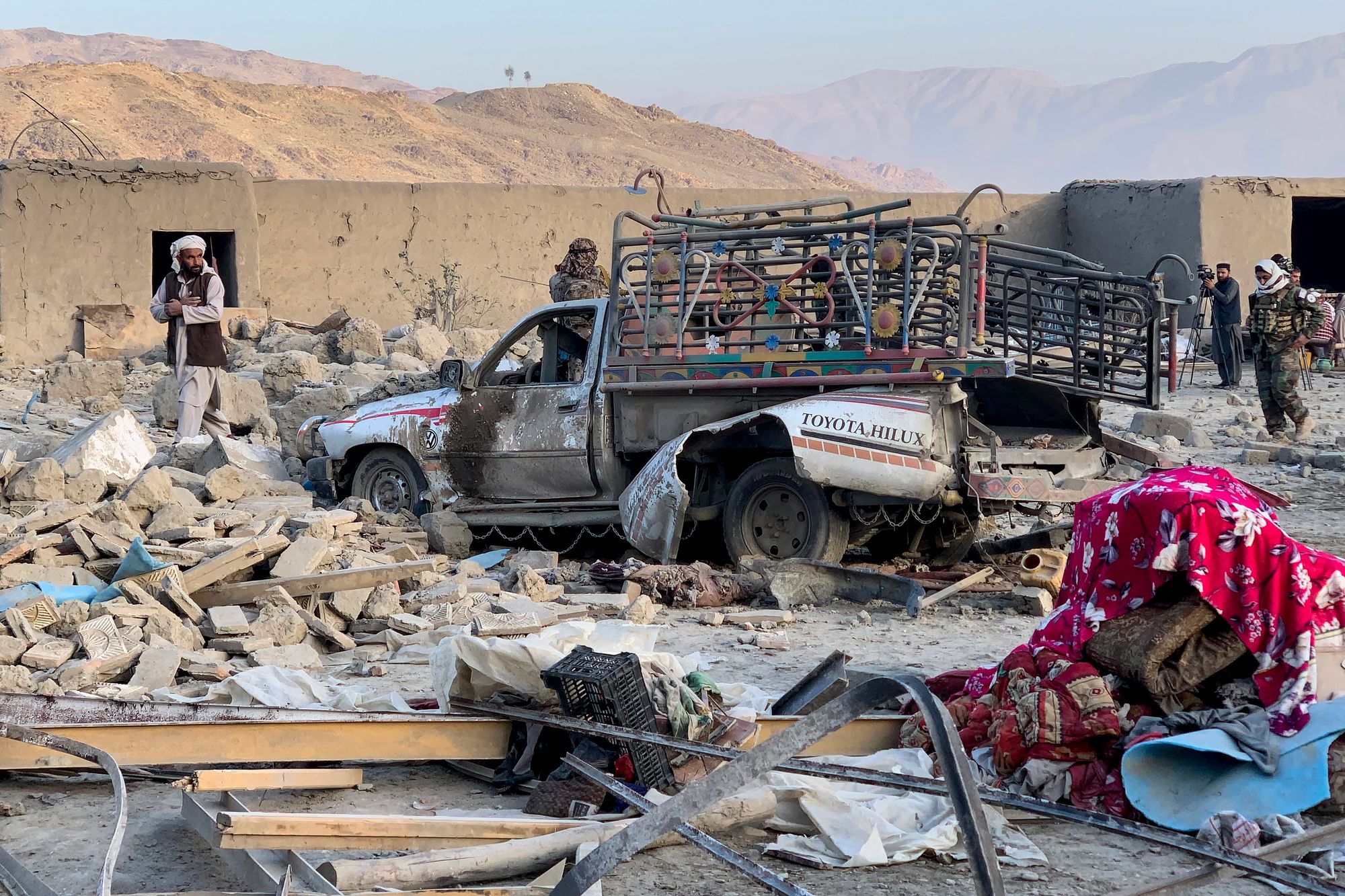
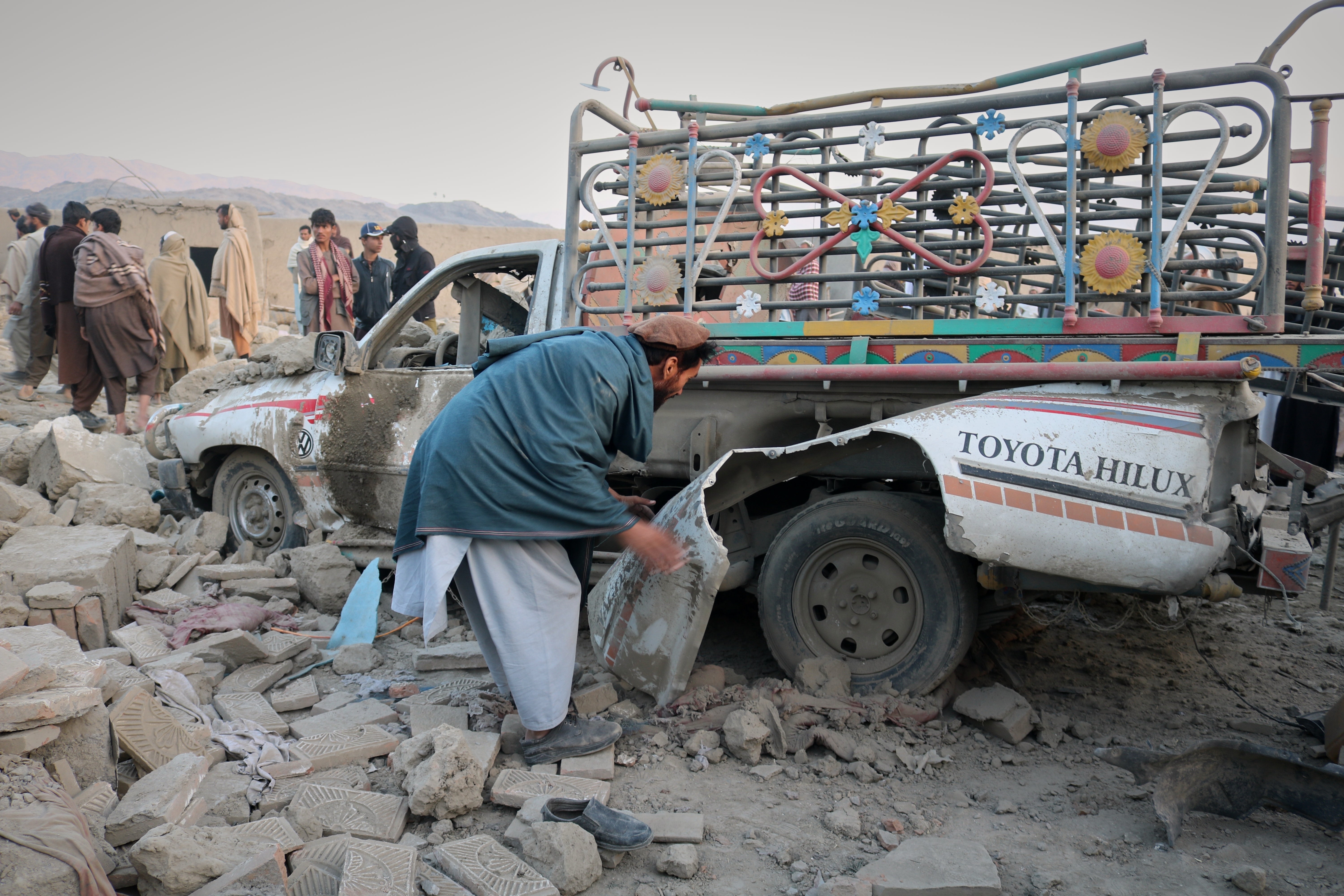
Afghanistan’s ministry of defence condemned the strikes, saying they hit a religious school and residential homes in the eastern border provinces of Nangarhar and Paktika, causing dozens of deaths and injuries, including among women and children.
Calling the raids a violation of international law and “the principles of good neighbourliness”, the Afghan defence ministry said it would respond.
“We hold the Pakistani military responsible for targeting civilians and religious sites. We will respond to these attacks in due course with a measured and appropriate response,” it said.
The strikes risk undermining a tenuous ceasefire between the South Asian neighbours, brokered after deadly border clashes in October last year left dozens of soldiers, civilians and suspected fighters dead.
Pakistan said it has repeatedly called on Afghanistan’s Taliban authorities to curb armed groups operating from Afghan soil, but that Kabul has failed to “undertake any substantive action”.
While asserting that Pakistan “has always strived to maintain peace and stability in the region”, the statement stressed that the safety and security of Pakistani citizens remains its foremost priority.
In October, the two countries declared a ceasefire after several days of intense border fighting that left dozens dead on both sides and sharply escalated regional tensions.
What sparked the latest clashes?
The recent clashes did not emerge from a vacuum.
Pakistan’s cross-border strikes followed a string of high-profile attacks at home. Just hours earlier, a suicide bomber targeted a security convoy in Bannu, in Khyber Pakhtunkhwa province, killing two soldiers, including a lieutenant colonel.
Earlier, last week, a suicide attacker, supported by gunmen, drove an explosives-filled vehicle into the wall of a security post in nearby Bajaur. The assault killed 11 soldiers and a child. Officials later identified the bomber as an Afghan national.
On 6 February, a suicide attacker set off explosives during midday prayers at the Khadija Tul Kubra mosque in Islamabad’s Tarlai Kalan neighbourhood, leaving at least 31 worshippers dead and 170 injured.
The Islamic State Khorasan Province (ISKP) claimed responsibility for the Islamabad bombing.
In Islamabad, security analyst Abdullah Khan suggested that the Pakistani strikes indicate that Qatari, Turkish, and even Saudi-led mediations have failed to resolve tensions between Pakistan and Afghanistan. “These strikes are likely to further escalate the situation,” he was quoted as saying by the Associated Press.
Is Pakistan employing a new deterrence framework?
Last year in October, analysts noted that Pakistan was finding it increasingly hard to overlook the rising fatalities caused by attacks that it claims are launched from Afghan soil.
According to the Centre for Research and Security Studies (CRSS), an Islamabad-based think-tank, more than 2,400 members of Pakistan’s security forces had been killed in the first nine months of 2025 alone, putting the country on track for its deadliest year in a decade.
Attacks had surged since the removal of former prime minister Imran Khan a few years ago. Khan’s administration had worked with the Taliban to negotiate a TTP ceasefire. While that truce collapsed during his tenure, the frequency of assaults remained comparatively lower.
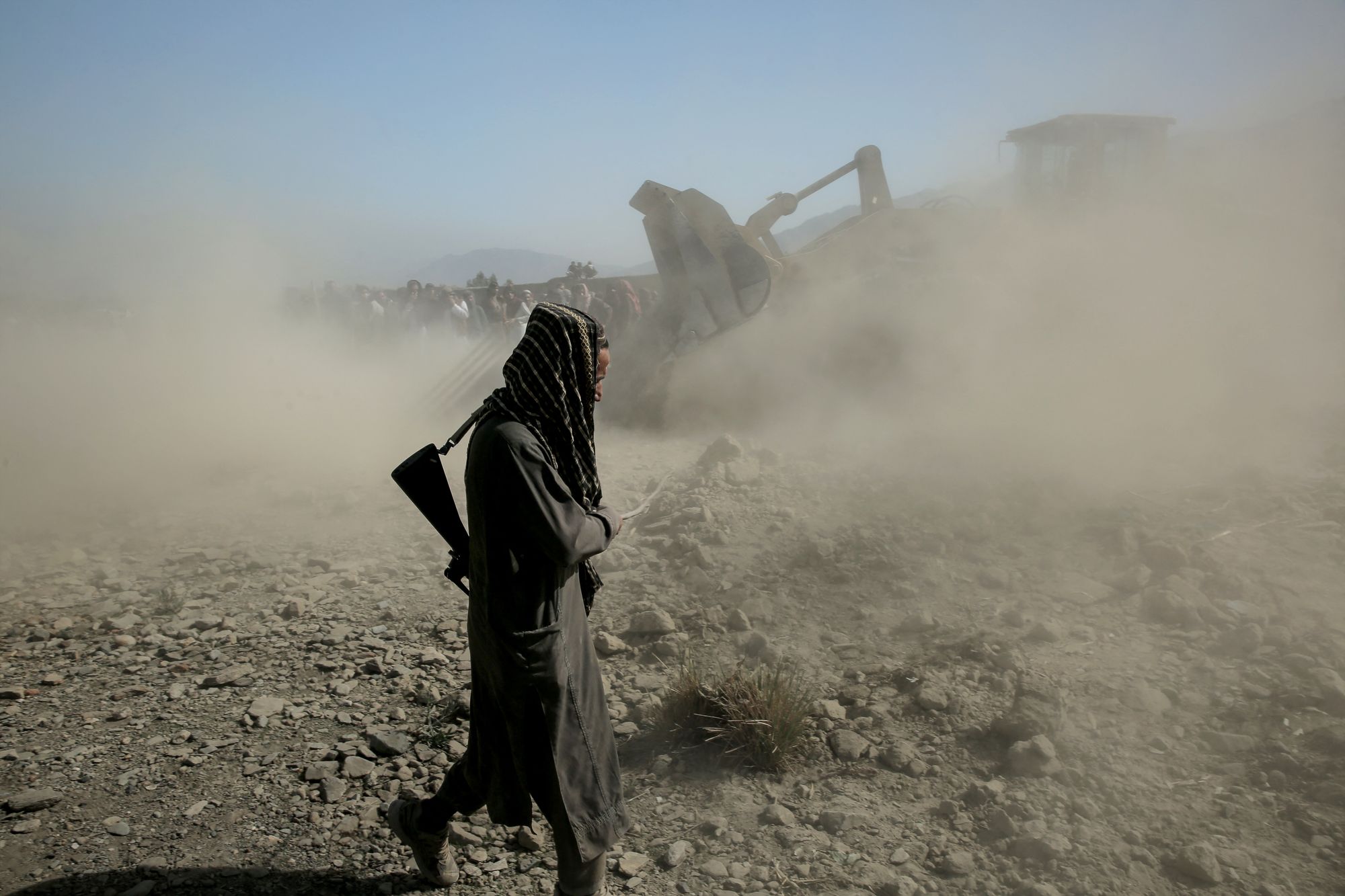
Relations worsened further as Islamabad increasingly carried out airstrikes within Afghan territory, targeting locations it said were used by TTP fighters. Analysts point to the uptick in TTP attacks on Pakistani forces as the primary trigger for the recent border clashes.
They believed that Islamabad was attempting to establish a new deterrence framework, signalling that any assault perceived to originate from Afghanistan, whether carried out by the TTP or other armed groups, will trigger consequences for Kabul.
“Any attack which emanates from Afghanistan will be responded [to] with [the] same ferocity on their territory, with Pakistan implying that [the] Afghan Taliban are facilitating such attacks in Pakistan, and thus are legitimate targets,” Abdul Basit, a scholar at the International Centre for Political Violence and Terrorism Research at Singapore’s S Rajaratnam School of International Studies, was quoted as saying by Al Jazeera, at the time.
Pakistan’s border regions have long been hotspots of conflict, dating back to 1979 when the country became a frontline state in the US-backed war against the then Soviet Union in Afghanistan.
According to the defence analyst Abdullah Khan, who is also the managing director of the Pakistan Institute for Conflict and Security Studies, the area’s instability worsened after the 9/11 attacks.
He told the Associated Press in October last year: “After the September 11 attacks, Pakistan’s tribal belt descended into chaos as the Afghan Taliban, al-Qaida and other groups operated from both sides of the border for attacks on Nato forces and Pakistani security forces.”
Tensions between the two neighbours are further compounded by Pakistan’s deportation of tens of thousands of Afghan refugees. Since the decades of conflict began, at least three million Afghans have sought refuge in Pakistan, creating additional friction between the two neighbours.
How have international leaders responded?
In October, the Pakistan-Afghanistan border clashes drew concern from regional powers, urging both sides to exercise restraint and prioritise dialogue to prevent escalation.
Iran, Qatar, and Saudi Arabia all called for diplomacy to maintain regional stability and security.
India did not comment, though Pakistan is wary of New Delhi’s engagement with the Taliban, some observers note.
Saudi Arabia’s ministry of foreign affairs said in October: “The kingdom calls for restraint, avoiding escalation, and embracing dialogue and wisdom to contribute to reducing tensions and maintaining security and stability in the region.
“The kingdom affirms its support for all regional and international efforts aimed at promoting peace and stability and its continued commitment to ensuring security, which will achieve stability and prosperity for the brotherly Pakistani and Afghan peoples,” it added.
Iranian foreign minister Abbas Araghchi said at the time: “Our position is that both sides must exercise restraint,” and added that “stability” between the two countries “contributes to regional stability”.
Qatar’s ministry of foreign affairs also urged “both sides to prioritise dialogue and diplomacy, exercise restraint, and work to contain the disputes in a way that helps reduce tension, avoids escalation, and contributes to regional peace and stability”.
China also called for safeguarding its citizens and investments, Russia urged both sides to exercise restraint, and US president Donald Trump suggested he could step in to help resolve the conflict.
How is India involved?
In October, the clashes coincided with Taliban foreign minister Amir Khan Muttaqi’s first visit to India since the group returned to power.
Kabul-based analyst Ibraheem Bahiss of the International Crisis Group suggested that Muttaqi’s high-profile reception in India was “probably a factor in the ultimate decision by the Pakistan Army to escalate in the major way that we saw”.
Following the visit, The Hindu reported that Pakistan summoned the Afghan ambassador to express its “strong reservations” regarding the India-Afghanistan joint statement, in which both countries “unequivocally condemned all acts of terrorism emanating from regional countries”.
From the mid-1990s until recent years, India had regarded the Taliban as a proxy for Pakistan’s intelligence services, holding the group and its allies responsible for deadly assaults on Indian diplomatic missions in Afghanistan.
However, following the Taliban’s return to power and amid growing tensions between Kabul and Islamabad, India has pursued a series of diplomatic engagements with the new Afghan leadership, culminating in Mr Muttaqi’s visit.
“Pakistani media has been furious over Muttaqi’s visit to India,” Afghan content creator Pathan Bhai said in a video, according to India Today.
What were the official responses to the clashes?
Afghanistan’s defence ministry denounced the attacks as a blatant violation of its sovereignty and a breach of international law, stating that “an appropriate and measured response will be taken at a suitable time”.
Meanwhile, the foreign ministry said it had summoned Pakistan’s ambassador over what it described as violations of Afghan airspace and the targeting of civilians, labelling the strikes “a provocative act”.
What happens next?
Although TTP’s presence remains a key irritant for Pakistan, analysts believe the recent Pakistan-Afghanistan border clashes are unlikely to escalate into a larger conflict. Afghanistan lacks conventional military strength compared with Pakistan, and both sides appear focused on de-escalation at the moment.
However, the border is expected to stay tense for the foreseeable future, as Pakistan has signalled it will continue taking action against militants it claims are crossing from Afghanistan to target its security forces.
Join our commenting forum
Join thought-provoking conversations, follow other Independent readers and see their replies
Comments
Bookmark popover
Removed from bookmarks