Duterte says too ‘old, tired and frail’ to appear in person as international court starts drug war trial
Pre-trial hearing will continue over next four days to confirm charges against him
Former Philippine president Rodrigo Duterte will not be present at pre-trial hearings in his case of alleged crimes against humanity which is set to begin on Monday.
Mr Duterte, 80, was arrested in Manila and flown to The Hague last year to face trial at the International Criminal Court (ICC) for his alleged role in the anti-drugs crackdown in the Philippines which resulted in the death of thousands of people.
The pre-trial hearing at the ICC will begin on Monday and continue over the next four days to confirm the charges against him and to proceed to a trial.
Judges at the ICC granted the request by Mr Duterte's defence to waive his right to attend the hearings, even though they said the reasons given for the absence were "speculative".
The lawyers for the former president said he won't be able to attend the hearings due to his cognitive decline and argued that he was “old, tired and frail” and experiencing memory loss. Mr Duterte said that the "claim that I oversaw a policy of extrajudicial killings is an outrageous lie”.
This comes after judges at the Hague-based war crimes court last month ruled that Mr Duterte was fit to attend hearings, as independent medical experts had found that he would be able to understand and participate in his case.
Prosecutors at the ICC have charged Mr Duterte with three counts of crimes against humanity, accusing him of direct responsibility for at least 76 killings between 2013 and 2018.
However, the actual number of killings during his anti-drug crackdown is widely believed to run into the thousands. Lawyers for victims say a full trial could prompt many more families to step forward.
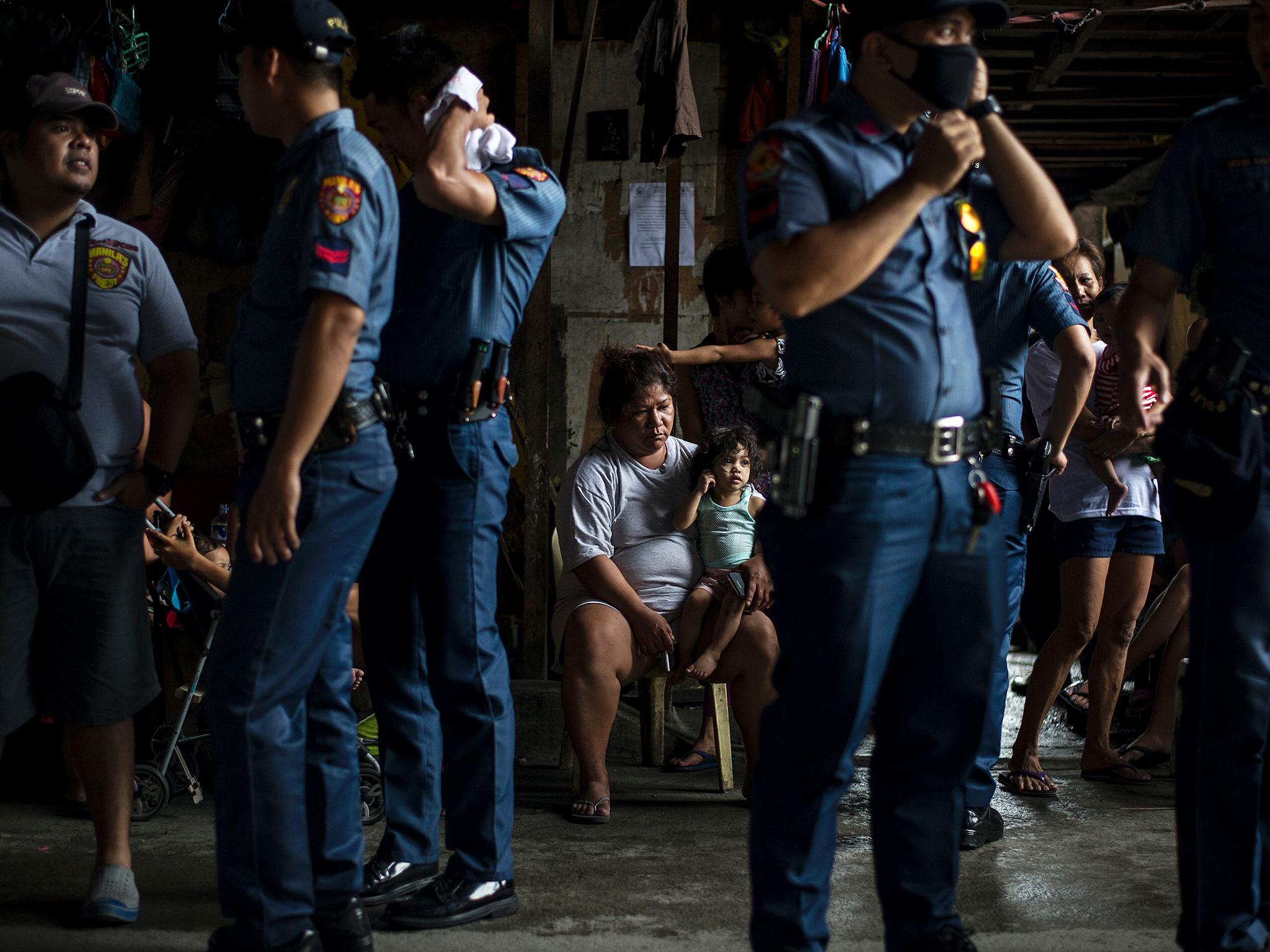
According to police, 6,200 suspects were killed during anti-drug operations under Mr Duterte's presidency. But activists say the real toll was far higher and the ICC prosecutor has said as many as 30,000 people may have died.
Mr Duterte, who served as president of the Philippines from 2016 to 2022, is accused by prosecutors of creating, funding and arming death squads as part of his war on drugs — a campaign in which thousands of alleged dealers and users were killed. Mr Duterte has long insisted he instructed police to kill only in self-defence and has always defended the crackdown.
Last week, Mr Duterte in a statement, described his arrest as a “kidnapping”, which he claimed was facilitated by president Ferdinand Marcos Jr. He said he was “forcibly pushed into a jet and renditioned to The Hague in the Netherlands in flagrant contravention” of the Philippines’ constitution and national sovereignty."
“I have accepted the fact that I could die in prison. But those that desire this fate for me should know that my heart and soul will always remain in the Philippines,” he said.
But families of those killed during the war on drugs have pushed for justice. “He should face everything he did to us and to the families of the [other] victims,” said Sarah Celiz, 61, whose two sons, Almon and Dicklie, were killed in 2017.
“He never showed us any mercy,” Ms Celiz said, her voice unflinching after years of campaigning to see Duterte in prison. “My son begged for his life, but they showed none. So why should we show him mercy? No," she was quoted by The Guardian as saying.
Human Rights Watch said the pre-trial hearing was “a critical step in ensuring justice for victims of the Philippines’ so-called war on drugs”.
The first of the three counts against the former president centres on his alleged role as a co-perpetrator in 19 killings carried out between 2013 and 2016, when he was mayor of Davao City. The second charge relates to 14 murders of so-called “high value targets” in 2016 and 2017, by which time he had ascended to the presidency.
The third count covers 43 deaths during so-called “clearance operations” targeting lower-level alleged drug users and pushers across the Philippines between 2016 and 2018.
The pre-trial hearing will assess whether prosecutors have presented enough evidence to establish “substantial grounds” to believe Mr Duterte committed crimes against humanity. Proceedings are set to conclude on Friday, with judges expected to issue a written decision within 60 days. If the charges are confirmed, the case will proceed to a full trial.
Join our commenting forum
Join thought-provoking conversations, follow other Independent readers and see their replies
Comments
Bookmark popover
Removed from bookmarks