Thailand accuses US of rushing Cambodia ceasefire deal to suit Trump’s schedule
Thailand’s foreign minister blames ‘rushed’ ceasefire brokered by Trump for collapse of truce
Thailand and Cambodia have agreed to restart ceasefire talks after their intense border clashes entered a third week on Monday.
At least 74 people have been killed, and more than half a million displaced since fighting broke out along their 800km contested border on 8 December.
It marked the second round of fighting between the two Southeast Asian neighbours in less than six months after US president Donald Trump, Malaysia and China helped broker an earlier ceasefire.
Thailand's foreign minister Sihasak Phuangketkeow said the July ceasefire was "rushed”. "We were sometimes in a rush because the US wanted it signed by the visit of President Trump," he said. "A ceasefire cannot just be declared, it needs a discussion," he added, saying Bangkok wanted a "true ceasefire" with a firm commitment from Cambodia.
On Monday, foreign ministers from the two countries held a special meeting in Kuala Lumpur, Malaysia, their first face-to-face summit since the new clashes began, on the sidelines of a summit for the Asean bloc of southeast Asian nations.
The two countries’ defence ministers are expected to meet for further talks later this week.
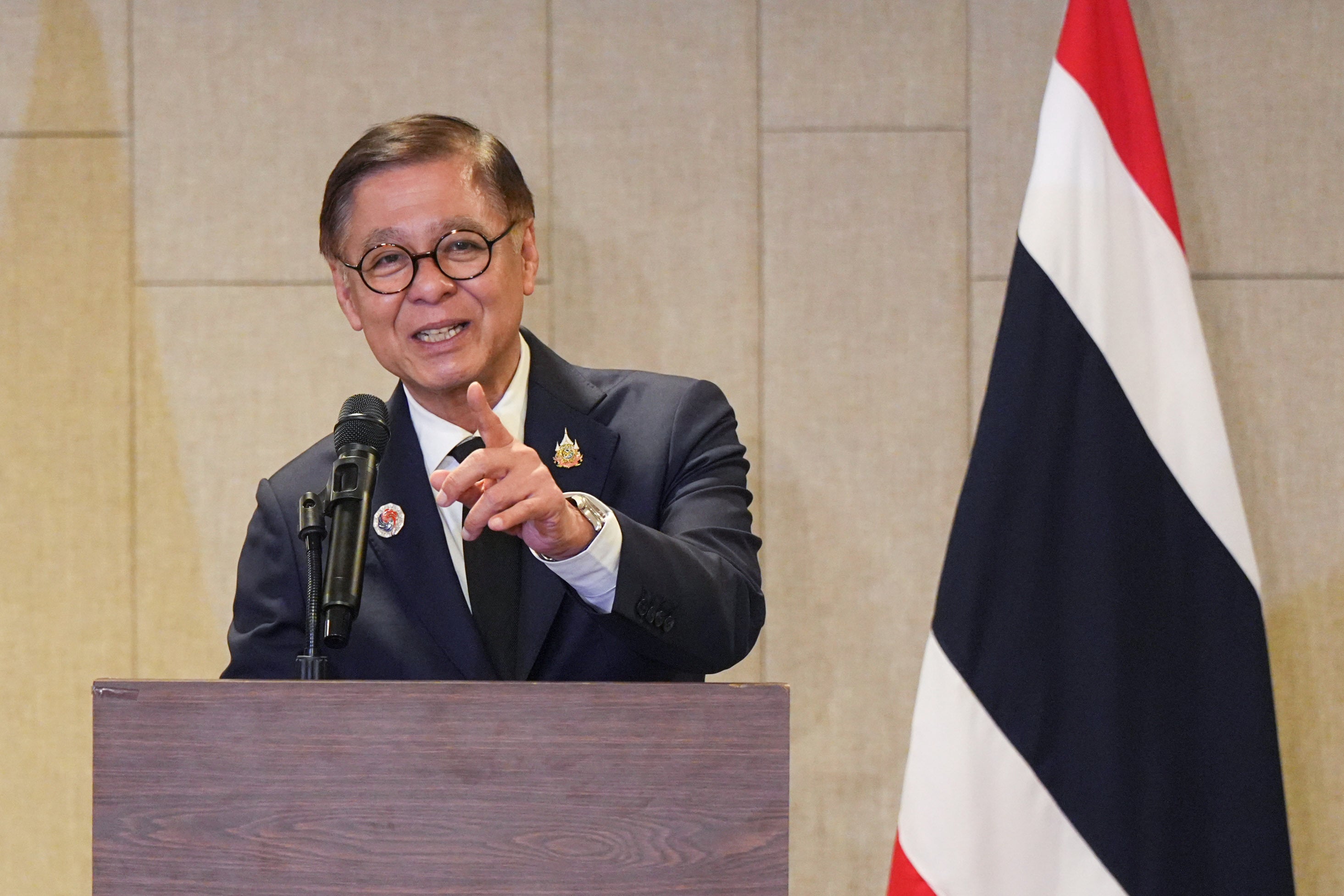
Thailand said a detailed plan needs to be implemented, adding that de-mining was necessary to move the process forward.
Mr Phuangketkeow confirmed that a meeting between the military officials of both countries would take place on 24 December in order to work towards a ceasefire agreement.
He said neither the US nor China was involved in the decision for the two countries to resume discussions later this week, adding it was about Thailand and Cambodia "working things out".
In opening the Asean (Association of Southeast Asian Nations) meeting, Malaysia's foreign minister urged the bloc to play a more prominent role in halting the conflict.
"Asean must do whatever is necessary to maintain regional peace and stability," Mohamad Hasan said.
"Our goal goes beyond de-escalating the tension. We must intensify trust-building among the conflicting parties and provide the horizons for dialogue despite the prevailing differences."
The meeting represented the first step in talks for a potential ceasefire since the clashes started. Bangkok has taken a hardened stance towards negotiations, while Phnom Penh publicly said it is ready for an unconditional ceasefire.
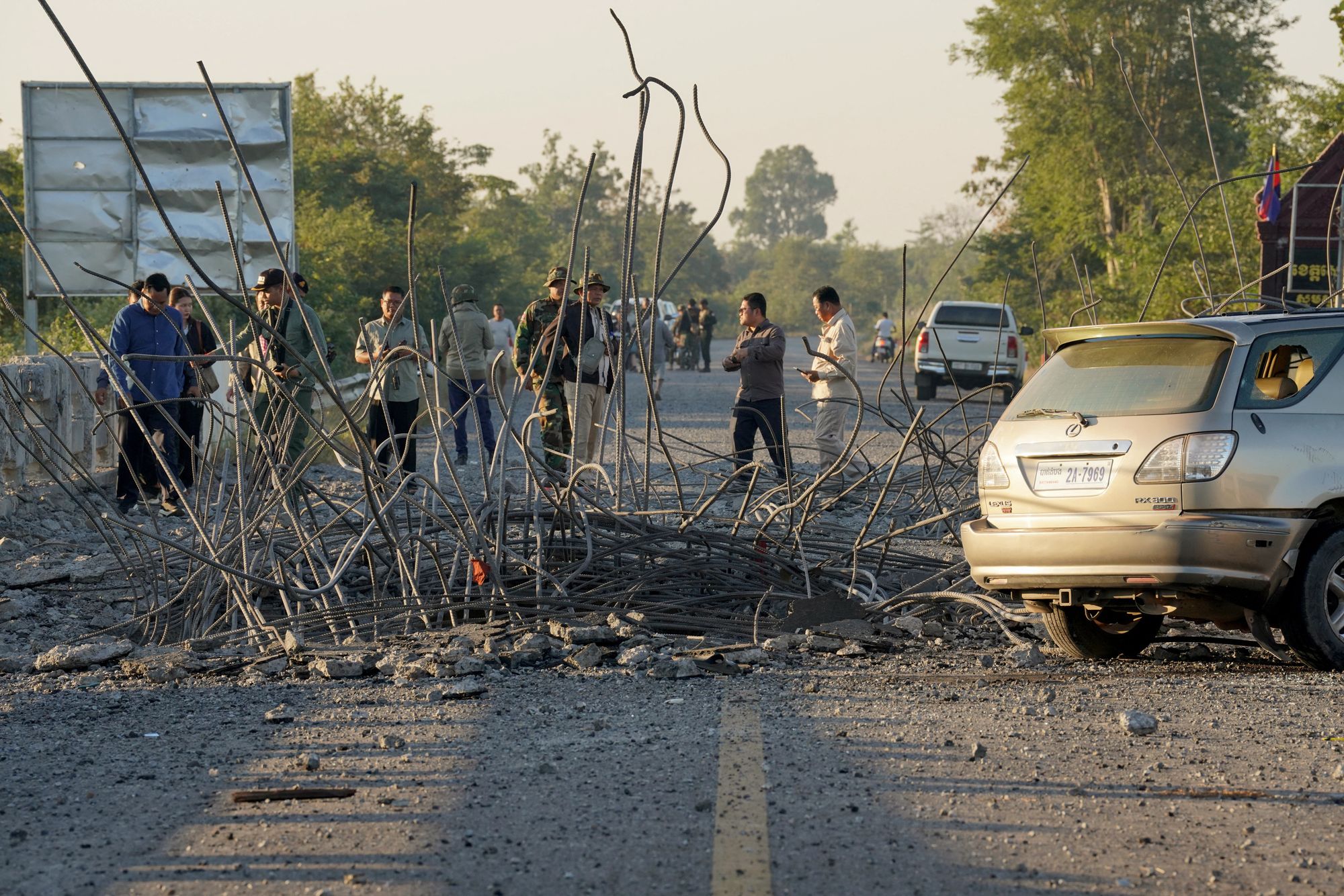
Meanwhile on Monday Cambodia’s interior ministry said that a Chinese national had been injured in shelling by the Thai military.
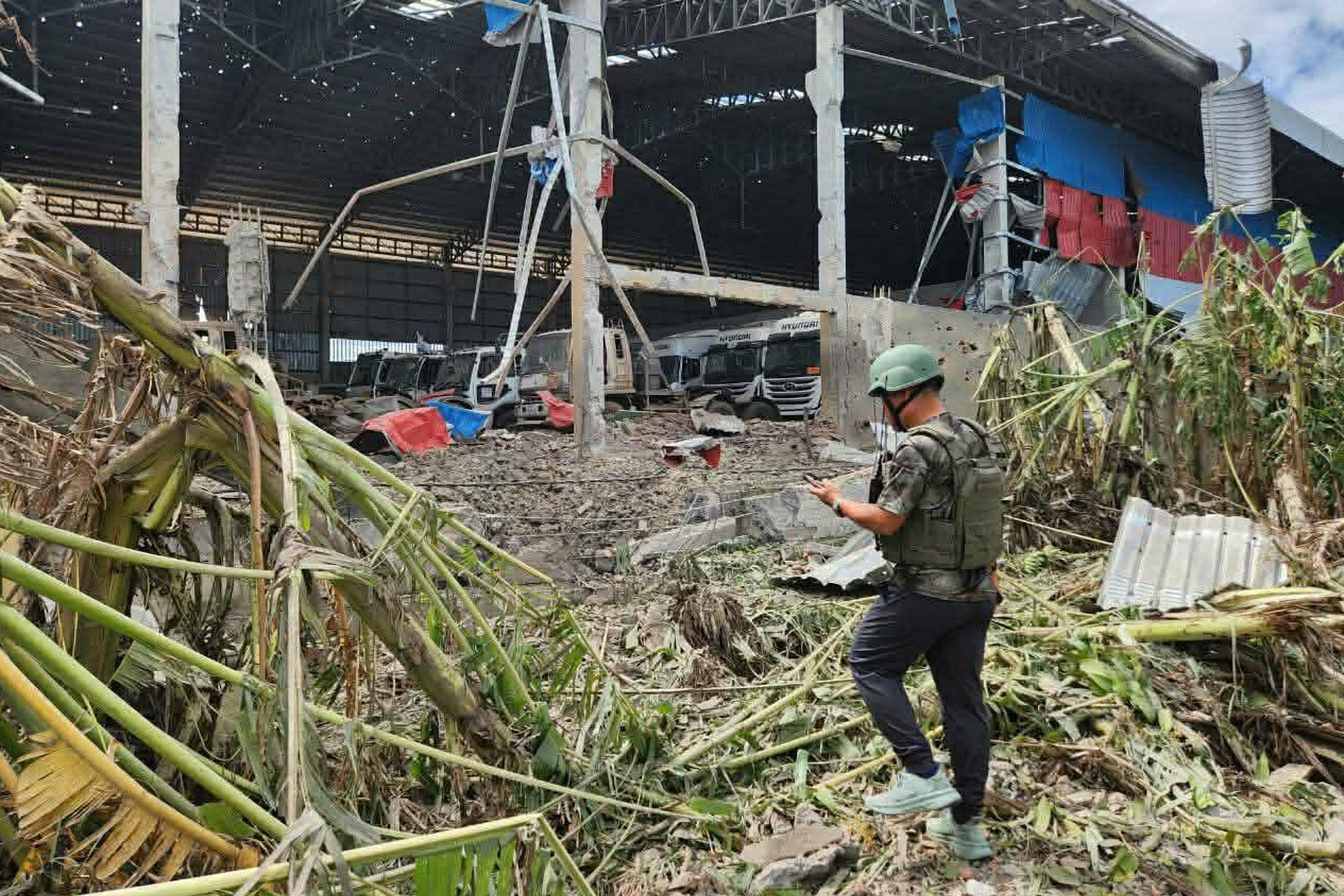
It said Thai forces fired “artillery shells into civilian areas” of Cambodia’s border province of Battambang.
The shelling led to “one civilian house being completely destroyed and one Chinese national being injured”, the ministry added.
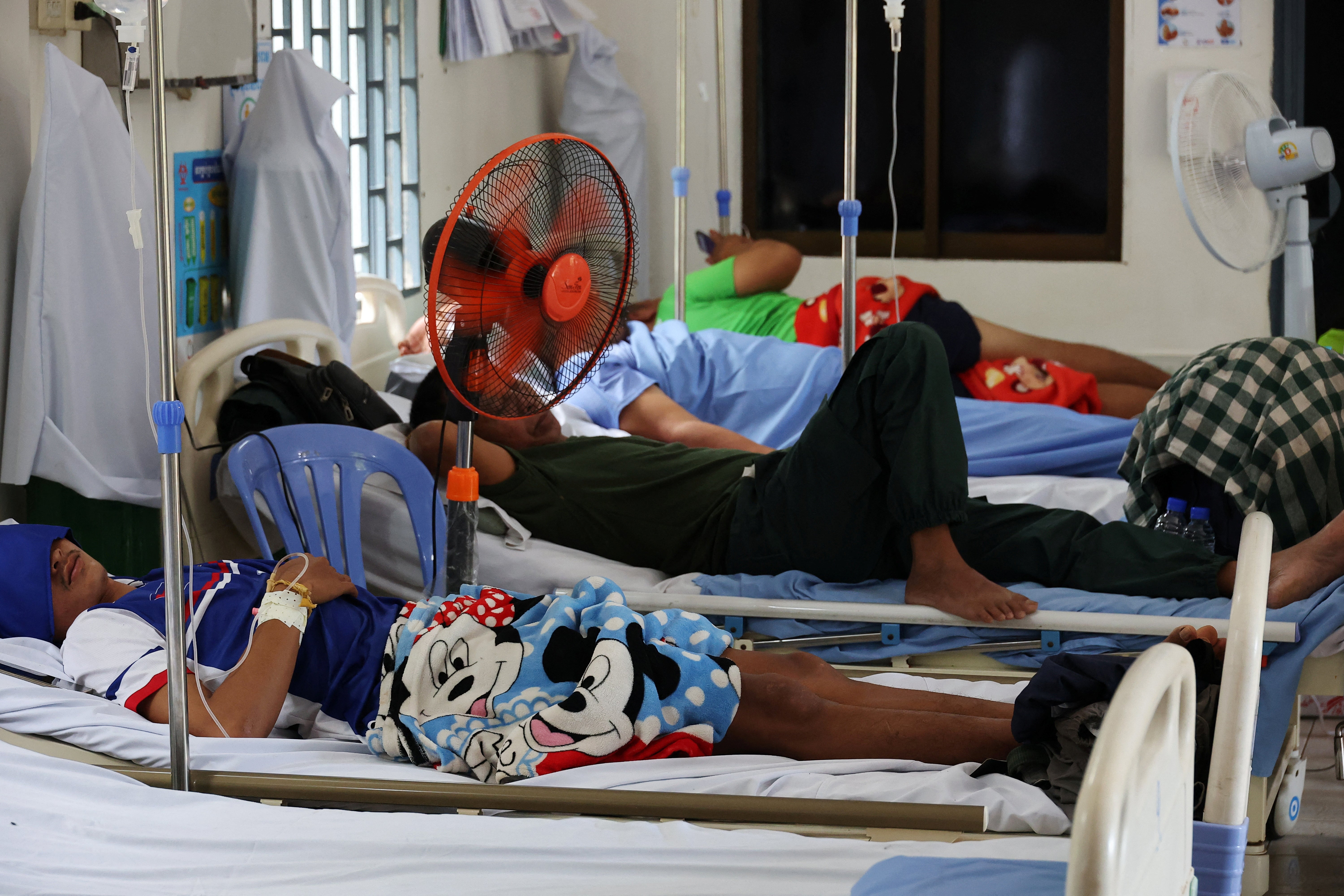
Cambodia confirmed the deaths of at least 19 civilians, and said 79 have been injured. It added that 510,000 people have been displaced.
Thailand’s defence ministry said 34 Thai civilians have been killed and 21 Thai soldiers in the fighting so far this month.
The renewed clashes have been med with international alarm. The US State Department on Sunday released a statement calling for Thailand and Cambodia to "end hostilities, withdraw heavy weapons, cease emplacement of landmines, and fully implement the Kuala Lumpur Peace Accords, which include mechanisms to accelerate humanitarian demining and address border issues."
On Monday, Chinese foreign ministry spokesperson Lin Jian said Beijing has been working to mediate in the conflict in its own way since the fighting began this month.
China’s special envoy for Asian affairs, Deng Xijun, traveled to Phnom Penh last week to discuss the conflict. Mr Deng said China would continue to play a constructive role in mediation.
The foreign ministry spokesperson added that China would release information on the mediation conducted by Mr Deng "in due course".
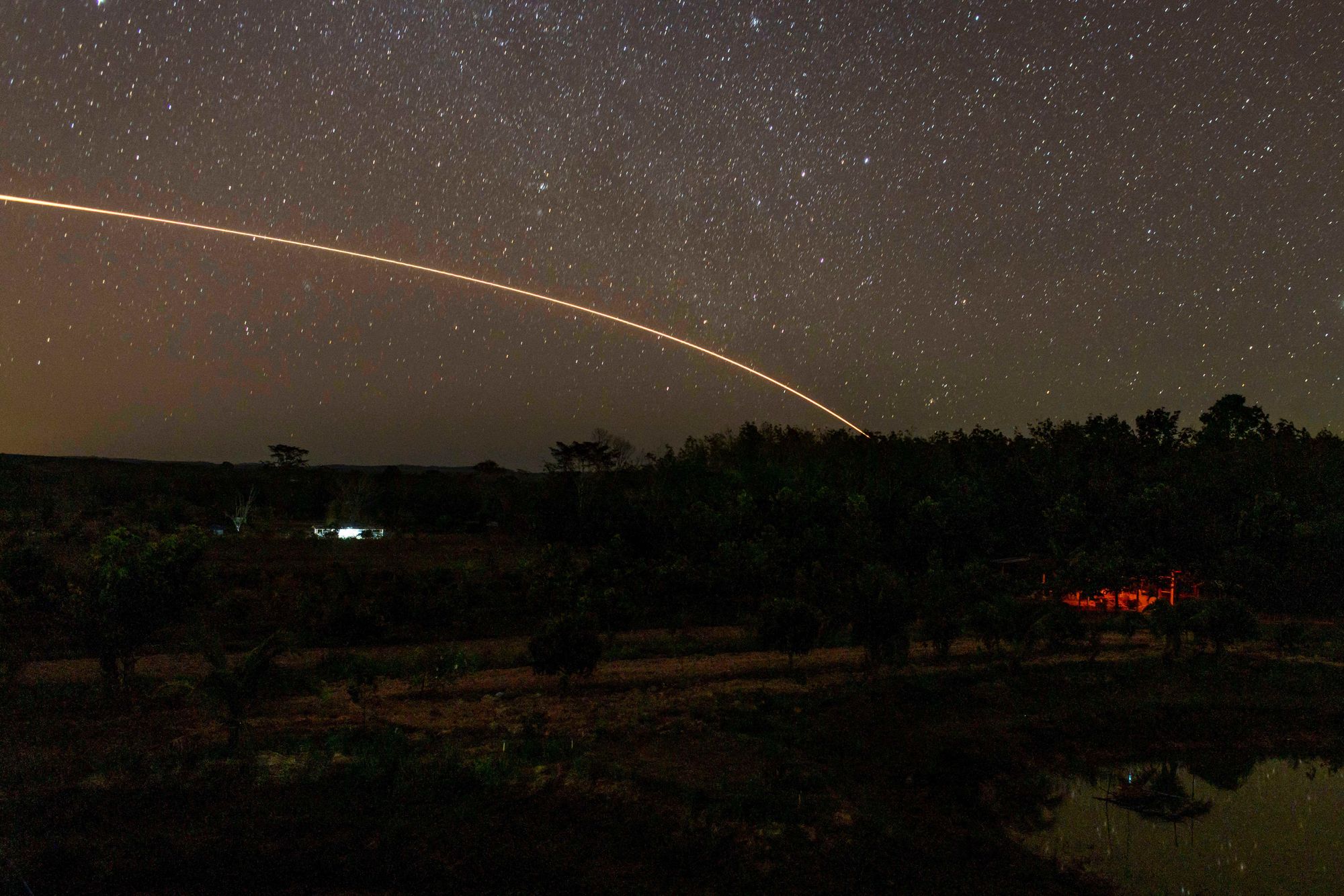
Since then, fighting has broken out on several fronts, with Thailand carrying out airstrikes inside Cambodia using F-16 fighter jets, while Cambodia has fired thousands of medium-range BM-21 rockets from truck-mounted launchers capable of firing up to 40 rockets simultaneously.
Under the October truce, Thailand was to release 18 Cambodian soldiers held prisoner, and both sides were to begin withdrawing heavy weapons and removing landmines along the border.
However, the agreement quickly unravelled amid a bitter propaganda war and sporadic cross-border violence.
Landmine explosions have proved a particularly sensitive issue for Thailand, which has lodged several protests after alleging that Cambodia laid new mines that wounded soldiers patrolling the frontier. Cambodia has insisted the mines were remnants of its decades-long civil war, which ended in 1999.
"These were clearly newly planted landmines, and this was confirmed by the Asean observer team," Mr Sihasak said Monday, calling it a "clear violation" of the October agreement.
The Thai navy said on Sunday that one of its marines on the front line sustained serious injuries to his right leg after stepping on a landmine.
It also said it had discovered a large cache of abandoned weapons and explosive ordnance while securing an area it described as a Cambodian stronghold, which it said pointed to “deliberate planning and the intentional use of anti-personnel landmines” against Thai troops.
Cambodia is yet to respond to the allegations.
Join our commenting forum
Join thought-provoking conversations, follow other Independent readers and see their replies
Comments
Bookmark popover
Removed from bookmarks