Climate change is coming for some of our favorite vices
Top grape, coffee and chocolate growing regions in western Europe, South America and West Africa under threat
Some of our favorite vices may be gone for good in the coming decades due to the climate crisis, researchers warned this week.
Wine, coffee and chocolate, vital products in many economies, are increasingly threatened by the effects of human-caused climate change.
And a new study shows that even an ambitious idea to curb heat – pumping gas into the sky in an attempt to cool the Earth’s surface – won’t be able to save them, Dr. Ariel Morrison, from Colorado State University, said.
“Reducing temperature with Stratospheric Aerosol Injection (SAI) alone isn’t enough,” she explained in a statement.
“For instance, cacao species, while more tolerant of hot temperatures than coffee and grapes, are highly susceptible to pests and diseases caused by a combination of high temperatures, rainfall, and humidity,” Morrison added.

Natural fluctuations in Earth’s climate are also a factor that could lead to a wide range of unknown outcomes and further affect crops.
”SAI climate intervention may offer temporary relief from rising temperatures in some regions, but it is not a guaranteed fix for the challenges facing luxury crop farming,” Morrison said.
Volcanic inspiration
Stratospheric Aerosol Injection was first proposed in the 1970s by Russian climatologist Mikhail Budyko. The method would mimic a volcano, shooting sulfur dioxide into the stratosphere where it forms sunlight-reflecting aerosolized sulfate particles.
Climate scientists are divided over the method’s potential effectiveness. Recent research from the University of Colorado found that particles reflecting the sunlight could indirectly make marine clouds brighter and more reflective as well.

The harsh reality
When Stratospheric Aerosol Injection was modelled over top grape, coffee and chocolate growing regions in western Europe, South America and West Africa between 2036 and 2045, the hypothetical idea failed to consistently preserve conditions needed for the crops.
While the strategy lowered surface temperatures in climate simulations, only six of 18 analyzed regions showed reliable improvement compared to a scenario without it, the new study noted.
Part of the reason comes down to precipitation. A warmer atmosphere holds more moisture and though the cooling method could bring temperatures down, it may not reliably manage floods and humidity.
More extreme rainfall and flooding events are already hurting the crops.
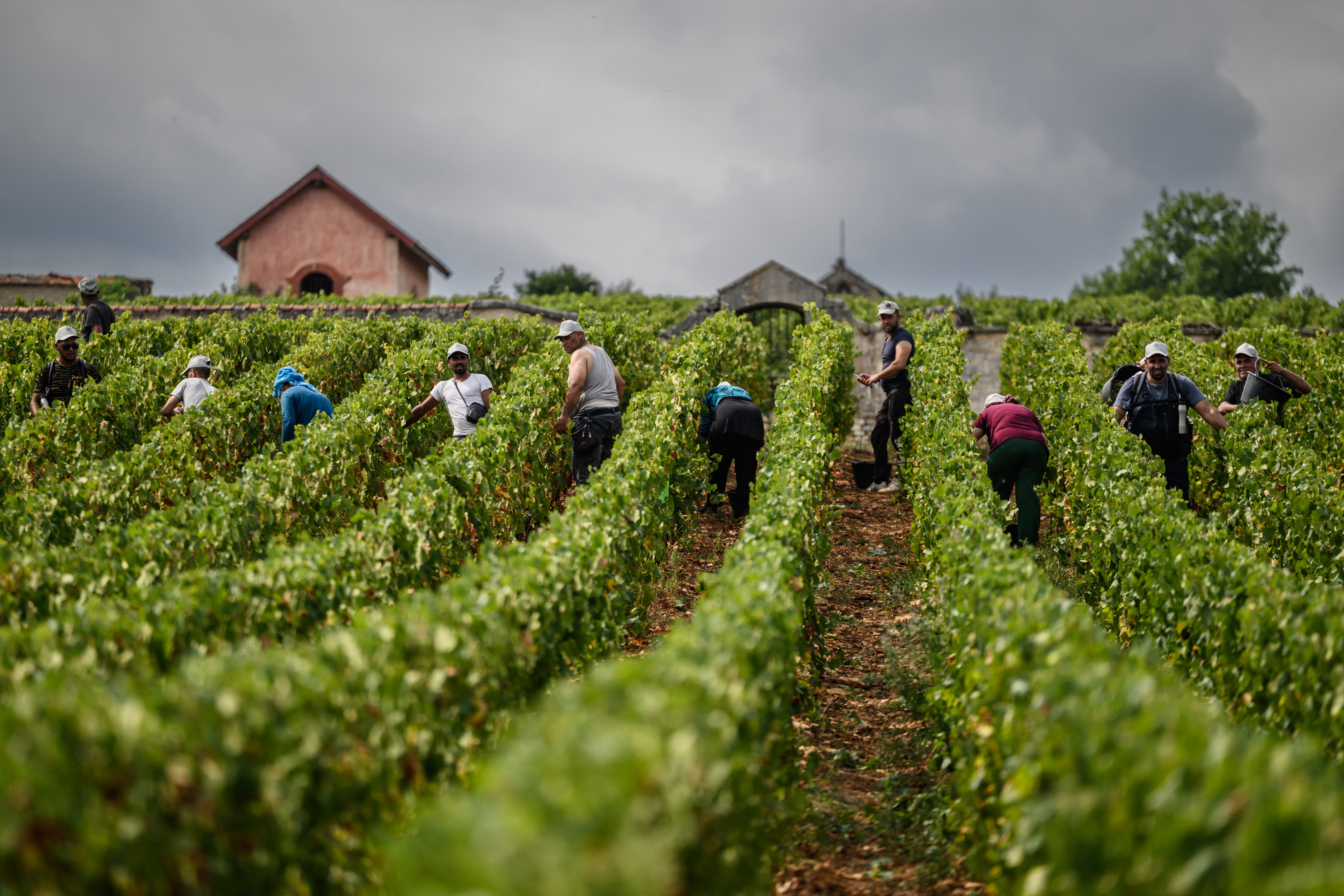
Wine-making grapes are increasingly threatened by disease, drought, floods and wildfires, made more frequent and severe because of climate change. The grapes can become more acidic, discolored and alcohol levels may increase.
Coffee plants face similar threats, with extreme weather disrupting the time for the plants to flower and bear fruit, and bean quality degraded by high temperatures.
And cocoa beans have been hit by drought, affecting holidays in the U.S. where chocolate sales typically spike.
It’s because of this uncertainty that Morrison says local communities should look at adaptions that are specific to them.
“Adaptation strategies tailored to local conditions, investment in resilient agricultural practices and global cooperation are essential to saving these crops and the communities that depend on them,” she said.
Join our commenting forum
Join thought-provoking conversations, follow other Independent readers and see their replies
Comments
Bookmark popover
Removed from bookmarks