Iceland records hottest Christmas Eve on record as temperatures near 20C
Average December temperatures in Iceland typically range between -1C and 4C
Iceland recorded its warmest Christmas Eve on record after temperatures reached 19.8C in the eastern town of Seyðisfjörður, an unprecedented figure for December in the North Atlantic island nation.
The temperature was recorded at 11am local time on 24 December, surpassing the previous December record of 19.7C, set in 2019, meteorological authorities said. Average December temperatures in Iceland typically range between -1C and 4C.
The Icelandic Meteorological Office said the unusually warm conditions were caused by an influx of warm, moist air of tropical origin combined with strong winds and local terrain effects in the fjord region.
Meteorologist Einar Sveinbjörnsson wrote on Facebook another station recorded temperature of over 19C.
“This is false warmth. Another station in Seyðisfjörður, north of the base of the fjord in Vestdalur, was operating for most of this evening and measured a maximum temperature of 19.4 degrees.”
The Seyðisfjörður reading was confirmed as the highest December temperature officially recorded in Iceland. A similarly high temperature of 19.7C was also measured on Christmas Eve in Bakkagerði, another eastern settlement.
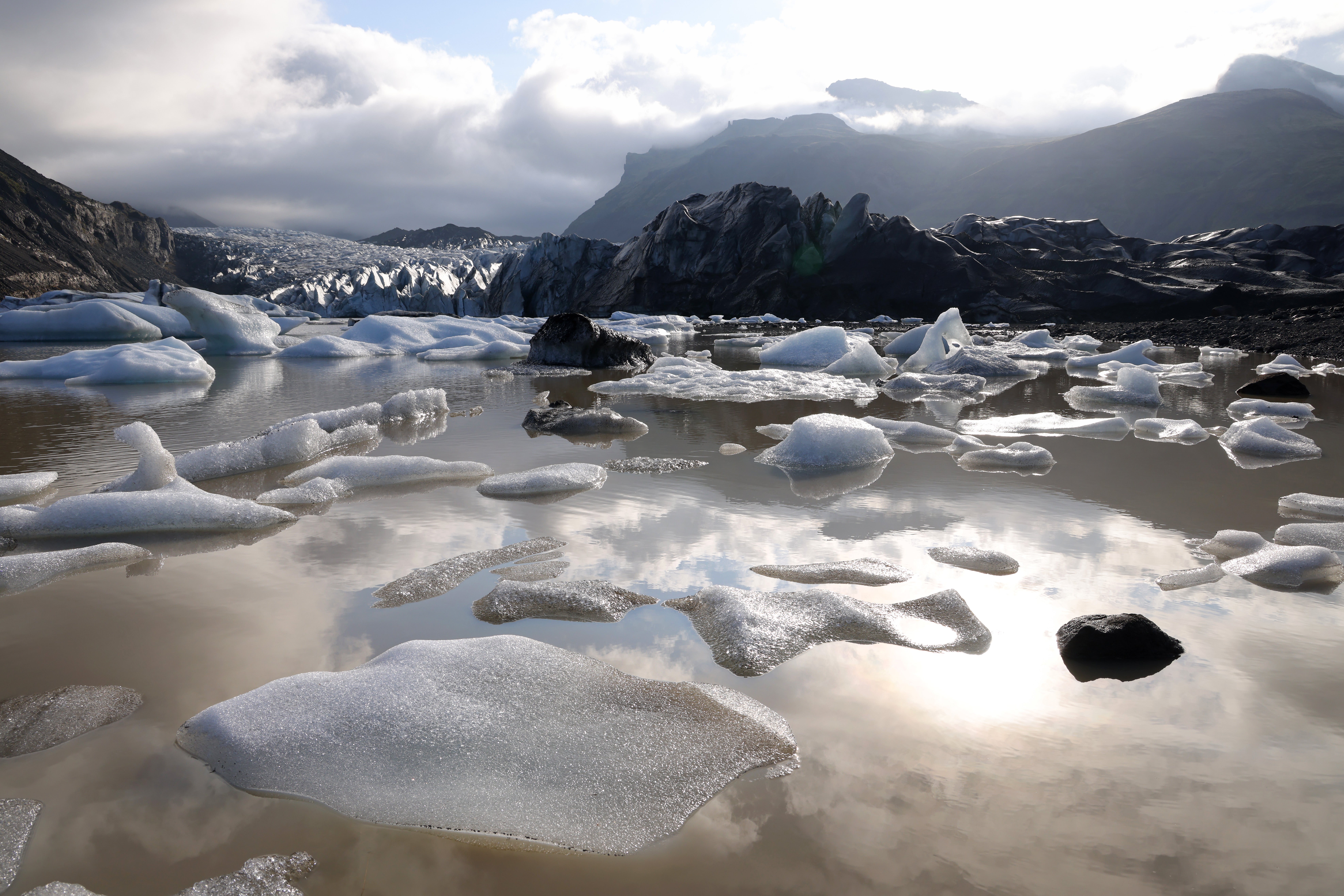
Scientists say such temperature spikes are becoming more frequent as Iceland warms rapidly. The Arctic region is heating more than twice the global average, and Iceland has seen repeated temperature records broken in recent years.
In May this year, large parts of the country experienced record-breaking heat, with some areas running 3C to 4C above normal. Temperature records were set at 94 per cent of Iceland’s automatic weather stations that have been operating for more than two decades, with a national high of 26.6C recorded at Egilsstaðir airport.
The warming has already begun to alter Iceland’s environment. Earlier this year, mosquitoes were recorded in Iceland for the first time, a development scientists have linked to rising temperatures making the country more hospitable to insects. Until then, Iceland was one of only two places on Earth, along with Antarctica, without a mosquito population.
Glaciers across the country are also retreating, while fish species typically found in warmer southern waters, such as mackerel, have increasingly been detected in Icelandic seas.
Meteorologists have stressed the frequency and intensity of record-breaking temperatures are consistent with long-term global warming driven by greenhouse gas emissions from fossil fuels and other human activities.
Join our commenting forum
Join thought-provoking conversations, follow other Independent readers and see their replies
Comments
Bookmark popover
Removed from bookmarks