Japan moves to evacuate millions of people as torrential rain triggers flooding and landslides
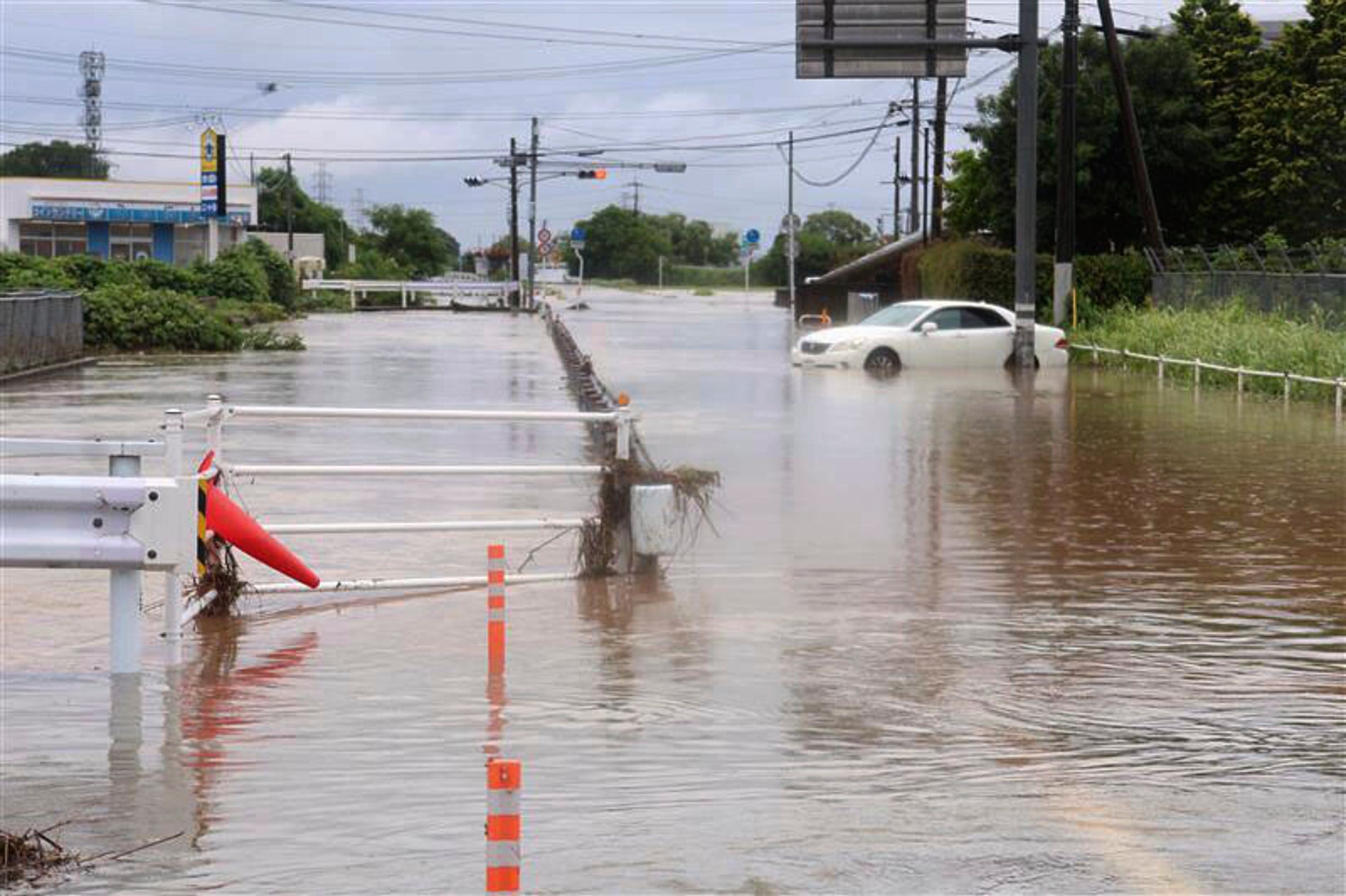
Streets and neighbourhoods in Kumamoto prefecture on Kyushu submerged under about a metre of water
Torrential rain triggered severe flooding and landslides across Japan’s Kyushu region on Monday, forcing authorities to call for the evacuation of millions of residents.
In Kumamoto prefecture on Kyushu, Japan’s southernmost main island, streets and neighbourhoods were submerged under about a metre of water, with rivers overflowing, vehicles swept away, and infrastructure heavily damaged, according to The Japan Times.
Several people remained missing as rescue efforts continued on Monday.
Tamana city in Kumamoto saw a record-breaking downpour of 37cm in just six hours, according to the Japan Meteorological Agency.
While the highest-level rain alert was downgraded later in the day, officials warned that the saturated ground remained highly unstable, increasing the risk of further landslides.
The Fire and Disaster Management Agency said more than three million people were under evacuation advisories, including hundreds of thousands facing Japan’s most urgent warning level.
There are reports of missing individuals in both Kumamoto and neighbouring Fukuoka prefecture, according to Japan's broadcaster NHK.
In Kosa town, a man disappeared after a landslide reportedly struck near his home, while in Misato, emergency teams struggled to reach an elderly resident trapped by debris.
“Rain was so heavy that I couldn’t see what’s in front of me for four to five hours,” Misato town official Kazuhiro Masunaga was quoted as saying by The Japan Times.
Japan’s prime minister, Shigeru Ishiba, ordered an assessment of the damage and the mobilisation of government resources as sections of Kyushu’s high-speed rail network continued to be disrupted.
Extreme rainfall events like this are becoming more frequent in Japan due to a combination of seasonal weather patterns and the effects of climate change, experts believe. In mountainous regions such as Kumamoto, the risk is heightened – steep slopes combined with waterlogged soil can quickly collapse, setting off dangerous landslides.
Join our commenting forum
Join thought-provoking conversations, follow other Independent readers and see their replies
Comments
Bookmark popover
Removed from bookmarks