Why the deadliest animal on earth is being forced to feed more on humans
Researchers say findings can help guide disease prevention efforts
Mosquitoes are biting humans more often as biodiversity loss leaves them with fewer animals to feed on, according to new research that warns how this change may be exposing people to more disease-carrying insects.
The findings come from Brazil’s Atlantic Forest, one of the world’s most biodiverse regions, where scientists say mosquitoes are now far more likely to feed on people than wildlife, even inside protected forest areas.
Researchers say the shift seems to be linked to habitat loss. As deforestation and human activity shrink forest ecosystems, many animals are disappearing, leaving mosquitoes with fewer sources of blood and pushing them closer to people.
“Here we show that the mosquito species we captured in remnants of the Atlantic Forest have a clear preference for feeding on humans,” said Jeronimo Alencar, the study’s senior author from the Oswaldo Cruz Institute in Rio de Janeiro.
“This is crucial because in an environment like the Atlantic Forest with a great diversity of potential vertebrate hosts, a preference for humans significantly enhances the risk of pathogen transmission,” said Sergio Machado from the Federal University of Rio de Janeiro.
To understand what mosquitoes were feeding on, the researchers captured the insects from two natural reserves in the state of Rio de Janeiro. In the laboratory, they analysed the blood inside female mosquitoes that had recently fed, using DNA sequencing to identify which animals it came from.
As many as 145 of the 1,714 mosquitoes studied had fed on blood and the researchers were able to identify the sources of blood from 24 of them. Those meals came from 18 different humans, six birds, one amphibian, one dog, and one mouse. Some mosquitoes had fed on more than one species.
“With fewer natural options available, mosquitoes are forced to seek new, alternative blood sources. They end up feeding more on humans out of convenience as we are the most prevalent host in these areas,” Mr Machado explained.
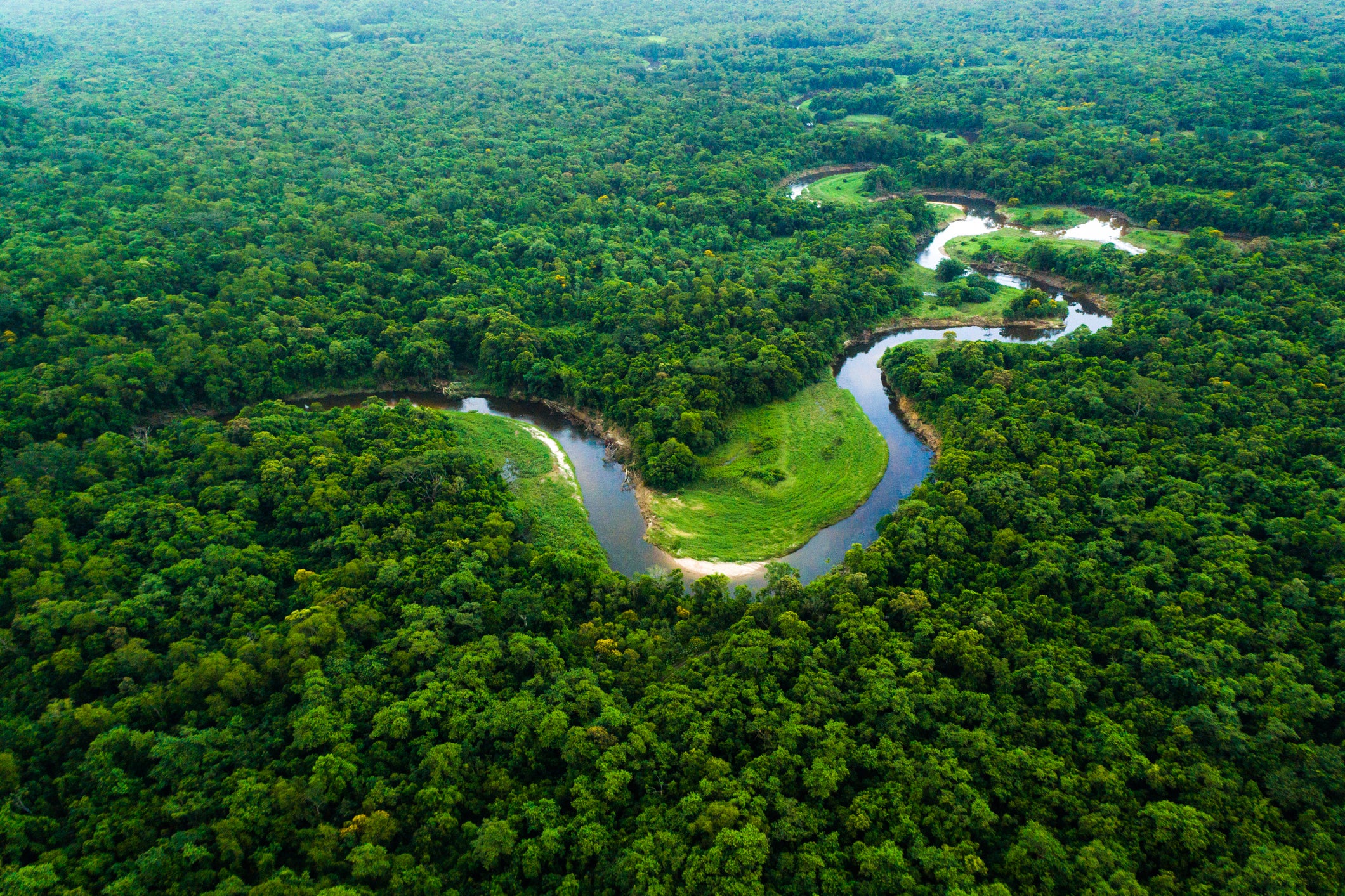
The Atlantic Forest once stretched along much of Brazil’s coastline and supported hundreds of species of birds, mammals, reptiles and amphibians. Now only about a third of its original area remains intact.
Mosquitoes in the region are known to transmit viruses responsible for yellow fever, dengue, chikungunya, Zika, Mayaro, and Sabiá, all of which pose serious health risks. Researchers warn that increased contact between mosquitoes and people can make outbreaks more likely.
The study also highlights gaps in current knowledge. Fewer than 7 per cent of captured mosquitoes had fed recently, and blood sources could only be identified in about 38 per cent.
Mixed blood meals were particularly difficult to analyse, suggesting more detailed studies were needed.
Even so, the researchers say the findings can help guide disease prevention efforts.
“Knowing that mosquitoes in an area have a strong preference for humans serves as an alert for transmission risk,” Mr Machado said.
“This allows for targeted surveillance and prevention actions,” said Mr Alencar. “In the long term, this may lead to control strategies that consider ecosystem balance.”
Join our commenting forum
Join thought-provoking conversations, follow other Independent readers and see their replies
Comments
Bookmark popover
Removed from bookmarks