My parents need to see a doctor – not log on to an NHS app
If you are 93 like my mum and faced with QR codes, online booking forms and telephone callbacks, it is becoming harder, not easier, to see a GP. This digital-first society is pushing a lot of older people to the back of the queue, says Marina Gask


Recently, my mum Jeanne, 93, went to her GP surgery to make an appointment. It’s a good 15-minute walk, which isn’t always easy, but it keeps her mobile and has always been her best route to seeing a doctor. “But when I got there, there was no one manning the reception,” she told me on the phone. “This was mid-morning on a weekday. Getting to see a doctor has become so hard for people like me. I feel totally shut out.”
When Wes Streeting announced at the start of the month, to great fanfare, that a mandatory online appointment form will be introduced at all GP surgeries in England, my heart sank. For my parents – both in their nineties – digital communication systems are confusing and often unworkable. Unless there is someone on hand like me to do it for them, seeing a doctor is becoming harder, not easier, for the people who are most likely to need one.
The theory goes that an increased use of the NHS app will “free up the phone line” for the elderly and others who lack digital access, allowing them to book appointments over the phone. But this still ignores the elderly who would prefer to go to the surgery, maybe because they are hard of hearing and struggle to understand what is being said during a callback.
For Emma*, 90, who lives alone in Manchester, it’s difficult to get to the phone in time when her GP calls. “I don’t always hear it ring. And having arthritis, I can’t move fast. My son or grandson will have to make computer appointments from now on.”
Not only is this leaving many parents like Emma and mine anxious and flustered, but it is also increasing the burden on family members who have to pick up the slack. And for many elderly people, not being able to speak to someone face-to-face is so stressful that they simply give up on seeing a doctor altogether.


With this in mind, in July, Age UK delivered a 173,949-strong petition to 10 Downing Street, campaigning to “make sure older people are not left behind”. New analysis found that 2.4 million older people (19 per cent, nearly one in five) have limited internet use – and 31 per cent (equivalent to 4 million) said poor IT skills prevented them from going online.
Cost, lack of equipment, and health or accessibility needs were also cited as reasons why completing computer forms to see a doctor is an unrealistic ask. The charity is now calling on the government to ensure there is an enforceable “clear guarantee” to present offline alternatives to all public services – including in-person appointments and assisted digital access.
Dr Jackie Gray, a former NHS GP and co-founder of Carents, a platform for adult children supporting elderly parents, says: “If you’re younger, using apps to make an appointment is convenient, but if you’ve got any sort of cognitive problem, poor mobility, or eyesight issues like cataracts or macular degeneration, fiddly apps are hard to use. And this all assumes these patients even have internet access.”
Whether it’s banks, council services, parking, or health services, many are becoming increasingly inaccessible for the elderly. For those with busy lives, hours can be lost trying to resolve care issues and hospital appointments for their parents.
Until recently, Debbie Plowright’s* stepfather-in-law Henry, 96, was living independently. But having mild dementia, he cannot use technology, and as such, the phone presents problems.
“There were a few incidents when they wouldn’t give him an appointment without a telephone consultation first. He’d miss calls or accidentally cut the doctor off. All he wanted was to see someone. Henry didn’t stop working until he was 89 – he was an absolute force of nature – but the modern world is not set up for the likes of him.”
Plowright is incensed that this demographic is being overlooked by systems designers who haven’t anticipated their additional needs. “With hospital appointments, you now get a letter with a QR code to book a time slot – not even a phone number to call. Without us doing this online for him, Henry would be lost. How are others supposed to manage?”
According to a Centre for Ageing Better report, the number of over-80s is set to more than double to over 6 million in the next 40 years. Caring for older relatives will increase pressure on families. There are an estimated 1.4 million “sandwich carers” in the UK – people caring for both their own children and adult relatives, 61 per cent of them female. For people like Plowright, a digital-first appointments system is just another pressure.

But at least she is there to help. There is another worrying demographic – the ageing, childless population. By 2030, over 1 million adults aged 65-74 will have no children, almost double the number in 2012. Many will live alone with no extended family support.
According to a recent study of over-75s by Sure Safe, 96 per cent of elderly people prefer to remain living independently in their own homes. Whether due to choice or the prohibitive cost of care – the average cost of a care home is £949 a week – feeling shut out by the digital world will just increase their isolation.
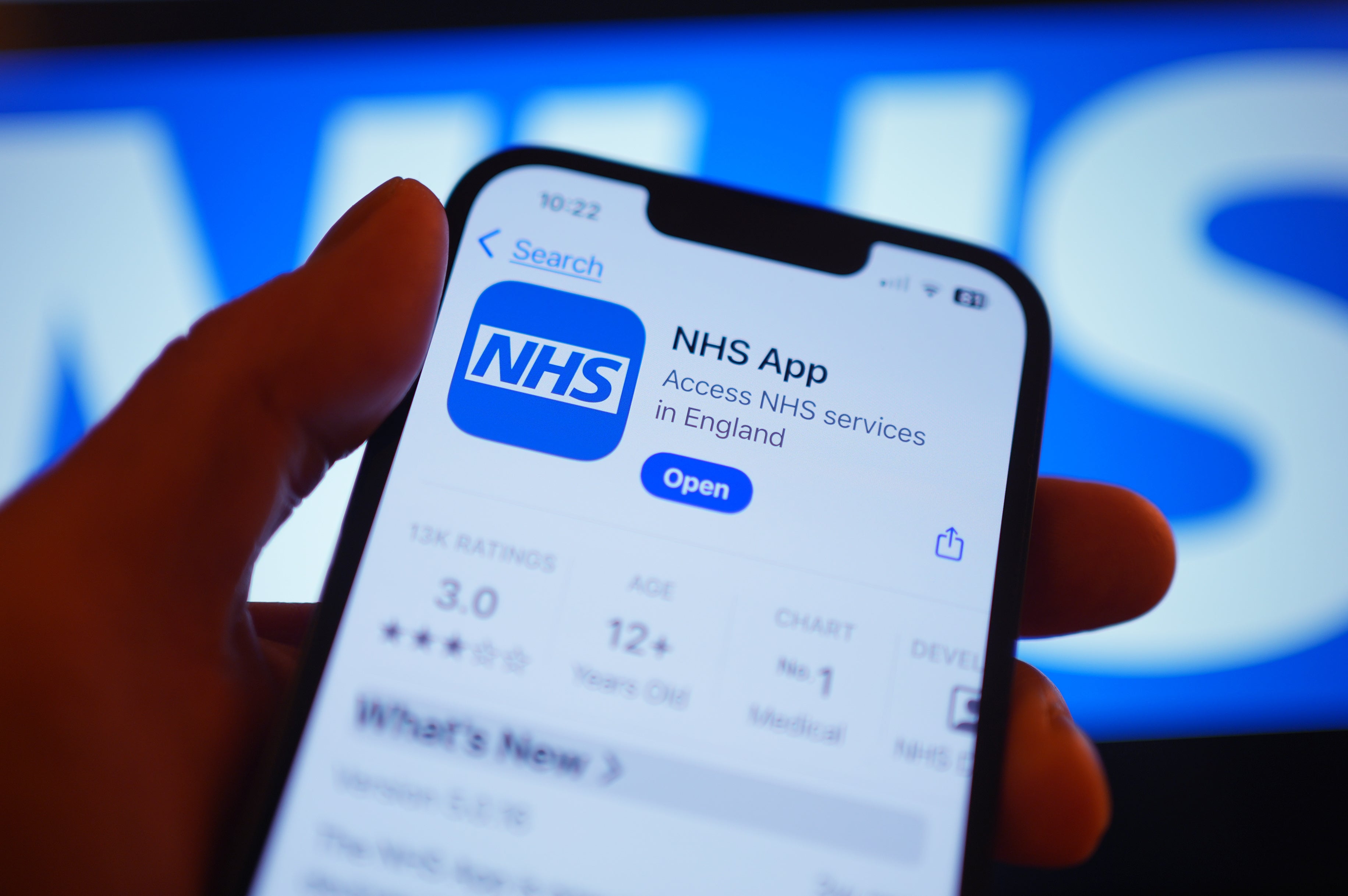
Wes Streeting says people like my parents can still walk into their GP surgery to book an appointment, but as my mum found – and many of her peers are finding – this isn’t always the case. With the NHS App rollout enabling appointments and repeat prescriptions at over 90 per cent of practices by March 2024, the emphasis is clearly on digital systems.
Dr Gray adds: “The government should appoint a frailty commissioner so the needs of the elderly are championed. Otherwise, there will be a knock-on effect on the economy, with their children having to take time off work to deal with calls and appointments for their parents.”
Caroline Abrahams CBE, charity director at Age UK, says: “Some people have said they felt belittled and unfairly pressured into going online. This, combined with organisations failing to provide easily accessible alternatives, is positively ageist. There will need to be good offline options for every essential service older people rely on.”
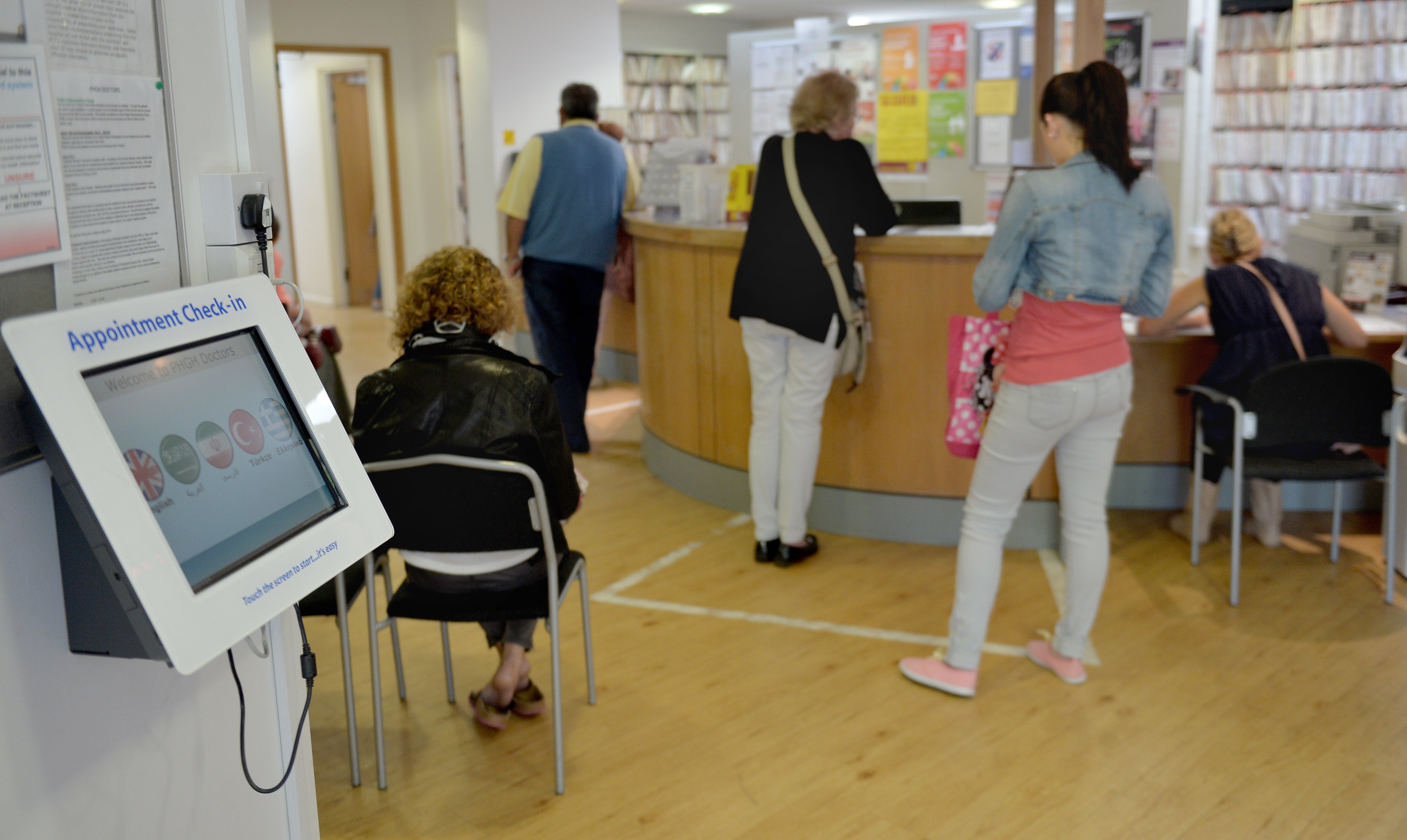
She adds: “We have heard of GP practices thinking the new system means they can now shut off other forms of access, like face-to-face or telephone appointments, leaving online forms as the only option. It’s important that everyone – especially older people – can approach their surgery by phone, face-to-face, or online. We hope practices that have misapplied the policy will reopen telephone and face-to-face access.”
The digital point that Age UK is pushing for is for the government to set standards for all public services, including the NHS, regarding good design of internet-based approaches and offline alternatives.
Dr Gray suggests: “We’d like to see the equivalent of a blue badge introduced so those in need can access face-to-face services, from doctors to banks, bypassing digital systems if they don’t work for them.”
The alternative, says Plowright, is more elderly people ending up in A&E because they have no other choice. “It’s already happening at my local Urgent Care Centre – last time I was there it was full of elderly people. I asked the nurse if it was a geriatric clinic – but no, it was just people who couldn’t get a GP appointment on the phone.”
*Some names have been changed
What are your experiences with the NHS digital-first approach? Let us know below
Join our commenting forum
Join thought-provoking conversations, follow other Independent readers and see their replies
Comments
Bookmark popover
Removed from bookmarks