There’s finally a smear test alternative – but why has it taken so long?
As scientists discover that menstrual blood can be tested for signs of cervical cancer, Lydia Spencer-Elliott explores why it took 75 years for researchers to put an end to women’s pain and suffering

When I first looked at the news headlines this morning, my response was (sadly) unusual: “Yippee!”
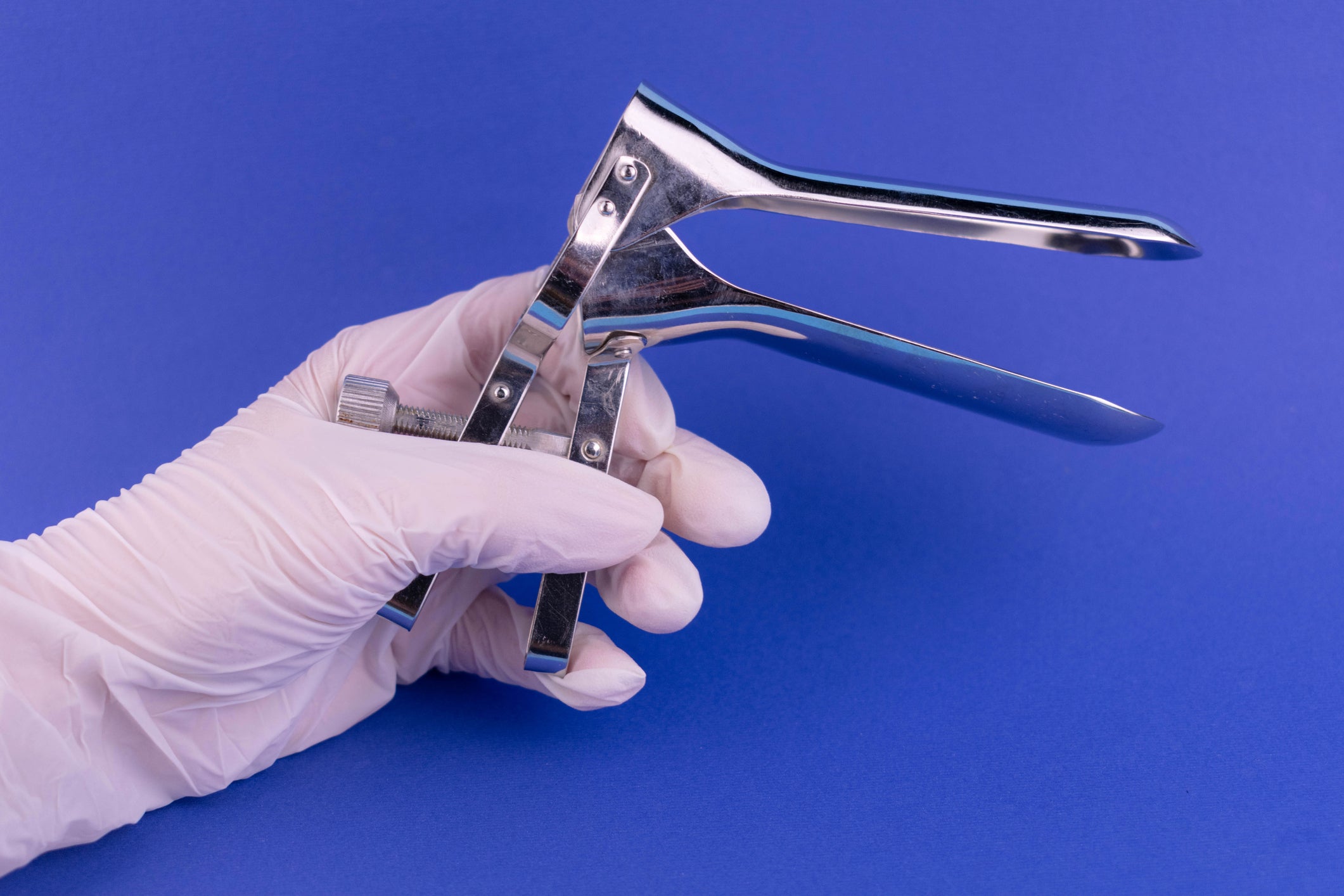
Researchers have found that testing period blood for signs of cervical cancer could be an accurate way of screening for the disease. Read: no more having a speculum shoved into you by a stranger every five years (or more frequently) for the almightily invasive smear test. Hallelujah.
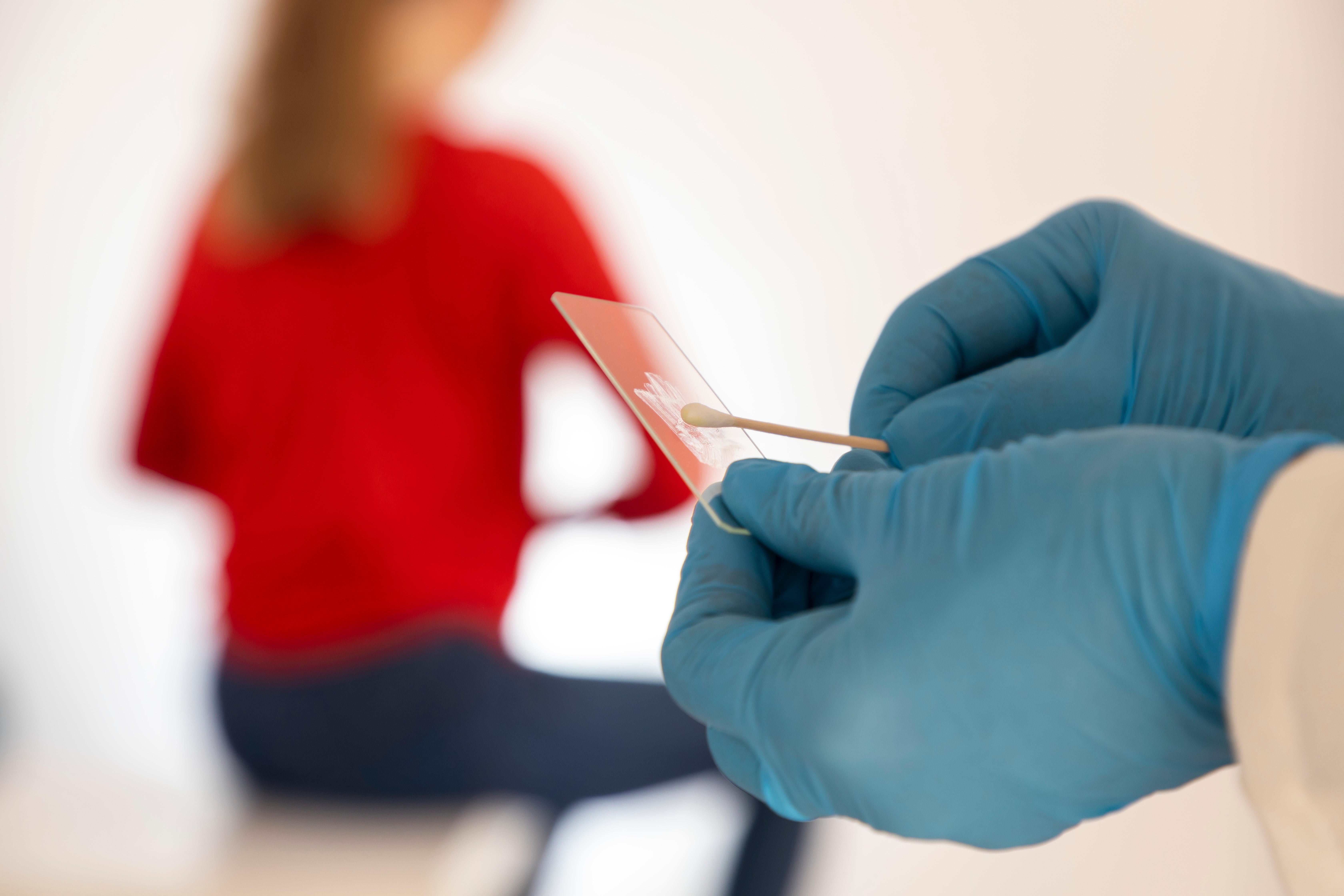
The answer, it turns out, was simple. Using a regular sanitary pad topped with a blood sample strip, researchers were able to detect human papillomavirus (HPV), which causes 99.7 per cent of cervical cancer cases. No fear. No pain. It’s a brilliant step forward for women’s health – one that could save lives.
After my initial joy, though, came the embers of anger. Principally, over what the hell has taken scientists this long to get to this point in the first place. Periods have been there all along. Couldn’t we have tried this method out a bit bloody sooner? I was turned away from my last smear test because I had my period, which can interfere with the accuracy of the current method’s results. Now, the same blood is the answer?
“There is really exciting potential for using menstrual blood in more research that has been previously untapped,” Sarah Graham, author of Rebel Bodies: A Guide to the Gender Health Gap Revolution, tells me. “It’s been seen as a waste product, but there’s so much we can learn from it. It shouldn’t just be thrown in the bin. Women being in research spaces is starting to change that. It’s finally starting to be looked at more.”
A whopping third of women in the UK who are invited to a smear test in the UK do not attend. And, really, who can blame anybody for not wanting to go? The procedure (where a nurse opens up your cervix with the 1840s speculum tool like they’re jacking up a car) is at best uncomfortable and at worst traumatic. While health officials claim it’s painless, simple and “over in minutes”, women often report the experience as being painful and humiliating.
“Women have been saying for a long time that this test is unpleasant, but it’s taken such a long time for those voices to be heard,” says Graham. “There’s been a lot of patronising messaging around it, insinuations that it’s silly women just getting embarrassed and to suck it up. Nobody was listening to or hearing their experiences. There’s been a real slowness to acknowledge the impact of even sexual violence and those women who find it traumatic... There’s been a real onus on patient responsibility, but we all know it’s important. That doesn’t make it any easier.”
At a time when we have self-driving cars, this neglect to innovate a life-saving examination feels abhorrently neglectful. Shockingly, it’s only been in the last two decades that smaller plastic speculums became the norm over larger metal ones. Even then, they were named “virgin speculums” until 2023, exemplifying the misogyny that has been allowed to persist in modern medicine.
One friend of mine, who requested this device during her first smear test at 25, was told to “stop panicking and tensing up” by the nurse who conducted the appointment, or the procedure “would feel like rape”. Meanwhile, my first smear test lasted closer to 15 minutes than five because I have a tilted cervix that’s harder to screen. I left in tears after they rescheduled my appointment with a more “experienced” nurse who might be able to handle my supposedly “difficult” body better.
“This is not news that the medical institution is happy for women to be left with the absolute basics,” says Polly Vernon, author of How the Female Body Works. “There is a sense that we endure discomfort and embarrassment because it’s baked into being a woman – that’s just the gig. The desire and concern to limit that has been lacking. I bought into that for years until I was researching my book, because we’re told to just ‘suck it up’. That makes me really angry now,” she adds.
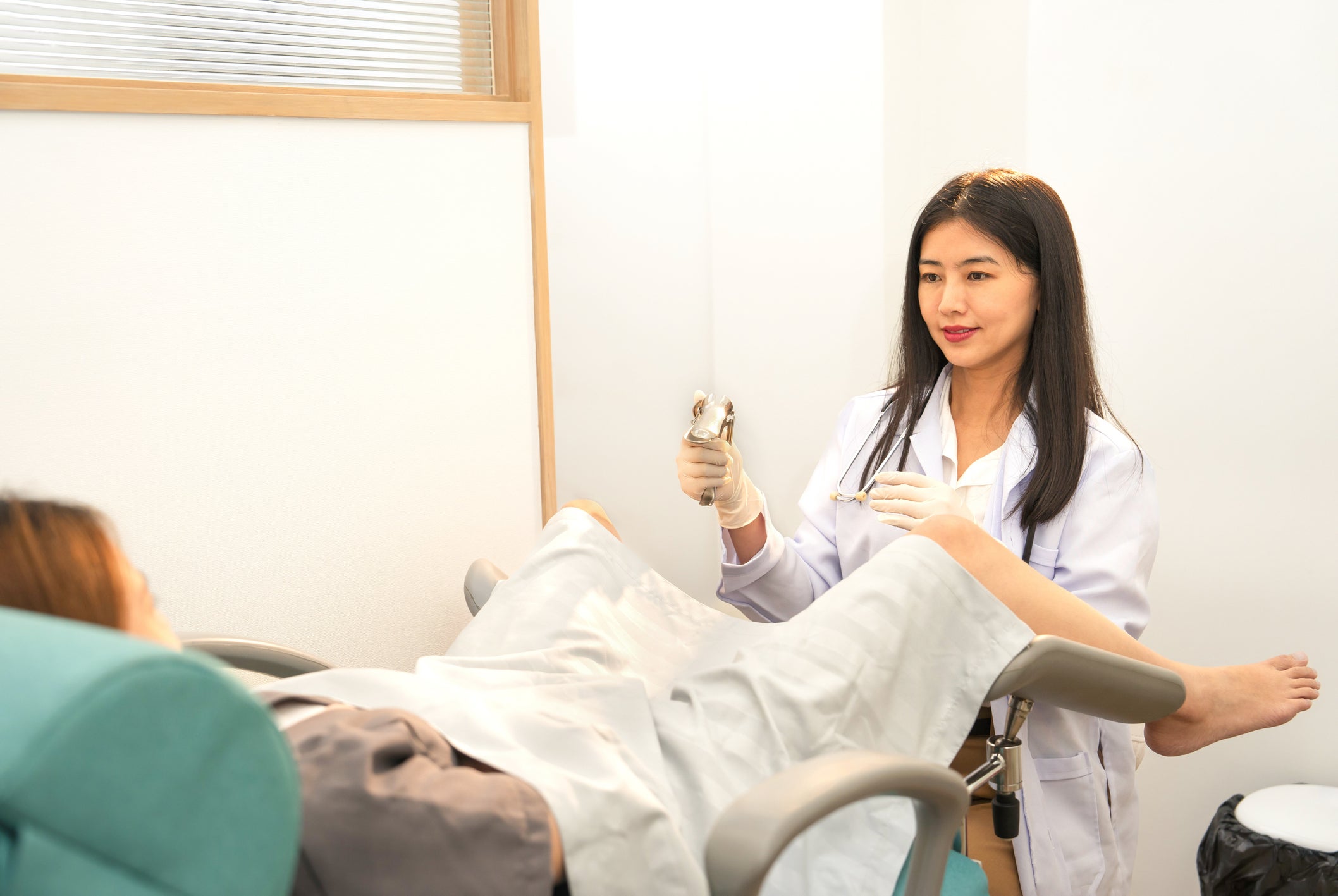
Like many of women’s health services, the smear test hasn’t really received a proper update since it was first invented by Dr George Papanicolaou (Dr Pap) in the early 1950s. By today’s standards, it’s borderline medieval. While there are thousands of brilliant people working in the NHS making the ordeal as quick, pain-free and supportive as it possibly can be, there is a sense that patients and professionals alike have been making the best of a badly outdated situation.
“The priorities in medicine have historically been shaped by male practitioners asking the questions that seem important to male medical professionals and scientists and their bodies,” says Dr Marieke Bigg, author of This Won’t Hurt: How Medicine Fails Women. “There has been little effort, since the first gynaecologists experimented with rudimentary speculums on African American women, without anaesthetic for women’s pain or discomfort.”
Smear testing was patchily introduced in the UK in the Sixties and standardised with the NHS Cervical Screening Programme in 1988. While advancements have been made in how doctors check for abnormal cells, little has changed to lessen the pain women endure. Now, finally, politicians and medical professionals are starting to realise that if something doesn’t change, women simply won’t go at all.
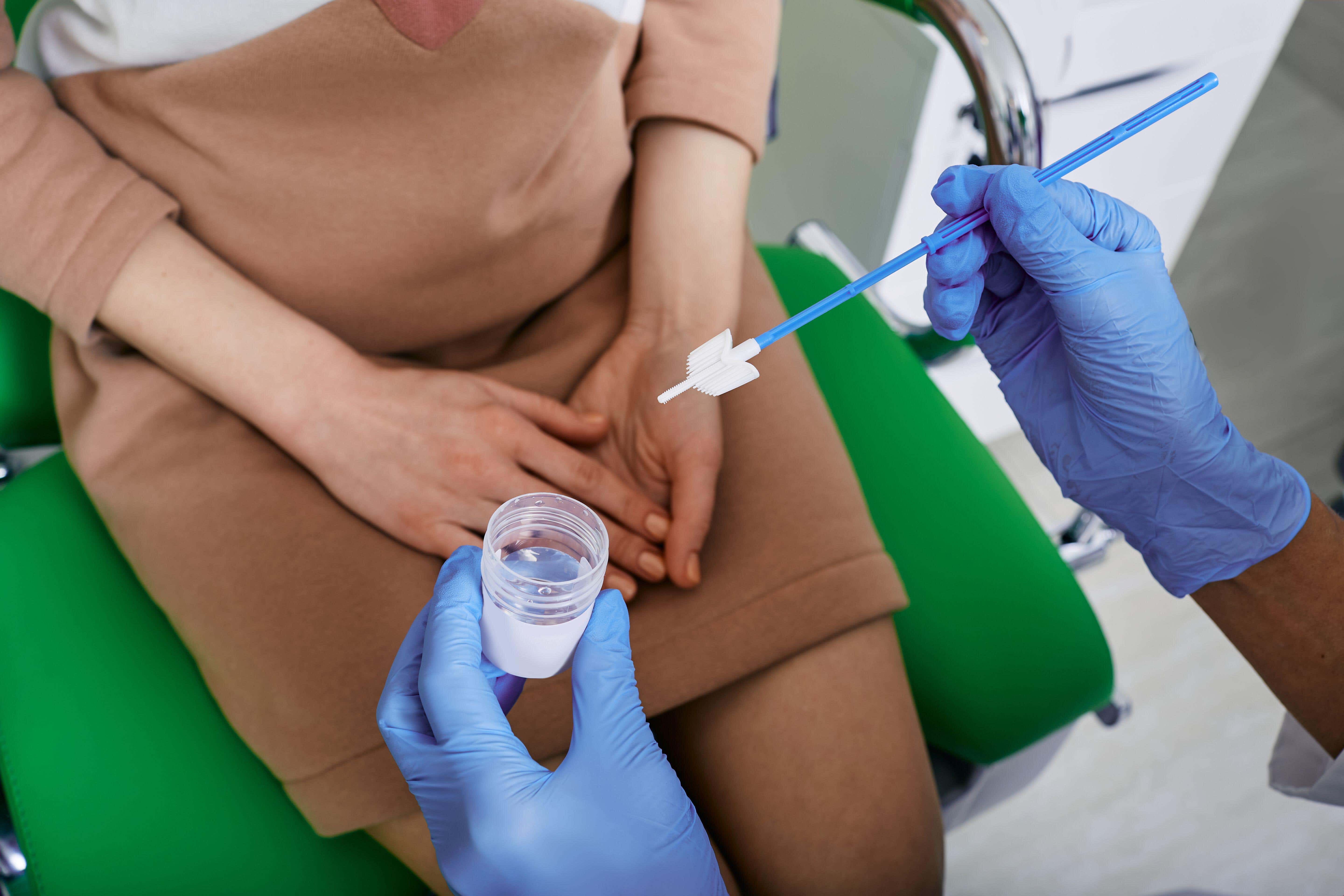
Notably, one study in July said that tests using self-collection kits could prevent up to 1,000 cervical cancer cases per year. More than 3,000 women are diagnosed with cervical cancer each year in the UK – but it has been estimated that the number would be 5,000 higher if it weren’t for cervical screening.
“You don’t have to get right up to the cervix and scrape it,” Graham says of unnecessary suffering to stay safe. “You can do a vaginal swab. There’s a urine test alternative that’s being explored,” she adds of incoming options for non-menstruating women who don’t have period blood to be tested. “It’ll be interesting to see when there’ll be a wider rollout.”
This (shock) could also be slow. “Self-sampling kits have [also] long been known to be an alternative that is more comfortable for many women,” says Bigg. “But it has taken over five years to implement even this life-saving invention. This new screening method is in the early stages of development, so it could take even longer. I hope that we introduce it alongside existing methods that don’t require new technology, just better infrastructure to make sure women can access screening.”
However they do it, with thousands of lives at risk, they’d better do it fast.
Join our commenting forum
Join thought-provoking conversations, follow other Independent readers and see their replies
Comments
Bookmark popover
Removed from bookmarks