The Independent's journalism is supported by our readers. When you purchase through links on our site, we may earn commission.
Ultra-processed skincare: How toxic are the products you’re putting on your face?
With the rise of awareness around ‘forever chemicals’ and synthetics, Radhika Sanghani speaks to the experts about what’s really in her skincare – and red flags to look out for
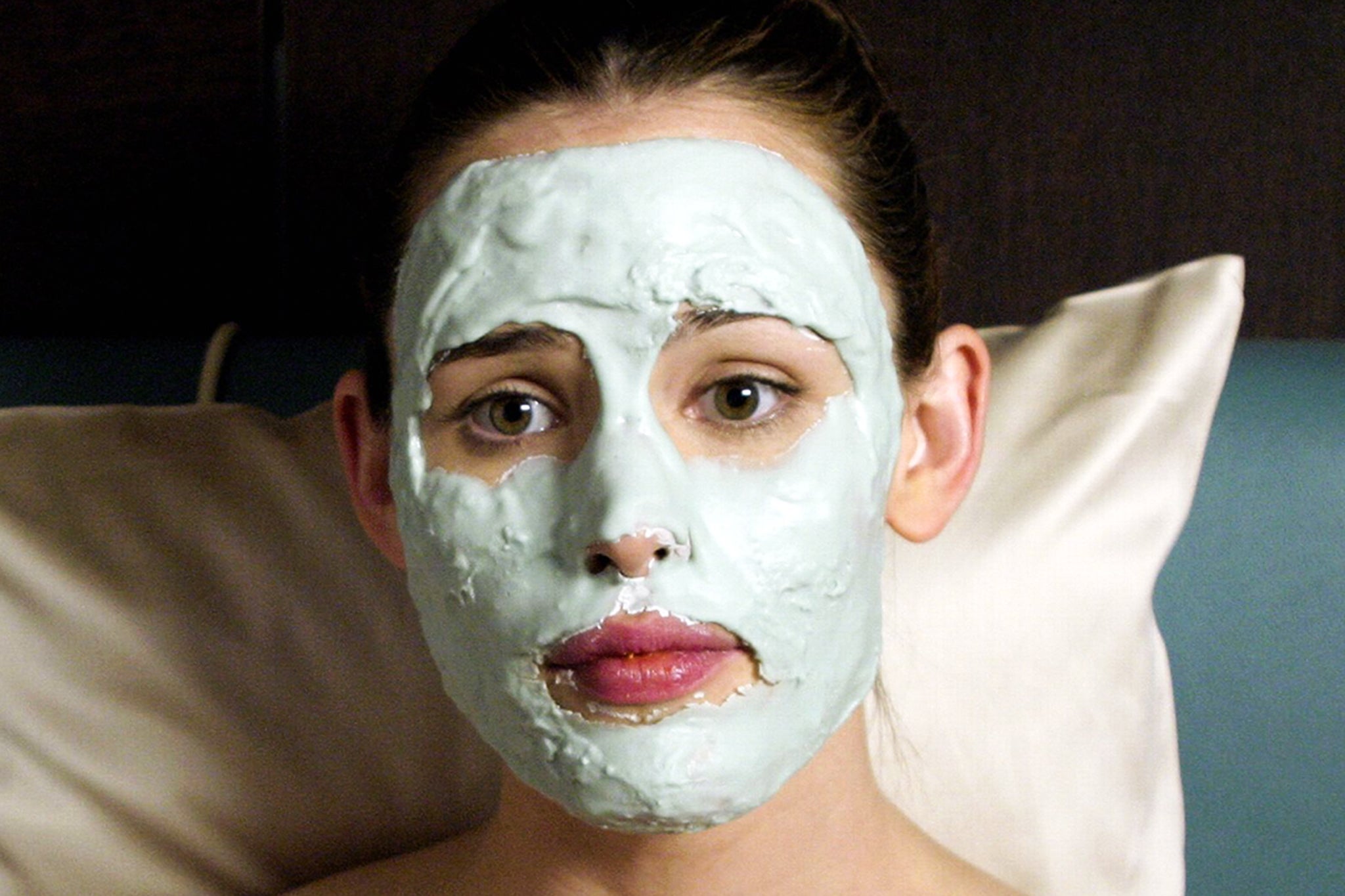
I thought I was doing a good job taking care of my skin. I use products designed for sensitive skin like mine, I wear sunscreen every day to protect against UV rays and wrinkles, and I use Korean face masks weekly, hoping that they’ll give me the famous K-beauty “glass skin”.
But it turns out that all my efforts might actually be making my skin worse. Because while I regularly read reviews for the brands I buy, I haven’t been checking the ingredient lists for toxins. It turns out that, unknowingly, I’ve been putting toxic chemicals onto my skin.
Of course, all the products I’m using have been classified as safe to use. Any “toxins” are in very low amounts. But recent research around everyday toxins such as synthetics, phthalates and “forever chemicals” – a class of manmade chemical toxins known as PFAS, which stands for per- and polyfluoroalkyl substances – shows that certain toxins can stay in our bloodstreams for years. While some toxins used in skin products, like parabens and phthalates, have been linked to everything from skin conditions to endocrine disrupters and even cancer.



Dr Jenny Goodman, a qualified medical and ecological doctor, and the author of Getting Healthy in Toxic Times, no longer uses the term “personal care products” because she doesn’t believe that our products are caring for us at all – instead she calls them “personal scare products”.
“All the toxic chemicals go in the skin and end up into the bloodstream,” she explains. “They all dissolve in fat, so will head to the fattiest organ, which is your brain.”
Another problem, explains leading skincare expert Gemma Clare, is the toxic load. Even though all these chemicals are safe to use in small doses, when they accumulate, they can cause issues. “Our skin is a living, breathing organism. These ingredients are compromising the skin barrier, which in turn then allows the pathogens to come in, which puts more stress on the body’s system. Your immune system will be overactivated.”
“The cumulative effect means it is a real problem for the body to detoxify the toxic burden.”
WHAT’S IN YOUR SKINCARE?
The only way to really know if you’re putting toxins on your skin is to check the ingredients list of the products you use. I show some of my top products to Dr Goodman, who takes a look at the long ingredient lists, telling me that a large number of synthetic chemicals and toxins are indeed present.
My K-beauty face masks contain “fragrance” and “parfum” – generic terms that can be applied to any synthetic chemicals, such as “phthalates”, a group of synthetic chemicals, which have been proven to disrupt hormone systems, and have been linked to birth defects.
Meanwhile, my sunscreen is packed full of potential endocrine disruptors, and another product contains dipropylene glycol – a solvent that can cause skin irritation and was once named the American Contact Dermatitis Society’s Allergen of the Year.
The list of toxins to look out for is long – and for a non-scientist like myself – very confusing. I can’t have Dr Goodman on speed dial every time I buy a cleanser, so instead I go online to use “ecogolik”, a free ingredients checker. All I have to do is copy and paste in the ingredients of a product I own or want to buy, and I’m shown the results.
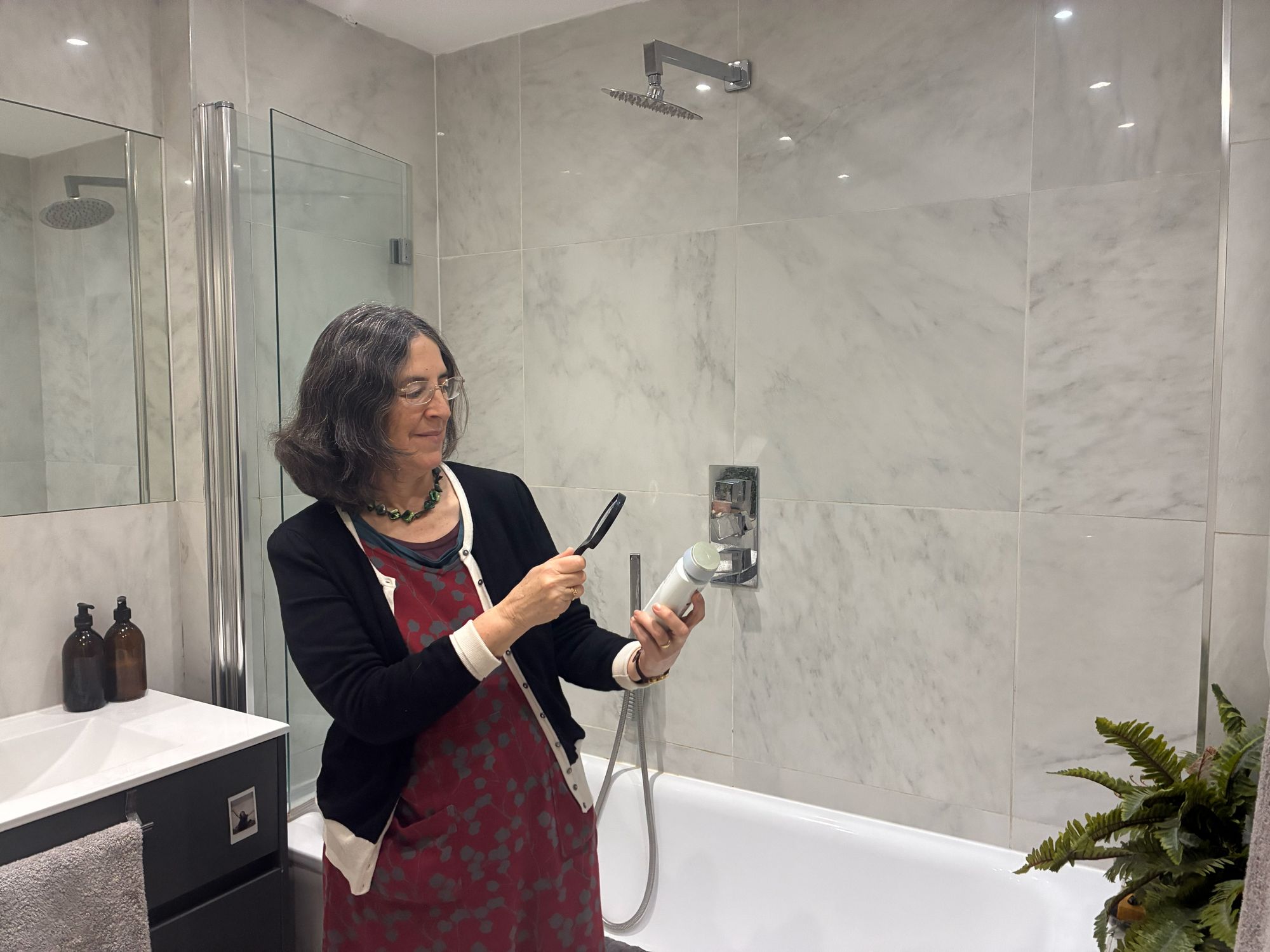
All my face masks fail the toxin-free approval test, as do my eye cream and sunscreen – though luckily, my cleanser and moisturiser are okay. What’s most shocking, however, is to click on the toxins present in my skincare to read about why they’re harmful and see that the majority have been linked to skin irritation and allergies.
Dr Ophelia Veraitch, consultant dermatologist, says that the chronic – and ironic – use of potential skin allergens in skincare is a massive problem. “Unfortunately, skincare and haircare isn’t generally put together by people who understand skin, hair or immunology in the skin,” she says. “Cosmetic companies don’t care and it’s all targeted at women.”
She has witnessed an “epidemic” of people developing skin allergies, which can result in conditions such as rosacea – a chronic inflammatory skin condition I suffer from that causes redness – and even frontal hairline loss, which has been linked to contact allergies. Dr Veraith believes many of these allergies develop in women over time due to various chemicals that show up in everyday skincare, while studies show that contact dermatitis due to cosmetic products is a common complaint that considerably affects a patient’s quality of life.
Research shows most cases are caused by skin hygiene and moisturising products, followed by cosmetic hair and nail products. Fragrances are the most common cause of allergy to cosmetics, followed by preservatives and hair dyes.
“If you repeatedly expose the skin and therefore the immune cells in them to what we call these antigens, eventually the immune cells will make antibodies to the foreign ingredient,” explains Dr Veraitch. “Because it’s not an immediate allergy, but a delayed reaction, it may not be obvious what it is, especially as women rotate through so many different products.”

She suggests anyone with sensitive skin use the European Baseline Series – a list of common allergens used to screen patients in Europe – to work out whether any of these known allergens are present in your skincare.
WHAT TO AVOID
There are several big “red flags” to avoid when it comes to skincare ingredients. Dr Goodman starts with ‘parabens’, a group of chemicals widely used as preservatives in skincare to increase the shelf life of products, but can actually cause skin irritation and are known endocrine disrupters that have been linked to cancer.
The previously mentioned phthalates are also harmful, but as that word rarely shows up on the back of a moisturiser, it’s best to avoid anything that says “fragrance” or “parfum” as it could easily be hiding a potential toxin.
Clare also warns about sulfates, which are known to disrupt the skin barrier. Sodium Laureth Sulfate (SLES) or Sodium Lauryl Sulfate (SLS) are commonly used in cleansers or products that lather to help clean the skin, even though they’re known irritants that can dry the skin.
Formaldehyde is another toxin often used in cosmetics as a disinfectant and preservative that can also show up as FRPs (Formaldehyde-releasing preservatives). Even though it is only used in low doses, it is a known skin irritant and the US Environmental Protection Agency (EPA) has classified it as “carcinogenic to humans”.
Other known skin irritants commonly used in skincare products include Phenoxyethanol – a preservative that often replaces parabens but can cause skin irritation, and Benzophenones, which can be used in products like lip balms as a UV filter but is suspected of being an endocrine disruptor.
Clare also advises against using paraffins, which are chemicals commonly used in household brands. “They’re used because they don’t cause any problems or cause skin irritation,” she explains. “What they do is mimic the artificial barrier of the skin. The problem is the skin then gets lazy, and doesn’t maintain its own skin barriers. It’s like band-aiding the problem rather than dealing with the root cause.”
WHAT TO USE INSTEAD
Dr Goodman’s advice is simple: “It’s best to buy products with a shorter ingredient list.” The fewer chemical names present, the better. And recognisable herbal or mineral ingredients are generally safer.
She also suggests buying products approved by the UK’s Soil Association or internationally known COSMOS – both bodies that certify organic products. It might sound strange to make sure your skincare is organic rather than your groceries, but COSMOS-approved products do not contain microplastics or PFAS and use organically grown ingredients. And the Soil Association specifies their products contain “no controversial chemicals”, “no parabens or phthalates”, and “no synthetic colours, dyes or fragrances”.

Dr Goodman stresses that it’s best to only trust “natural” or “organic” products that have these certifications, as “greenwashing” is a growing problem. The Soil Association claims that the lack of regulation around skincare means a product can be labelled as 'natural’ even if only one per cent of its ingredients come from natural sources.
Their website also has a list of certified brands you can explore, with brands such as Georgia May Jagger’s MAY botanicals, which she founded after struggles with her own skin allergies; award-winning Pai skincare; Dr Organic, and Odylique, a mother-daughter company created specifically to create skincare without petroleum, artificial additives and other skin irritants.
It turns out that brands like these are perfect for me as someone with rosacea and sensitive skin, which Dr Veraitch suggests could have actually been caused by the skincare products I was using earlier in my life. When I shop off this list, I don’t have to scour the ingredients list for harmful toxins because there aren’t any – and there are plenty of alternatives to the face masks I was obsessed with: MAY Botanicals has a seaweed-based mask that smells natural and does the same thing my K-beauty masks were doing – without the risk of irritating my skin down the line. Odylique has a “Maca mask” made from mineral clays that’s great for cleansing, even though it is a bit fiddly to create, involving mixing it with water or yoghurt.
For those who don’t necessarily want fully organic skincare, and only want to avoid the most harmful toxins, Dr Veraitch suggests keeping it simple. “If you have sensitive skin or allergies, use inexpensive cleansers and moisturisers. Brands that are fairly clean and good for the whole family are things like Cetaphil and Cetraban.”
She points out that these options can actually be better than expensive products found in luxury shops – “it’s usually women who spend a lot of money on their skincare, and think they’re buying themselves good skin, who find the products they’re using contain a lot of these [toxins].”
When it comes to sunscreens, Gemma Clare suggests people with sensitive skin use mineral-based sunscreens instead, like Odylique’s SPF 30, which is free from synthetic UV filters. “With chemical sunscreens, you’re relying on the sun coming onto the skin and the chemicals working with the heat to dispel, which for me is less safe for the skin,” she explains. “Mineral just creates a shield, and it lasts longer. Even if you have a chemical SPF 50 and a mineral SPF 30, the mineral won’t degrade as quickly and will come with less risks.”
DON’T PANIC
It’s tempting to throw out every single skincare product I own that isn’t certified organic. But the experts stress that it’s okay to not be 100 per cent free of toxins, an impossible task in our modern world.
“Not all synthetics are bad,” says Dr Veraitch, pointing out that the word “chemical” shouldn’t be an instant “no”, especially when water is technically a chemical.
Gemma Clare points out that “it’s not just one ingredient”, and it’s worth looking at the whole mix of products. She uses a mixture of toxin-free brands and others that contain a small amount of toxins. “I have to weigh up the costs and benefits,” she explains. “It might have a few synthetic ingredients, but I know the benefits of the clinical efficacy of the percentage and ingredients, so sometimes it’s worth it to get the results I need.”
Join our commenting forum
Join thought-provoking conversations, follow other Independent readers and see their replies
Comments
Bookmark popover
Removed from bookmarks