Air source vs ground source heat pumps: Experts compare the pros and cons
Air source and ground source heat pumps both offer low-carbon heating, but they suit very different homes. Here’s how the systems compare on cost, efficiency, space requirements and installation
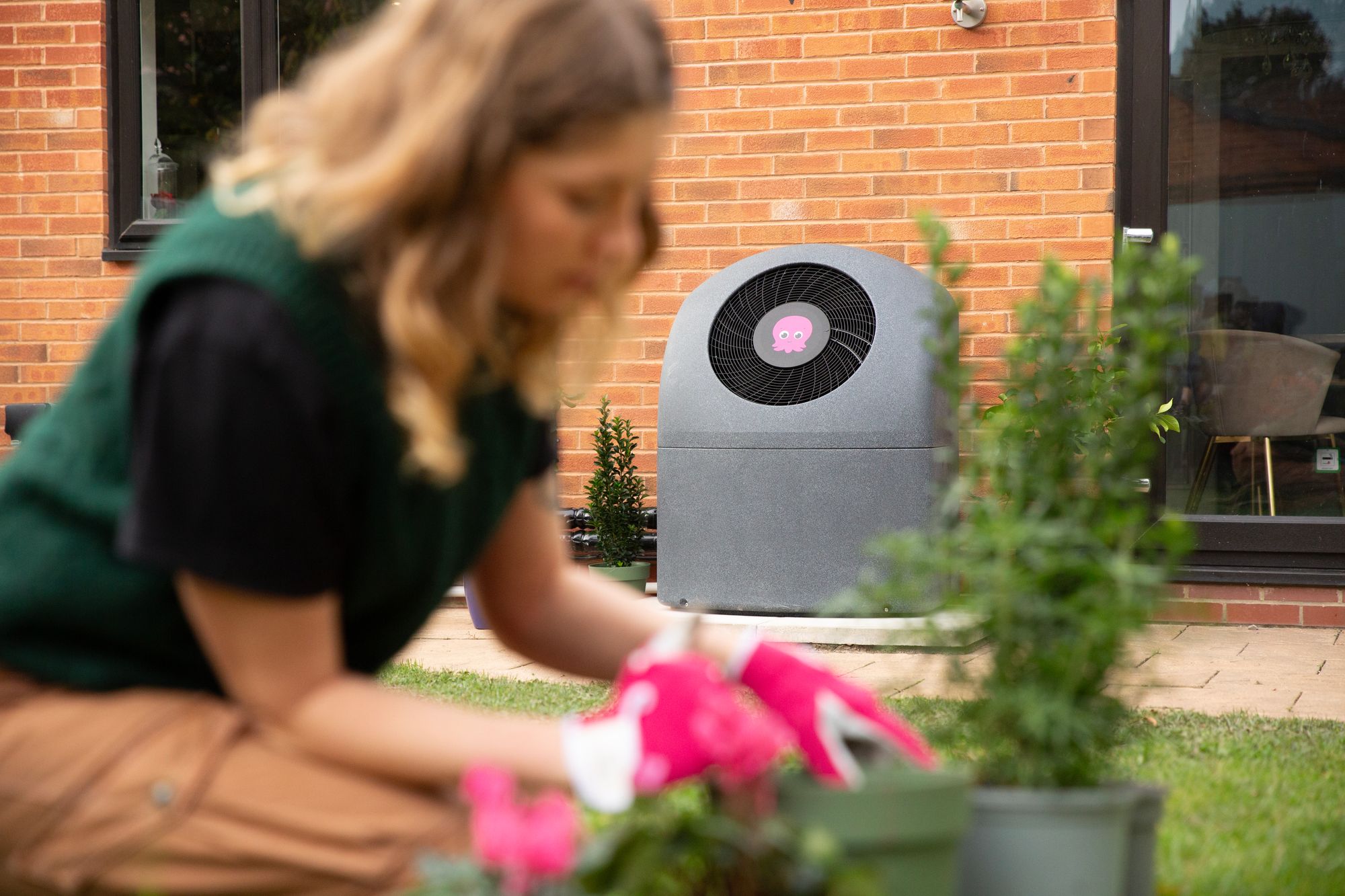
Heat pumps are often talked about as a single technology type, but in practice, there are two main systems used in UK homes: air source and ground source.
Both systems work on the same principle, extracting heat from the environment and upgrading it to a temperature suitable for space heating and hot water. Where they differ is the source of that heat, and that difference has a significant impact on cost, installation and suitability.
For most households, the decision is less about choosing between two equal options and more about understanding which system is realistic for their property.
How heat pumps work
Rather than burning fuel, heat pumps use electricity to move heat from one place to another. Even in cold conditions, the air and ground contain usable thermal energy.
Because they move heat rather than generate it, heat pumps are highly efficient. According to the Energy Saving Trust, a well-designed system can deliver three to four units of heat for every unit of electricity used. However, how that efficiency plays out depends on the type of system and the home it serves.

What is an air source heat pump?
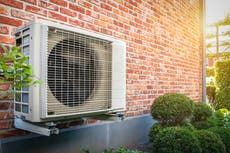
Air source heat pumps extract heat from the outside air using a fan unit installed outside the home, similar in appearance to an air-conditioning unit.
They are the most common type of heat pump in the UK, largely because they can be installed in a wide range of existing homes. Air source systems work year-round, including in winter, and are generally easier and faster to install than ground source alternatives.
An air source heat pump typically requires:
- An external wall or outdoor space for the unit
- Adequate internal space for a hot water cylinder
- A well-insulated home to operate efficiently
Installation usually takes two to five days, depending on whether radiators or pipework need upgrading.
What is a ground source heat pump?
Ground source heat pumps work in a similar way but extract heat from the ground rather than the air. This is done using pipes buried either horizontally in trenches or vertically in deep boreholes.

Advertisement
Advertisement
Because ground temperatures are more stable throughout the year, ground source systems tend to be slightly more efficient and consistent than air source heat pumps. However, the practical requirements are far more demanding.
A ground source heat pump typically requires:
- A large garden or access to land for trenches, or space for borehole drilling
- Significant groundwork during installation
- Higher upfront investment
As a result, ground source heat pumps are far less common and are usually found in rural properties, new builds or major renovation projects.
Installation costs and disruption
Installation costs are one of the biggest differences between the two systems.
An air source heat pump typically costs between £7,000 and £13,000 installed before grants, according to consumer groups. Costs vary depending on system size and whether additional work is needed.
Ground source heat pumps are significantly more expensive. Typical installed costs range from £15,000 to £30,000, reflecting the extensive groundwork and specialist equipment required.
Installation times also differ. While air source systems can often be installed within a week, ground source installations may take several weeks, particularly where trenching or drilling is involved.
Running costs and efficiency
Both air source and ground source heat pumps are highly efficient, but ground source systems usually have a small edge.
Air source heat pumps typically achieve efficiencies of around 300-400 per cent in suitable homes. Ground source systems can be slightly higher, as they draw heat from a more stable temperature source.
In practice, the Energy Saving Trust notes that the difference in running costs is often modest. Home insulation, heating system design and electricity tariffs tend to have a greater impact than the choice between air and ground source.
Space, planning and practical constraints
Air source heat pumps require an outdoor unit, which may be subject to planning considerations in some areas, although many installations fall under permitted development.
Ground source systems usually avoid external visual impact once installed, but require significant space during installation and are rarely practical for smaller plots or urban homes.
Noise is another consideration. Modern air source units are quieter than many people expect, but ground source systems are virtually silent once installed.
Which is more efficient, a ground or air source heat pump?
Ground source heat pumps are generally more efficient than air source heat pumps. This is because ground temperatures remain relatively stable all year round, typically between 10–12°C in the UK, allowing the system to extract heat more consistently. As a result, ground source systems usually achieve higher seasonal performance factors.
Air source heat pumps are still highly efficient, but their performance can dip slightly during very cold weather, when there is less heat available in the outside air. Even so, modern systems are designed to work effectively in UK winters and remain far more efficient than traditional gas boilers.
How much do air source and ground source heat pumps cost to run?
Running costs depend on factors such as insulation, electricity tariffs, system size, and how the heating is used. In general, ground source heat pumps are cheaper to run than air source systems because of their higher efficiency and steadier output.
Air source heat pumps tend to have slightly higher running costs, particularly in poorly insulated homes or during colder months. However, they can still deliver significant savings compared with gas or oil heating, especially when paired with smart controls, underfloor heating, or cheaper off-peak electricity tariffs.
What are the pros of air source heat pumps?
Air source heat pumps are far easier and cheaper to install than ground source systems. They don’t require extensive groundworks and are suitable for a wider range of properties, including homes with smaller gardens or limited outdoor space.
They can be fitted relatively quickly, qualify for government grants, and still offer major carbon savings and lower running costs compared with fossil fuel heating.
What are the disadvantages of air source heat pumps?
Air source heat pumps are slightly less efficient than ground source systems, particularly in very cold weather. They may also require larger radiators or underfloor heating to operate at their best.
The outdoor unit can generate some noise and needs adequate airflow, which may be a consideration for properties with limited external space or planning restrictions. In poorly insulated homes, performance and cost savings can also be reduced.
Which homes suit air source heat pumps best?
Air source heat pumps are best suited to a wide range of existing UK homes, which is why they account for the vast majority of heat pump installations.
They tend to work best in properties that are reasonably well insulated, as lower heat loss allows the system to operate at lower flow temperatures more efficiently. Homes that have already upgraded loft or wall insulation – or are planning to do so – are often good candidates.
Air source systems are also well suited to urban and suburban properties, including semi-detached and terraced houses, provided there is space for an external unit and adequate airflow around it. While larger radiators or underfloor heating can improve performance, many homes can adapt existing radiator systems with targeted upgrades rather than full replacement.
For homeowners looking to retrofit low-carbon heating without major groundworks, air source heat pumps are generally the most practical option.
What are the pros of ground source heat pumps?
Ground source heat pumps offer very high efficiency and stable performance throughout the year. Because the ground temperature is consistent, they provide reliable heating even during cold spells.
They are also quiet in operation, with most of the system buried underground, and typically have a long lifespan. For larger homes or properties with high heat demand, a ground source system can deliver lower long-term running costs.
What are the disadvantages of ground source heat pumps?
The main drawback of ground source heat pumps is the high upfront cost. Installation usually involves digging trenches or drilling boreholes, which adds complexity and expense.
They also require sufficient outdoor space, making them unsuitable for many urban homes or smaller plots. Installation times are longer, and disruption can be significant, particularly for horizontal ground loop systems.
Which homes suit ground source heat pumps best?
Ground source heat pumps are far more site-specific and tend to suit a narrower range of properties.
They are most commonly installed in rural or semi-rural homes with large gardens or access to surrounding land, where trenches can be dug or boreholes drilled without significant disruption. Because installation is more invasive, ground source systems are often considered as part of new-build projects or major renovations, rather than straightforward retrofits.
Ground source heat pumps can be particularly attractive for larger homes with higher, more consistent heat demand, where their slightly higher efficiency can be fully utilised. They are also better suited to homeowners planning to stay in their property for the long term, as the higher upfront costs are typically recouped over a longer period.



Air source vs ground source: How to choose
Choosing between air source and ground source heat pumps is less about which system is “better” and more about which is appropriate for your home and circumstances.
Budget is often the deciding factor. While ground source systems offer slightly higher efficiency, their significantly higher installation costs mean they are rarely the most cost-effective choice unless the property already meets the necessary space and planning requirements.
Space is another key consideration. Homes with limited outdoor space or shared boundaries are far more likely to suit air source systems, whereas ground source heat pumps require a level of land access that many properties simply don’t have.
Disruption and timing also matter. Air source heat pumps can usually be installed relatively quickly, making them a realistic option for homeowners upgrading an existing heating system. Ground source installations, by contrast, are better suited to projects where extended building work is already planned.
Finally, homeowners should consider how long they expect to stay in the property. Those planning a long-term stay may be better placed to benefit from the higher upfront investment of a ground source system, while air source heat pumps tend to offer a more accessible route to low-carbon heating for most households.
In all cases, an independent heat loss assessment and professional system design are essential before making a decision.
The bottom line
Both air source and ground source heat pumps can deliver efficient, low-carbon heating when installed correctly. For most UK homes, air source heat pumps are the more practical and affordable option.
Ground source systems, while highly efficient, remain a specialist solution best suited to properties with the space and budget to support them.
Join our commenting forum
Join thought-provoking conversations, follow other Independent readers and see their replies
Comments
Bookmark popover
Removed from bookmarks