The Independent's journalism is supported by our readers. If you submit a form or click links to other sites on this page, we will earn commission.
What are flexible solar panels: how they work and how much they cost
Flexible solar panels are thinner, lighter and more versatile than standard ones, making them ideal for curved roofs, campervans and boats
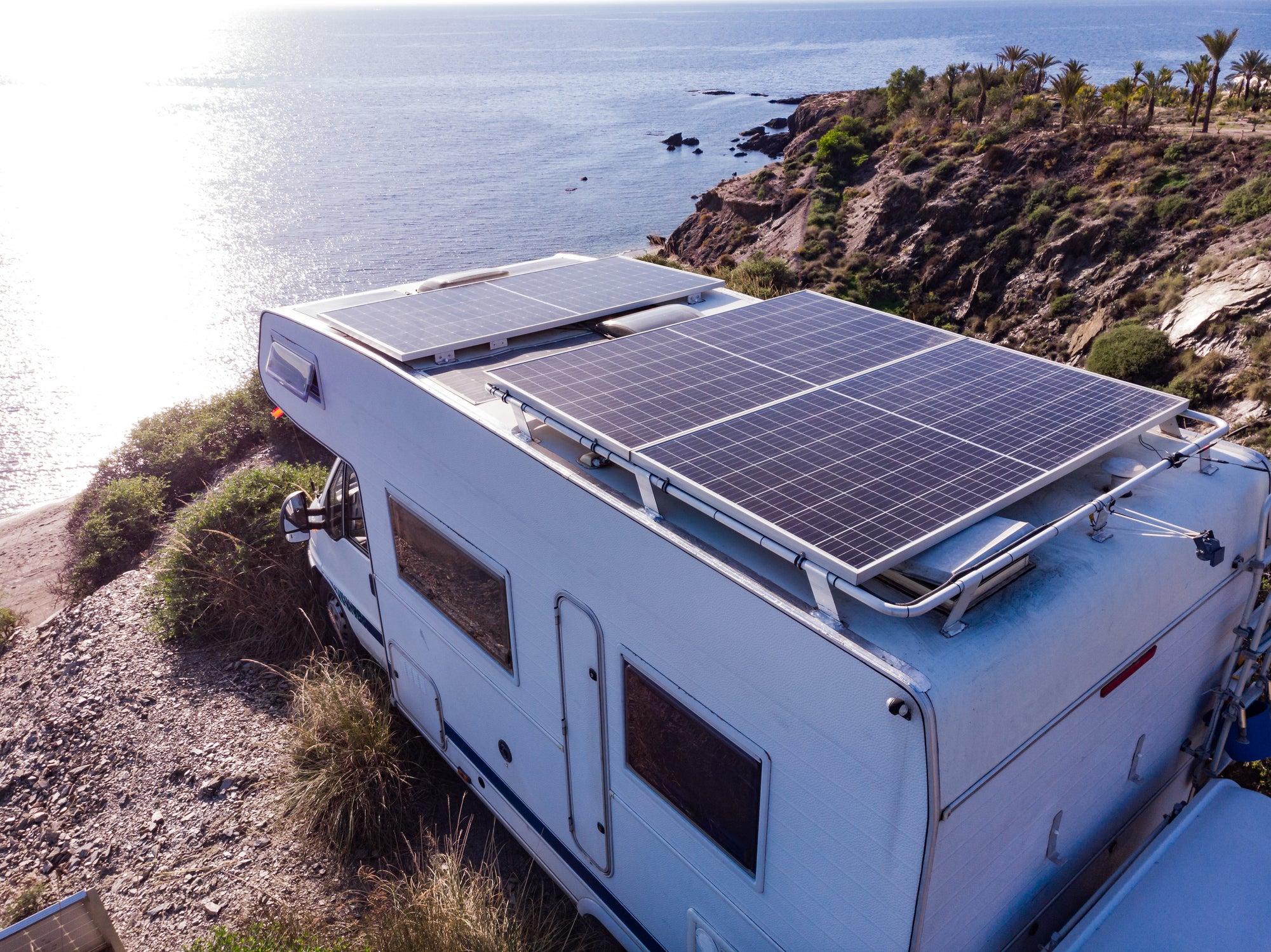
Flexible solar panels are quickly gaining popularity among homeowners and vanlifers looking for a lightweight, portable way to harness renewable energy. Unlike traditional roof-mounted systems, these ultra-thin panels can bend to fit curved surfaces, power off-grid adventures, or provide a backup power source for your home.
They work on the same principle as standard photovoltaic panels, but at a fraction of the weight – and sometimes, a fraction of the efficiency. Before deciding whether they’re right for you, it helps to understand how they compare with the best solar panels, what they cost, and whether they’re truly a smart investment.
Our guide explains how flexible solar panels work, what you can power with them, and how they stack up against more traditional systems. If you’re wondering whether solar panels are worth it or want to understand the cost of solar panels, this overview will help you decide whether flexible panels belong on your shortlist.
Get a quote for solar panels for your home
Use our comparison tool to get a range of free quotes from leading solar panel installers across the UK.
What are flexible solar panels?
Flexible solar panels are a newer type of photovoltaic (PV) technology that can bend and curve to fit uneven surfaces. Instead of being built on heavy glass and aluminium frames like traditional solar panels, they use thin layers of solar cells mounted on flexible materials such as plastic or stainless steel.
This makes them much lighter, thinner and easier to install. Most can flex up to around 30 degrees, which makes them ideal for curved surfaces such as caravan roofs, boats or off-grid cabins.
Flexible panels are generally between 0.1mm and 1mm thick and weigh about 80 per cent less than rigid panels.
How do flexible solar panels work?
Flexible solar panels work in much the same way as standard solar panels. They use photovoltaic cells to capture sunlight and convert it into electricity. The main difference lies in the materials used.
While traditional solar panels typically use rigid monocrystalline or polycrystalline silicon cells encased in glass, flexible panels use thin-film cells or ultra-thin layers of silicon. These are embedded into lightweight materials that allow the entire panel to bend without breaking.
The trade-off for this flexibility is slightly lower efficiency. Rigid solar panels can convert up to 23 per cent of sunlight into electricity, while most flexible models range from 10 to 18 per cent.


Semi-flexible vs fully flexible solar panels
There are two main types of flexible solar panels:
- Fully flexible panels are the lightest and thinnest option. They can roll or bend significantly, making them popular for tents, boats and portable camping setups. However, they are generally less durable.
- Semi-flexible panels are slightly thicker and more robust. They can bend up to about 30 degrees, which makes them suitable for slightly curved roofs, campervans or metal surfaces. They typically last longer and perform better in tough conditions.
Type | Bend radius | Typical efficiency | Lifespan | Ideal for |
Fully flexible | Up to 60 degrees | 10-15% | 5-8 years | Camping, portable use |
Semi-flexible | Up to 30 degrees | 15-18% | 8-10 years | Caravans, boats |
Rigid | N/A | 20-23% | 25+ years | Homes, permanent setups |
How much do flexible solar panels cost?
In the UK, flexible solar panels can cost between £50 and £250 for smaller 100W to 200W panels, and up to £500–£1,500 for a 1kW system for, say, a motorhome or boat. Higher-watt panels of 300W and 400W can also be found, for not too much more money – typically around £300 or more.
Because flexible panels tend to have lower wattage and efficiency than rigid models, their cost per watt is usually higher. In other words, they produce less energy for every pound you spend. By comparison, a rigid 4kW rooftop solar system, sufficient for a typical UK home, costs around £5,000 to £7,000.
While flexible solar panels are less cost effective on a per-watt basis, they’re a good choice when portability, low weight, or ease of installation are more important than maximum long-term savings.
How efficient are flexible solar panels?
Flexible panels tend to convert less sunlight into usable energy than their rigid counterparts. Most commercially available models achieve between 10 and 18 per cent efficiency, compared with 20 to 23 per cent for high-end rigid panels that people mount on their rooftops.
Their performance can also drop in hot conditions because flexible materials retain more heat. Overheating can reduce their power output and shorten their lifespan, which is usually around five to 10 years.
However, recent technological breakthroughs have led to significant efficiency gains in flexible solar panels, suggesting these gains may trickle down to commercially available models in the coming years. Before long, you might be able to go onto e-commerce sites like Amazon and buy highly efficient flexible solar panels in one click.
How to install flexible solar panels
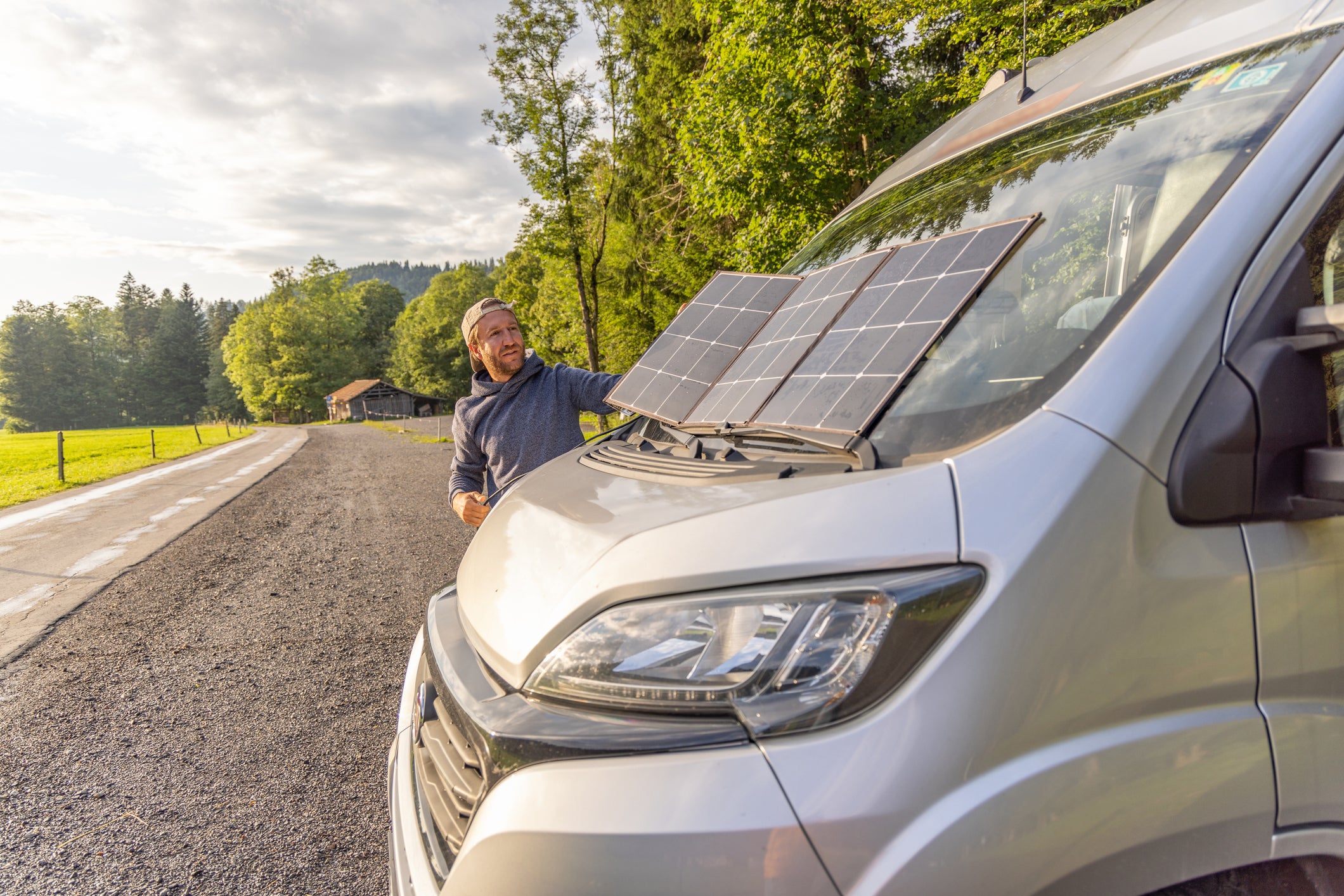
Installing flexible solar panels is far simpler than mounting a rigid system. Most can be attached using adhesive backings, Velcro, or lightweight brackets, and then connected to a charge controller and inverter. This makes them ideal for DIY projects such as campervans, boats, caravans or garden offices.
However, if you plan to install any roof-mounted solar panel system, particularly one feeding into the national grid, you’ll need an MCS-certified installer. This is a requirement to qualify for Smart Export Guarantee (SEG) payments, and many insurance providers also stipulate MCS certification for rooftop installations.
Flexible solar panels don’t usually qualify for SEG payments because they’re not permanently installed systems and are typically off-grid. If your goal is to offset household energy costs, a traditional MCS-certified system is the better option.
The Microgeneration Certification Scheme (MCS) provides a list of accredited installers for anyone planning a more permanent setup.
Can flexible solar panels export power to the grid?
Technically, yes, but it’s uncommon. To export power back to the grid, your solar setup must be registered under the Smart Export Guarantee (SEG) and installed by an MCS-accredited professional. Because most flexible panels are portable or used off-grid, they don’t meet those criteria.
You could theoretically connect a fixed, flexible-panel system to the grid using compatible inverters and monitoring equipment, but the low generation capacity and higher cost per watt make it financially unviable. For most users, flexible panels are better suited to powering personal devices or storing energy in a battery for later use rather than selling it back to the grid.
What can flexible solar panels power?
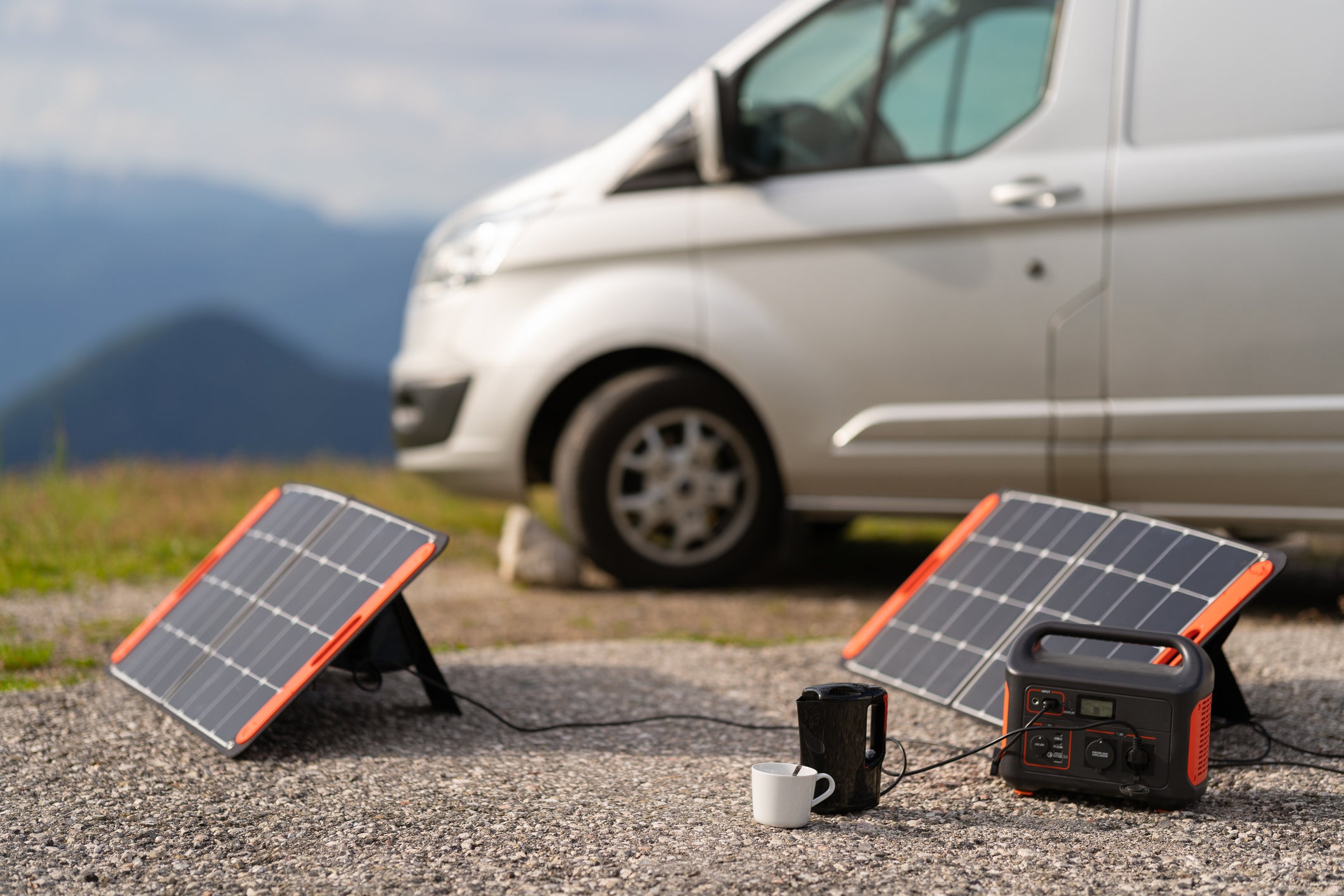
Flexible solar panels are ideal for small-scale setups or emergency backup power. What you can power depends on the panel size and whether you’re storing the electricity in a battery:
Setup | Example use | Approx. cost | What it can power | Estimated savings |
100W portable kit | Camping or festivals | £50–£150 | Phone, tablet, LED lights | £10–£20/year on charging costs |
200–300W roof setup | Campervan or boat | £200–£400 | Laptop, mini-fridge, water pump | £30–£50/year in energy |
1kW semi-flexible setup | Off-grid motorhome, boat or shed | £500–£1,500 | Lighting, small appliances, Wi-Fi router | £70–£100/year |
In other words, flexible panels are designed more for energy independence than for saving money. They’re ideal for off-grid living, camping, or backup use in case of power outages. If you’re primarily motivated by cutting electricity bills, rigid home solar panels offer much better long-term savings.
Flexible vs rigid solar panels: which is better?
Feature | Flexible panels | Rigid panels |
Efficiency | 10–18% | 20–23% |
Weight | Very light | Heavier |
Durability | 5–10 years | 25+ years |
Installation | Easy, adhesive | Mounted with brackets |
Best for | Vans, boats, off-grid | Homes, roofs |
It’s worth noting that flexible and rigid panels are built for entirely different purposes, so this comparison is more about understanding trade-offs than choosing between them. Flexible panels are designed for portability, curved surfaces, and off-grid power – where weight and adaptability matter more than maximum efficiency.
Rigid solar panels, by contrast, are intended for long-term, fixed installations such as residential rooftops. They deliver higher output and a lower cost per watt, making them far more suitable for household energy generation.
If you’re looking to save money on your energy bills, rigid panels are the better investment. But if you want portable, lightweight power for travel or emergency use, flexible panels excel in that niche.
Are flexible solar panels worth it?
Flexible solar panels are worth it for people who need lightweight, portable power – such as campers, van owners, boaters or anyone going off-grid. They’re not designed to replace full home solar systems, but they offer an affordable way to generate renewable energy on the move.
If you’re looking for a permanent installation, rigid solar panels remain the best option for efficiency, lifespan and return on investment.
Why you can trust The Independent’s solar coverage
The Independent has been reporting on green energy and climate matters since it was founded in 1986. Since then, we have written hundreds of reviews and news articles on energy matters. Jeff Meyer is The Independent’s energy writer. He is an experienced energy editor, journalist, and content strategist with more than 25 years’ experience creating content and has written extensively on everything from how you can earn money from solar panels to a guide on whether solar panels are actually worth it.
Join our commenting forum
Join thought-provoking conversations, follow other Independent readers and see their replies
Comments
Bookmark popover
Removed from bookmarks