From AI to Trump, the biggest threats to the economy in 2026
Interest-rate cuts offer brief relief, but 2026 could deliver yet another brutal lesson in history repeating itself. Chris Blackhurst warns of the risks ahead – from an AI bubble and private credit fears, to Trump’s dangerous whims

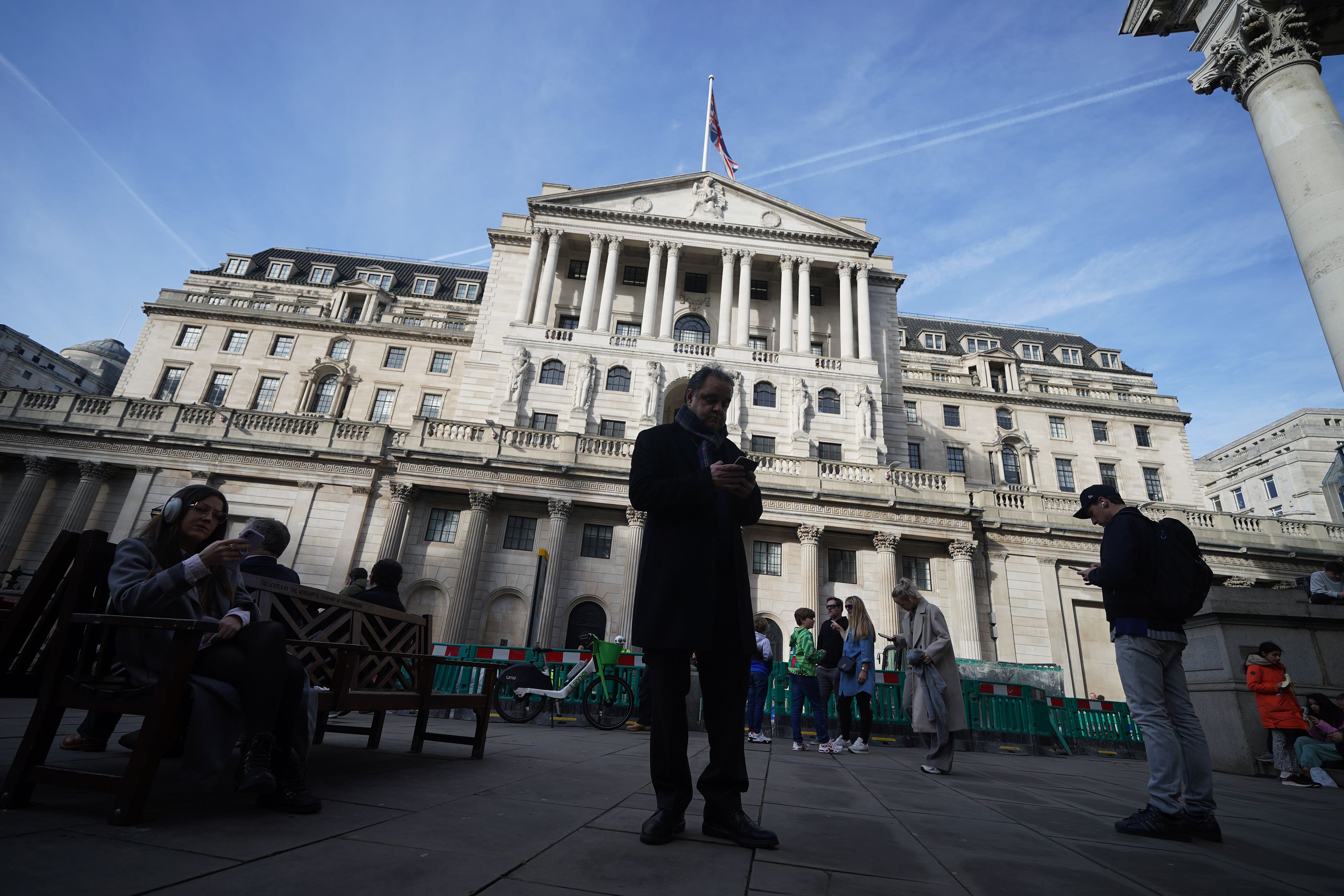
Interest rates came down again, which was a heartening end to 2025. Looking at the next 12 months, though, there is a real case for crossing fingers and toes.
Why so? Because so much remains fragile and volatile. There could be the implosion of the AI bubble, in which case, all bets are off – so much money has been committed to the technology’s development, in one headlong rush, that the fallout may be deep and long-lasting, dwarfing the dotcom era’s demise.
Likewise, there could be a private credit collapse, which would evoke memories of another crisis: that of 2008. The parallels are uncanny – as they are between AI and dotcom. But there is one major difference, which is that the amount of cash written off would be far greater.
In both AI and private credit, the levels of funding tied up are off the scale. Some of it is solidly based, some is not. As ever, the desire to get in on the action, to not miss out, to make a killing, has been so overwhelming as to prompt investors to throw their usual caution out of the window. That’s exactly what occurred with dotcom, and with the banking meltdown.
Let us hope history’s habit of repeating itself does not apply on this occasion. What is depressing, writing this, is the knowledge that the dotcom bubble blew apart in 1999, and credit dried up nine years later. Here we are heading into 2026, and the possibility of a repeat is very real. Our ability to not learn, to ignore and to forget, is frightening.

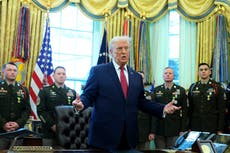

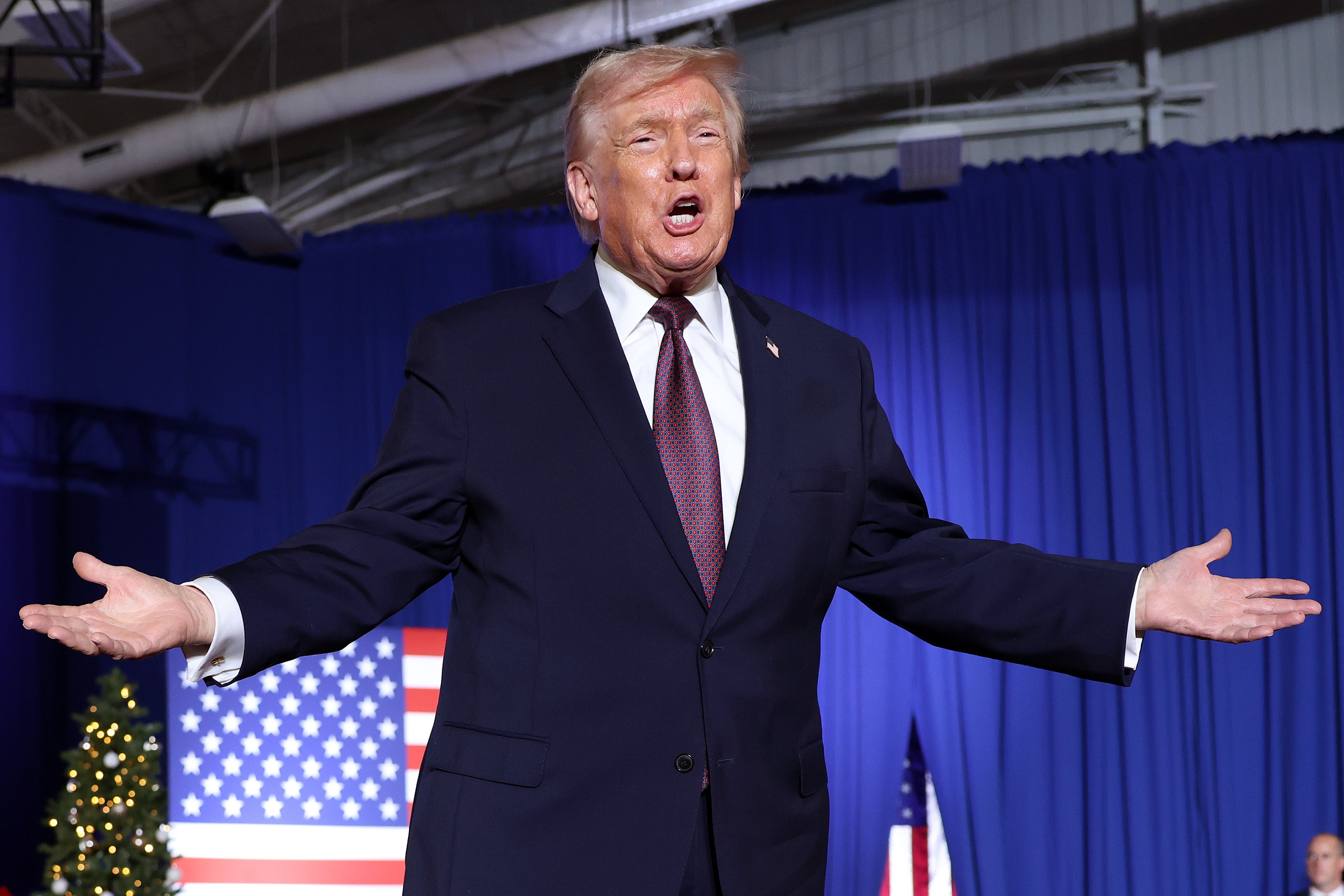
This, too, without Donald Trump. Because if there is one name that provoked consternation bordering on panic in the business world in 2025, it was his. The US president’s ability to upset the best-laid plans was remarkable. From the moment he unveiled his tariffs scorecard, the rest of the world has been playing catch-up. The effects of his wholesale revolution are still to be properly felt.
Perhaps rising domestic prices will teach him a lesson, and he will calm down. Somehow, though, that feels like wishful thinking – Trump and calm are not words that sit easily together. What surprises does he have in store? Who knows. Indeed, you wonder if he himself knows.
An end to the war in Ukraine would provide some certainty in energy prices, restoring stability to a market skewed by the conflict and by Vladimir Putin’s weaponisation of fuel supply. Britain could begin to feel less exposed. The lack of its own oil and gas is one of the factors leaving the UK vulnerable to world shocks. It’s something this government, and to be fair, previous recent governments, have failed to address successfully.
Domestically, the British economy remains fragile. Growth is flat, inflation is an ever-lurking risk, consumer spending is tight. The re-evaluation of business rates is only just dawning, and the consequences could be far-reaching. Hospitality is already warning of pub and restaurant closures and concomitant job losses, and they are bound to happen, more so if December, usually the industry’s banker, proves to have been a disappointment.
That’s also true of retail, where the high street is increasingly treacherous. Expect news of insolvencies, and the knock-on impacts, in the coming weeks.
This will not be music to ministers’ ears. If past form is a guide, they will insist that Britain is on the right track, and that they know what they’re doing. But they seem disconnected, oblivious to what is unfolding on the ground in their constituencies, choosing to stick to a well-worn mantra of pursuing growth without any tangible sign of progress.
More and more, Britain is a two-step economy. There’s one for the public sector, which runs up ever larger bills – not least in wages that continue to soar, let alone pensions – and another for the private sector, which is expected to fund its public counterpart. There’s little marrying of the two, so one is leant upon to carry the burden for the other, and that weight grows ever heavier.
It would matter less if that dependency were recognised. Instead, it isn’t, so the Labour left happily passes legislation protecting workers’ rights, with little appreciation of the headaches this will cause employers, who must abide by it. At the same time, ministers target that very same swathe of society for increases in national insurance contributions and other taxes. They want it both ways.
After Trump, another name that resonated loudly in 2025 was that of Rachel Reeves. She delivered her Budget, but it won’t be too long before attention turns to the next one. Surely, the nation cannot be made to endure months of briefing and counterbriefing; surely it will change.
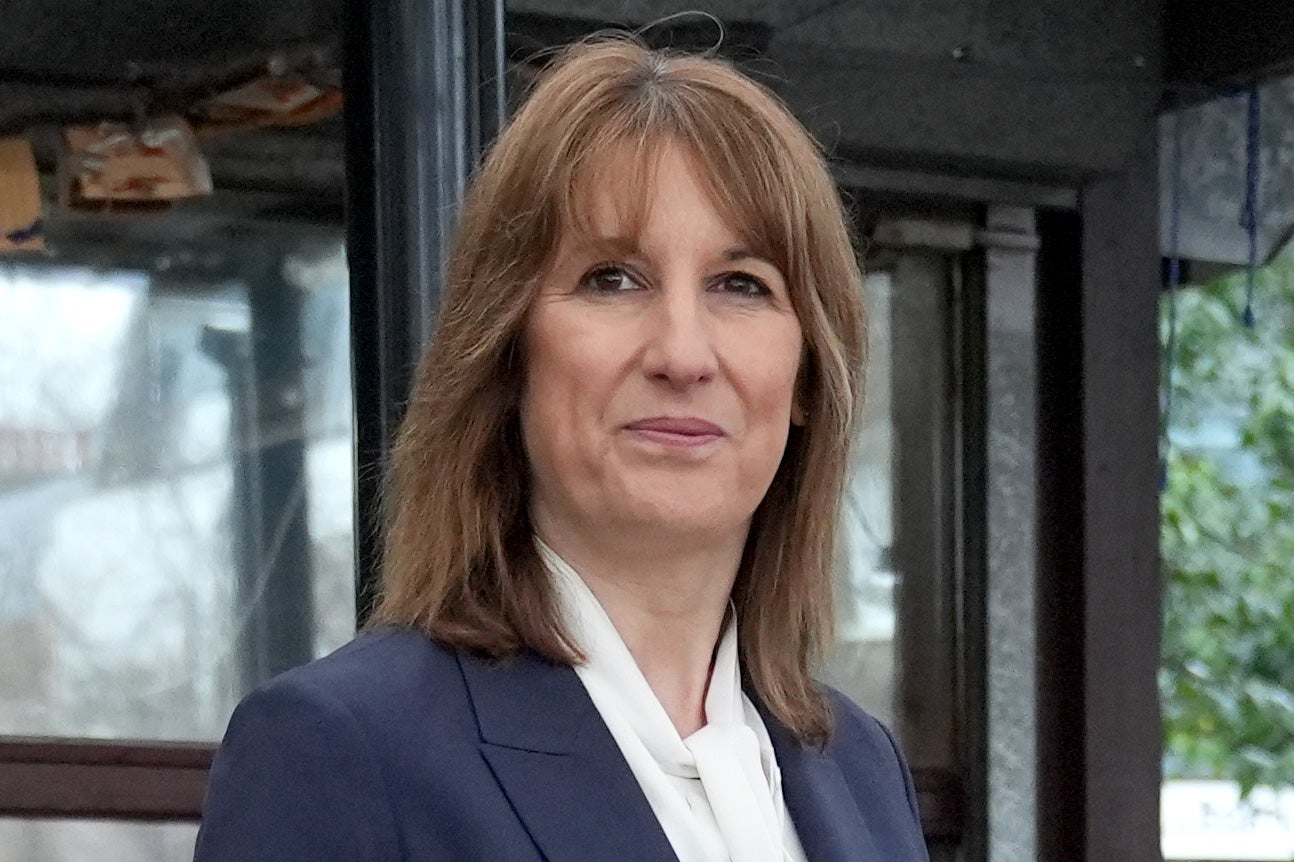
It may be, of course, that we shall have a new chancellor. But first, you suspect, that would require a different prime minister. Keir Starmer has too much invested in Reeves to abandon her; if she goes, he goes. Her Budget was designed to shore up their joint appeal to the Labour back benches. It was unashamedly political, if not downright cynical.
It may have pleased Labour MPs, but for the country at large, it had little effect – Starmer’s personal rating is low. Those same one-time supporters may decide “enough”, and the would-be successors are circling. Starmer, though, may be playing a canny game, drawing them out, letting them show their true colours, safe in the knowledge that none of them commands sufficient support to unseat him; that while they posture and preen, his experience and solidity shine through – divide and rule could be his philosophy.
The severe test will not come until May, and the local elections. If Labour does terribly (that’s assuming they even go ahead, because the government gives the impression of trying to have them delayed) then Starmer and Reeves may be toast. As will Kemi Badenoch if the Tories also suffer.
At some theme parks, they’re known as “coaster enthusiasts” or “ride warriors” – the folk who ride the rollercoasters over and over. As we enter 2026, we must be like them.
Join our commenting forum
Join thought-provoking conversations, follow other Independent readers and see their replies
Comments
Bookmark popover
Removed from bookmarks