We miss the high-street shops only when they’ve gone – and by then it’s too late
Because retail jobs disappear from the high street in dribs and drabs there is little sense of drama. But there should be, warns Chris Blackhurst

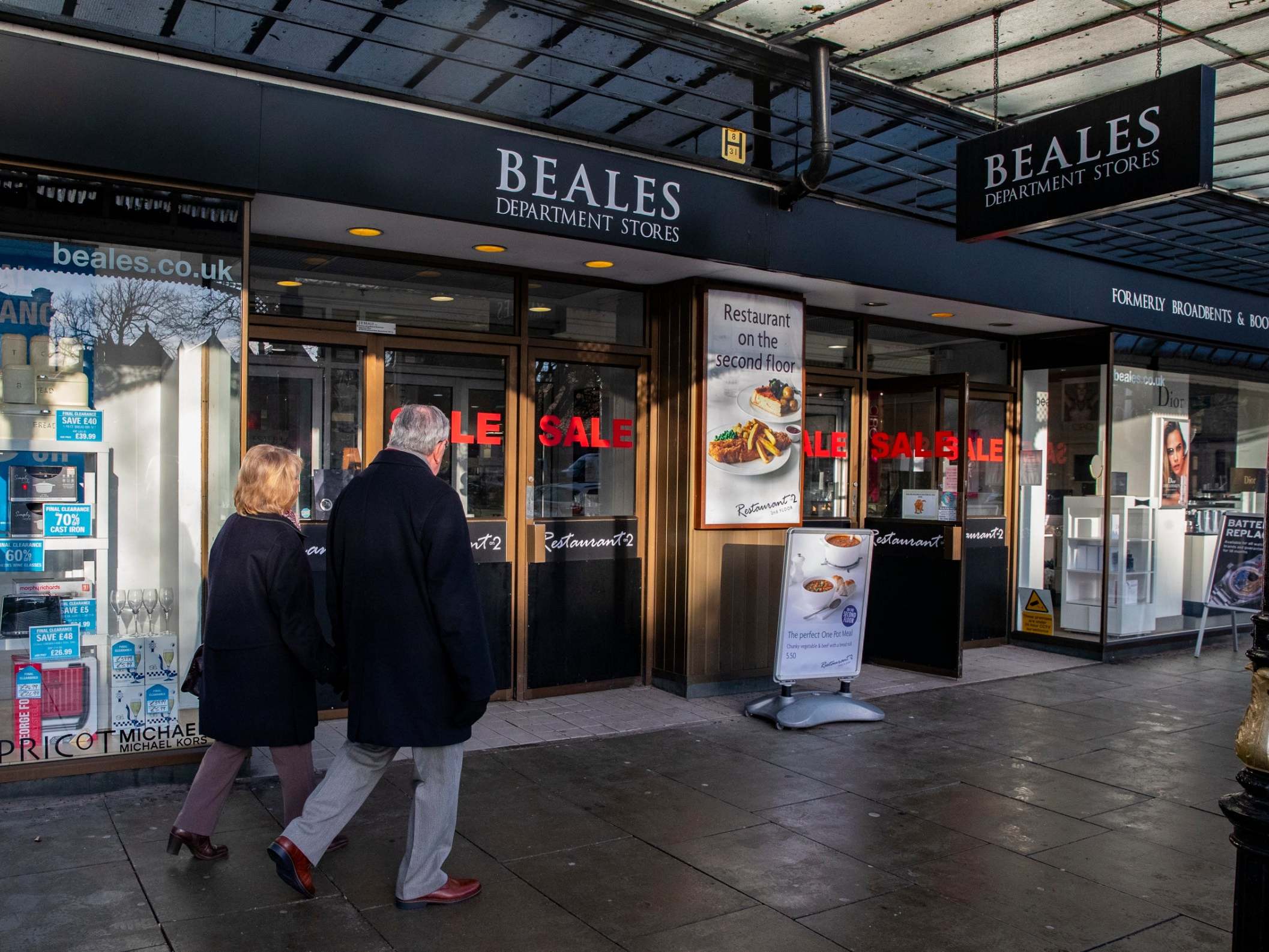
It has become a depressingly familiar ritual. A store chain closes, and people come forward to say how much they loved it, and how they will miss it. So it is with Beales, the department store group. A newspaper dispatches one of its reporters to Bournemouth to write about the retailer going into administration.
Step up Edna Southworth and Lis Gray, “clutching half-price bedclothes and duvets” as they leave the shop, now holding its final closing down sale. “I’ve been shopping here for 50 years,” Gray tells The Guardian. “It’s always been the store to come to. It will be such a shame if it vanished from this street and a disaster for the town centre. Our generation grew up with stores like this. They’re a big part of our lives.”
Established in 1881, Beales is shutting simply because not enough folk adhered to the corporate motto: “It has to be Beales”. Alas, too many of them presumably said to themselves: “It has to be Amazon”.
Founded by John Elmes Beales as the Fancy Fair and Oriental House, the firm first sold Chinese and Japanese-style products and artefacts. Subsequently, that offering broadened out, and the company opened more branches and simplified the name to Beales. They went public, floating on the stock market, and later, back to private. At the time of closure, there were 23 branches of Beales, selling everything from fashion to furniture to cosmetics to toys, and employing more than 1,000 people.
Their jobs have now perished, joining the 10,000 that went from our retailing sector just in January alone. Along with Beales, the “closed” boards went up at outlets of Debenhams, Game, HMV, Arcadia and Mothercare. Toy seller Hawkin’s Bazaar is also in administration, and supermarkets Sainsbury’s, Asda and Morrisons are slashing staff.
Overall, 2019 recorded 140,000 job losses in retail. It’s a number that should make you pause. Imagine, if one giant business went under, and an equivalent total of employees were axed. Just think about the fuss that would create, dominating the news for days, MPs seeking emergency debates, unions venting their dismay and fury, councils and community groups going mad, the government holding urgent talks and facing intense pressure to intervene.
Yet, because the retail jobs disappear from the high street in dribs and drabs there is little sense of drama, no feeling of national emergency. But there should be. It’s only going to get worse: this year, the Centre for Retail Research is predicting an even higher total.
Back to Bournemouth, and Suzanne Hesketh. “I bought a set of saucepans from here 25 years ago,” she says. “They’re still going strong. We bought a three-piece suite here. It was too soft but their after-sale service was fantastic. This store is part of our history.”
Hesketh sums up part of the problem. A set of saucepans, 25 years ago. Would she buy a set of pans from Beales today? As much as she professes to adore the place, I doubt it. Not when you can get them for a lot less online. And even if, out of some sense of loyalty, Hesketh was to choose Beales for her pans again, would others, in sufficient numbers?
This description, though, sums up the plight of Beales and countless shops up and down the land. In Bournemouth, the store that happens to be the firm’s flagship is “much more than a shop. It is also a place for friends to meet. Its canopy is a shelter for homeless people and Jehovah’s Witnesses. Many people wonder where they will find a comfortable toilet if Beales closes”.
Charlotte Mason is interviewed. She’s just come out of the shop with her three-year grandson, Huxley, having found a toy motorcycle for the boy. “It’s a big landmark for the town. It would be sorely missed,” says Mason. “And we’ll be left with another bloody empty shop.” But, would Mason have bought the toy if the store had not been closing and the prices, therefore, discounted, if the motorcycle was still at full price?
Here’s Josh Wright, who covers council matters for the Bournemouth Echo. He’s buying kitchen knives and a chopping board. “It’s the first place you notice when you walk down this street.” Wright, however, also admits to being part of the problem: he does most of his shopping online.
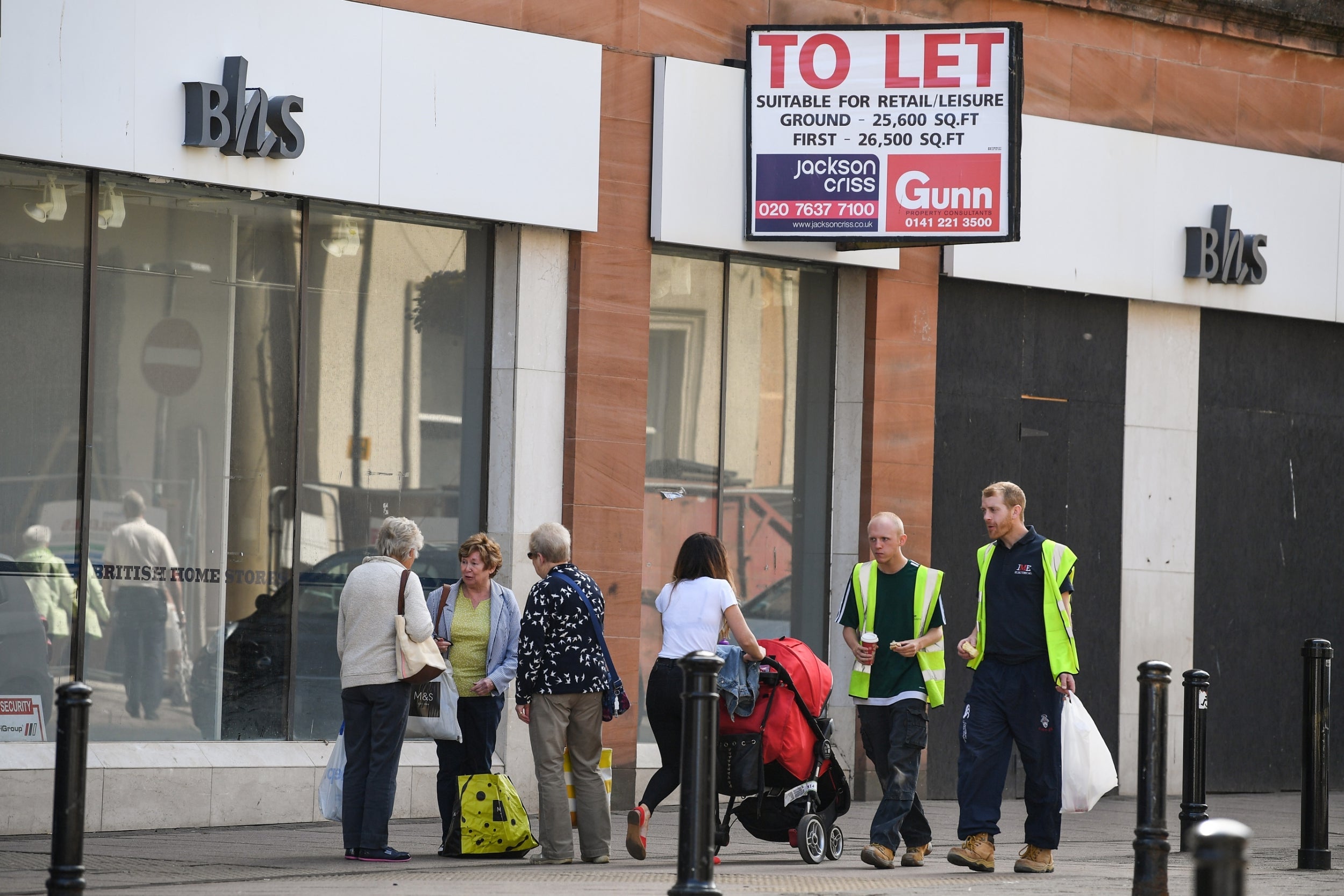
It’s a picture replicated all over Britain. We love our shops, but we don’t go there like we used to. We’re buying online. We miss the old shops only when they’re gone – and by then it’s too late.
Beales was having to compete with the likes of Amazon, while it was being asked to cough up a mighty £440,000 a year in business rates to Bournemouth, Christchurch and Poole council. This is a bill that Amazon, absent from bricks and mortar, except in its warehouses, largely does not have to pay. Factor in Beales’ remaining 22 branches, and consider the company’s total business rates expense, and you can see how competition between traditional retailers and online is badly skewed.
Councils are stuck. They could waive the business rates and aid the embattled retailers, but they would only have to find the money from elsewhere, from other services and budgets, as business rates are a national tax that must be paid. They are obliged to collect them on the government’s behalf.
So, on we go, into another year and more depressing news. And more articles saying how much we love our shops that are shutting, and how we will miss them. Crisis, what crisis?
Join our commenting forum
Join thought-provoking conversations, follow other Independent readers and see their replies
Comments
Bookmark popover
Removed from bookmarks