How will travel be affected by Covid-19’s downgraded status?
Simon Calder answers your questions on refunds, railcards and the continuing uncertainty around taking holidays abroad this summer

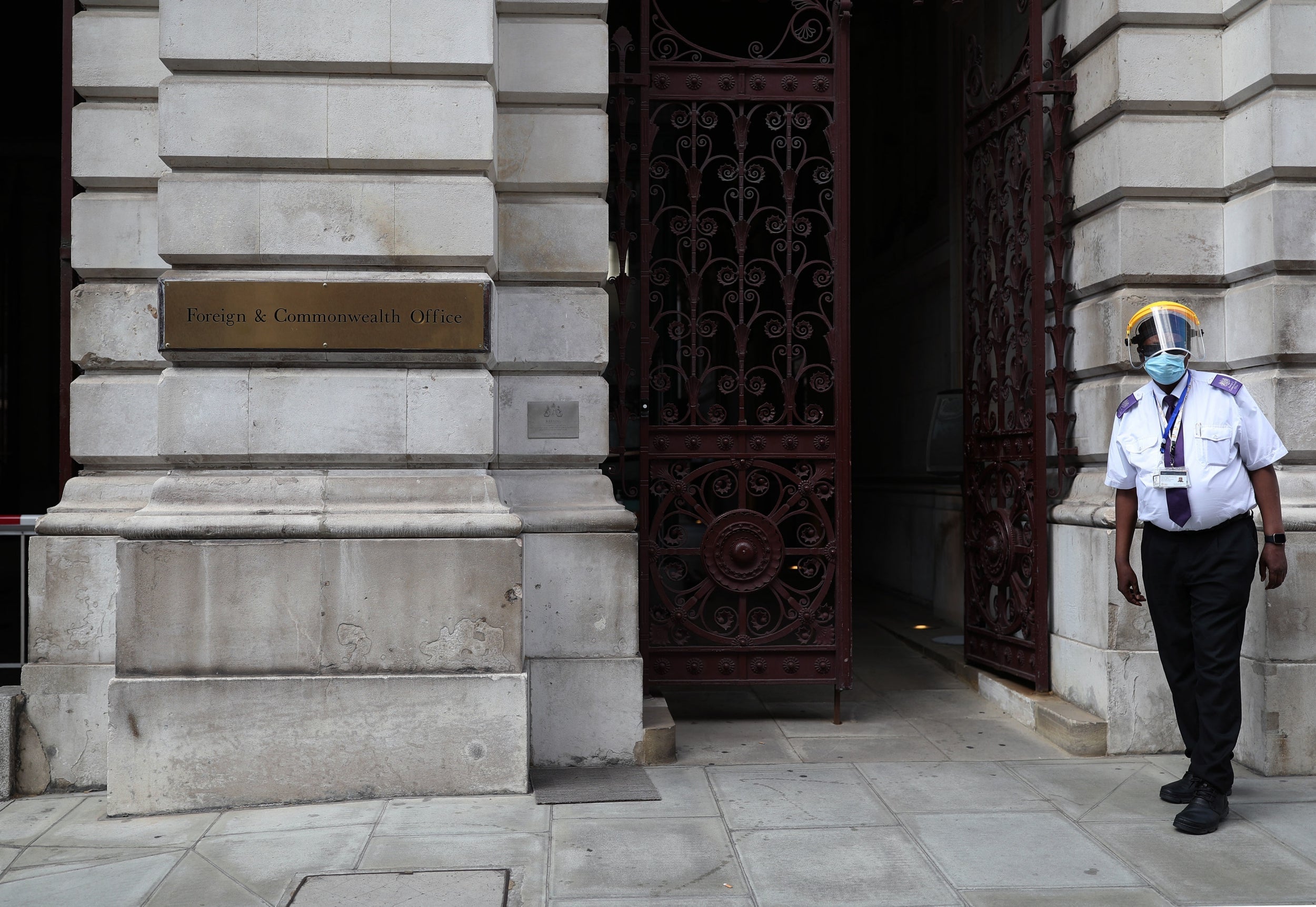
Q As the Covid-19 status has been downgraded by the government, when will the Foreign Office change its advice?
Name supplied
A Allow me to outline the current travel advice for UK citizens, and what it means.
The Foreign Office has warned against all but essential travel anywhere abroad since 17 March. At first the travel ban was for 30 days, but early in April the government extended the advice until further notice.
On social media, it wrote: “Travel update: the Foreign Office indefinitely advises against all non-essential global travel.”
This unprecedented advice created a bizarre situation whereby holidaymakers booked to travel any time this summer can legitimately ask for a refund because their trip appears, in all likelihood, to be cancelled.
Yet conversely, travel firms can reasonably reject such applications for now because the no-go warning could theoretically be lifted at any moment.
In response, the biggest travel companies – Tui and Jet2 – have instigated “rolling cancellations” – every few weeks cancelling another tranche of holidays. The current restart dates are 11 July and 16 July respectively.
Understandably, they hold out as long as they think they can, because as soon as they cancel a holiday it triggers an obligation to provide a full cash refund.
Anyone who decides to travel against the advice is likely to nullify their travel insurance. This has the possibly unintended consequence of, for example, causing a person who has an ill family member in Greece to travel there uninsured.
Yet the reasons for imposing this draconian rule have long since disappeared. It was never to do with the danger of contracting coronavirus.
It was brought in, very reasonably, at a time when borders were being closed at extremely short notice across the world, and when sudden flight bans were leaving British travellers stranded thousands of miles from home.
From a wide range of destinations, particularly in Europe and the Mediterranean, that set of circumstances no longer prevails.
Every week I write to the Foreign Office asking politely if it will therefore kindly introduce more nuanced advice, and every week it writes politely back saying it keeps the advice under constant review.
I now expect it to be relaxed on 4 July or shortly before, but only for specific named countries – likely to start with our European favourites.

Q Back in February, my girlfriend and I booked flights to Naples for a week, departing 10 July. Since the coronavirus crisis took hold, we had more or less written off the idea of actually being able to use them. But given that Europe does appear to be gradually reopening, and we still have over three weeks to go, we’re now thinking it could actually be possible. Do you think it might happen?
Although easyjet has offered us a voucher to be used within the next year, given how much flights seem to be going up I’m not sure we’d get much for it. We’ve not booked accommodation or anything but are we right to assume that we wouldn’t have too much difficulty if we decide to go ahead?
Name supplied
A Naples is an excellent choice. In a very crowded field of great Italian cities, it is my favourite: for the contrast of grandeur and grit, the cuisine, the outstanding archaeological museum and the spectacular location. The city also has many wonders close by, with the Circumvesuviana railway rattling around the Bay of Naples under the shadow of Vesuvius. You can use the train to visit the ancient ruined port city of Herculaneum, the more celebrated Pompeii and finally the blissful town of Sorrento. Also consider an outing to the summit of the smouldering volcano.
But first you have to get there. Let me address each element of the trip, starting with the flights. The fact that easyJet has offered you a voucher makes me think that it is probably about to cancel the flights you booked. Fortunately, the airline must offer to buy you suitable alternative tickets – for example on Alitalia via Rome; British Airways appears to have dropped flights from Gatwick in July.
You could instead choose a full cash refund, and find some cheap tickets on your own. As there are likely to be some absurdly good deals in mid-July, you might equally decide to switch to a different destination entirely and save Naples for another trip. You are shrewd not to book accommodation yet. Across Europe it will be a buyer’s market this summer. I suggest you don’t commit until very shortly before your trip, just in case anything else goes wrong with the world.

Q I’ve tried but failed to get an extension to my senior railcard because I haven’t been able to use it for months. The argument against any extension is that you can get the cost of the railcard back by taking just one long railway trip. But the train company can see from my online account with them that I only use it once on a train trip of about one hour to visit my daughter, so have certainly not recouped my original outlay. I would just like three months extra tagged onto the expiry date. Is that unreasonable?
Christine B
A Millions of railcard holders have seen the value of their cards erode over the past three months. No one can travel by train in Britain except for essential journeys, rendering the typical railcard – costing £30 for a year – currently worthless. I have been repeatedly in touch with the Rail Delivery Group, which is ultimately responsible for annual railcards, to see if they have softened their policy.
A spokesperson repeated to me what you have already heard: “Railcards provide great value for customers as the cost can often be covered by the savings they offer in a single journey – which is why they are normally non-refundable and cannot be extended.” The spokesperson added that the rail industry is doing everything it can to refund tickets bought in advance.
It makes perfect sense that refunds on railcards should not be available in normal times. Otherwise, unscrupulous and occasional passengers could apply for a card, make a one-off journey and then return the railcard for a refund – accessing discounted travel for almost free.
Since no one has been buying railcards recently, the argument goes, it is highly likely that most holders will have already saved the money they spent on it. I’m not wholly in agreement with that theory because people make a decision to invest in a railcard based on their forecast travel patterns. Saying “Oh, well you’re already better off” does not apply if they might otherwise have structured their journeys differently.
I hope that the rail firms will decide to offer loyal holders either a discount (say £10) when renewing or, as you suggest, tag an extra three months on at the renewal stage.
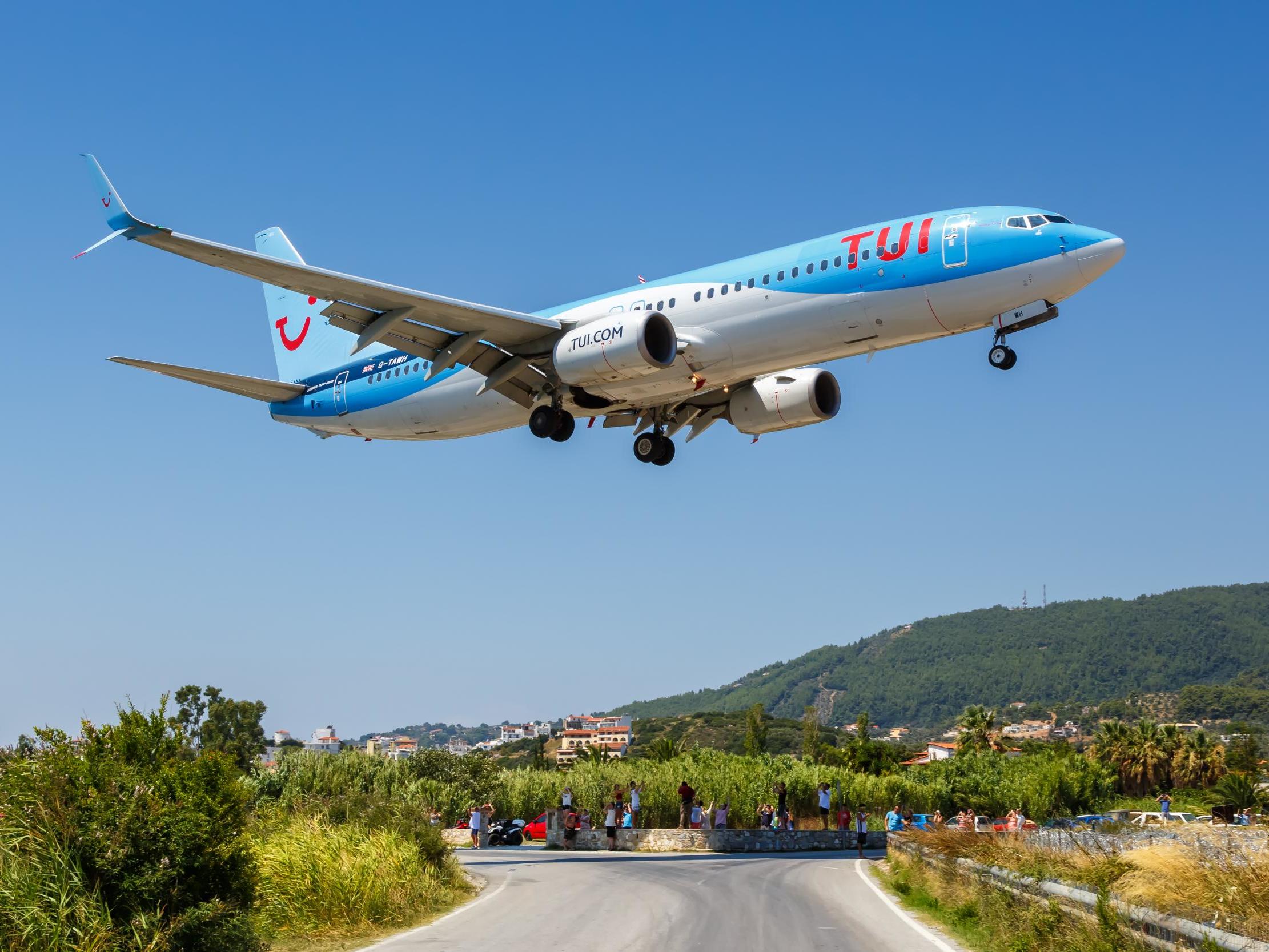
Q I had a holiday to Greece booked with Tui, departing on 12 August. I had no choice but to cancel it, due to the current Foreign Office advice against non-essential travel, Greece being closed at present with no lead date to foreign visitors, having no holiday insurance against Covid for my family while abroad, and the current UK quarantine requirement for 14 days’ self-isolation on arrival back home.
The company has withheld the £600 deposit. I have been emailing the directors to ask for the full cost to be refunded and said that I would accept a credit note to ensure my loyalty remains with the Tui brand for many future years. So far no response. Can you help?
Name supplied
A Sorry, I can’t help. I am afraid that your decision to cancel this trip looks hasty. Let me run through the reasons for cancellation you list. If the Foreign Office advice against non-essential travel still prevails on 12 August, Tui would automatically cancel your trip and refund your money. The same applies if Greece were to close to British holidaymakers.
I note that you have “no holiday insurance against Covid for my family while abroad”. That could be because your policy excludes pandemics or because you chose not to take out travel insurance at the time of booking. Either way, your European Health Insurance Card would provide free treatment at public hospitals – at least until the end of the year.
Finally, the current quarantine requirement for 14 days of self-isolation for returning holidaymakers is extremely unlikely to pertain by 19 August, which is the earliest date I calculate you would have returned. Were it still in place by then, despite all the evidence that quarantine is futile and counterproductive, it is likely that Tui and other firms would cancel rather than subject customers to two weeks of self-isolation on return.
As I am sure you appreciate, following your decision to cancel, Tui is legally entitled to apply the terms that pertained when you booked the trip. And you are entitled to spend your money wherever you wish in future.
Email your question to s@hols.tv or tweet @simoncalder
Join our commenting forum
Join thought-provoking conversations, follow other Independent readers and see their replies
Comments
Bookmark popover
Removed from bookmarks