As lockdown measures are lifted, is it safer to drive or fly to France?
Simon Calder answers your questions on aviation regulations, cancelled trips and the 14-day quarantine

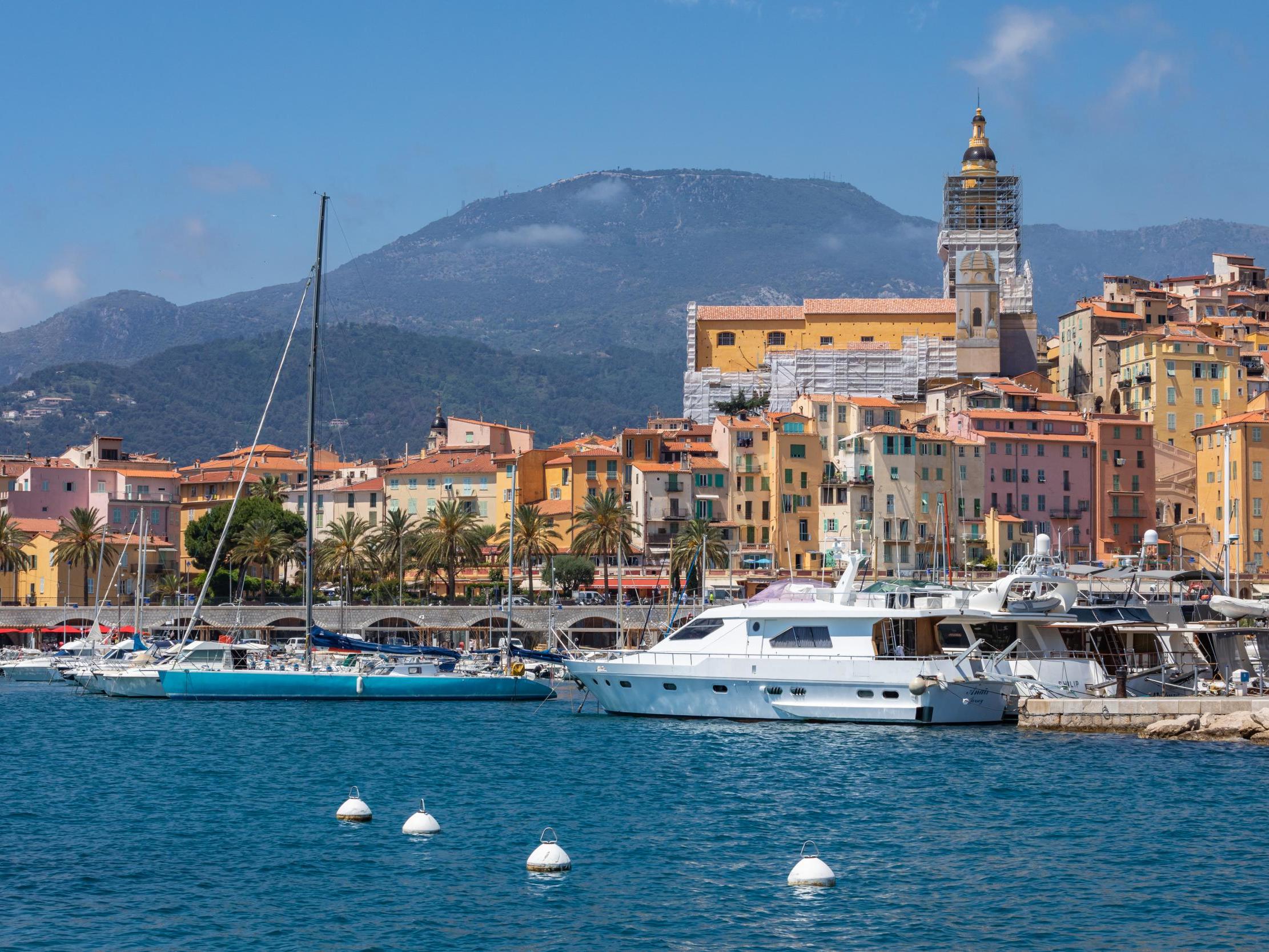
Q I read your article about the first easyJet flight and the government’s new rules for aviation. But whatever precautions are taken, surely I will be safer driving my car on to a Eurotunnel shuttle and heading for the south of France than risking getting on board a plane?
Sally H
A Just before easyJet resumed flying after an 11-week break, the Department for Transport published advice on the “new normal” for aviation. The recommendations (not yet rules) include checking in all bags so there is no faffing around with cabin luggage; remaining seated as much as possible on board (easyJet and Ryanair say any passenger hoping to use the loo must first ding the call bell to ask for permission); and use contactless payment where possible – although easyJet is serving nothing more appetising than water on its flights.
Most airports and airlines have made the wearing of face coverings mandatory throughout the process, including on board planes. Constantly washing your hands remains the best way to reduce the risk of infection.
There is also the stipulation: “Make the cabin crew aware if you become ill.” It goes without saying that you should not travel if you are feeling at all unwell. Many airlines are modifying their policies to allow travellers who cannot fly because of Covid-19 symptoms to defer without penalty.
Ultimately, though, financially viable aviation is incompatible with social distancing, and anyone who flies must be prepared to accept a small amount of risk of contracting coronavirus. But there are many more risks out there. I must say that driving to the south of France would scare me much more than the prospect of contracting a nasty virus that sadly has killed many vulnerable people.
There is also the risk that you will waste a good two days of your life on the autoroutes, when you could be enjoying the Cote d’Azur. However, if you are able to build in time to explore some fabulous parts of France on the way there and back, such as the Champagne region, the Massif Central and the Rhone Valley, then it becomes a road trip – with no lesser risks, but greater rewards.

Q I am desperate to go back to my “true home” in Costa Rica. Last year I made two flight bookings with British Airways for this year from Gatwick to San Jose – one in May, the other in September. BA cancelled my flights from Gatwick to San Jose for May (and gave me a voucher). The airline has also just cancelled my September trip.
San Jose airport is possibly opening next month and other airlines are still selling tickets. So do you know of any reason why British Airways would have cancelled? If the other airlines operate, am I allowed to transfer via Madrid, Frankfurt or Miami?
Sue C
A The May cancellation was in response to the near-total shutdown of aviation as countries put restrictions in place to try to keep their populations safe. Costa Rica currently bans anyone who is neither a citizen nor a legal resident from entering the country by land, sea or air, until July at the earliest.
When British Airways cancelled your first flight, there were clearly no alternative routings available. You should have been offered a choice between a full cash refund or a voucher. (I am surprised to hear you accepted the latter, because – unlike other airlines – BA offers no bonus for taking a voucher.)
British Airways has now cancelled your flight along with hundreds of others, as it reduces the scale of its operation by one-third. Flights to San Jose and Lima, the two mainland Latin America destinations from Gatwick, are clear candidates for cancellations: they are long and expensive routes, and without the reliable premium traffic to the key Caribbean destinations of Barbados, Antigua and St Lucia.
Airlines are perfectly entitled to axe flights for commercial reasons. So long as they let you know two weeks or more in advance, they need not pay compensation.
But British Airways must offer you an alternative flight on a different airline, as well as the cash refund option. Having said that, I am seeing fares on Air France/KLM via Paris/Amsterdam of £450 return in September – which I imagine is significantly less than you paid, possibly in the £600-£700 range? So I suggest you get your money back and rebook.
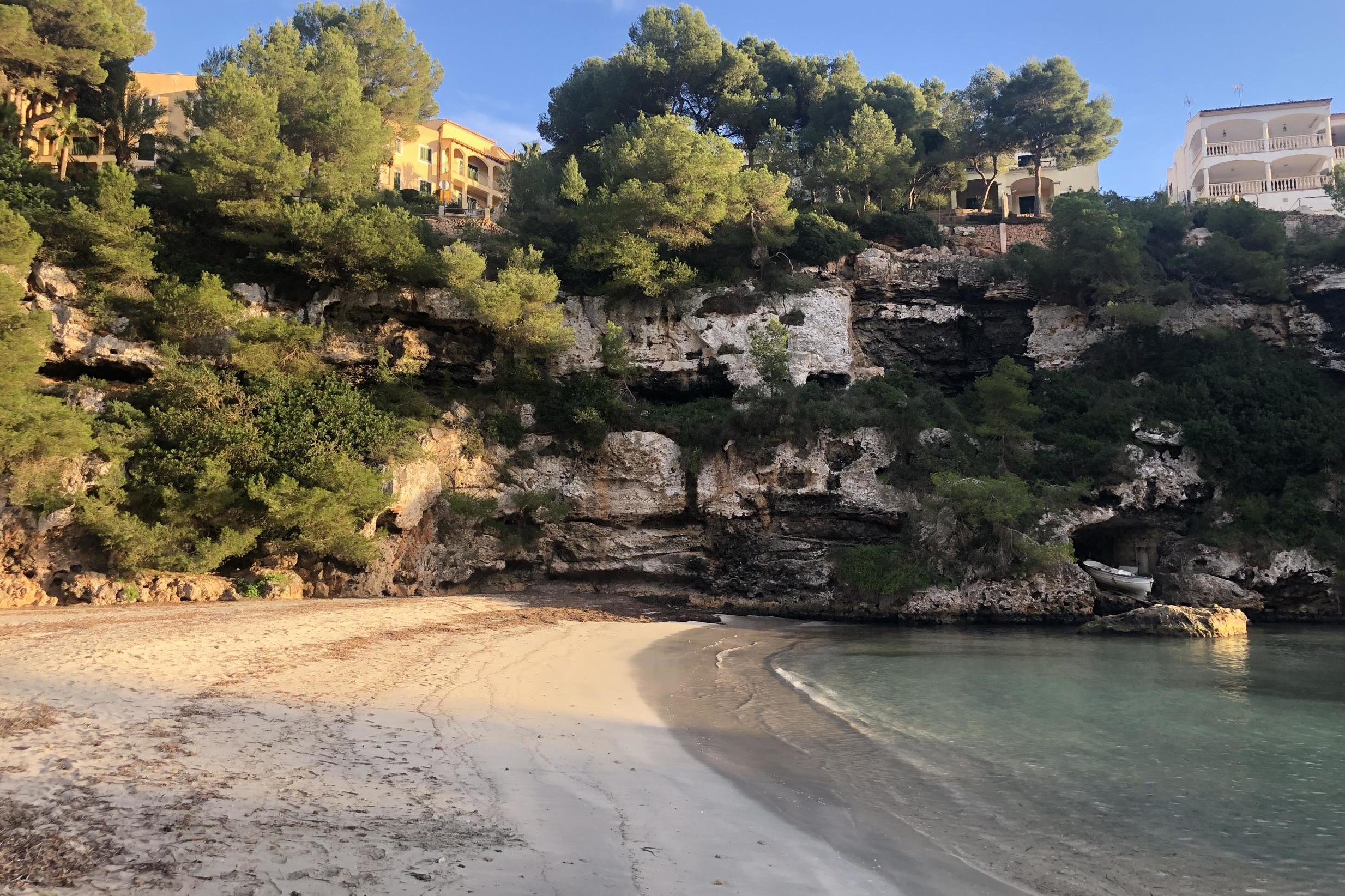
Q I am a nurse who works in ICU. I have a holiday booked in September to Mallorca with Tui. I have to pay the balance soon, but I am worried the two-week quarantine will still be in place. I am happy to go on holiday but I then can’t take another two weeks off to quarantine. Any advice?
Helen P
A I imagine you will definitely need a holiday by September. I cannot say for certain that the Mallorca trip will go ahead; as we have all discovered in the past few months, planning anything can be fraught with potential problems.
But I am confident that, if you get away on holiday, you will not need to self-isolate for 14 days on your return. The quarantine policy that came in last Monday is, according to the government: “Informed by science, backed by the public and will keep us all safe.”
Unfortunately, as I imagine ministers know, at least two of these are nonsense. While I can’t say what the public thinks of the measure, it was certainly not informed by Sage, the Scientific Advisory Group for Emergencies. The Home Office, which imposed the policy, did not ask Sage for its advice – presumably on the grounds that it feared the scientists would describe it as counterproductive.
Quarantine will certainly not “keep us all safe”; in fact, by preventing millions of healthy British people going abroad to countries with lower rates of Covid-19, it is simply increasing the number of candidates for infection in the UK, and therefore the number of cases here.
The policy was decided at the start of May by the prime minister’s chief adviser, Dominic Cummings. He saw it as a popular distraction from public concern about the government’s handling of care-home deaths.
Besides increasing the number of infections in the UK, quarantine is also causing yet more damage to the airlines and wider travel industry. Naturally, few people will be willing or able to self-isolate when they come home for two weeks. The Department for Transport is well aware of the harm, and is desperate to set up so-called air bridges or travel corridors – no-quarantine deals to neutralise the policy.
These will certainly be in force by some time in July to Spain and other destinations. So please pay the deposit, happy in the knowledge that you will either get a well-deserved holiday or your money back.
Email your question to s@hols.tv or tweet @simoncalder
Join our commenting forum
Join thought-provoking conversations, follow other Independent readers and see their replies
Comments
Bookmark popover
Removed from bookmarks