When will we be able to go on holiday in the different areas of Britain?
Simon Calder answers your questions about staycations, visiting the UK from Romania, paying deposits to cancel holidays, and trips to Mexico

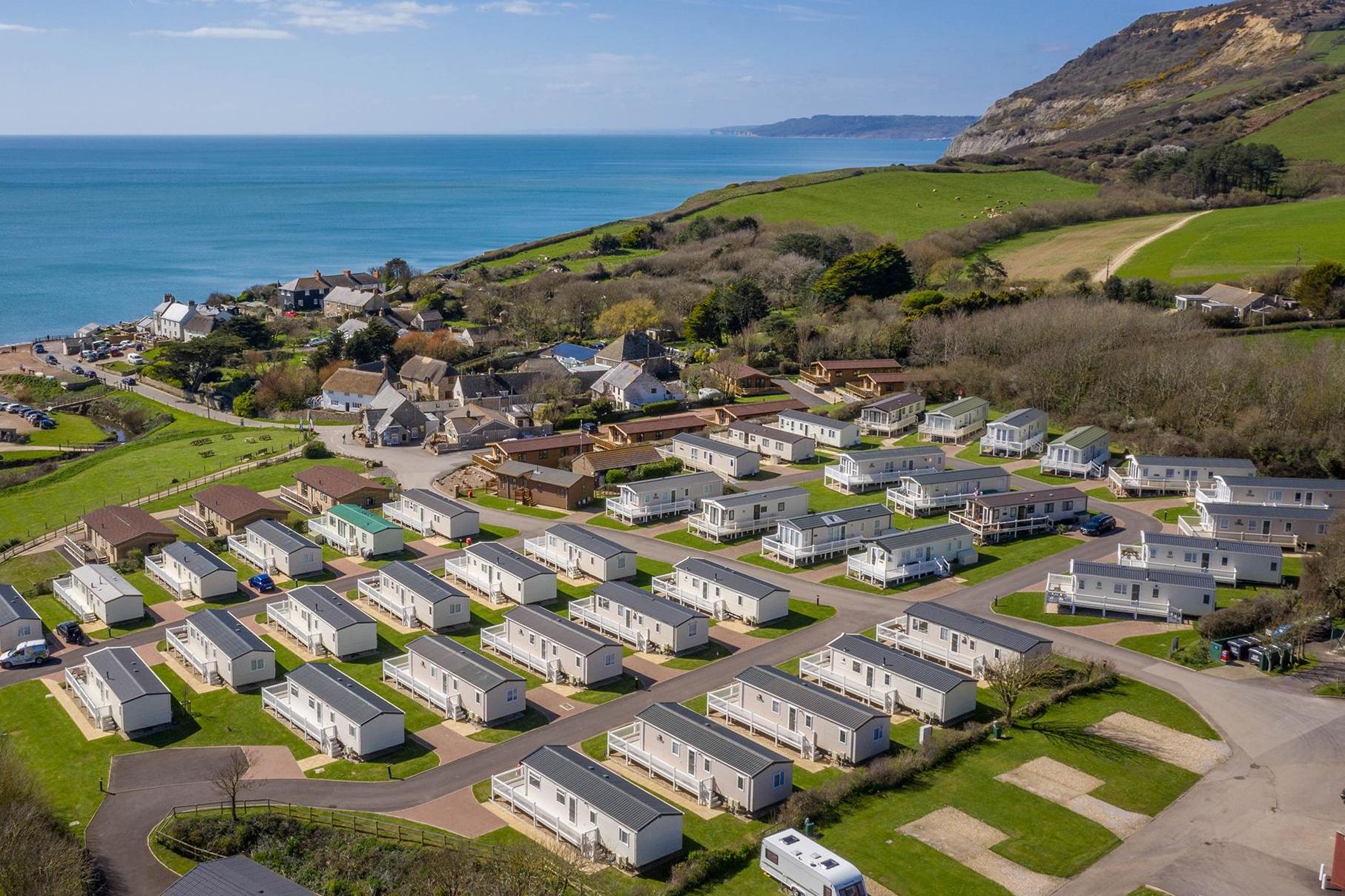
Q After the prime minister’s announcement this week, can you give any more details about when people will be able to holiday within each part of the UK?
Elaine B
A As expected, Boris Johnson said that hotels, B&Bs, caravan parks and campsites in England will be able to open from 4 July. The prime minister did not mention hostels, presumably because they tend to be more communal and are therefore not considered fit to reopen yet.
But England will be a latecomer to the party. The Northern Ireland executive is allowing holiday and caravan parks, camping sites and self-catering properties to open as early as 26 June. Campers in Ulster who want a bit more comfort need wait only until 29 June when they can head across the border into the Republic and take advantage of the hotels and B&Bs that are being allowed to open again. Then it’s back over the Northern Ireland frontier ready for 3 July, which is the earliest that any “roofed” accommodation – including hostels as well as hotels and B&B – will reopen in the UK.
England is next, with B&Bs and hotels allowed to open from 4 July. Swimming pools and spa facilities belonging to hotels will have to remain closed, though, which will lessen the appeal for many prospective guests. Wales eases its lockdown rules on 6 July but no one will be allowed to stay overnight in the principality, away from their main place of residence, until a week later: 13 July. Finally, on 15 July you will be allowed to visit Scotland and stay overnight there.
However, for those of us without access to a car, and who want to travel further than walking or cycling will allow, there is a huge problem: the railways are actively discouraging all but essential journeys. “Only take the trains if you have to,” prospective travellers are told. “Help us keep the railway clear for those who need it most.”
In contrast, National Express is welcoming people who want to travel for leisure. The coach operator says it is “providing a safe option for those who have no alternative to public transport”. So you are able to step aboard a long-distance map with a clear conscience, at least on the limited network that will be operating from 1 July.
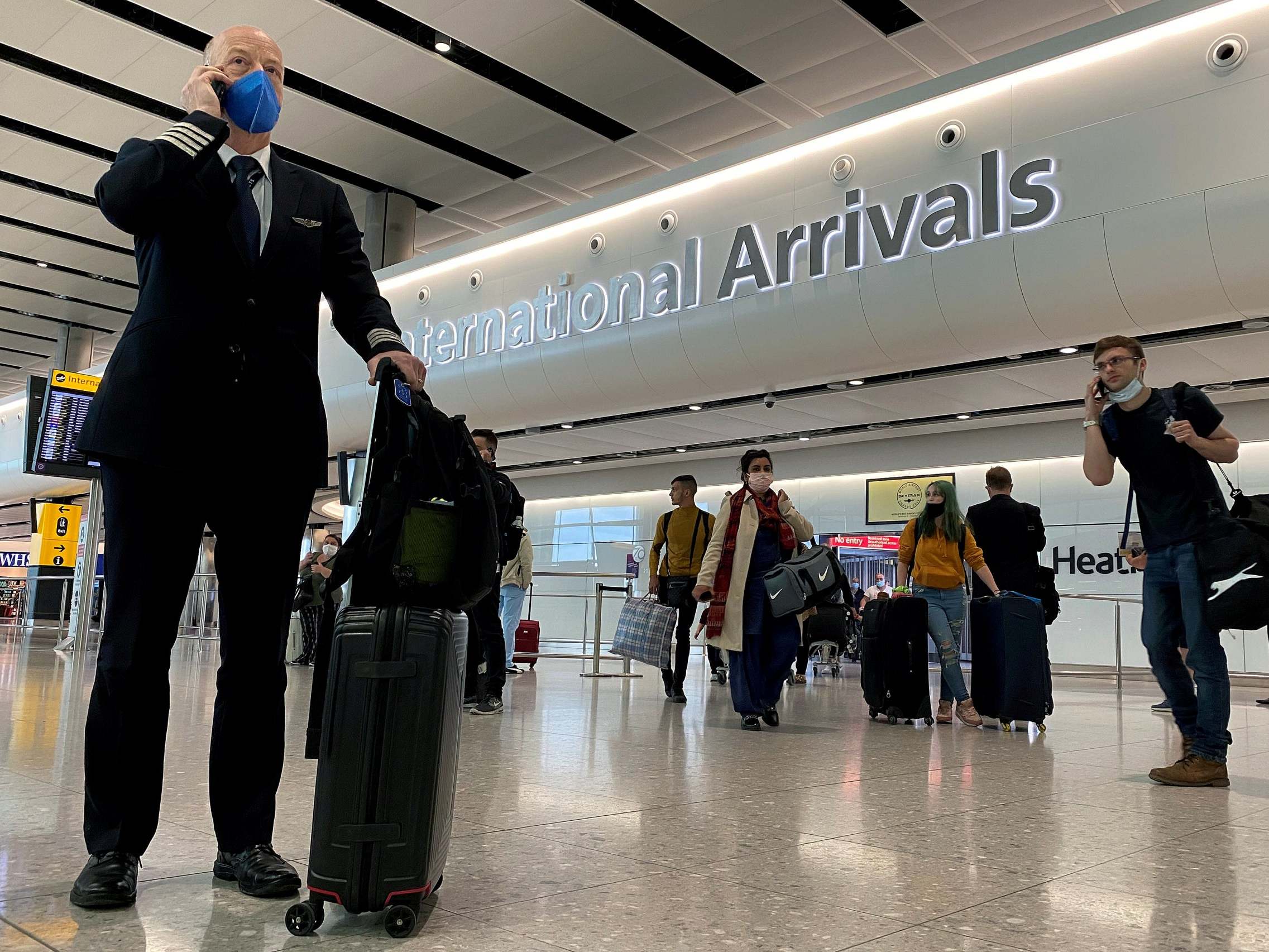
Q I live in Romania and want to visit my son in the UK. I doubt the Romanian government will set up a travel corridor with the UK, or that the UK would want one, so I doubt we will be on the UK’s list. If I choose a flight from Bucharest that has a connection through one of the travel corridors – say I go through Paris to reach the UK – will I have to quarantine for 14 days?
James H
A As things stand, anyone who arrives in the UK from any other country in the world – apart from Ireland – must go straight home and self-isolate for two weeks.
Quarantine, just as other countries were lifting theirs, was brought in on 8 June by the home secretary. Priti Patel insists: “These measures are informed by science, backed by the public and will keep us all safe.” Labour also backed the plan, even though senior medical figures predict that blanket quarantine will, in fact, be counterproductive and cause more harm to the British population than if we were allowed to travel abroad.
One side-effect of the decision is the slow destruction of the UK travel industry, both inbound and outbound. Another is causing stress for prospective holidaymakers – and, more importantly, families such as yours who have been kept apart.
In a fairly shambolic attempt to limit the damage, the government is proposing a system of “air bridges” or “travel corridors”. These are reciprocal no-quarantine deals signed with key destination countries. As you rightly speculate, Romania is unlikely to be one of them, even though its current infection rate is only two-thirds that of the UK. There is no scientific basis for excluding Romania; the quarantine plan was drawn up by Dominic Cummings, the prime minister’s chief adviser, purely for political purposes.
But the law is unlikely to change. Instead, these air bridges will be easements to it, covering (I predict) Spain, France, Portugal, Italy, Greece and some other countries.
Anyone who has been anywhere else in the past 14 days will be expected to declare the fact, even if they come in via Paris, Rome, Barcelona, etc. So yes, you will be expected to self-isolate, and your passport could be checked for any evidence that you have ventured beyond the supposedly “safe” countries.
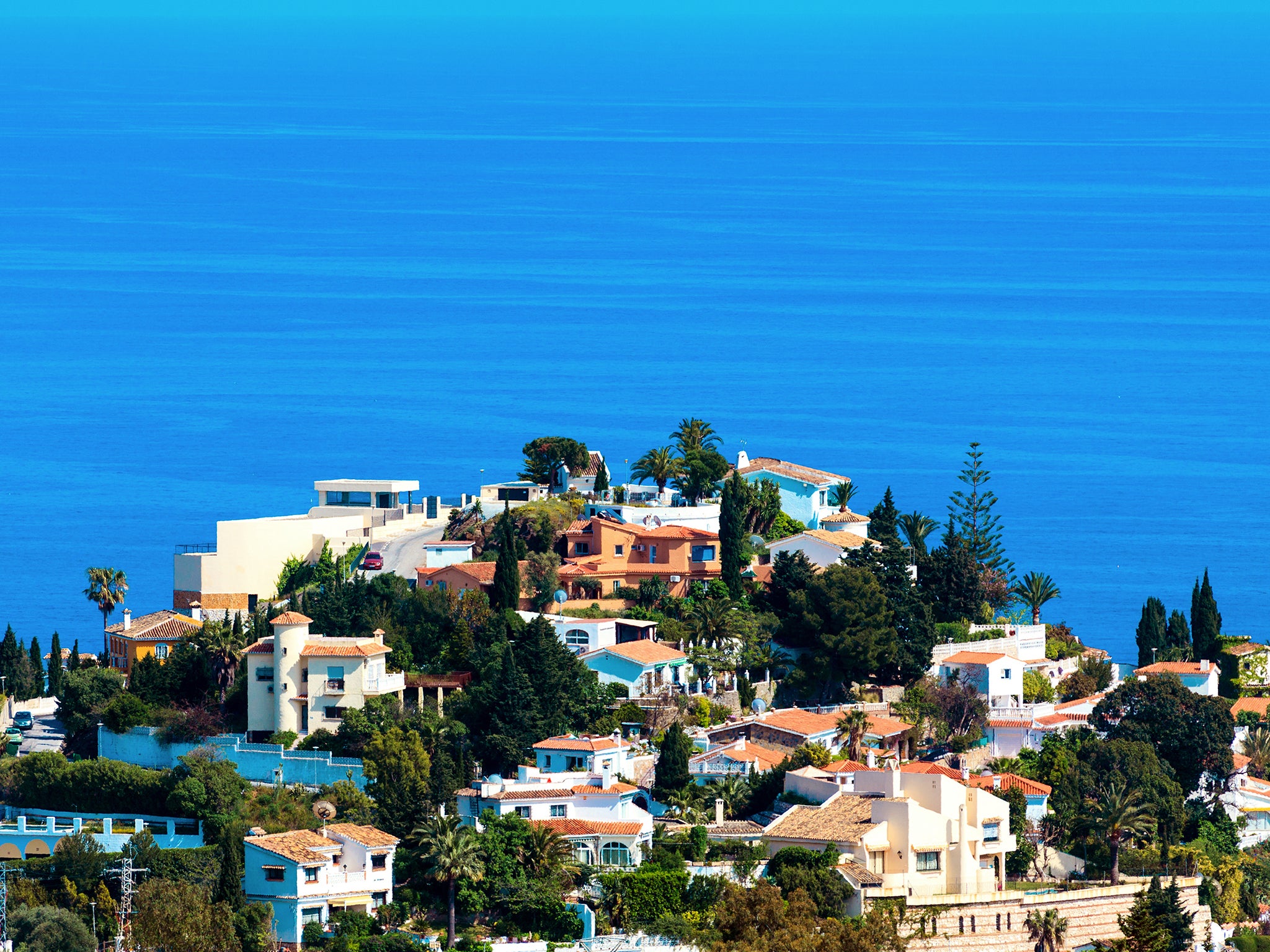
Q Last December we booked a holiday to Benalmadena in Spain, departing 6 September 2020. We used a “low deposit” £50 per person promotion with Tui. The full cost of the holiday was £1,580. Fast forward to this year’s coronavirus, and we are desperate to cancel our holiday. I am a severe asthmatic and wouldn’t dream of holidaying in this current situation.
I originally spoke to them three weeks ago, to cancel our booking, only to be told this would require an additional £265. This is apparently the full cost of the deposit, not merely the £100 we’d been told six months ago. I would have been more than happy to forfeit our original £100, but a further £265 to cancel? We would never dream of holidaying without insurance but unfortunately we hadn’t purchased any because we booked early.
Name supplied
A Many people who booked summer 2020 holidays in good faith have found themselves in this most unfortunate situation: faced with losing hundreds of pounds through no fault of their own.
On normal holiday deals you pay a deposit and if you choose not to travel you forfeit that payment. But anyone who avails of a low-deposit scheme needs to be aware that extricating themselves will prove expensive. As Tui says: “If you book using the low-deposit scheme and then cancel your holiday, the remaining deposit balance will be due on cancellation.” That is why you will be asked for a further £265 when you notify the holiday company of your decision.
I suggest you try to contact the firm, to ask if there can be any flexibility. If you cannot get through, I suggest you email and say you would like the option to postpone; this has been offered to all Tui holidaymakers for departures up to 31 August, frustratingly the week before you travel.
There is a chance that your trip may yet be cancelled, as hundreds of thousands of holidays have already been. You would need to pay the balance if you wanted to take a chance that you would get your cash back. If it does look like going ahead, you can transfer the holiday to friends or family.
It will be little comfort for me to provide a couple of tips for future holidays: if you plan to take out insurance, please do so as soon as you make the booking; and for an off-peak trip such as yours, there is never a need to book more than a week or two in advance.
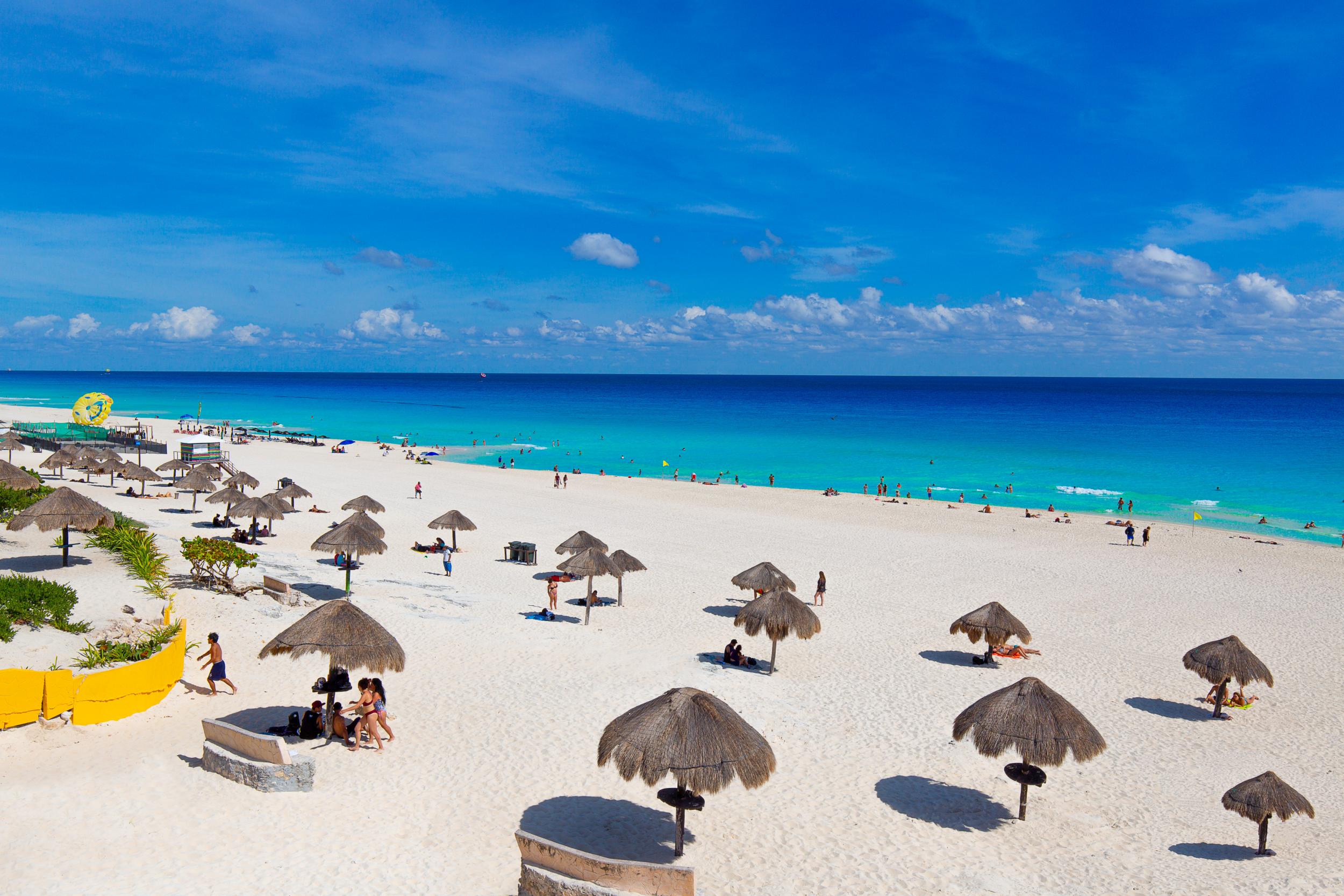
Q My parents are booked to travel to Mexico with Tui in the autumn. In all the talk of “air bridges” to avoid quarantine, I haven’t seen Mexico mentioned anywhere.
Would they still be expected to go even if they then had to go into 14 days of quarantine on their return to the UK?
Sarah S
A No: there is no danger that your parents will be flown anywhere by Tui if, on their return, they would have to self-isolate.
The UK’s biggest holiday company is assuring customers: “We promise we’ll only take you on quarantine-free holidays. This means we won’t travel to places where we know that you’ll need to self-isolate when you arrive or when you return home.”
Which begs the question: when will Mexico and other long-haul destinations be considered “safe” for British holidaymakers to visit?
At present the prevalence of coronavirus appears to be increasing in Mexico and some other Latin American countries. As such, the prospect of an “air bridge” or “travel corridor” deal being agreed between the UK and the Mexican governments looks unlikely.
Ministers say these reciprocal no-quarantine agreements will only be signed if the destination country has Covid-19 under control, and Mexico seems to be seeing increasing numbers.
Given that Tui has just cancelled all its Florida holidays until 1 December, the chances of its Mexican programme surviving intact look remote; I imagine there will be an announcement on this fairly soon.
More broadly, for the second half of 2020 I predict that long-haul travel will be severely diminished. Some destinations are likely to be off the agenda completely; Australia and New Zealand look prime candidates for isolation. Asian destinations appear reluctant to reopen swiftly; and others, such as South Africa, are still to decide.
This is likely to be the year of domestic and regional travel, with the vast majority of people staying close to their home countries.
Email your question to s@hols.tv or tweet @simoncalder
Join our commenting forum
Join thought-provoking conversations, follow other Independent readers and see their replies
Comments
Bookmark popover
Removed from bookmarks