Disabled people treated as ‘afterthought’ during coronavirus crisis, warns Labour
Labour’s shadow equalities secretary, who herself has a severe visual impairment, tells Lizzy Buchan how the government’s plans to help the vulnerable exclude thousands of ill and disabled people

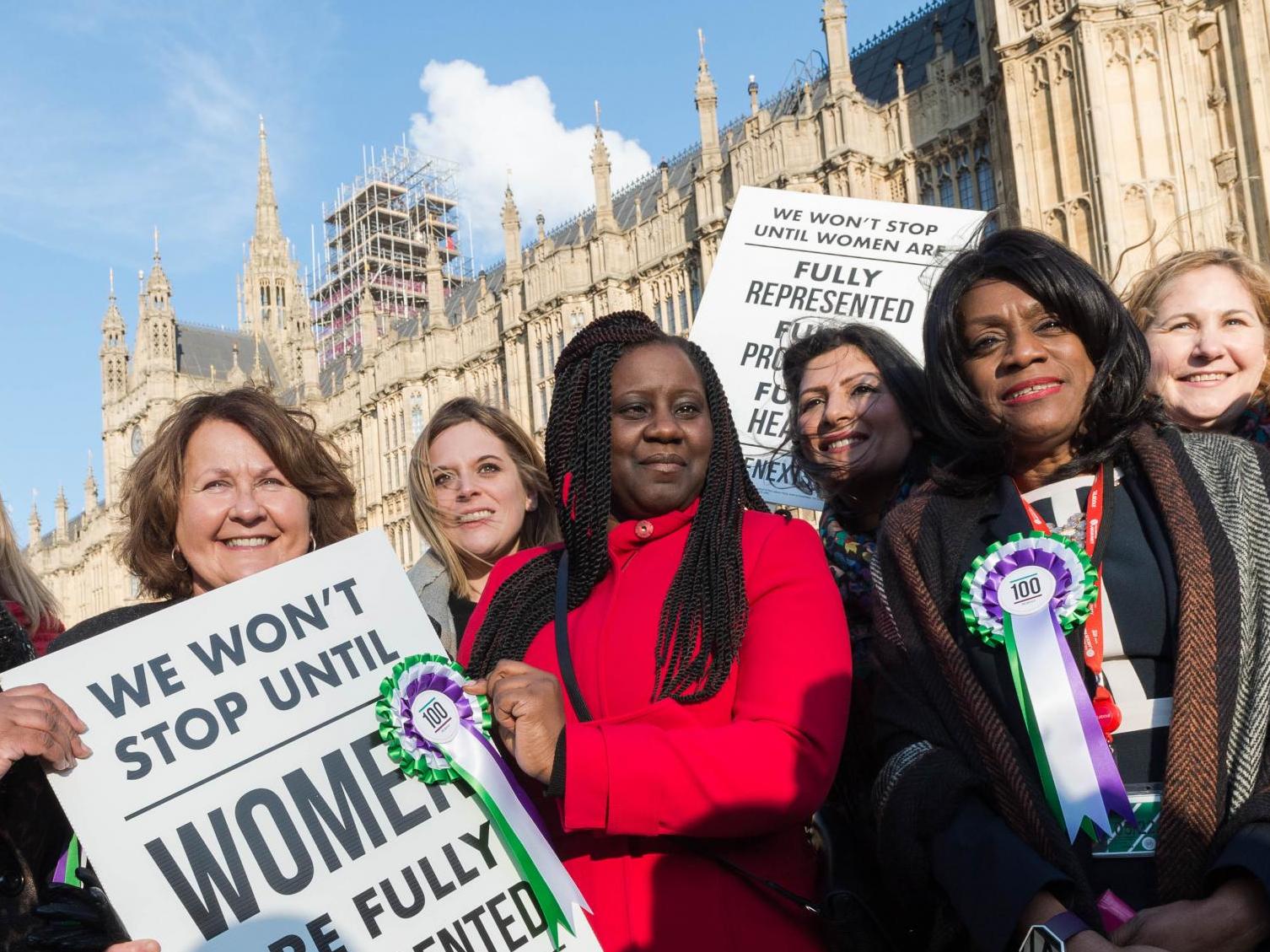
When Labour’s shadow equalities secretary Marsha de Cordova received the letter the prime minister sent to every household about coronavirus, she was unable to read it.
The Battersea MP, who was born with a severe visual impairment known as nystagmus, needs large print documents but when her letter arrived, it was in standard print.
De Cordova believes disabled people are being treated as “an afterthought” by ministers in the coronavirus crisis, whether it is through lack of sign language interpreters for press conferences or poor public health information.
She tells The Independent: “All public health information should be received in the right format. Everyone received a letter from the prime minister. My letter came and I don’t read standard print.
“If they really wanted to, they could easily identify particularly people with sight loss as we’re all registered. You know, I’m registered as severely sight impaired.”
De Cordova, who was recently promoted to the role by Keir Starmer, is particularly concerned about the number of disabled people struggling to access vital supplies as they are not included in the government’s list of people who are vulnerable to the coronavirus.
Supermarkets have prioritised delivery slots for people covered by these guidelines, which amounts to nearly 1.5 million at-risk people who have been advised to stay at home during the pandemic.
“There are many issues with the list in itself because it excludes thousands of ill and disabled people,” De Cordova tells The Independent.
“There are hundreds of disabled people going without food because of this and that cannot be acceptable in this society.
“We are supposed to be taking care of those that need support and here is this whole cohort of people that are not being supported.”
She says the list excludes a large proportion of the 14 million disabled people in the UK, including the blind and partially sighted, people living with motor neurone disease or those with muscular dystrophy.
De Cordova, who has written to the government with her concerns, says: “You can see why they had to restrict their lists, their pool. But they’ve restricted the pool so definitively that it has missed waves of people.”
Supermarkets will often be aware if regular customers are partially sighted or have other disabilities for when they deliver groceries, she says.
“This new government shielded list pretty much overrides what supermarkets already know about you, so it’s almost a double whammy. For example if you shopped at a particular supermarket, they know you are disabled but this government new list has overridden that.”
De Cordova has had to rely on friends to deliver her groceries as she does not qualify for priority delivery slots. Social distancing presents a major challenge to visually impaired people, making it near impossible for her to do her own shopping.
“I choose to shop online because it’s preferable for me rather than going to a supermarket because I’d need someone to help me shop,” she says.
“Since this list has come in, I have not been able to get any delivery slot at all.
“I just have a great network of people around me so I’m OK. But it’s not about me, it’s about people who aren’t OK. People who don’t have those networks.”
A recent survey by the disability charity Scope found nearly half of all disabled people (46 per cent) were struggling to access basic items, with around 38 per cent unable to book delivery slots in past three weeks.
A third (36 per cent) of respondents found long queues were exacerbating their conditions, while 26 per cent said they were frightened to go to the shops or had faced negative attitudes from other shoppers
“Shopping is already a difficult task for many disabled people, and now many are telling us they feel judged and compelled to explain their condition just to be able to shop safely,” says James Taylor, Scope’s executive director of strategy, impact and social change.
“The government and supermarkets need to listen to disabled people and develop a consistent and coordinated approach and urgently act to expand its ‘vulnerable’ list, to make sure all disabled people can safely get the food and essentials they need.”
A Department of Health and Social Care spokesperson said it was doing everything it can to support vulnerable people, including providing guidance to GPs so they can issue letters to additional patients where necessary.
“If anybody is concerned they should be included, they should discuss with their GP,” the spokesperson added.
De Cordova is also calling for data on how many disabled people from black and ethnic minority communities have died from coronavirus.
She says: “Unless the information is there, people won’t talk about it.
“The government still hasn’t really published proper data on Covid and BME communities. It’s everyone else doing their own analysis based on the data that is publicly available.
“As always, disabled people I feel are being kind of left behind or being an afterthought in all of this.“
Responding to concerns about access to food shopping, a government spokesperson said: “We are working to support people who do not fall into the category of being clinically extremely vulnerable, but still need help getting essential food supplies.
“This could include those who are elderly, disabled or have health conditions that make it difficult for them to get the food they need.
“Wherever possible, people should continue to rely on friends, family and wider community support.
“Where this is not possible, local councils may be able to offer emergency support. All councils have dedicated helplines which people can call to find out how they can get help accessing food or other essential supplies.”
Join our commenting forum
Join thought-provoking conversations, follow other Independent readers and see their replies
Comments
Bookmark popover
Removed from bookmarks