Boris Johnson’s mixed messaging on lockdown will harm the recovery effort
The PM should have shown the same discipline he expects of the public, writes Andrew Grice

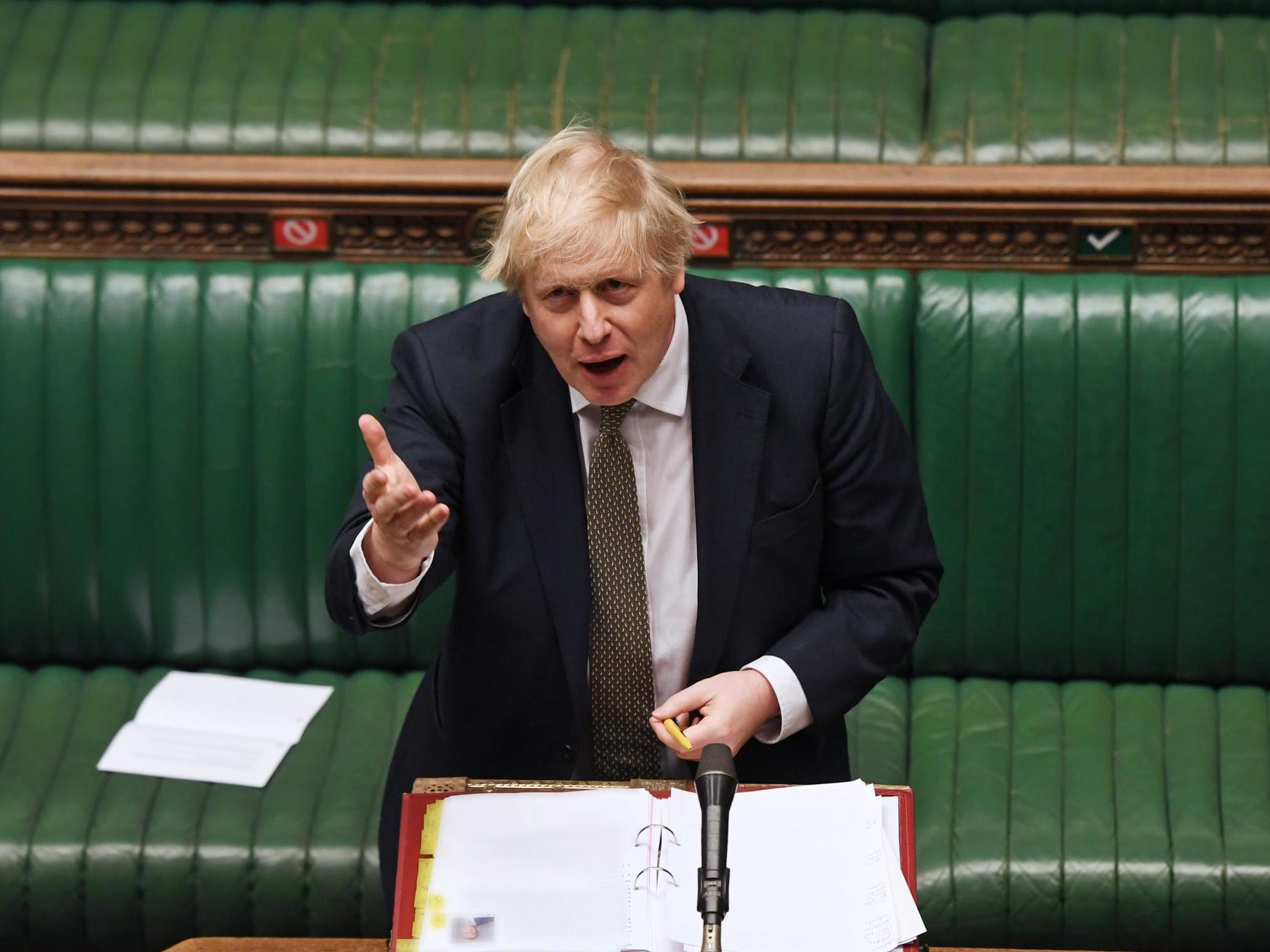
Boris Johnson has only himself to blame for the confusion over whether the lockdown measures will be eased. It was his loose talk at Prime Minister’s Questions last Wednesday about some changes taking effect on Monday that sparked newspaper headlines such as “Magic Monday”, “Happy Monday” and “Hurrah! Lockdown freedom beckons.”
They gave Johnson and his cabinet a very unhappy Thursday: ministers feared many people would ignore the still existing social distancing rules over the bank holiday weekend.
I suspect the PM’s misstep stemmed from his desire to address the nation in a televised address to ensure a clear message and avoid awkward questions from journalists. Lindsay Hoyle, the speaker, had already made clear the announcement should be made in the Commons. In a sharp aside in the chamber, he told Johnson: “Hopefully in the future such statements will be made to the house first.” The PM had just argued: “We will want, if we possibly can, to get going with some of these measures on Monday, and I think it will be a good thing if people have an idea of what is coming the following day.”
Downing Street blamed the speculation on the media. This government always does, sometimes to divert attention from its mistakes. It claims people are turning against journalists for going against the supportive public mood. No 10 dismissed one report it didn’t like by claiming: “Public confidence in the media has collapsed during this emergency partly because of ludicrous stories such as this.” Matt Hancock, the health secretary, told one questioner: “Frankly, the way questions are being asked by journalists irritates a lot of the public at the moment.” Tory MPs have complained about “gotcha!” journalism – trying to catch ministers out – at the daily Downing Street press conferences.
This narrative suits the government nicely. But people in my trade have, like politicians, never been “trusted” by the public. Over the years, opinion polls have shown we are less popular than estate agents and bankers. There is little evidence the public’s view has changed. Ipsos Mori found that 43 per cent of people believe journalists asking questions at the press conferences are doing a good job, and 28 per cent a bad job. YouGov reported that trust in journalists “remains much the same as it was prior to the crisis”.
In my view, the media is doing its job: posing the tough questions the public want asked. It would be failing in its duty if it merely asked fawning questions – especially if, eventually, the UK does emerge with the worst death rate in Europe and an inquiry highlights mistakes on pandemic planning, testing, personal protective equipment (PPE) and care homes. If ministers had not been put under media pressure on these issues, their handling of the crisis might have been worse. Hancock’s headline-grabbing pledges, on testing for example, keep him ahead of the chasing media pack, but I doubt we would have as much testing capacity today without the chase.
The PM should have shown the same discipline he expects of the public. The journalist in him should have known the tabloids would go a bit over the top because they want the lockdown to end. He knows his old trade is a competitive business. Dangerous talk among ministers and their aides about individual measures gives the impression all could be relaxed at once. They can’t possibly be, with the overall infection rate still rising due to problems in hospitals and care homes.
The mixed messages underline Johnson’s nightmarish communications task as he unveils the baby steps on his “roadmap” out of lockdown. Thursday’s headlines risked fracturing the united “four nations” approach, causing alarm in Edinburgh and Cardiff, where the devolved administrations are more cautious than the UK government, notably on reopening schools. Ministers admit privately that different parts of the country are likely to move at a slightly different pace as restrictions are eased.
Johnson’s room for manoeuvre is limited. For now, he can only sketch out a menu of options with possible timeframes to apply only if the virus is kept in check.
The press conferences, where on-message ministers suggest everything is going well and don’t answer straight questions, now lack credibility. As one senior Westminster journalist put it: “I think they are trying to make them as boring as possible so that we don’t make a fuss when they scrap them.”
Tiny hints that ministers might have acted differently with the benefit of hindsight have to be dragged out of them. It was obvious the government did not have the capacity to continue the “contact tracing” it is now bringing back, but it can barely manage to admit it. Ministers live in fear of bad headlines about getting things wrong. But I suspect a little more honesty about inevitable mistakes in such an unprecedented crisis would be greeted by the public with respect rather than hostility.
Join our commenting forum
Join thought-provoking conversations, follow other Independent readers and see their replies
Comments
Bookmark popover
Removed from bookmarks