It is young people who will save our cities in the wake of coronavirus
We don’t know what the jobs of tomorrow will be but we know it will be young people who create them. And if they live and work close together then our urban areas will thrive, writes Hamish McRae

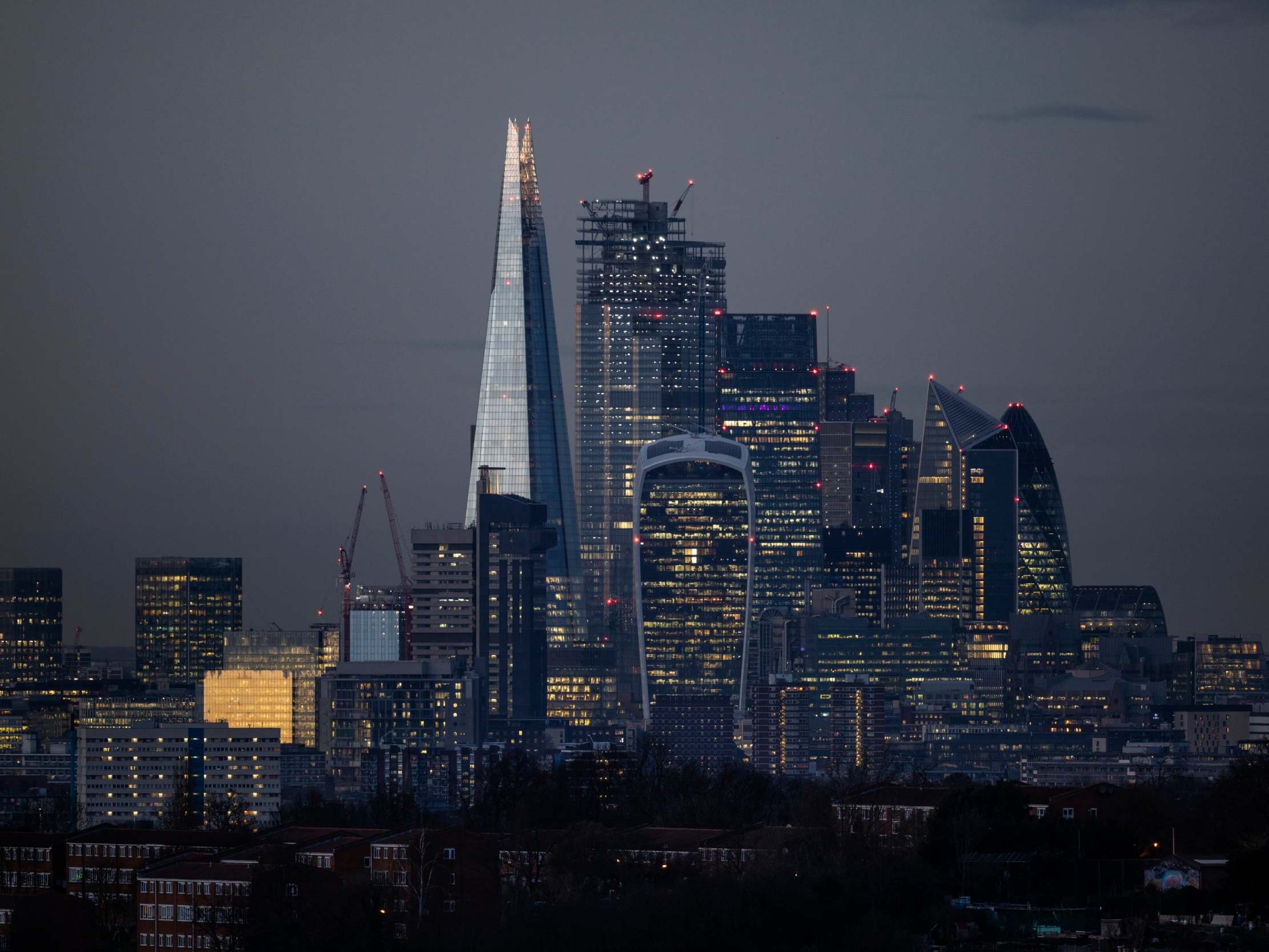
Young people will save our cities. Anyone who walked across the City of London – or I understand central New York – in recent days will be aware it a ghost town. The gleaming office blocks are virtually empty, save for a janitor on the reception desk.
The once buzzing coffee bars are shuttered. The streets are empty. The life is gone.
We all know that some of it will come back when offices reopen, but how much, and when? It is scary from both an economic and a social point of view. Think of what happens to once bustling manufacturing towns when the main employer shuts shop, unemployment shoots up and the ambitious young leave. Towns die, it is misery for all, and it take years of effort to counter the social deprivation that come with the loss.
But it didn’t feel like that in Islington on Saturday night. The place was heaving with young people in the streets, in the pubs – it was as though lockdown had never happened. Life was back. There was of course a very good reason for that: Arsenal had won the FA Cup. After a difficult couple of years Arsenal are winners, and that is worth a party for many.
However what makes Islington interesting is not only that it is home to a famous football team. It has the second youngest population of any borough in London, with a median age of 31.9 years, and one of the youngest in the country. Over the past few weeks it has gradually come back to life, in marked contrast to the financial district of the city a mile to the south. That gives a clue to the future.
Of course one of the key determinants of the pace of cities’ economic revival will be the extent to which people continue to commute to jobs there. We don’t yet know whether productivity is really higher or lower if people work from home, whether the home-working model is sustainable in the long term, or the extent to which the quality of work and service suffers if people are not meeting in a central location. I suspect that physical proximity matters much more than people realise, and the density of cities is why they have much higher productivity than the countryside roundabout. But we will see.
What we can be more sure about is that young people both choose to live in city centres and that they drive economic growth. Perhaps the best example globally has been the revival of Berlin, famously dubbed in 2003 by its Mayor Klaus Wowereit as “poor but sexy”. Young artists flocked to the old East Berlin, taking advantage of low rents, and turned it into the most creative region of Germany. It is no longer poor now – indeed soaring rents have led to rent controls. In London it was low rents that enabled Hackney to follow much the same course.
There are two points here. One is that lower costs create opportunities for activities that would otherwise be unable to thrive. London has become an extraordinarily expensive place to operate from. If commercial rents come down, as seems likely given that some office activity will shift away, then activities can thrive that would otherwise be priced out of business.
The other is that while we cannot know what these activities will be, it will be young people who will create them. Nobody knew there would be a boom in financial technology 10 years ago, but now London ranks as the global capital for what we call “fintech”. It is based just to the north of the city, around Old Street – in the borough of Islington. There was no plan here. It was simply that this was a lower-rent area adjacent to the higher-cost traditional financial centre, and it was driven by people in their twenties and early thirties.
This is not of course just about one particular inner city area that attracts more than its fair share of attention – and is the butt of many jokes, mostly justified. It is about youth and it is about revival.
We don’t know what the jobs of tomorrow will be but we know it will be young people who create them. If they choose to live and work close together, as I think they will, then those places will thrive. If those gleaming offices are not needed by their existing tenants, then the space will become useful for something else. The jobs will be different but the buzz will be the same.
Join our commenting forum
Join thought-provoking conversations, follow other Independent readers and see their replies
Comments
Bookmark popover
Removed from bookmarks