Mea Culpa: A heartfelt appeal against American legalese
John Rentoul on questions of style and usage in last week’s Independent

The English language is changing before our eyes. Conventional British English has long been that you “appeal against” a court’s verdict, but the American usage of simply “appealing” a verdict is gaining ground over here.
We used both forms last week. Our news report of the Harvey Weinstein decision said: “The defence team has said it will appeal the verdict.” Whereas our editorial said: “Weinstein’s lawyer immediately announced the intention to appeal against the verdict.”
In a story about Mo Farah’s coach, we said: “Salazar has rejected the findings by US arbitrators and has appealed his four-year ban.” But in another report of Julian Assange’s extradition hearing, we said: “The decision, which is expected months later, is likely to be appealed against by the losing side.”
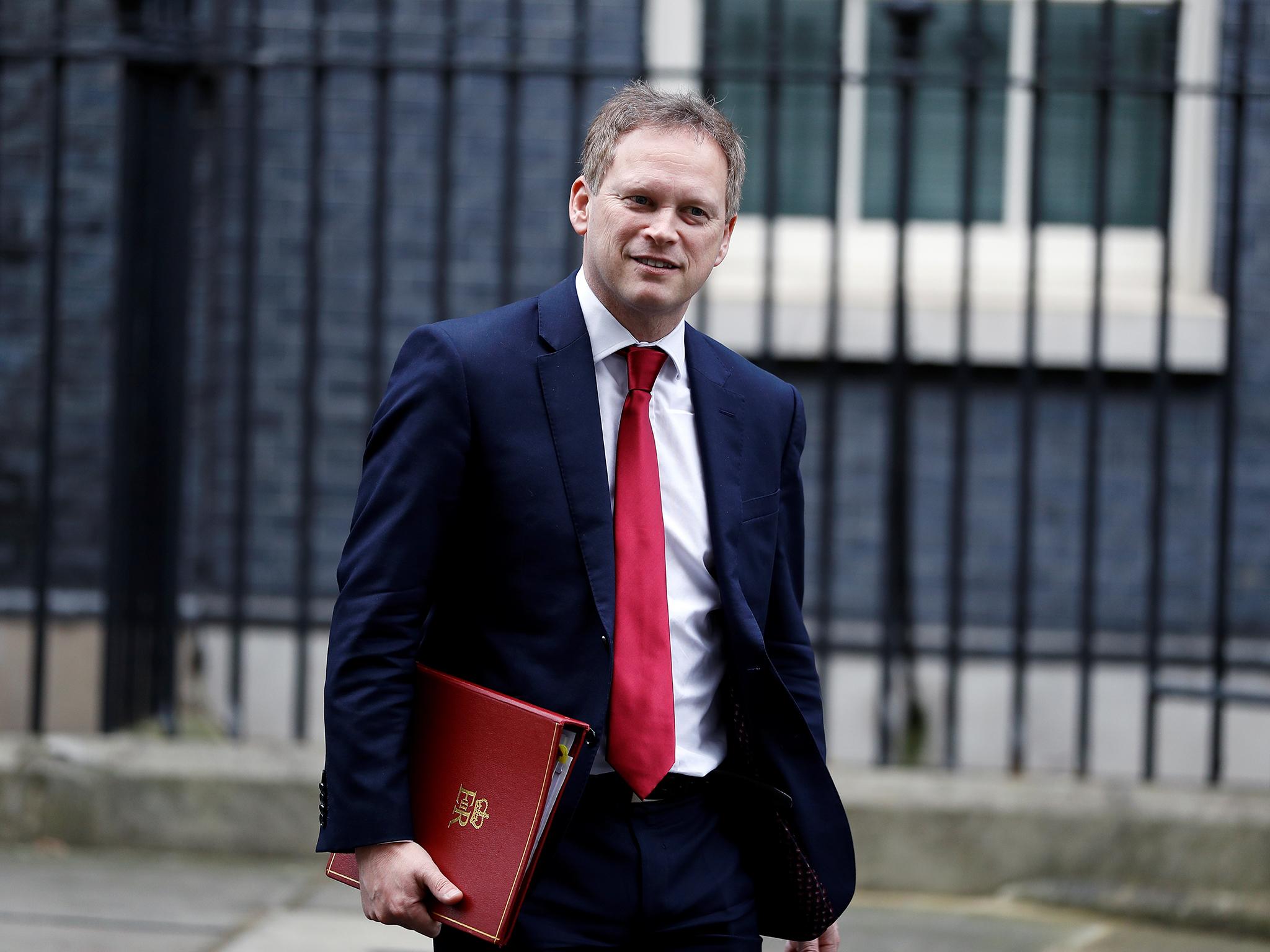
Then came the Appeal Court decision on the third runway at Heathrow. In both the news report and the editorial we said the government had decided not to “appeal against” the ruling. While Grant Shapps, the transport secretary, put out a press notice saying: “This government has taken the decision not to appeal today’s judgment.” (Contrast, incidentally, the pedantic use of “judgment” – without the middle “e” in a legal context – with the American usage of “appeal” without the “against”.)
We can see which way this one is going, therefore. In a few years, “appeal against” will seem as archaic as “to-day” and “whom”. But, until we reach that point, I think we should stick to the traditional British usage.
On and on: Of all the words that are longer than they need to be, “lengthy” is pleasingly self-referential. We used it 10 times last week, and on every occasion, “long” would have done fine. We wrote, for example, about “a lengthy statement” issued by the judge who sentenced Roger Stone, Donald Trump’s former adviser; and said two footballers “are facing a lengthy period on the sidelines with injury”.
I once compiled a Top 10 words that describe themselves, including curt, pentasyllabic and autological, but I forgot to include “lengthy”.
Foreign passports: In our report of the new dark blue passports, we said: “Burgundy passports will still be valid until their expiration date.” As Ian K Watson pointed out, this was a strange choice of word. You would normally say “expiry date”. Perhaps we were unconsciously influenced by the wording in the passport itself, which says “date of expiry”, followed by date d’expiration in French.
Join our commenting forum
Join thought-provoking conversations, follow other Independent readers and see their replies
Comments