Manchester Pride history: from 80s Gay Olympics to one of Britain’s biggest public events
Like many celebrations across the UK, Manchester Pride is a weekend-long affair that promotes inclusivity and supports LGBT+ businesses and charities as Emma Henderson explains

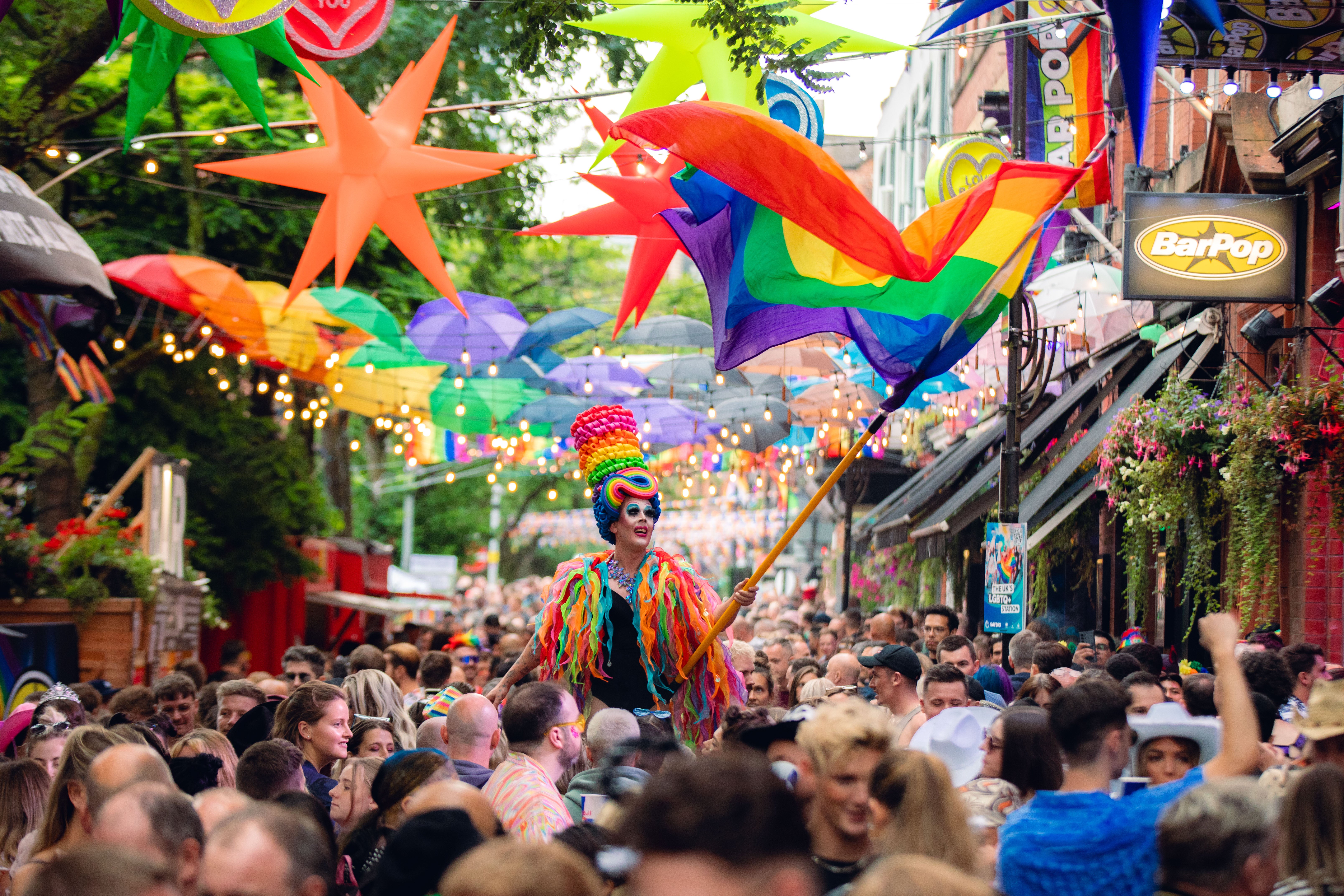
From protests to parties, Britain has plenty of Pride events that celebrate queer liberation – but Manchester’s blockbuster weekend jamboree remains one of the best-attended.
Manchester Pride has continued to grow since its beginnings, with the aim of promoting inclusivity across the whole of the city, calling for positive change and using the event to support LGBT+ businesses and charities.
This year's theme for the event is “love” – recognising love as a source of strength and resilience for LGBT+ people and helping queer people have the courage to be themselves.
When is Manchester Pride?
It takes place over the August bank holiday weekend (Saturday 22 August - Monday 25 August) – a date used by Manchester’s LGBT+ community for 45 years for celebratory events rooted in activism, often raising funds for the community and charities too.
It has blossomed into one of Britain’s biggest annual Pride celebrations.
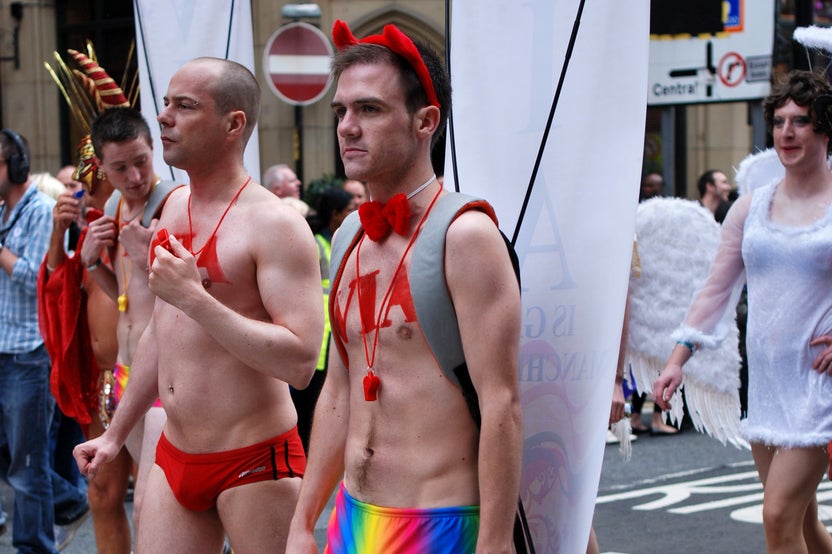
Events take place all over the city, but the parade snakes through the city centre, heading past Canal Street and the city’s gay village which hosts a huge street party. This year, a Mardi Gras music and performance event will be at Depot Mayfield – one of Manchester’s leading event spaces, and there's youth and family events, as well as late night parties with some iconic queer artists.
Manchester Pride’s parade is a free event, though there are ticketed elements such as the Mardi Gras and the Gay Village Party. You can buy tickets for them here.
How did Manchester Pride begin?
The city's Pride celebration roots go back to the 1980s in what is now the Gay Village neighbourhood in the city centre, centered around Canal street. Known as the beating heart of the city's LGBT+ community, it's always been regarded as a safe space for the community, where people could express their identity without fear of persecution.
Here, the first Manchester Gay Pub and Club Olympics took place on the August bank holiday weekend in 1985, taking inspiration from school sports day, featuring wholesome competitive games with a camp edge such as an egg and spoon race and tug of war, all judged by drag queens.
But despite the celebrations at the time, hostility and homophobia were still rife. The gay village, still largely an underground scene, was raided by police for “licentious dancing”.
In 1988, more than 20,000 people came together to protest in the streets against Section 28 – legislation that prevented schools and local authorities from “promoting homosexuality” or reflecting it in a positive light. It was this activism, along with many others around the UK, that formed the basis of Pride parades today.
What does the Manchester Pride organisation support?
In 2007, Manchester Pride became a registered charity and campaigns for LGBT+ rights and equality, while also celebrating the community. It supports grassroot initiatives by giving them a platform at the event, as well as its grants programme which financially supports local groups or charities with donations between £250 and £11,000, and hosts events throughout the year too.
Since 2021, there have been 148 grants given out and money generated by the weekend for Greater Manchester is estimated to be £104.8m since 2021.
Though its charity status is fairly new, previously the events and celebrations over the August bank holiday weekend raised funds from ticket sales and bucket donations and supported HIV and AIDs charities, when the diseases resulted in many deaths among the gay community. In 1991, The Village Charity created an earlier iteration of Manchester's Pride, known as the Manchester Mardi Gras which raised £15k for HIV and AIDs causes too.
Like all Pride events, the key and everlasting message is that it's not just a weekend-long or single day event, it's an all-year effort supporting and uplifting the community. You can get involved with working with the charity or volunteering at an event too – find out more here.
Join our commenting forum
Join thought-provoking conversations, follow other Independent readers and see their replies
Comments
Bookmark popover
Removed from bookmarks