The Independent's journalism is supported by our readers. When you purchase through links on our site, we may earn commission.
How hobbies went performative – and became a bigger wealth flex than a designer bag
As padel, Pilates and pottery continue to boom in popularity, Gen Z are only now logging on to show off. But does the cost of keeping up appearances offline mean analogue life is now the last word in luxury? Lydia Spencer-Elliott reports


Once upon a time, money brags used to be glaring: a designer handbag on your Instagram story, maybe a manicured hand resting on the steering wheel of a Porsche; gloating that, particularly in the UK, we find morally repugnant. Money talks, wealth whispers, we’ve all heard said with an air of superiority roughly a billion times. Logomania, it’s clear, is best left in the 2000s.
Because boasting looks a little different in 2026. Now, the biggest wealth flex isn’t the blinding monogram of high-end leather goods or a souped-up sports car but analogue activities like padel, pottery and pilates, which afford the upper tax bracket pause and peace while the vast majority scuttles about, eyes glued to phones. Taking a beat is a privilege in itself.
Just take a look at the model Kardashian sister, Kendall. She, like numerous other fashion faces (Lila Moss’s mate Olivia Neill, Romeo Beckham’s ex Mia Regan), has taken to filling her Instagram feed with footage of her cycling, swimming, horseback riding, and hiking. The expensive outerwear is, of course, there too. But the outdoorsiness is the thing. “Look at me, I’m not on my phone,” the images cry, in contradiction, as they’re shared to her 284 million followers. Make that make sense.
Millennials and Gen Z are more likely than older generations to make spending on a hobby a high priority, according to a study published by Intuit. The study posited that this was due to younger generations placing significant value on personal growth and mental wellbeing. The clout, of course, doesn’t hurt either. What’s the point of becoming the best version of yourself if nobody even knows about it?
Hobbies like skiing and sailing have historically had class associations – predominantly because they cost an arm and a leg to do. But in an age of ever-increasing inflation and trend-led interests, making a pot, or even exercising, can cost hundreds of pounds a month. Nevertheless, more than half of Gen Z and millennials view spending on hobbies as a necessity, rather than a luxury, and are happy to put their pursuits over the financial security of having savings and homeownership.
This, essentially, makes pilates and pottery the new avocado on toast.
“I think the common thread throughout all my hobbies is that I want activities that get me off my phone and into the real world; doing things with my hands,” says 27-year-old Bea, whose most expensive hobby splurge has so far been spending £400 on a 12-week pottery course. She has also tried her hand at horse riding (free trial) in recent weeks.
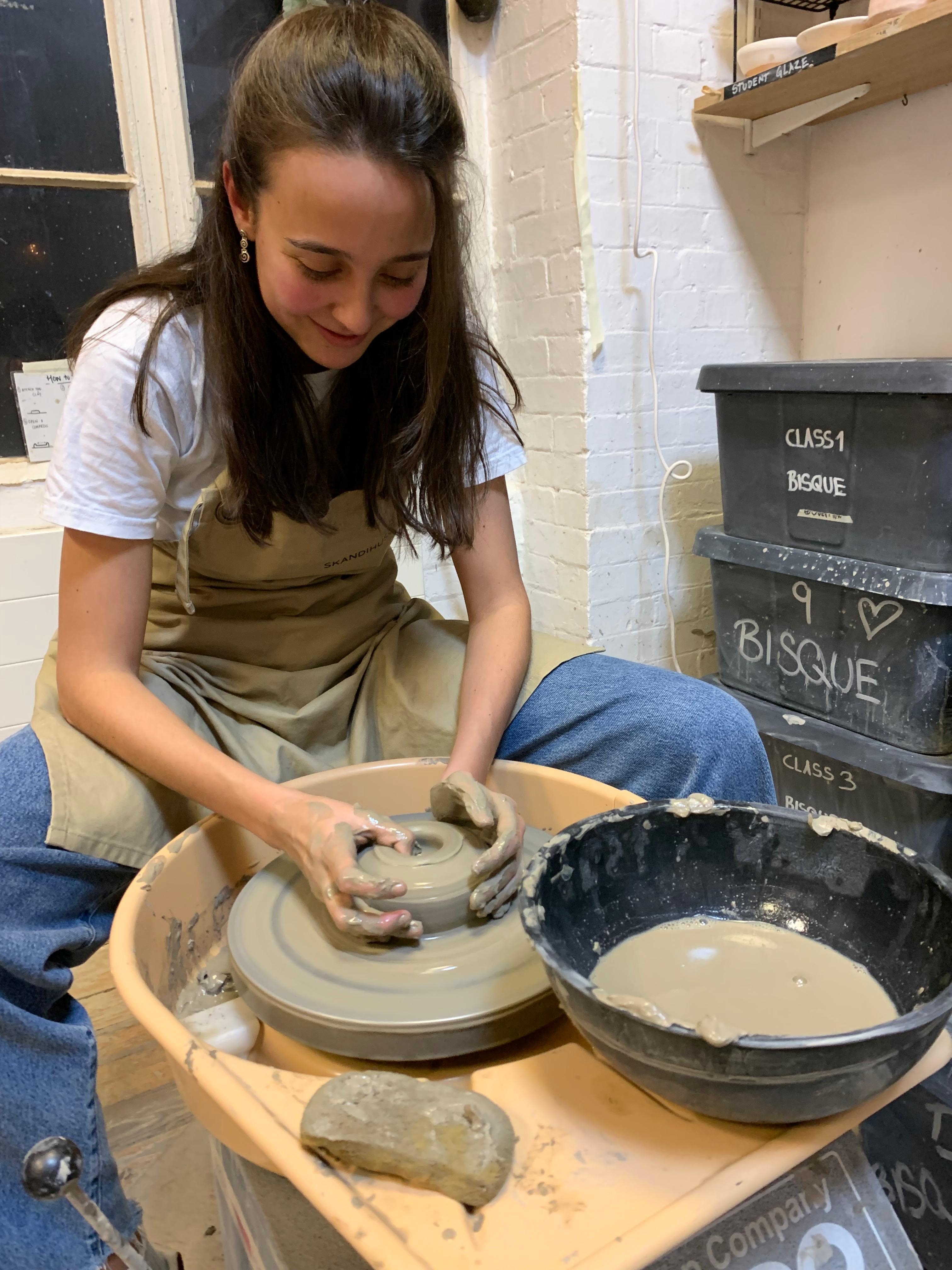
“I went into pottery expecting it to be people of an older generation, but it surprised me that it was a lot more of a younger crowd,” she says. “The cost of it was a large amount of money to put down but actually it was very good value for money for a two and a half hour lesson every Monday night from October to December. You’d go in there potentially stressed at the start of your week, and then you’d have [that time] to not be on your phone, do something with your hands, learn a new skill and meet new people... I like doing things that will fully immerse me.”
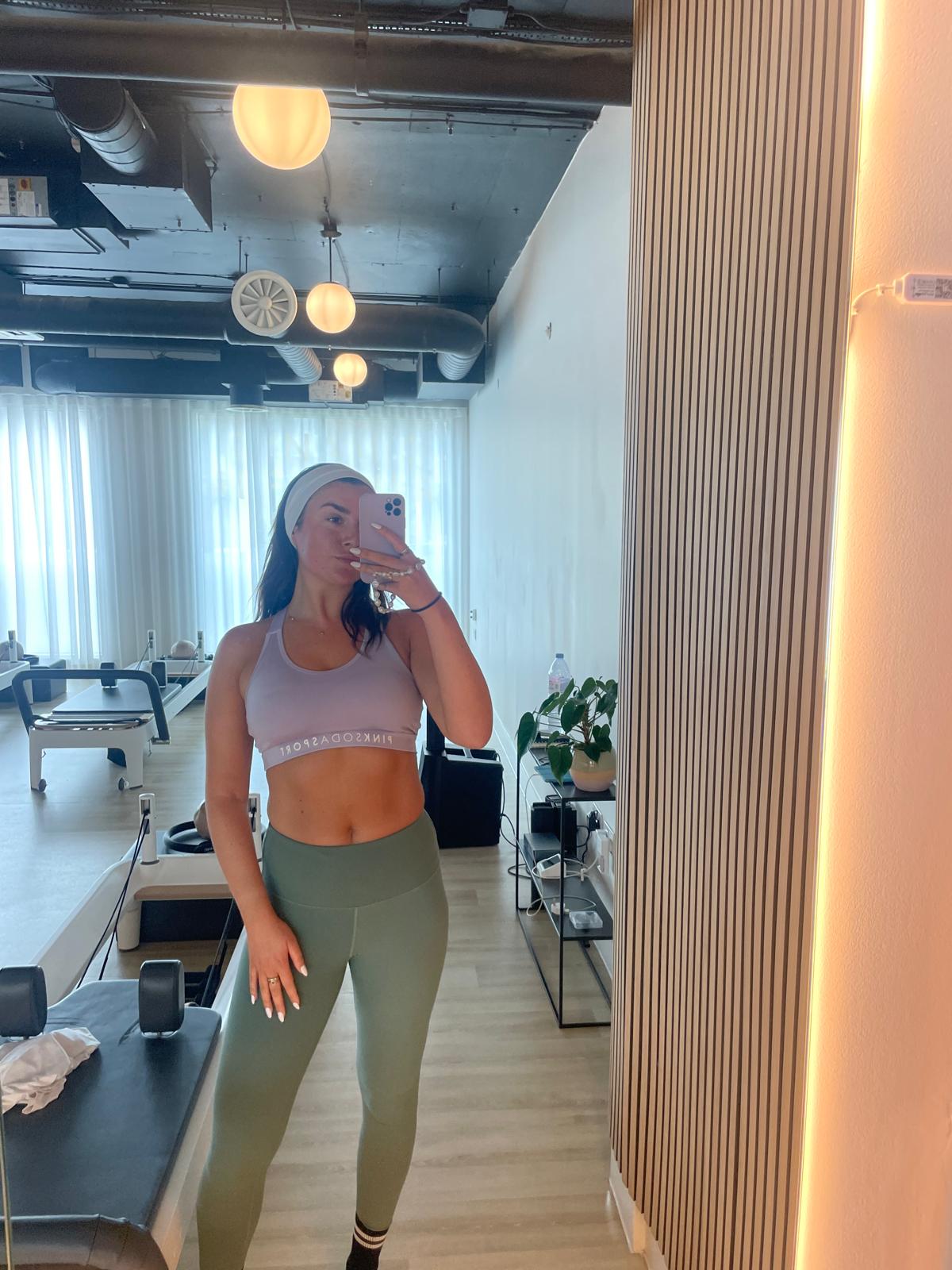
Similarly, Londoner Amy pays £130 a month to do pilates through the membership app Classpass. “I tried a few different types of exercises,” she says. “One was bounce, which is a hit workout on a mini trampoline, and then I tried reformer pilates.” The 29-year-old, who has ADHD, says she doesn’t like the standard gym because she gets bored and distracted.
“I wound up loving reformer because of the diversity in the session, you can’t just stop what you’re doing because you’re strapped into the machine and so is everyone around you. It made me sweat more,” she says. “I used to go to the gym, do a workout for five minutes, then sit on my phone... Whereas, knowing you’ve paid for a class, which you can’t cancel just before, encourages hard work.”
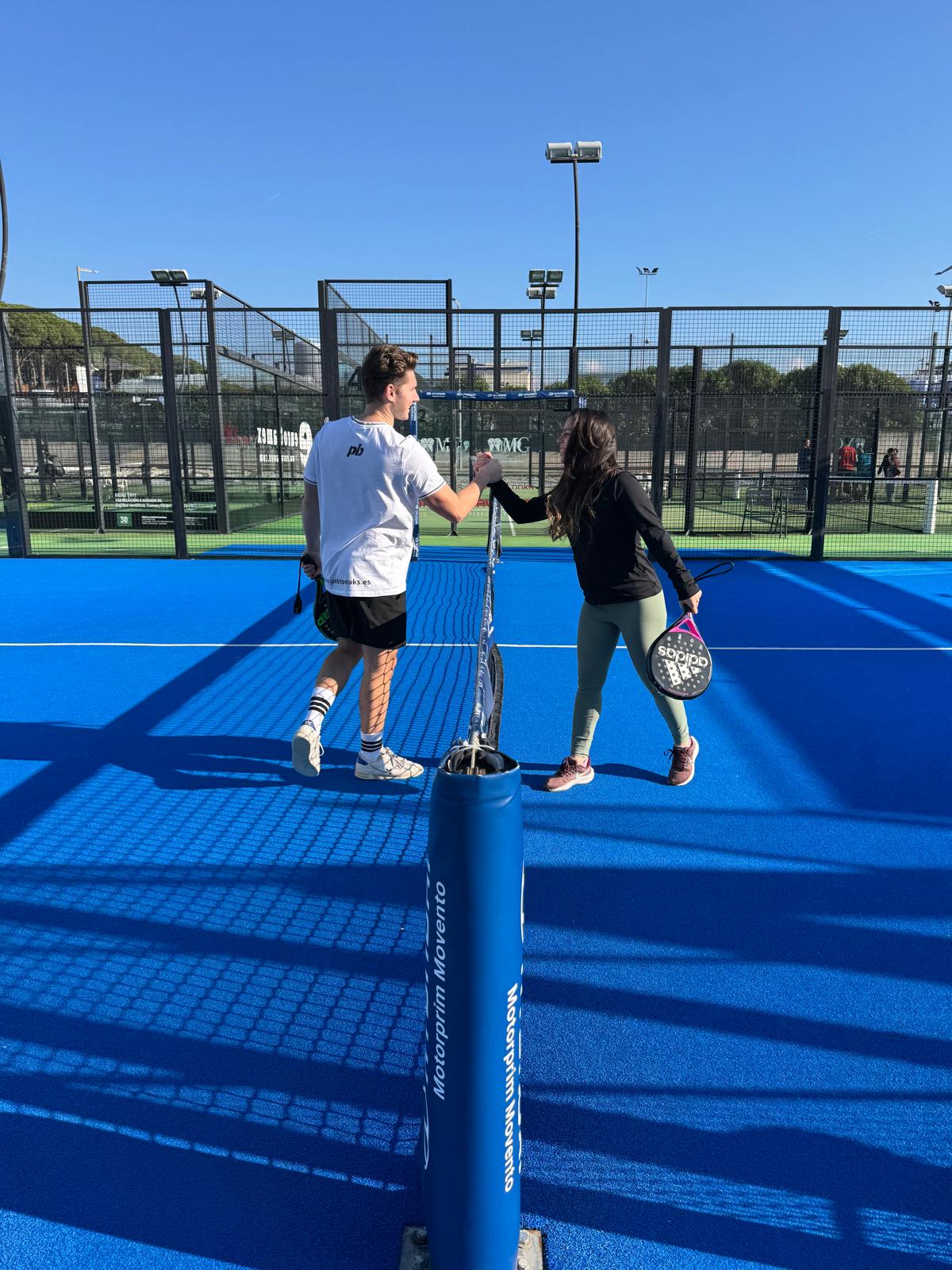
Elena, who lives in Barcelona, loves playing the racket game padel so much that – in a 360 wealth flex – she’s turned the hobby into a business, organising padel retreats and tournaments in Spain for business people from across Europe. “What I spend on a game is relative to what club I go to and when I play,” she says. “If you play after working hours, it’s more expensive. In Barcelona, you can pay €15 per person for a court. Depending on how many times you play a month, that total obviously increases. I’d say you’d spend around €60 a month on average.”
Shockingly cheap compared to pottery and pilates, then? “London is so different,” Elena makes clear. “It’s so much more expensive there. One hour on a court in Canary Wharf can cost you £80.” Ouch.
The common denominator here is the damn phones – young people want to get away from them because they’re addicted. While other offline pastimes with lower price points like knitting, colouring and even bingo have also increased in popularity – and spawned the creation of something called an “analogue bag”, which is sort of like an adult toy box – people need to be covered in clay or strapped to a workout machine to resist the sticky temptation of social media.
Posting hobbies online then, is less like an “all the gear no idea” reflex of decades gone by (think Bridget Jones in her pink ski suit) and more a little digital reward for hours spent without the phone in hand. A bit of a pat on the back of validation from the followers left unattended for an afternoon.
According to UK telecoms regulator Ofcom, the average adult in Britain checks their phone every 12 minutes, thanks to the power of pestering push notifications, alluring algorithms and inescapable WhatsApp group chats. The average daily screen time among adults in the UK is five hours, a 2022 survey by Uswitch found. If you can afford it, why wouldn’t you pay hundreds of pounds to get that time back and start living?

Whereas once people were simply bored, creating new forms of entertainment out of pure ingenuity, they’re now blasted with blue light, which disrupts sleep cycles, causes eye pain, headaches and daytime fatigue. Lest we forget the mental health impacts of social media and the damage to our dopamine pathways. Pottery, meanwhile, promotes focus.
Evidently, being offline is, ultimately, the new luxury that not all of us can afford. In a recent podcast appearance, comedian Aziz Ansari revealed he stays away from the digital world by having a low-tech flip phone, which gives him more space to think. How does he organise his life without email? He has an assistant. I wonder how much her head is spinning.
Join our commenting forum
Join thought-provoking conversations, follow other Independent readers and see their replies
Comments
Bookmark popover
Removed from bookmarks