The Independent's journalism is supported by our readers. When you purchase through links on our site, we may earn commission.
How high-risk Botox habits have become normalised for twentysomethings like me
As the beauty industry warns that Botox and fillers should be considered high-risk procedures, Lydia Spencer-Elliott unpacks why her generation just can’t seem to stay away from injectables regardless
The first time someone dares mention Botox, it’s often done in a whisper: “Who do you go to? Is it safe? Look at these lines, don’t you think I need it?” Like smoking weed or playing poker, introduction to the botulinum toxin is akin to an admission into a secret society – one with its own rituals and language that can act as a gateway into far more precarious pursuits.
I first got jabbed three years ago when I was 26, which my older colleagues tell me feels alarmingly young. It is, but it’s also alarmingly not abnormal, with the UK’s Department of Health estimating that as many as 41,000 Botox procedures were given to people who weren’t even 18 yet before this was made illegal in 2021. Use of the toxin is considerably higher among my generation than the population as a whole, with 13 per cent of Brits aged 25-34 having had wrinkle-relaxants, compared to a national average of just 7 per cent.
It all started with so-called baby Botox, which is what people call a subtler application of a lower dose being injected into your forehead, frown lines, and crows’ feet as a preventative measure. The idea, essentially, is that if you can’t move the muscles in your face, then lines won’t form above them, which will stave off wrinkles for longer. But there is no evidence that this works. Some practitioners say there’s no point even starting Botox until lines start to show fully in your thirties and forties. That didn’t stop me and my expressive forehead at 26, though, did it? I could see cracks starting to show – and my friends had done it, so I wanted it too.
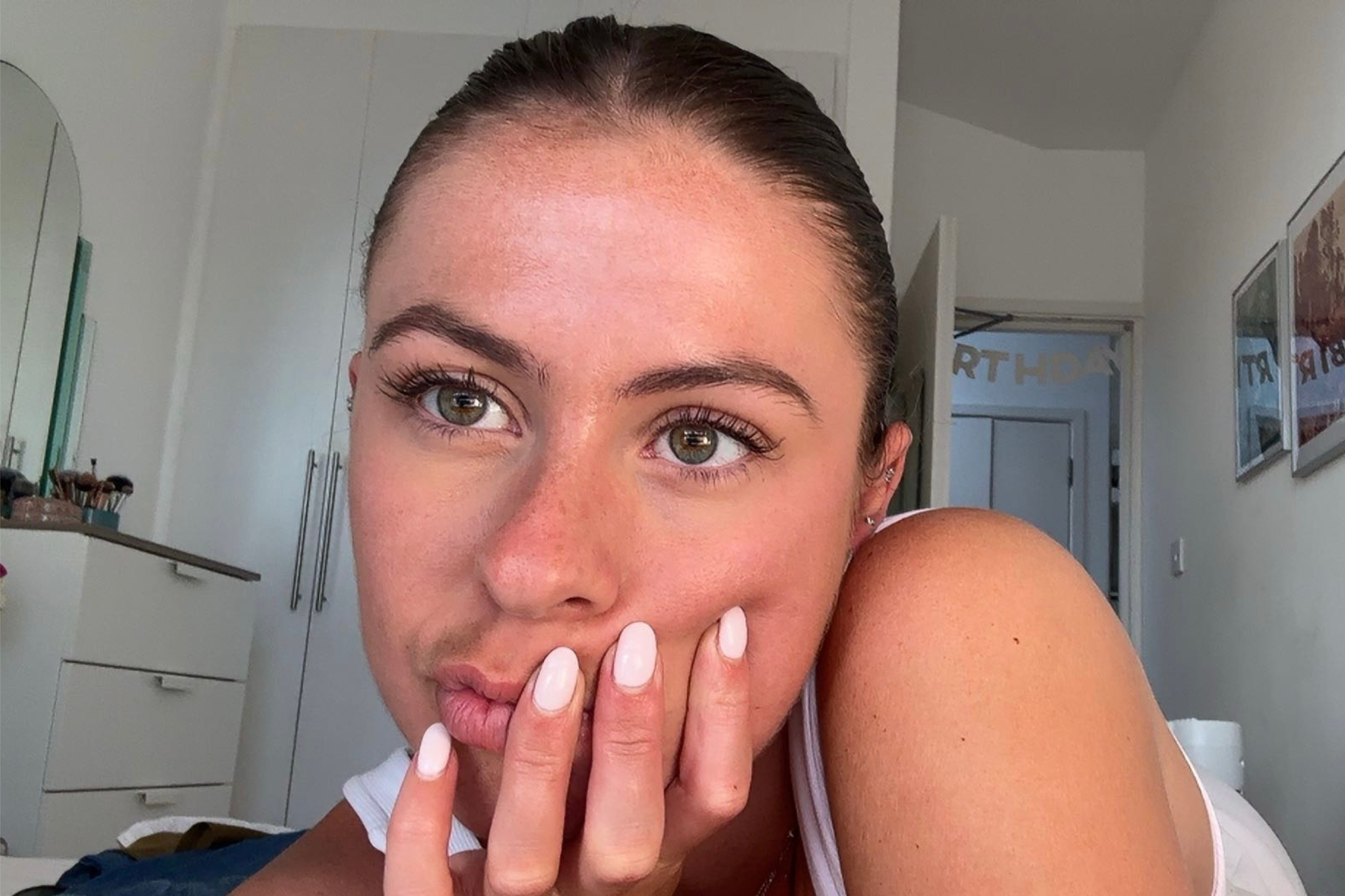
Nine months later, I was back in the chair for the full Botox hog. I wasn’t interested in anything baby this time – because having a partially frozen face had been glorious and I wanted more. My forehead was perfectly smooth. My eyes didn’t crinkle in photos. My features appeared more symmetrical. Makeup sat better. Essentially, I was hooked. But like many addicts, I was also too broke to return to the Harley Street clinic that gave me my first hit (as press) for free. So, I spoke to someone who knew someone about finding a cheaper alternative, and soon I was in a clinic that regularly offered injections in bargain package deals. “It wears off within six months,” I thought to myself. “What’s the harm, really?”
Although the practice I went to was markedly cheaper than the first, procedures were luckily still conducted by doctors regulated and qualified by the General Medical Council (GMC), who use quality products. This isn’t always the case. Over the past half a decade, there have been many reports of rogue practitioners injecting patients with illegal black market substances shipped from overseas. Last year, in the North East, there was a severe outbreak of botulism – a (formerly) rare disease that can leave sufferers unable to speak, breathe, or swallow. Case numbers grew so high that hospitals ran out of the anti-toxin to treat patients altogether.
Dr Farnaz Afshar, my most trusted injector, tells me that she turns away young people from her clinic “every day”, not just because of their age but because they don’t need Botox or fillers at all. “Upper face wrinkles and lip volume are the most common areas of concern,” she says of the patients she sees who are most commonly aged 25 and up. “They don’t have the problem that they think they have.” Afshar adds that aestheticians upselling treatments to people who don’t need them is an immediate red flag. “Less if more,” she says.“If they try to convince you that you need hundreds of treatments, then they’re sellers, not injectors.”
Botox can often be the helping hand that leads you down the garden path of further cosmetic procedures. I haven’t had anything else done, but filler (hyaluronic acid injected into the face for volume) is often the next port of call. Aside from that, there are mini face lifts, salmon sperm injections and non-surgical nose jobs – all of which I spend hours watching other people get done on TikTok. If I had a little more money or a little less confidence, who knows, I might just pull the trigger. When injectables are less invasive than having a smear test, it’s hard to see the big deal.
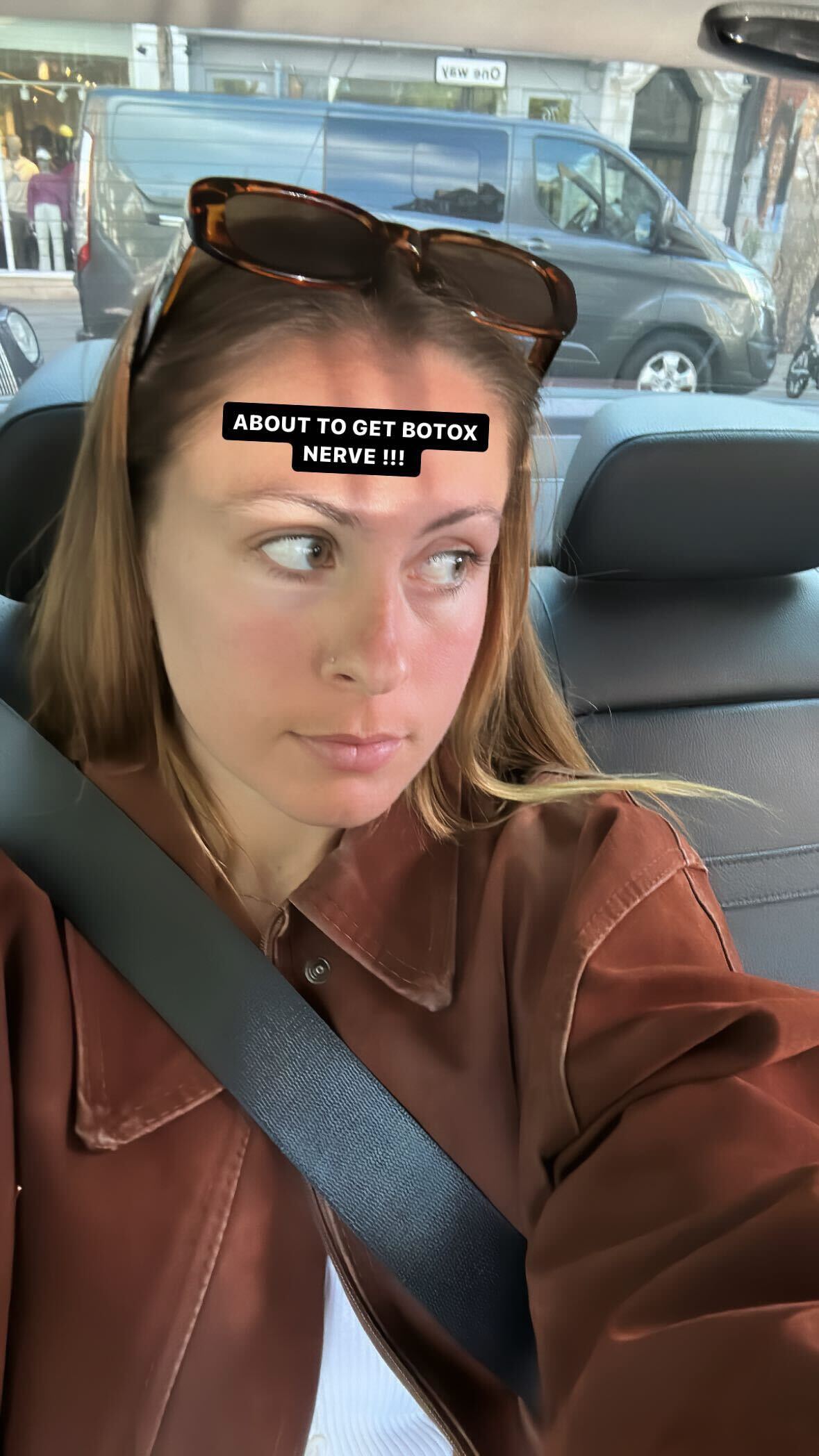
With a quick search, I can find Botox injections for as little as £119 – when the going market rate is upwards of £250. Lip filler goes as terrifyingly low as £45 in a new year January sale that one aesthetician is running on Instagram. With so many glossy influencers on the internet detailing their experience of getting these procedures, it’s easy to see how someone might be tempted to book in with an unaccredited injector for less than the price of a weekly shop – or even a big round.
“Aesthetic products are expensive – even for clinic owners. So, it’s not realistic to offer them at unreasonably low prices,” Dr Afshar warns, noting that she’s been approached numerous times by brands flogging suspect products for low prices, trying to convince her to use them on her clients. “Products I’ve never even heard about,” she says. “It’s very important they’re only from well-known pharmacies ... You can always ask your injector why their prices are low and they should show you the box.”
Last September, 33-year-old Alice Webb became the first person in the UK to die after having a suspected liquid (filler) Brazilian butt lift (BBL) procedure in Gloucestershire. Following on from her untimely death, there’ve been calls from the British Association of Beauty Therapy and Cosmetology and the British Beauty Council for the government to deem Botox and fillers high-risk procedures in an attempt to stop the profits over standards culture at play. New government rules mean clinics would need to meet strict standards to obtain Botox and filler licences at all – but this can’t be enforced until regulations go through parliament.
Dr Afshar agrees that Botox and fillers should be classified as high-risk procedures. “Any injectable comes with the risk of a side effect,” she says. “The most basic one is the risk of allergies – anaphylactic reaction. An untrained injector would not be able to manage even the simplest risks. We see adverse effects every day. From simple treatments to the more advanced ones … Remember, none of these treatments are urgent. Take your time. Do your research. Don’t feel pressure.”
Even when quality Botox is administered correctly, very little is known about the long-term health effects it may have, which doesn’t stop me from injecting it into my face every six to nine months. Vanity is, simply, often stronger than common sense. Some studies have found that Botox can trigger permanent changes in facial expression. Meanwhile, other research has found that being unable to mimic another person’s facial expression can reduce the ability to recognise and process their feelings. This has led to the bold claim that “Botox kills the centre for empathy in your brain”, which has been widely mocked by practitioners and even celebrated by those who suffer from depression or people-pleasing tendencies online.
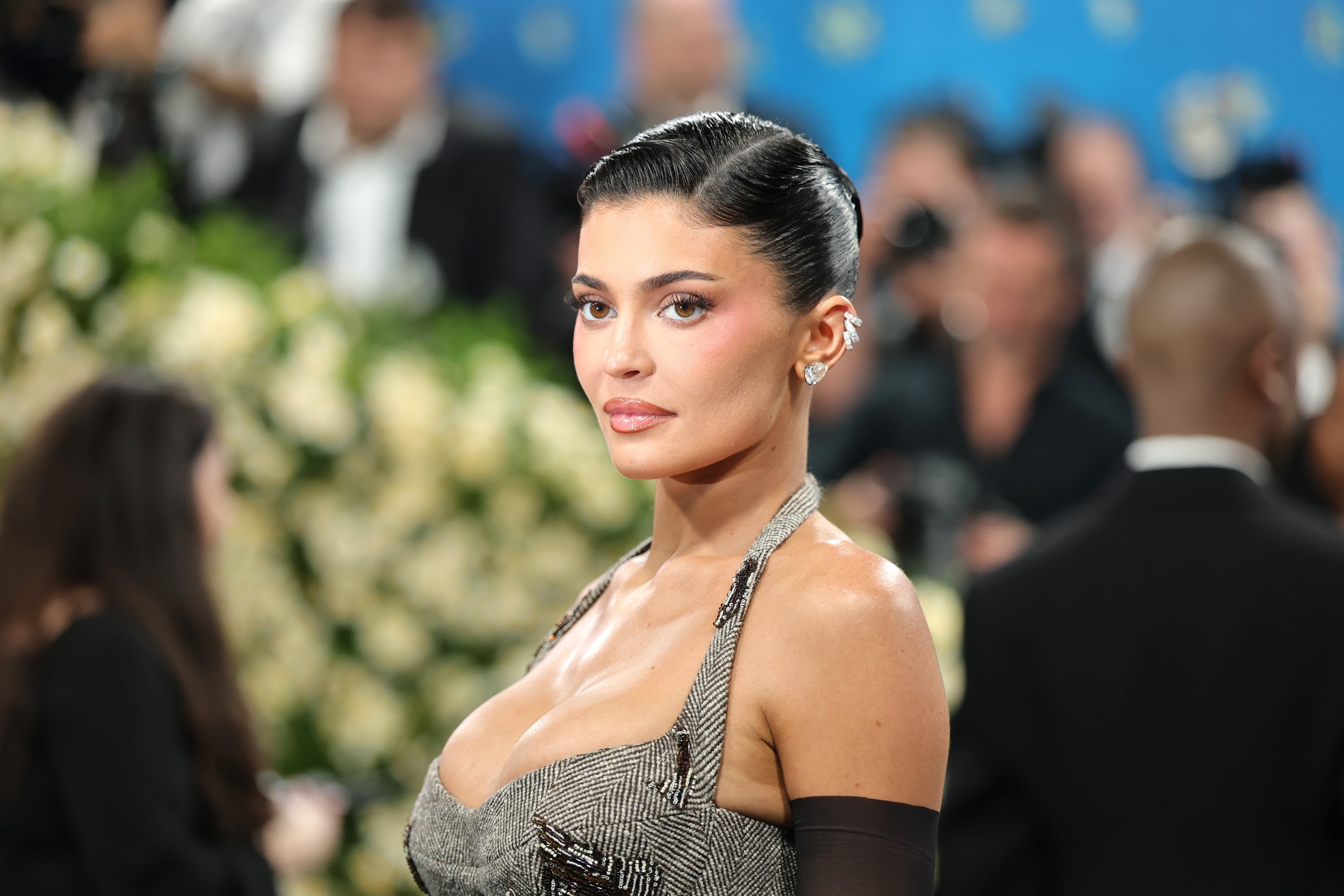
Getting Botox in your early or even mid-twenties might seem sad, but what’s truly shocking at this stage is that people are still shocked by it. When I was eight, Nicky Hambleton-Jones was cutting women open on the abhorrent makeover programme 10 Years Younger. Then came Keeping Up with the Kardashians, ITV’s filler-plumped reality show Love Island, and Snapchat’s “filter face”, which offered us a glimpse of ourselves with smooth foreheads and high cheekbones long before we ever longed to see them in the mirror. While injectables were once the luxury youth elixir of older, wealthier people, who could only afford the best, these aesthetic treatments now sit in the bargain bucket of many aestheticians’ price lists, waiting for insecure young adults to willingly scoop them up.
Kylie Jenner, of Kardashian family fame, has said she’d be “heartbroken” if her daughter Stormi ever got surgery at 19 like she did. “She’s the most beautiful thing ever,” said the 28-year-old of her small, grinning child. Perhaps, one day, I’ll look at 26-year-olds and wonder with horrified retrospect why I ever felt the need to freeze my face when I was so young, too. It took me three years to tell my mum what I was up to. I’m not sure I’ll ever tell my dad. But much like with tattoos, piercings, hair dye and cigarettes, I won’t be the last young adult to experiment with things their parents told them not to touch. We can’t control that. But we can control industry standards and safe practice – and we should.
Join our commenting forum
Join thought-provoking conversations, follow other Independent readers and see their replies
Comments
Bookmark popover
Removed from bookmarks