‘Yeehaw couture:’ Why everyone wants to dress like a cowboy now
Fringed jackets, rhinestone belts and cowboy boots are as present in Brooklyn as Bozeman right now. Ellie Muir looks why the appeal of ‘cowboy core’ has become so widespread
It’s easy to spot the signs. A normcore friend swaps their dad trainers for a pair of cowboy boots. The guy with the everpresent beanie at the local coffee shop is now drinking a cortado in a Stetson. Red bandana neckerchiefs are suddenly ubiquitous. It happened slowly then all at once: everyone is dressing like a cowboy.
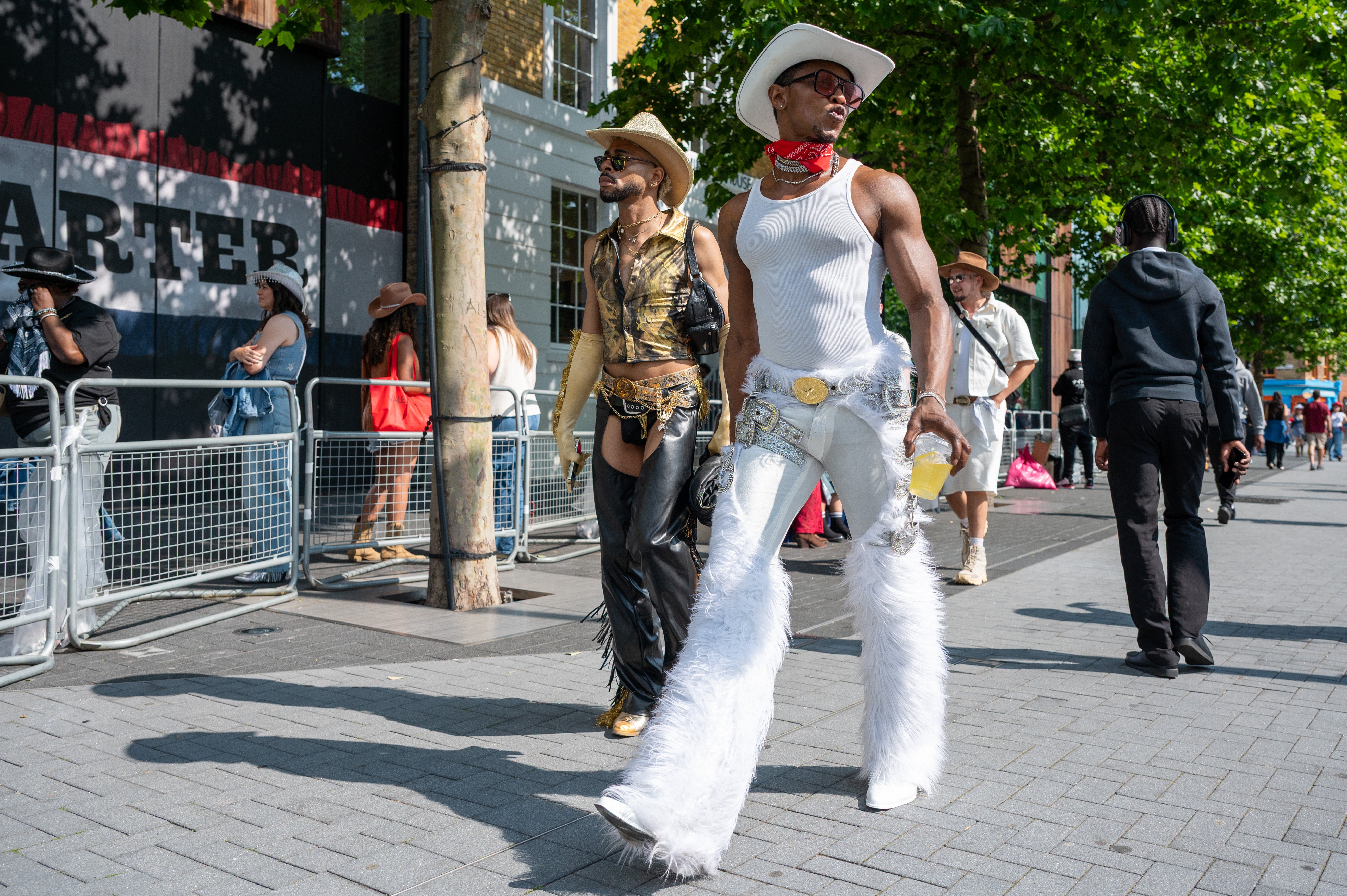
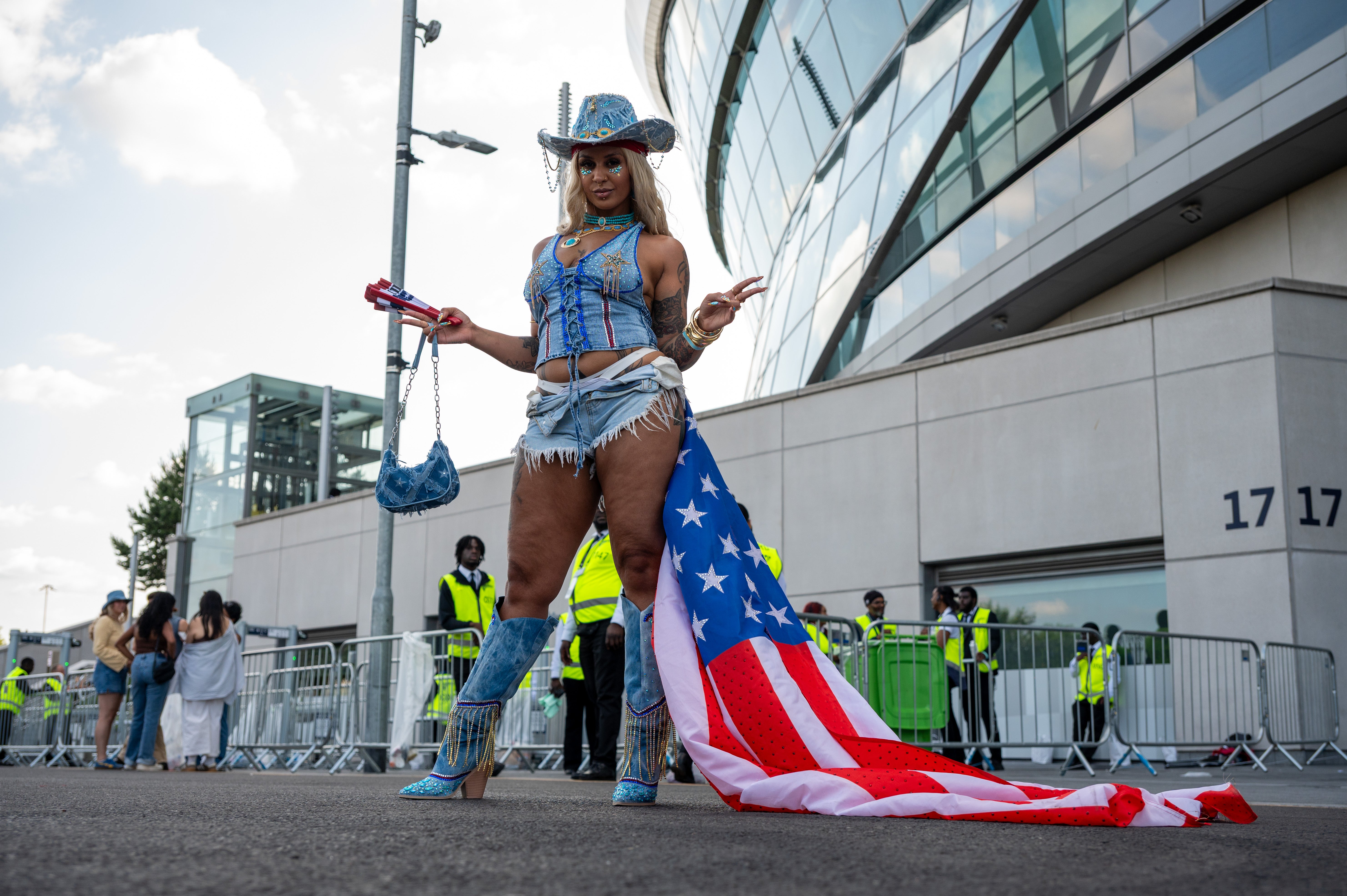
Call it the Yellowstone effect, the Landman aesthetic, or blame Beyonce’s recent country tour — suede fringed jackets, Wranglers, rhinestones and cowboy boots are now as common in Brooklyn as Bozeman. The wholehearted embrace of the American West isn’t just sartorial; Taylor Sheridan's epic series about the Dutton family’s dramas in Montana broke records with 15.9 million viewers for its fifth season, becoming the most-watched cable premiere since The Walking Dead in 2017.
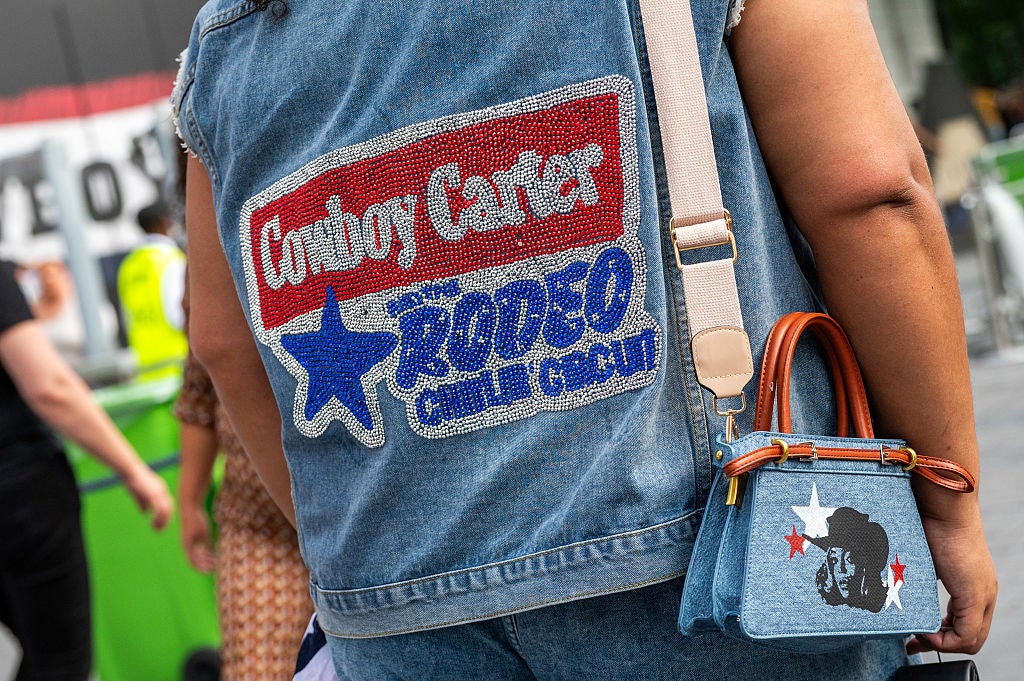
Sheridan’s follow-up series, Landman, swapped cowboys for oil workers in the volatile landscape of West Texas, has garnered awards and was one of the biggest shows of last year. And then there was Beyoncé’s Cowboy Carter tour, based on her Grammy-winning 2024 country album, which made $407.6 million on 1.6 million tickets, with her legions of fans two-stepping in their finest Western attire.
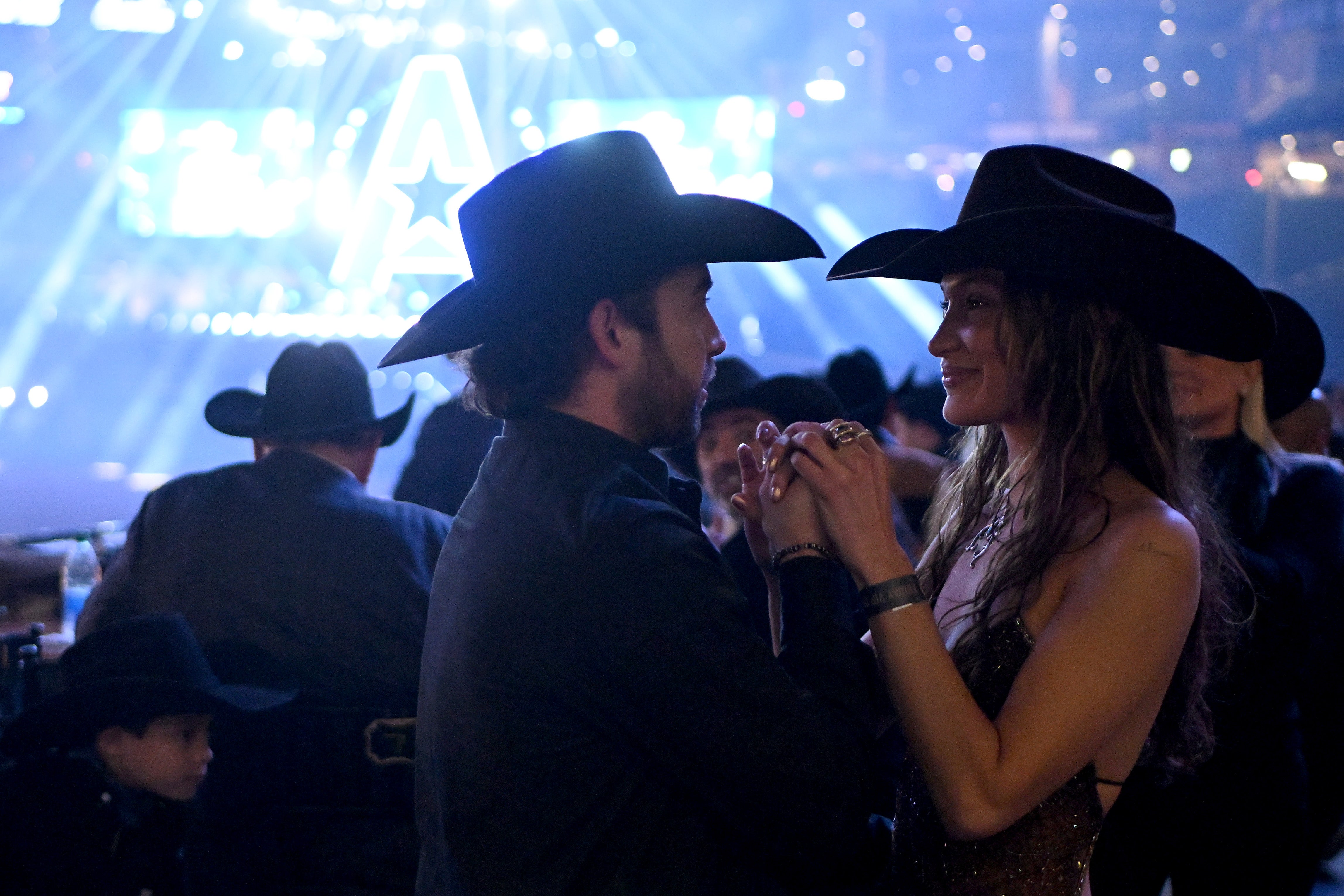
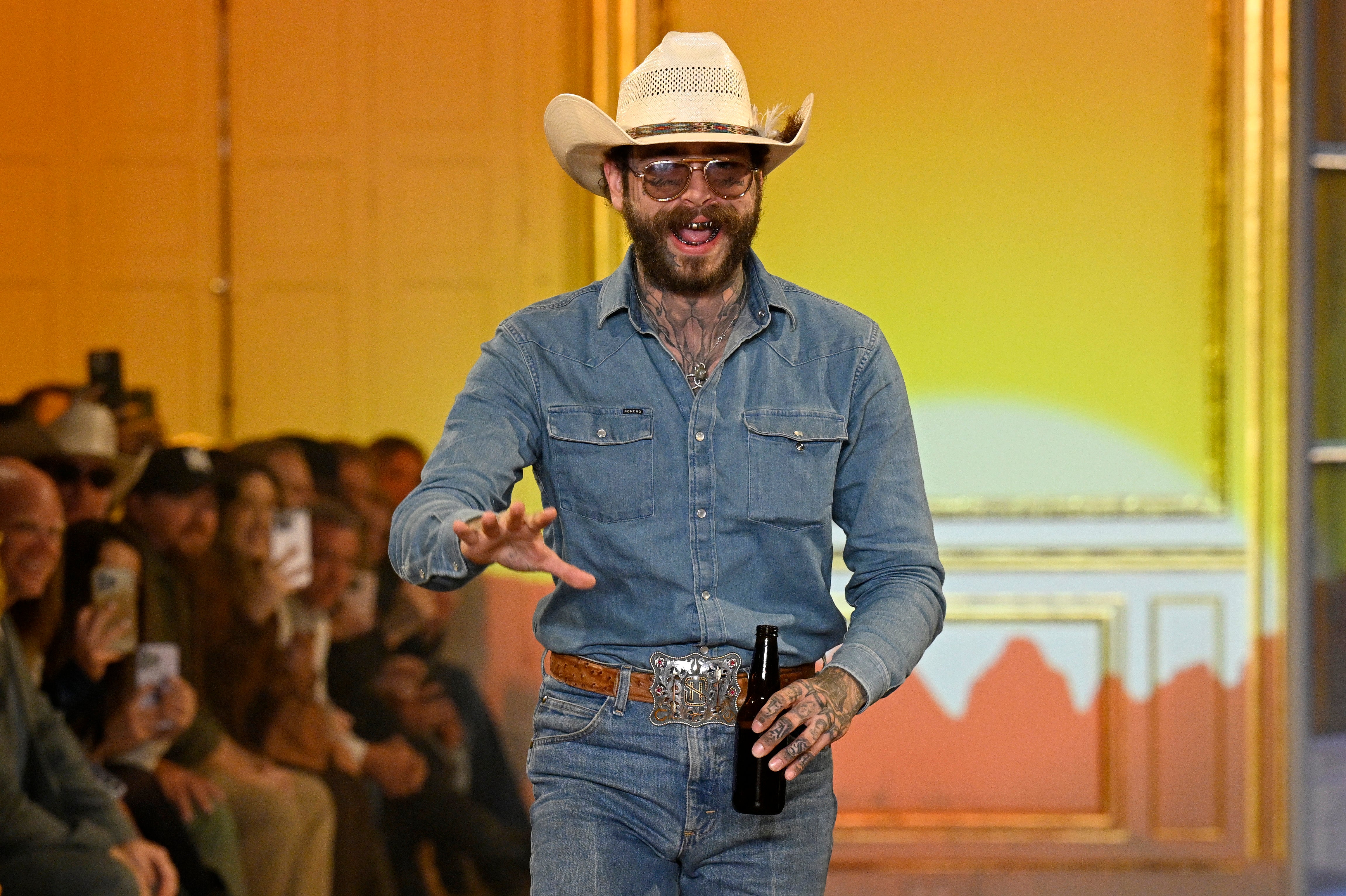
The fashion industry has taken note. Louis Vuitton’s creative director Pharrell Williams recently sent models down the catwalk in embellished denim chaps and suits bearing cacti motifs, with a barren desert vista projected on a screen behind them. “Yee-haw couture”, as Texan singer Kacey Musgraves calls it, has been part of Gucci, Versace and Chanel’s latest collections. For October’s Vogue cover, models Kendall Jenner and Gigi Hadid posed on horses at a Wyoming ranch. Hadid sister Bella went one step further and dated professional rodeo champion, Adan Banuelos. Rapper Post Malone recently launched a streetwear-meets-Western clothing brand, Austin Post (think gray zip-ups but with suede fringe on the chest for $370).
The clamor to dress like a cowboy has been hugely profitable for retailers specializing in ranch-inspired attire. Boot Barn, the California-based chain selling cowboy hats and boots across in more than 500 stores nationwide, has more than tripled in value over the past five years, according to the Nasdaq. The Austin-founded cowboy boot company, Tecovas, recently shelled out millions for a Super Bowl ad, months after opening its first store in New York’s SoHo neighborhood, complete with a tequila bar.
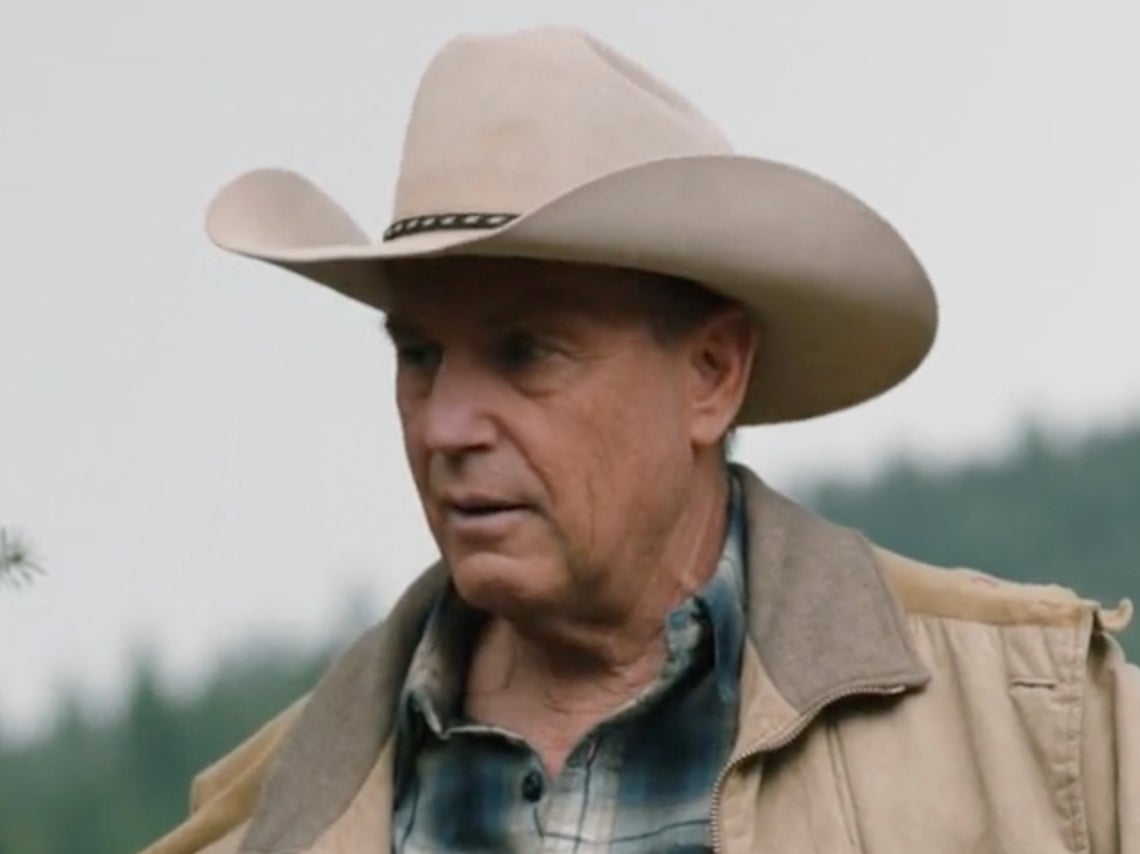
“The true West has no fences,” intoned a rugged Kevin Costner-esque fella on a horse galloping across a dusty plain in the Tecovas ad. “We might not need to have more people in the West. But would it hurt to have a little more West in the people?”
Since the late 19th century, cowboys have been the subject of fascination and fantasy in novels, comic books, TV and film. But why now, has Western style wandered so far from the ranch?
Steve Soderholm, founder of the Western-inspired perfumery Ranger Station, is a walking example of the modern cowboy aesthetic. His Instagram feed is filled with images of him in bandanas, cream Stetson hats and cowboy boots. At his brother's wedding, the groomsmen all wore bolo ties, neckwear made from a thin cord, fastened with a decorative clasp or slide.
Soderholm, who is from Nashville, Tennessee, grew up with brands like Wrangler and Dickies in his day-to-day wardrobe for working outdoors. But suddenly it's become cool.
For Soderholm, the style is versatile. "I love the comfort of my jeans and my cowboy boots because I can wear them to a nice dinner if I want to, or wear them if I'm doing work in the yard," he says. But he’s noticed city-dwellers — even “finance bros” — embracing the look when he travels around the U.S. for work. Soderholm thinks that men in particular are attracted to the trend because they yearn for a “simpler time.”
“People are craving analogue experiences when everything is speeding up so fast in this online, digital world,” he says. “They’re attracted to the idea of leading a quieter life that’s more peaceful.”
The cowboy aesthetic is aspirational, says Summer Anne Lee, a fashion historian at the Fashion Institute of Technology in New York City. The modern glamorization of the cowboy is rooted in a childlike fantasy that has idealized the lifestyle. “Cowboys are independent, free, self-reliant, strong and tough, and they very frequently have guns,” she says. “It’s the idea that the cowboy is someone who can protect himself and who can defend others.”
Functional, durable and long-lasting workwear worn by ranchers, oil men and laborers is deep in the DNA of American fashion history. Heritage brands, like Levi's or Stetson, began making clothes for laborers before adapting garments for the mass market. Levi Strauss, a Bavarian immigrant, founded the denim brand when he moved to California in 1853 during the height of the Gold Rush to sell dry goods to miners. He partnered with tailor Jacob Davis to create riveted denim pants, patenting the first “blue jeans” in 1873.
Some repopularized styles have an even longer history, drawing inspiration from Native American dress. Leather fringing, seen on Western-style jackets and boots, was originally incorporated into clothing by tribes to protect the garment from getting wet.
“While it is decorative, the fringe is designed so that rainwater would trickle down the fringe and protect the rest of the garment,” explains Lee. “There’s a lot of blending going on, a fusion of indigenous styles that were obviously developed for practical purposes in addition to style and taste.”
Then there’s the bedazzled side of Western dressing, which has also seen a resurgence from its 1940s roots when Ukrainian-American tailor Nudie Cohn created his “Nudie Suit” for touring country singers. The outfits featured intricate rhinestone detailing, thick lapels and embroidery of Western motifs like roses, cacti or horses, echoing the styles of rodeo riders, worn by stars like Elvis Presley, Hank Williams, Cher and Johnny Cash. His impact is clear today in the touring wardrobes of megastars like Post Malone, Beyoncé and Grammy-winning singer Shaboozey.
Why America is lusting for cowboys and the West at such a fraught moment in the country’s history is a complex question. A record 80 percent of U.S. adults say the country does not agree on key values, according to 2026 Gallup poll.
“There’s a crisis of American identity [right now] and the question of who is American and what does an American look like,” says Lee. “In that search for American identity, the cowboy is something that people land on.”
The symbol of a cowboy — imbued with traits of honor, hard work and freedom — presents a vision of America that all people, no matter their political stripe, want to see themselves in. Soderholm thinks American men, in particular, find a lot of solace in this version of masculinity.
“The cowboy is seen as this rugged guy who works the field and provides for his family and works with his hands,” he says. “A lot of the time, we dress aspirationally towards what we wish life looked like, and I think a lot of people wish for a super simple life, kind of like in the old West.”
Join our commenting forum
Join thought-provoking conversations, follow other Independent readers and see their replies
Comments
Bookmark popover
Removed from bookmarks