From Kate Moss to jeggings – a short history of Topshop as it returns in-store
Will Topshop be able to translate nostalgia into sustained success for a new generation of shoppers?
For many British shoppers, Topshop was a fundamental fixture of the high street.
From its Oxford Circus flagship to the Kate Moss collaborations and the era of ultra-skinny “Joni” jeans, the brand played a significant role in shaping mainstream style in the 2000s and 2010s.
Now, after several years operating primarily online through secondary platforms, Topshop is returning to physical retail, reappearing in 32 selected John Lewis stores as it begins a new phase.
As it moves back into bricks-and-mortar spaces, here’s how Topshop became one of the most recognisable names in UK fashion.
A high street original
Topshop was founded in 1964 as a fashion department within the Peter Robinson chain in an attempt to attract younger buyers.
By the Seventies it had evolved into a standalone brand focused on trend-led, affordable clothing aimed at a teenage customer.
It built its reputation on speed and accessibility – translating catwalk ideas into wearable pieces at a fraction of designer prices. By the Nineties, Topshop had cemented its position as a high-street authority, particularly with the opening of its flagship store at Oxford Circus in 1994.
The multi-floor space became a destination in its own right, attracting shoppers from across the UK and abroad.
It combined trend-driven fashion with concessions, beauty counters and even in-store events, creating an immersive retail experience long before “experiential shopping” became an industry norm.
When the high street hit the runway
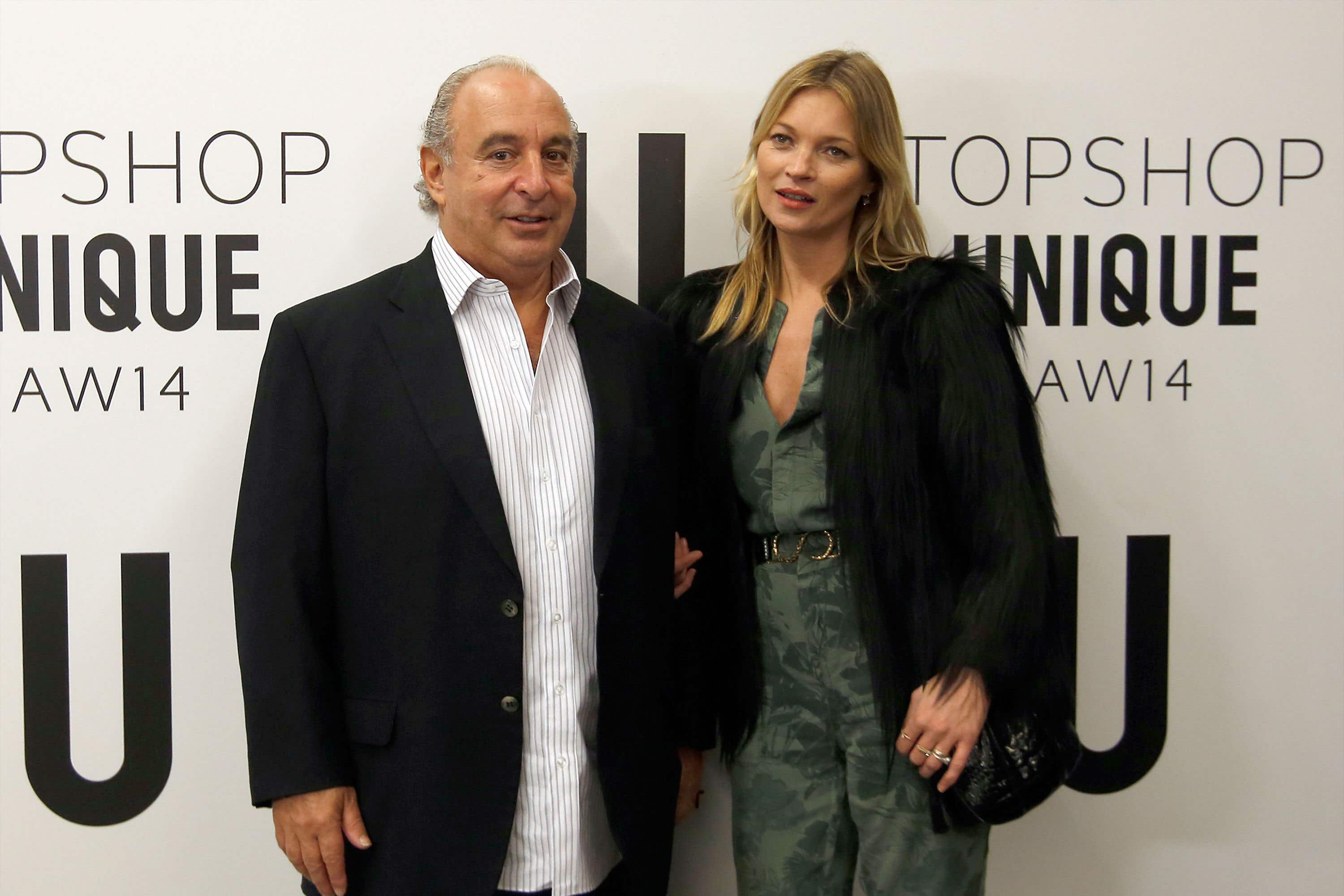
Topshop’s fashion credentials were elevated in the early 2000s with the launch of Topshop Unique, a premium in-house line that debuted on the London Fashion Week schedule.
Becoming one of the few high-street brands to show alongside established designers helped cement Topshop’s position as more than just a fast-fashion retailer.
The shows were known for their distinct London energy – featuring bold styling, youthful casting and a sense of glamour which was accessible to all.
The move blurred the lines between designer and high street, positioning Topshop as a brand that could influence trends, rather than simply follow them.
The Kate Moss effect
If one moment encapsulated Topshop’s cultural peak, it was the launch of the Kate Moss collaboration in 2007.
The supermodel’s capsule collections drew queues outside stores and international media attention.
The partnership was significant, not just because of Moss’s star power, but because it helped pioneer the now-common model of high-profile designer or celebrity collaborations on the high street.
The pieces ranged from vintage-inspired dresses and tailored jackets to slim-cut trousers, all of which sold out quickly and became collector’s items.
The collaboration was revived several times over the following years, further embedding Topshop in fashion folklore.
Denim dominance
Topshop also became synonymous with denim. Styles such as the “Jamie” and “Joni” jeans achieved cult status, particularly during the height of the skinny-jean era in the late 2000s and early 2010s.
The rise of “jeggings” – ultra-stretchy, close-fitting denim hybrids – became one of the defining trends of the time, and Topshop was at the centre of it.
Its jeans were praised for their fit and variety, offering multiple rises, lengths and cuts that appealed to a broad customer base.
Even as wider silhouettes returned to fashion, Topshop’s denim heritage remained a key part of its identity.
The digital chapter
Like many high-street brands, Topshop entered the 2010s facing a rapidly changing retail environment.
Shopping habits were changing, footfall on traditional high streets was declining, and online-first competitors were expanding quickly. In response, the brand invested heavily in e-commerce and international growth, building a strong digital presence alongside its physical stores.
However, the wider pressures on bricks-and-mortar retail proved difficult to ignore. As consumer spending patterns evolved and competition intensified, Topshop’s performance began to slow.
The challenges culminated in the collapse of its parent company, Arcadia Group, in late 2020, leading to the closure of its standalone UK stores.
In 2021, online retailer ASOS acquired the Topshop brand, shifting its focus fully to digital. Under its new ownership, Topshop continued as an online-only label, relaunching core product lines and maintaining its reputation in areas such as denim and trend-led womenswear.
Operating without a physical footprint marked a significant change for a brand once defined by its flagship stores. Yet the name retained cultural currency, particularly among shoppers who had grown up with it during its peak years.
Returning to bricks and mortar
Now, Topshop is stepping back into physical retail through a partnership with John Lewis, returning to selected department stores across the UK.
The in-store edit focuses on signature pieces, including updated denim styles and wardrobe staples, while introducing new designs aimed at reconnecting with long-time shoppers and appealing to a younger generation.
The return reflects a broader transformation within the retail sector, where brands are once again exploring the balance between online convenience and in-person experience.
Over six decades, Topshop has evolved from a youth-focused department store section into one of Britain’s most recognisable fashion brands. The question now is whether its return to physical retail can translate nostalgia into sustained success for a new generation of shoppers.
Bookmark popover
Removed from bookmarks