The truth about what gel manicures are doing to your nails
Gels may be causing more long-term damage than you think
For many, a gel manicure is now as routine as a haircut, celebrated for its hardwearing, chip-free perfection lasting up to three weeks.
But beneath the mirror-shine finish and sturdy exterior, a pressing question persists: are these popular treatments actually damaging our nails?
Margaret Dabbs OBE, a podiatrist and founder of Margaret Dabbs London says the truth sits somewhere in between the gels themselves and how we treat them once they’re on our nails.
“There are a lot of horror stories surrounding gel manicures,” she says, “[including] experiences from both salon and home treatments, which [could have caused] inflammation and extra sensitivity around the nail and the cuticle, nail infections and damaged nails.”
Crucially, “this can be due to the application and removal process of the gel treatment, quality of the products being used, impact of the ingredients and, of course, the technique adopted by the therapist,” says Dabbs.
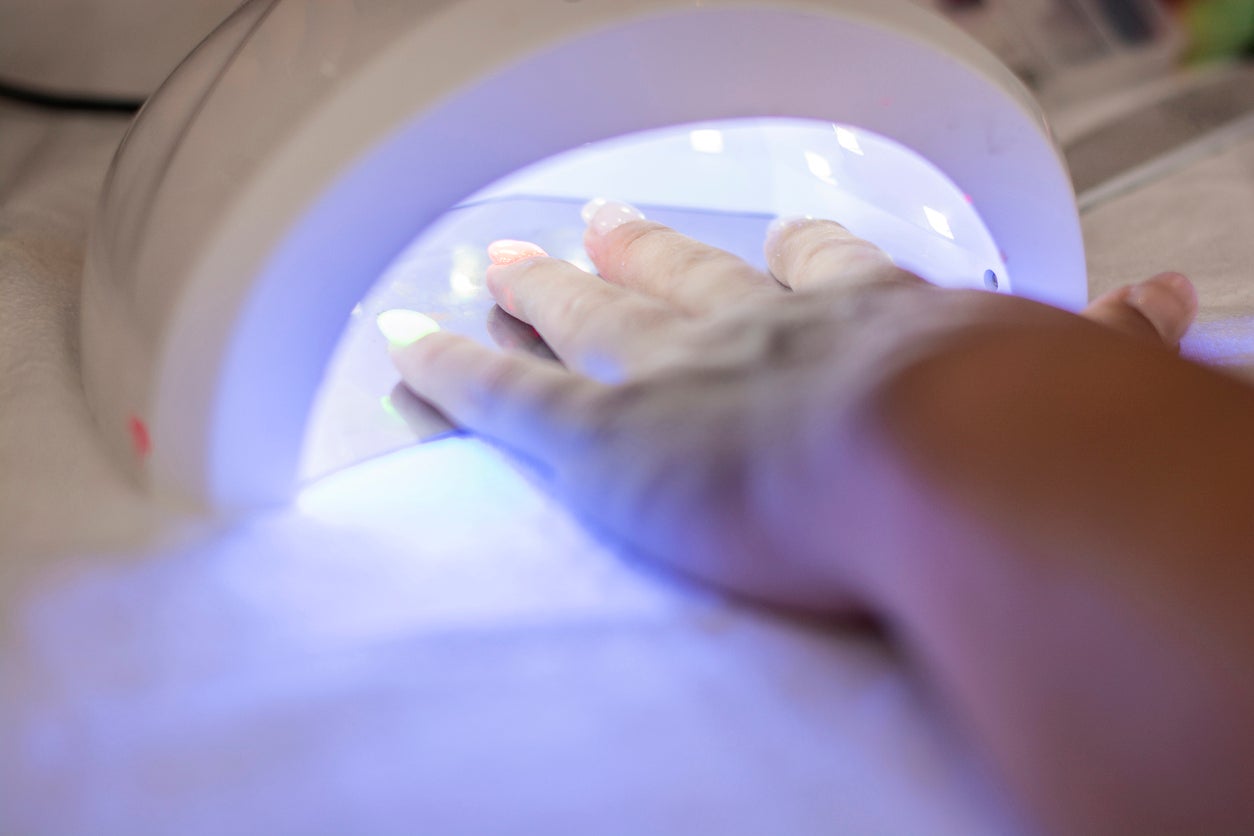
In other words, gels themselves are not inherently destructive. The damage tends to come from how they’re applied, what they’re made from and – most of all – how they’re taken off.
Why gels can weaken nails over time
Gel and ‘builder in a bottle’ (BIAB) manicures rely on preparation. Nails are buffed so the product adheres properly, then cured under a UV or LED lamp.
Removal usually involves soaking in acetone and scraping away softened layers.
“Gel and BIAB manicures can weaken nails because of the preparation and removal process,” Dabbs explains, “over-buffing, acetone and scraping all strip the nail of natural oils and damage the keratin layers. This leaves nails thin, dry and prone to peeling.”
When that cycle repeats every few weeks without a break, the nail never has a chance to recover. Over time, it can feel paper-thin, sensitive and brittle, which can only worsen with age.
How often is ‘too often’?
There’s no fixed rule for how frequently you can safely have gel nails, but constant back-to-back appointments without any downtime is where problems start, Dabbs says.
“To minimise damage, always have gels removed professionally, give your nails regular breaks and nourish them daily.”
Those breaks don’t need to be a month-long hiatus – even a couple of weeks between sets can make a difference.
During that time, hydration becomes essential. A quality cuticle oil restores flexibility and comfort to both nail and skin.
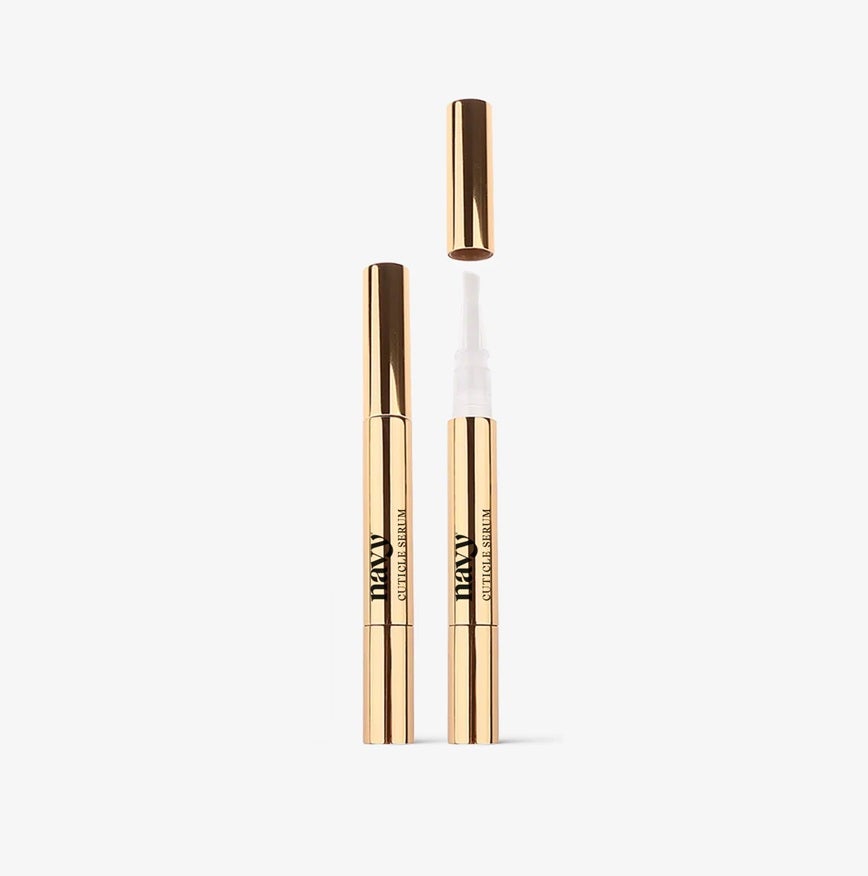
Navy Cuticle Serum Pen, £8 (was £10), Space NK
The biggest mistake: peeling
Few habits are more destructive than picking or peeling off gel. It’s tempting – especially when a corner lifts – but it removes layers of the natural nail along with the product.
Dabbs urges a gentler approach across the board.
“I’d recommend practising gentle nail care. When grooming the nails, it’s important to handle them with care. Avoid aggressive filing, abrasive instruments, acetone nail polish remover or metal gel removal techniques,” such as metal files or buffers.
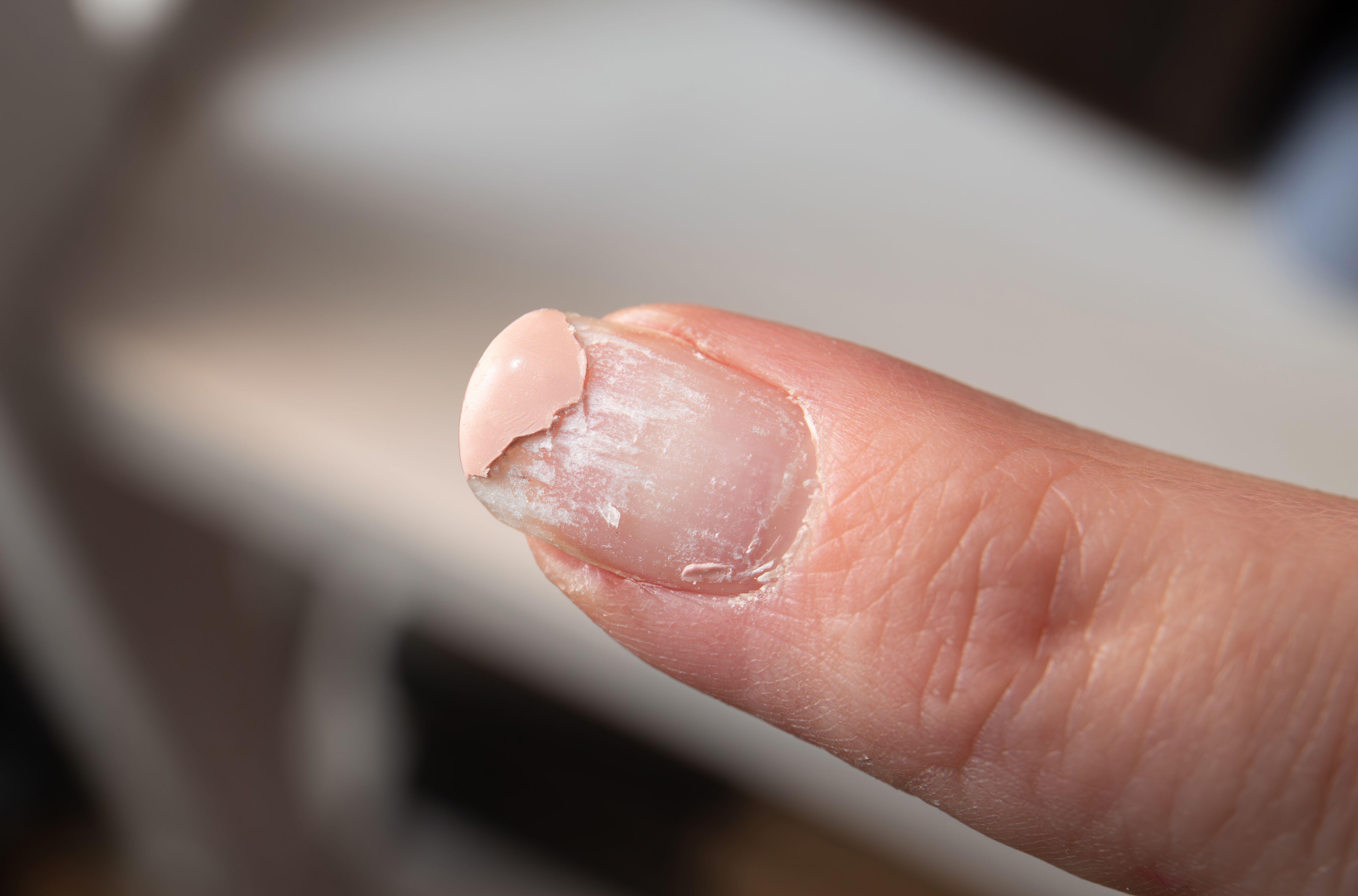
Peeling feels satisfying in the moment, but it leaves the nail surface uneven and fragile, making it harder for anything – gel or strengthening polish – to adhere properly in future. The result is a cycle of damage that compounds over time.
If you’re removing gel at home, then patience is paramount. Soaking thoroughly and easing the product away gently is far safer than forcing it off. Although regular long-exposure to an acetone soak isn’t great, so it’s often best to go to a trusted nail technician.
In salons, technique still matters just as much: rushed removal is often where the worst damage happens, so it’s important to ensure you keep a close eye on the process.
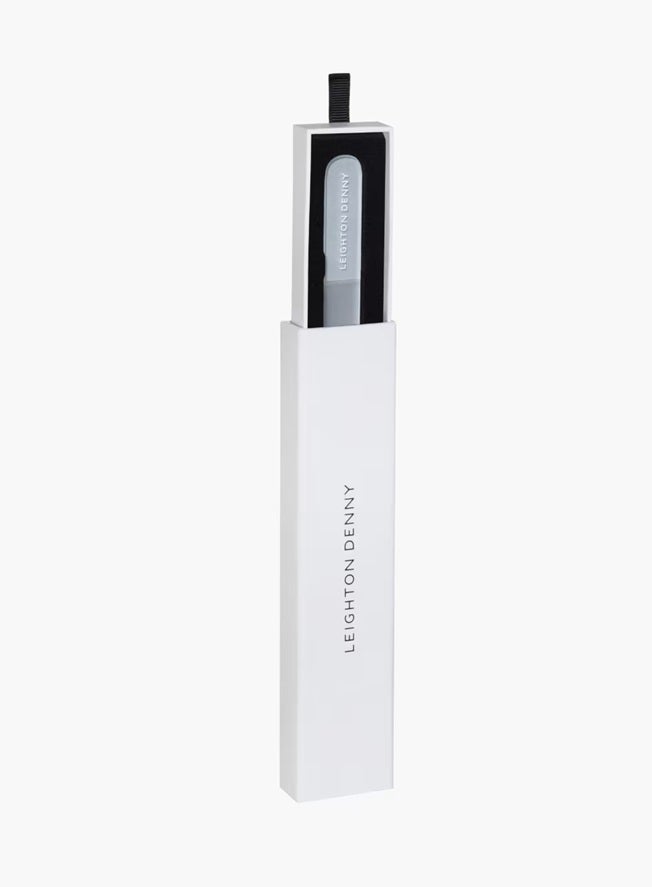
Leighton Denny Large Crystal Nail File (195mm) and Case, £14.40 (was £18), M&S
Are there safer ways to get long-lasting nails?
For those who love the look of a polished nail but want to avoid the wear-and-tear of gels, there are alternatives.
Dabbs recommends upgrading your basics.
“You should be ditching emery board nail files and use a good-quality crystal nail file,” she says, noting that they “promote healthy growth and ensure that the nails do not split or break.”
Hydration is equally important.
“It’s important that your nail bed and cuticles stay hydrated, as this will keep them looking healthy and will in turn promote strong nails.”
If you wear polish, the base layer matters too.
“You should be ditching normal base coats in place of one that also helps promote nail growth and strength.”
Ingredient awareness is also part of healthier nail care.
Dabbs points out that many traditional nail formulas still contain chemicals that are now being rejected by nail health experts.
“[I stay away from] 12 commonly used chemicals such as trimethylbenzoyl diphenylphosphine oxide (TPO), which has recently been banned in the EU due to safety concerns under chemical regulations but has yet to be banned in the UK.”
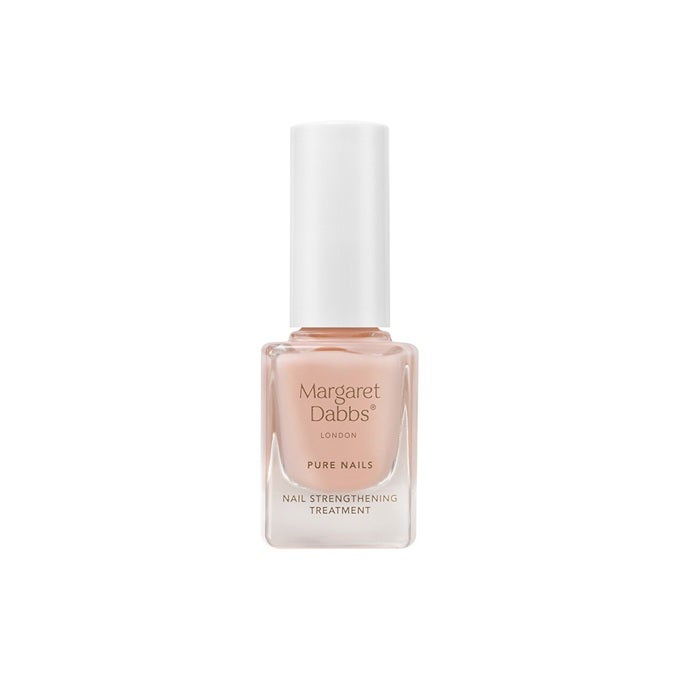
Margaret Dabbs London Nail Strengthening Treatment, £16
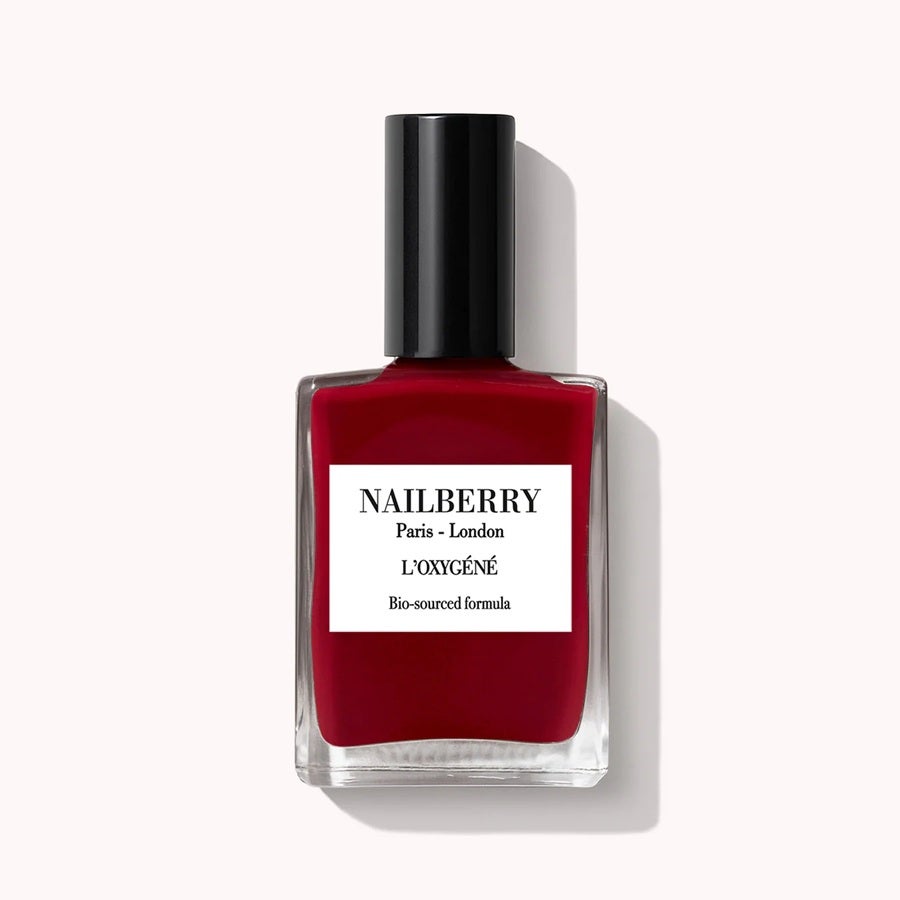
Nailberry Bio-Sourced Polish – Le Temps Des Cerises, £17
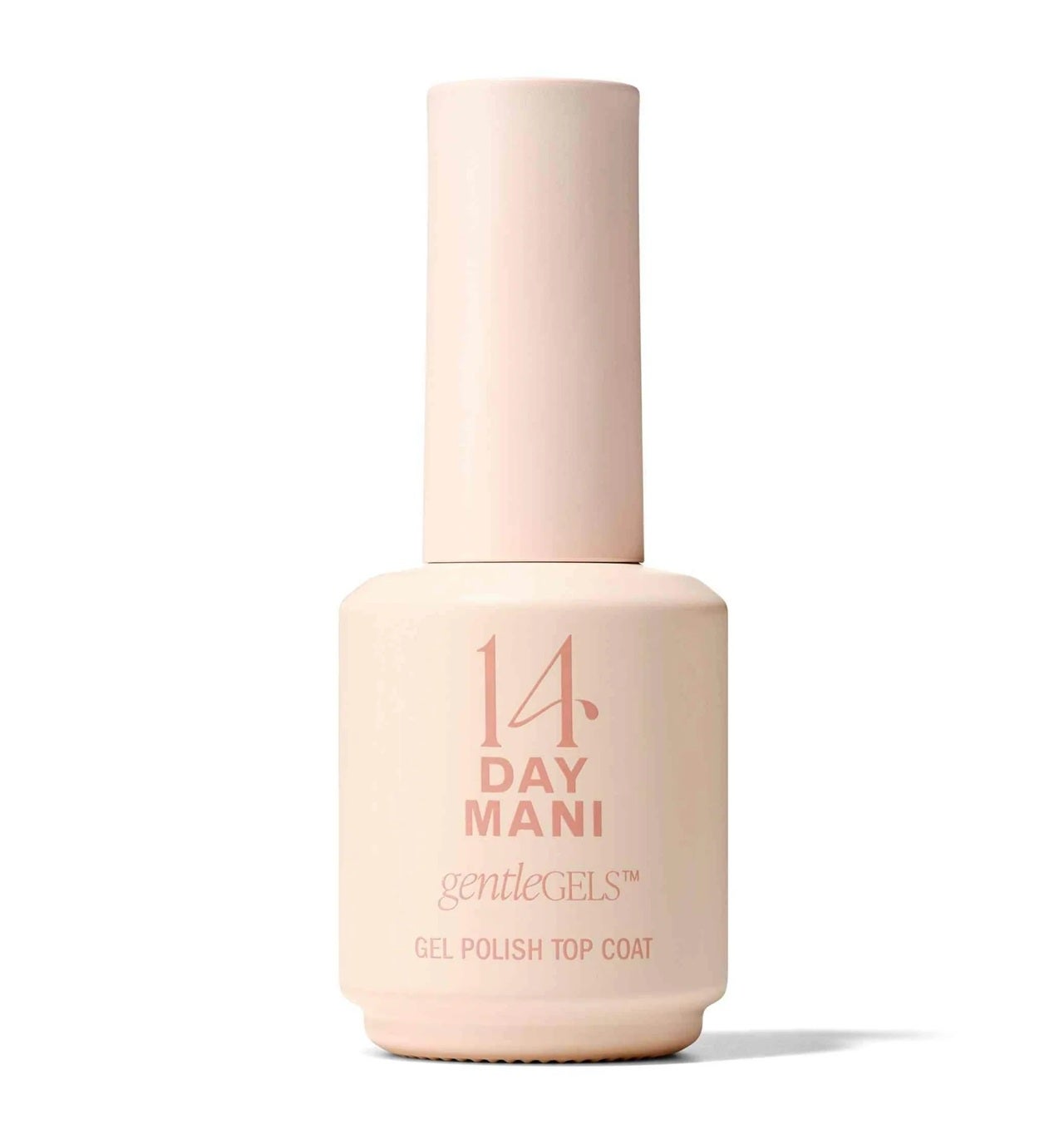
14 Day Manicure Clear HEMA-Free No-Wipe Top Coat, £10
Bookmark popover
Removed from bookmarks