The style blogger whose world crashed down around her, as she faces five years behind bars for fraud
She was once the trailblazing style blogger with thousands of followers and six-figure partnership deals who shaped the influencer culture we know today, so how did Chiara Ferragni end up in court on charges of fraud, being dubbed social media’s Martha Stewart? Olivia Petter reports on the downfall of the woman known as Blonde Salad

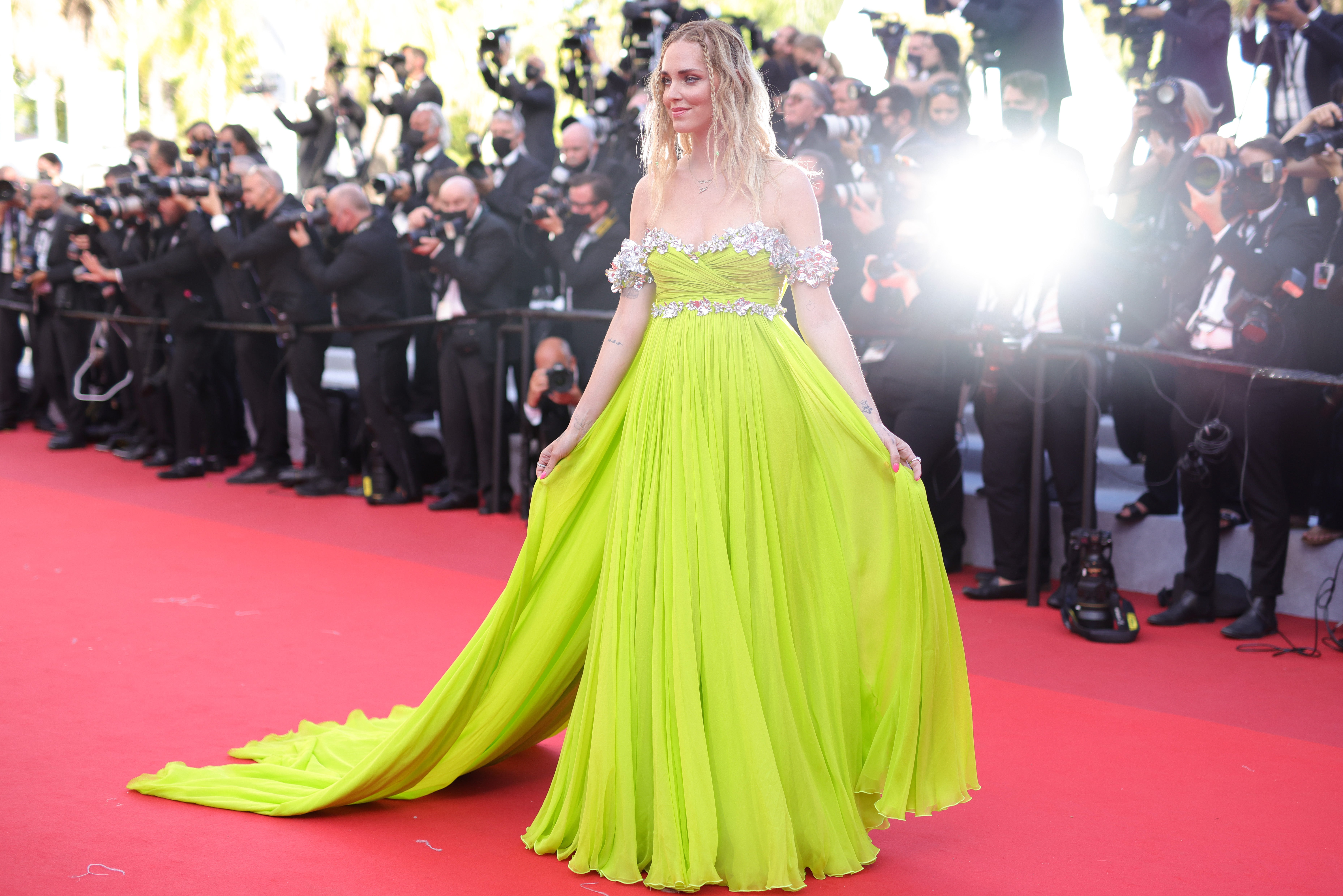
For a while, Chiara Ferragni had it all. A style influencer with a social media account that was earning up to six figures per post. Ambassadorships with Versace, Gucci, and L’Oreal, to name but a few.
The 38-year-old Italian magnate had her own fashion, eyewear, fragrance, and beauty lines. A Netflix documentary has been made about her career and life with her famous rapper husband, whom she married in a 19th-century Sicilian palazzo, a wedding featured in American Vogue. A Kardashian-style reality TV series about their family, titled The Ferragnez. There was even a Barbie doll named after her.
And yet, in 2023, the same year that her company was valued at €75m (£65m), Ferragni’s extensive empire came crashing down – over a Christmas cake. Now, she’s facing jail time on charges of aggravated fraud. Dubbed “Pandorogate” by the Italian media, the scandal unfolded after the Italian Competition Authority accused Ferragni of falsely suggesting that proceeds from sales of a special edition Pink Christmas Pandoro cake, a traditional Italian delicacy, that she sponsored would go to a children’s hospital. The cakes were priced three times higher than normal.
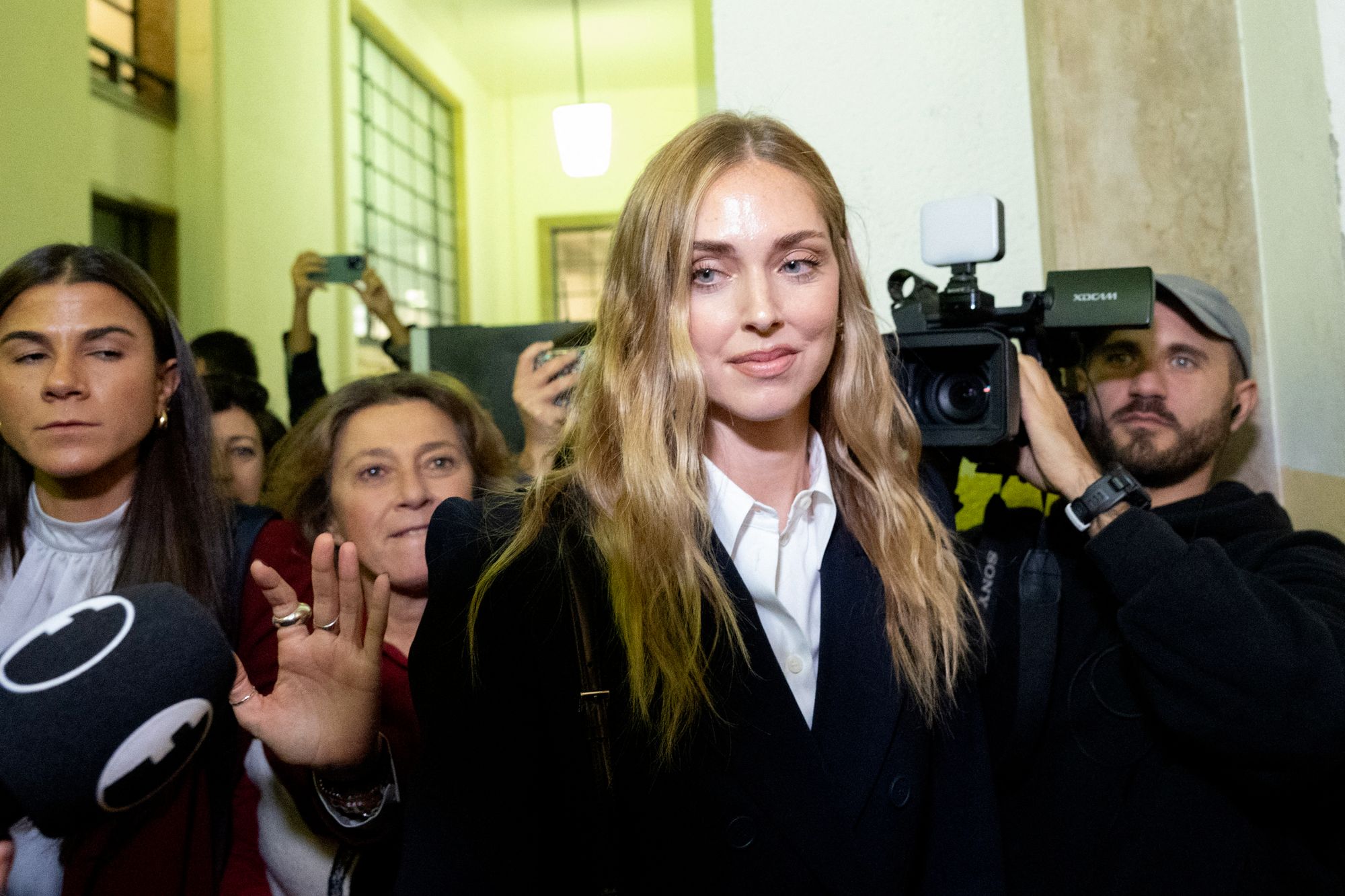
An investigation into the finances behind the deal found that the cake manufacturer, Balcoco, donated €50,000 to the hospital and paid Ferragni €1m for her involvement. She was charged at a criminal trial in Milan in November and, if convicted, could face up to five years behind bars.
To make matters worse, Ferragni was embroiled in a similar debacle just last year after Italian antitrust authorities investigated misleading communications about a set of Easter eggs sold in connection with children’s charities with the fashion mogul’s label. According to reports, just $41,650 of the $1.39m that Ferragni and the manufacturer earned went to charity.

This has led to a statute change, which has become popularly known as The Ferragni Law and is designed to regulate influencers with more than a million followers and combat false advertising. In terms of what comes next, Ferragni has already paid more than €3m to resolve these disputes, with a €1.2m settlement to a children’s autism organisation, €1m to the Turin children’s hospital and a €1m fine to the Italian Competition Authority. In December 2023, she posted an apology video on Instagram, admitting to a “communications error” over the cakes.
Ferragni launched her blog, The Blonde Salad, in 2009 when she was still a student at law school. Very quickly, she amassed a large and dedicated following, thanks to her personal, fashion-friendly posts that were magazine-like in their style. It tapped into the cultural mood of the time, all candid personal style photos featuring bold colours, gaudy prints, and silly faces that made her content seem aspirational but also relatable.

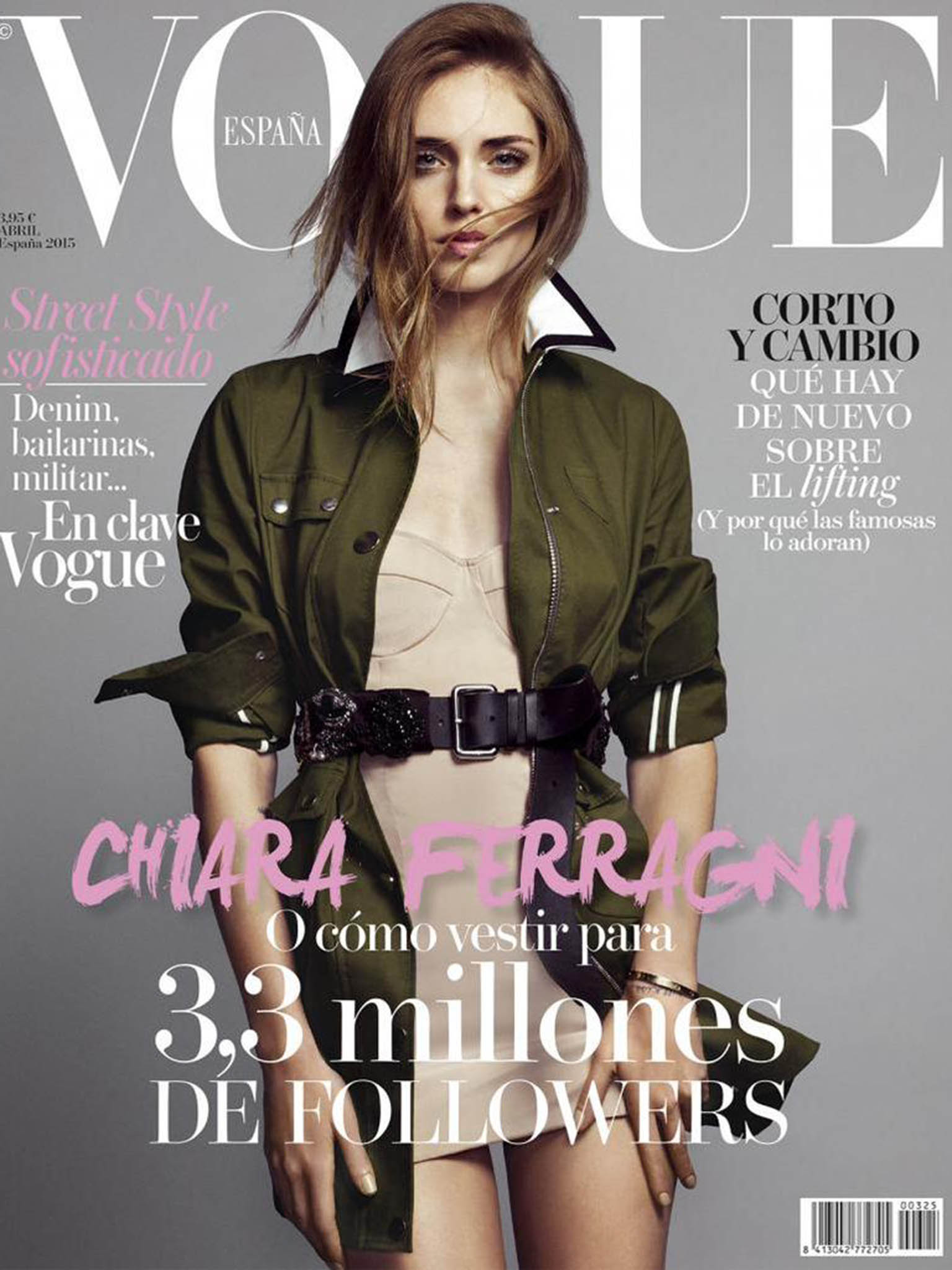
An early adopter of Instagram, she was one of the earliest social media influencers, posting tidbits from her life on her own terms. Quickly building up a significant number of followers, in 2015, she became the first blogger to land a Vogue cover, fronting Vogue Spain, and Harvard Business Review even ran its first-ever case study on a fashion influencer.
“She was one of the first individuals to turn personal style content into a global brand, monetising her online presence while establishing partnerships with luxury labels,” says Andrew Witts, digital marketing expert at Studio 36, an SEO agency. “For many aspiring influencers, Chiara was the first person they truly recognised as having transformed influence into business success.”
For many, Ferragni’s career set the precedent for what influencers could do with their platforms.
“Chiara Ferragni was the influencer that made many of us stop and think,” says Victoria Morais, digital marketing expert at Eskritor. “She started her blog in 2009 and somehow managed to turn her lifestyle and personality into a brand people cared about. For a lot of us creators, she was the first one we really noticed. And she had a knack for making her commercial partnerships look seamless and not just like a paid ad slapped on her page.”
Ferragni’s profile soared further when she married Fedez in a highly publicised ceremony said to be worth more than €1m that had people calling her the Italian Kim Kardashian – she wore three custom Dior gowns. The former couple have two children together, and to this day, Ferragni posts photos of them on her Instagram account, which currently has 28.1 million followers. It transpires that, even in the wake of scandal, her influence is such that she has maintained a loyal legion of fans.
“Chiara is not just a creator; in Italy, she is part of the cultural fabric,” explains Lauren Beeching, a reputation manager for celebrities and crisis PR specialist. “She built a fully fledged commercial empire at a time when influencer businesses were still considered experimental, and she became a reference point for how personal branding could evolve into something corporate and globally recognised.” Hence why the scandal has sent such shockwaves across multiple industries, spanning social media, fashion, beauty and more.

Ferragni was an influencer at a time when the role was still gaining legitimacy. In 2016, four US Vogue editors criticised those who were suddenly arriving at Fashion Week’s front rows. “Note to bloggers who change head-to-toe paid-to-wear outfits every hour: please stop.” wrote Sally Singer, the magazine’s then-creative digital director. “Find another business. You are heralding the death of style.” In 2024, Forbes reported that the influencer industry was worth approximately $250bn.
“Chiara was doing all this at a time when it was incredibly hard,” recalls the writer and fashion commentator Camille Charriere. “You were looked down on; it was embarrassing and sneered at as a profession.” In person, Chiara was always friendly and warm, says Charriere. “I met her a few times, and people would say the same about her as they would about Kim Kardashian; she had a very strong work ethic and a very well-crafted veneer where she was still a blank canvas that could be projected onto, which is one of the reasons why she became so successful.”
Regardless of the trial’s outcome, Ferragni’s downfall is set to change the influencer industry for good, marking a tidal shift in the way brands partner with talent. “What this shows is that influence alone no longer guarantees trust,” says Morais. “Audiences and regulators expect transparency and honesty, and any charitable claims need to be clearly backed up. I see this as a milestone for the influencer industry. It signals that audiences are paying closer attention, brands are asking for more accountability, and creators need to be thoughtful and transparent in how they communicate with their followers. Those who embrace that shift and show consistency have a chance to maintain credibility. Those who don’t risk losing their social license entirely.”
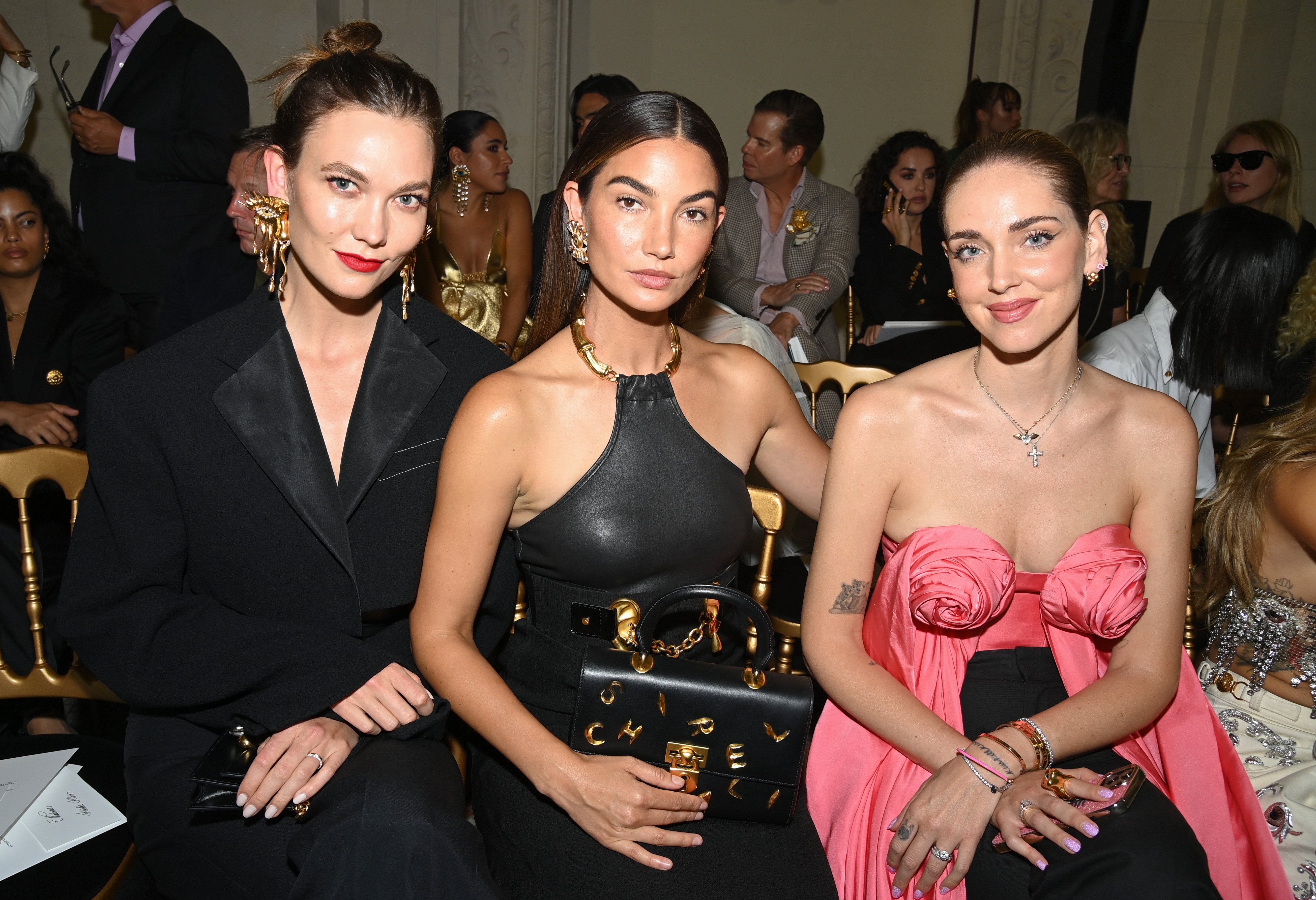
After a brief hiatus, Ferragni has slowly been trying to blend back into public life. She has since divorced from her husband, Federico Leonardo Lucia, known as Fedez, with both parties fighting off allegations of infidelity. There have been appearances at fashion shows, including Stella McCartney and Schiaparelli, and even a few brand deals with various luxury hotels and fashion labels. Still, the criminal trial is ongoing, and Ferragni is expected to appear in court on 19 December.
The negative press surrounding the trial has already had a damning impact, with Ferragni losing followers as well as approximately €5.7m in losses across Fenice and Tbs Crew, the companies that manage her work partnerships. And while a glance at her Instagram it all seems to be business as normal: in her bio, she refers to herself as “Leone and Vittoria’s mama and entrepreneur from Italy”, with recent posts including snaps on the slopes in St Moritz, a trip to Sao Paulo and mirror selfies, Google her name and all you’ll see are negative headlines surrounding the trial, referring to her “scandal”, and speculating over jail time.

The criminal trial is ongoing, and the case signals one thing for certain: better regulation within the influencer economy is needed in order to preserve authenticity, credibility, and brand legitimacy. “People feel they’ve been lied to by Chiara, but this is what social media is: the more you perform relatability, the more you can profit from it,” adds Charriere. “There needs to be an overhaul in the way influencers work with brands.”
Research from Deloitte and eMarketer shows that audience trust directly correlates with engagement and revenue, with scandals sometimes leading to a 20–30 per cent drop in follower engagement. “Ferragni’s story is both a cautionary tale and a testament to social media entrepreneurship: her influence reshaped the industry, while her challenges highlight the importance of credibility, strategy, and adaptability in sustaining a personal-brand business,” says Witts.
Ferragni’s saving grace could come via amplified messaging that distances her from the charity deal. “Companies like hers run with full teams of accountants, lawyers, compliance staff and managers,” says Beeching. “From my experience working with brands of similar size, I would be extremely surprised if she was personally overseeing the financial mechanics of a specific campaign. That is simply not how operations work at this level. Founders set direction rather than running the administrative processes.”
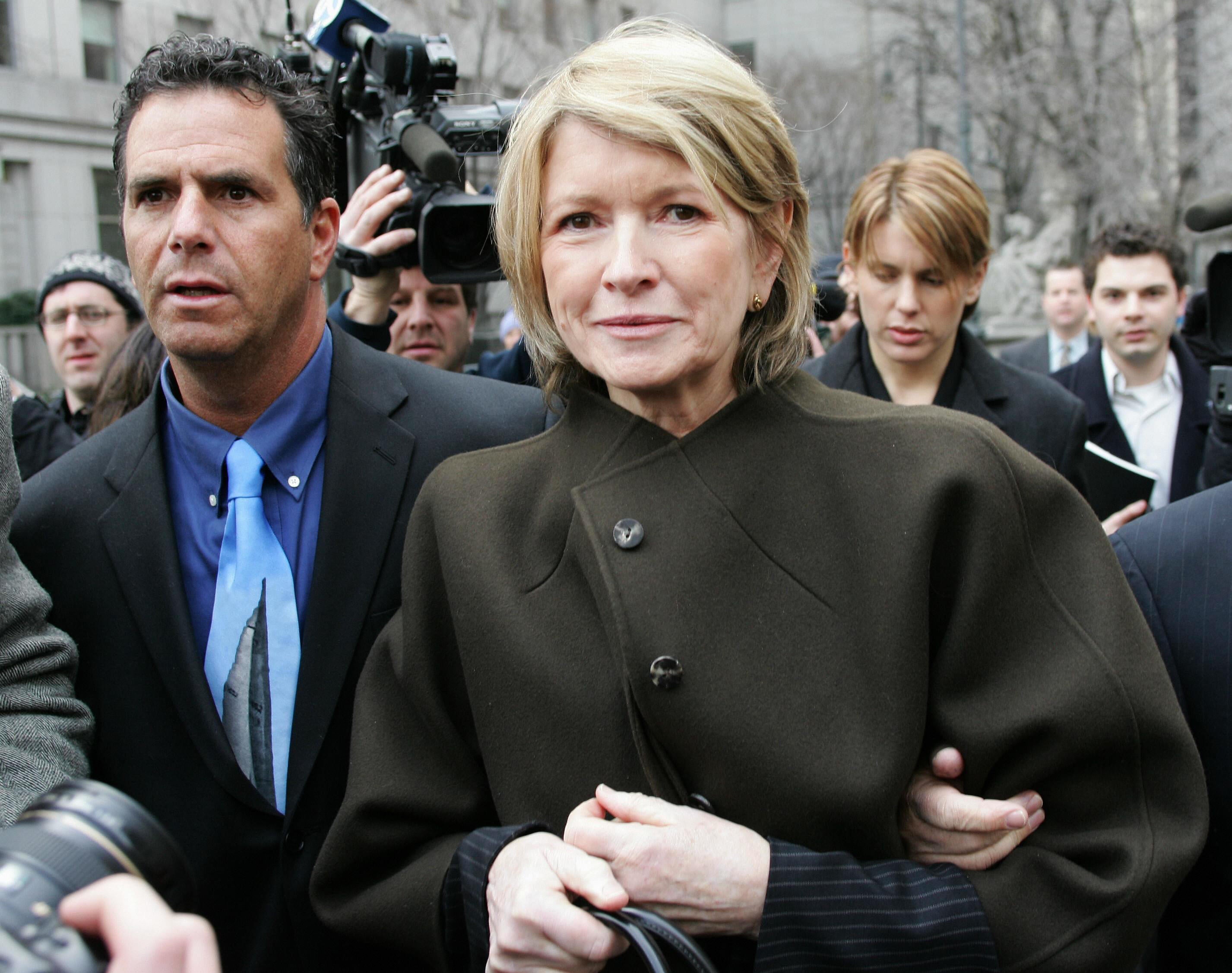
Still, the buck stops with Ferragni; she is the brand, literally and metaphorically. Hence her comeback from all this will be all the more difficult. “I think recovery is possible, but it will depend on the legal outcome and on how she approaches the aftermath,” adds Beeching. “The situation is clearly off-brand for her, which makes it feel more destabilising in the short term. But off-brand moments are not always fatal.” Indeed, Martha Stewart managed to reclaim her positive public image after a prison stint related to financial issues.
“People respond to how someone navigates the aftermath rather than to the headline itself,” says Beeching, who has worked with high-profile individuals in similar circumstances on rebuilding their image. “In the long term, audiences tend to be far more forgiving of financial controversies than anything involving people getting hurt,” she adds. “Chiara has a decade of familiarity behind her and a very loyal audience. With the right approach and enough time, rebuilding is entirely possible.”
Join our commenting forum
Join thought-provoking conversations, follow other Independent readers and see their replies
Comments
Bookmark popover
Removed from bookmarks