The foods that could be ruining your sleep – and the ones that can fix it
You might blame stress, screens or caffeine for your sleepless nights – but what’s on your plate could be the real culprit. Hannah Twiggs asks two sleep experts about the foods that disrupt your rest and the ones that can help you drift off more easily


If you’ve ever lain awake at night replaying every awkward conversation you’ve ever had, you’ll know that sleep – or, rather, the lack of it – can feel maddeningly elusive. We’re told to switch off our phones, meditate, dim the lights, ban caffeine after midday and take a magnesium supplement for good measure.
But while many of us have spent years tinkering with our bedtime routines, the answer might be sitting under our noses. Specifically, on our dinner plates. What you eat, and when you eat it, has just as much impact on your ability to nod off as any blue-light screen or stressful email. Certain foods can raise your heart rate, spike your temperature or mess with the hormones that regulate rest, while others can lull you into slumber.
“If you can’t fall asleep or struggle to stay asleep, salt could be the root of the issue,” says Dr Katherine Hall, a sleep psychologist from the sleep improvement program Somnus Therapy. “Sodium-rich meals result in fluid retention and increased blood pressure, making it hard for the body to switch off completely after eating snacks like crisps or salted nuts.”
Salt doesn’t just make you thirsty. It actually changes the body’s ability to rest. “This then results in something called superficial sleep, where the sleep isn’t very deep and can often involve disturbances like going to the toilet more, as studies show this can be brought on more by too much salt in the diet.”
The culprit, Dr Hall says, is your blood pressure and fluid balance. A high-sodium meal essentially keeps your body in alert mode. You might fall asleep quickly after that post-pub kebab, but your system won’t fully switch off – which is why you’ll likely wake up groggy, parched and wondering why you feel as though you’ve barely slept.



Dr Deborah Lee, from Dr Fox Online Pharmacy, agrees that our digestive systems bear the brunt of late-night indulgence. “When we eat spicy, salty or acidic foods too close to bedtime, our digestive system has to work harder when it should be winding down,” she says. “Spicy foods can raise body temperature and stimulate the release of certain stress hormones, both of which can make it harder to fall asleep. Acidic meals and high salt intake can also trigger heartburn or acid reflux, especially when lying down, which disrupts the natural sleep cycle.”
It’s not just about what you eat, but when. “It’s a good idea to leave at least two to three hours between your last meal and going to bed,” says Dr Lee. “This allows time for digestion and helps prevent reflux. However, it’s not just about the clock: your overall dietary pattern plays a big role too. A diet that’s high in processed, salty or spicy foods can increase inflammation and affect sleep quality over time, even if eaten earlier in the day.”
It’s easy to assume that eating light or “clean” before bed will help you sleep, but some of the worst offenders hide behind a halo of health. Tomatoes, soy sauce, aubergines, red wine and chees, for instance, are all rich in tyramine, an amino acid-derived compound that can overstimulate the brain. “Tyramine is normally a great addition to anyone’s diet as it stimulates natural brain activity,” says Dr Hall. “For those of us looking to get more sleep, however, it’s something to avoid completely if possible. Tyramine stimulates the production of the hormone norepinephrine, triggering the ‘fight-or-flight’ response and sending your body into a hyper-aroused state.”
If salt and acid rev up your blood pressure and digestion, spice messes with something even more primal – your temperature.
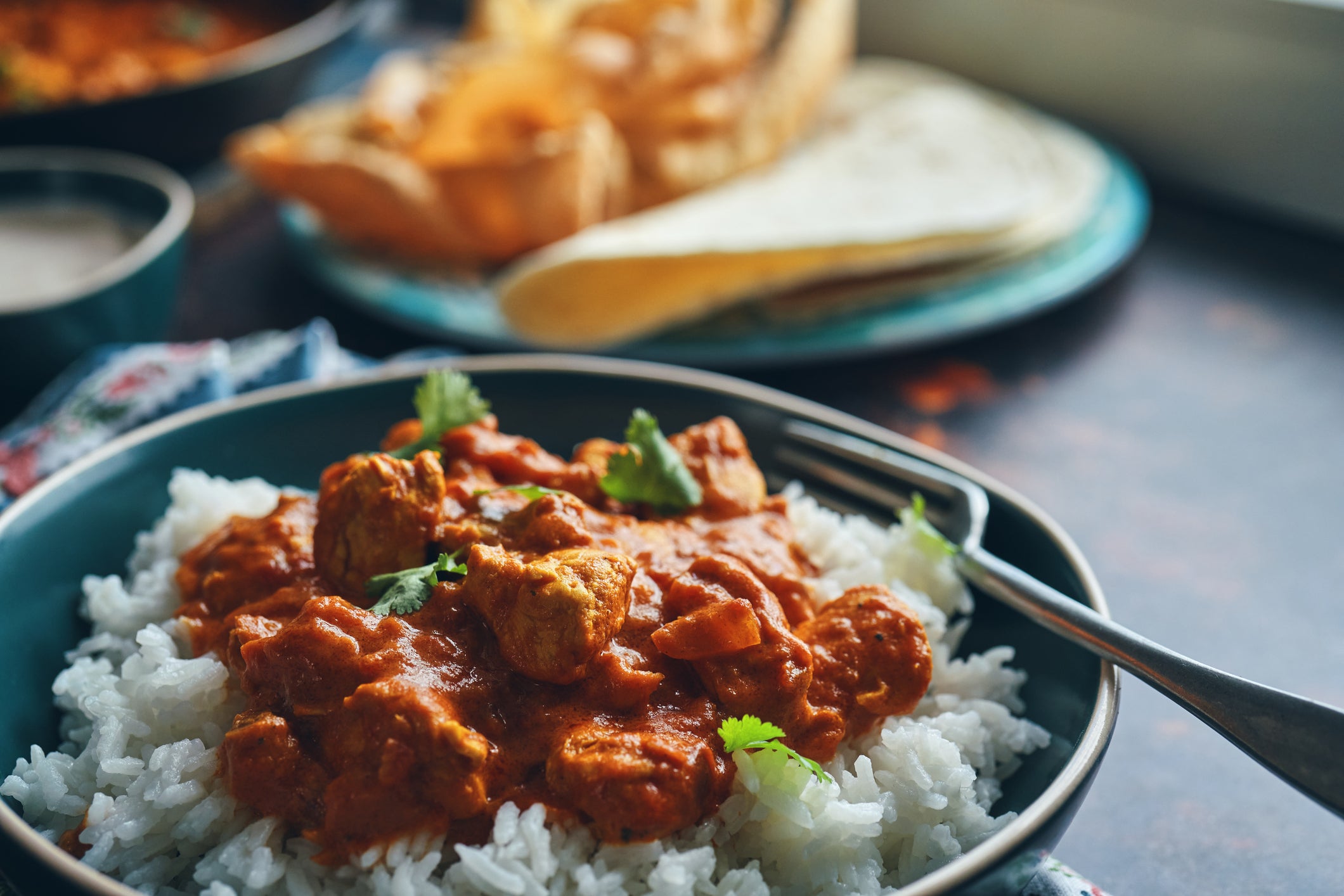
“For anyone struggling to sleep, avoid spicy foods altogether,” says Dr Hall. “Digesting various spices and chillies you have in your curries or other hot dishes can severely disrupt our body’s ability to thermoregulate, which essentially means managing our temperature. Capsaicin is the chemical in spicy food that causes our temperature to skyrocket, so combine this with the energy your body needs to digest the remainder of the meal, and you can really struggle getting some solid sleep.”
The body naturally cools as we approach sleep – it’s part of our circadian rhythm – so raising your core temperature with a fiery curry or hot sauce-laden dinner is like flicking the lights back on just as you’re nodding off. Dr Lee adds that spicy food can also stimulate the release of stress hormones, keeping the body alert when it should be winding down. Combine that with the reflux risk of lying down too soon after eating, and you’ve got a recipe for a restless night.
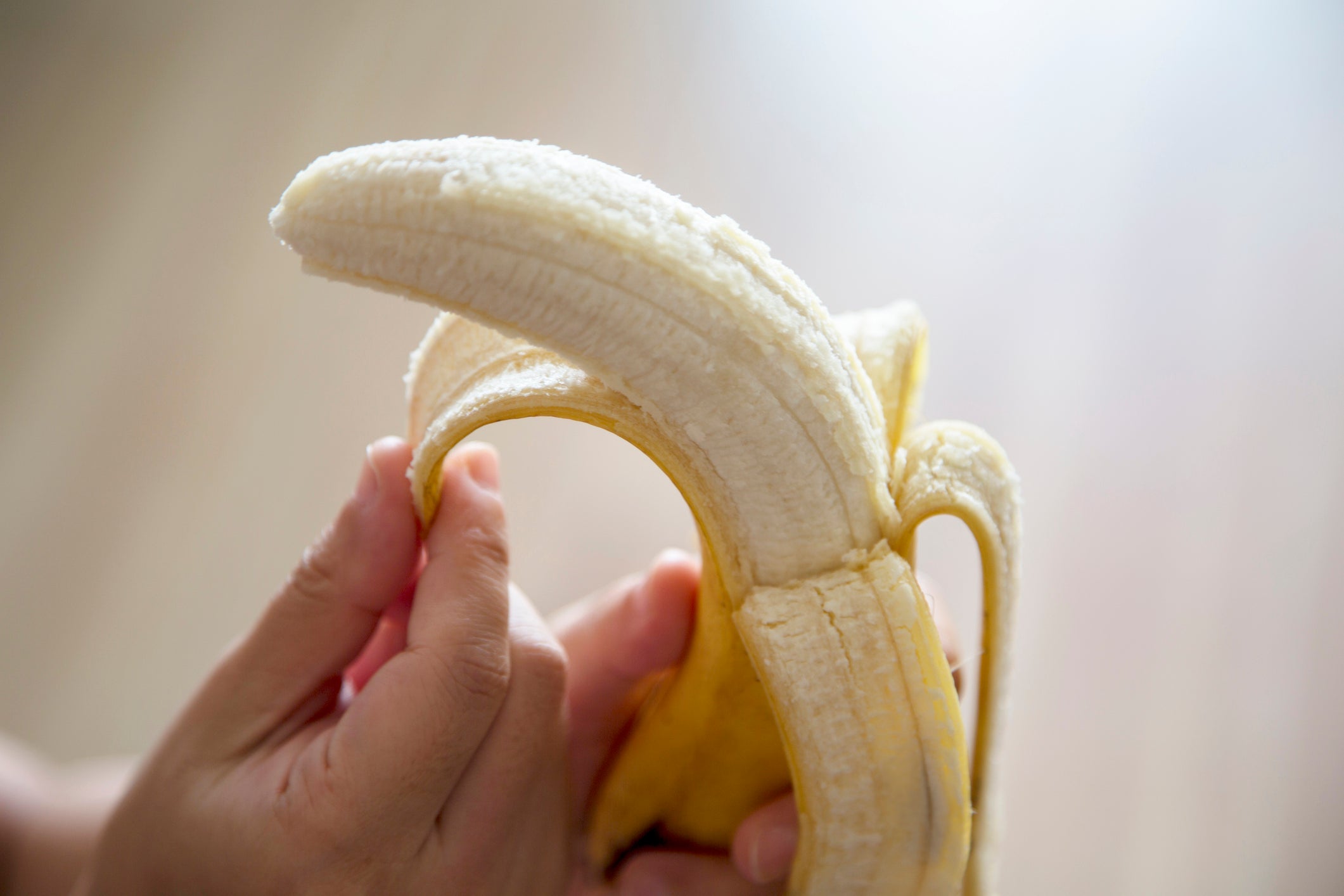
Classic ‘sleepy’ foods like bananas, almonds, milk and chamomile tea all contain or promote compounds such as magnesium, calcium and tryptophan, which can help the body relax
The good news is that while some foods sabotage sleep, others can actively support it. “Meals rich in complex carbohydrates, lean protein and healthy fats support the production of melatonin and serotonin: the hormones that regulate sleep and mood,” says Dr Lee.
“Classic ‘sleepy’ foods like bananas, almonds, milk and chamomile tea all contain or promote compounds such as magnesium, calcium and tryptophan, which can help the body relax.”
Unlike the high-sodium, high-spice dinners that raise your heart rate and body temperature, these foods work in harmony with your circadian rhythm. Bananas and almonds are rich in magnesium and potassium – minerals that help relax muscles and calm the nervous system – while milk provides tryptophan, the amino acid used to produce serotonin and melatonin. Chamomile tea contains apigenin, a natural compound that binds to brain receptors to encourage drowsiness.
Dr Lee says magnesium, in particular, is one of the most important nutrients for rest. “It supports relaxation and helps regulate the body’s stress response,” she explains. “Tryptophan and vitamin B6 are also key players, as they’re needed to make serotonin and melatonin. Zinc and calcium play supportive roles too: they’re involved in neurotransmitter function and help the brain transition into deeper sleep stages.”
If you’ve been flirting with magnesium supplements or fancy teas, you could just start with your diet. Think leafy greens, nuts, seeds and whole grains. These foods don’t just set you up for better rest at night – they also help regulate energy and mood throughout the day.
While we often think of sleep as something that happens at night, Dr Lee emphasises that the groundwork is laid long before bedtime. “When blood sugar levels fluctuate too much throughout the day, it can make it harder to fall asleep and stay asleep,” she says. “Spikes and crashes can trigger cortisol, a stress hormone that keeps us alert. Balanced meals that combine protein, fibre and healthy fats help maintain steady energy levels, which sets the stage for more useful sleep later.”
Gut health plays a role, too. “The gut and brain are in constant communication through the vagus nerve, and a healthy gut microbiome supports the production of neurotransmitters like serotonin,” says Dr Lee. “Poor gut health, from stress, poor diet or lack of fibre, can interfere with this process and lead to disrupted sleep. A diet rich in prebiotic fibre, fermented foods and diverse plant foods supports both gut and sleep health.”
If you’re genuinely hungry before bed, don’t panic – the goal isn’t to go to sleep starving. “A small, balanced snack can be helpful,” says Dr Lee. “Try something light like Greek yoghurt with berries, a banana with a spoon of nut butter or wholegrain toast with hummus. These options provide slow-release carbohydrates and a bit of protein to keep blood sugar steady without overloading digestion.”
You can still enjoy dinner out with friends or the occasional spicy meal, but moderation and timing are key. As Dr Lee puts it, “Sleep shouldn’t come at the expense of your social life: the key is balance. If you’re having a late meal or a glass of wine, try to drink plenty of water, eat slowly and finish eating at least two hours before bed. If it’s a particularly heavy or spicy meal, a short walk afterwards can help digestion and reduce reflux risk.”
There’s no single superfood or quick fix that guarantees a perfect night’s rest, but there is a pattern: balance. Heavy, salty or spicy foods overstimulate the body, while those rich in fibre, magnesium and tryptophan soothe it.
So before you reach for another glass of red or raid the crisp cupboard, remember: your best night’s sleep might not begin in the bedroom, but in the kitchen.
Join our commenting forum
Join thought-provoking conversations, follow other Independent readers and see their replies
Comments
Bookmark popover
Removed from bookmarks