Crispy pancakes, Viennetta and prawn cocktail: How the ‘council estate’ dinner became cool again
A solicitor sparked outrage this week for throwing a ‘council estate dinner’ themed event. Not only was it incredibly insulting, but the lawyer hadn’t understood that Britain’s smartest restaurants and households are now serving up nostalgia-driven food and drink, says Hannah Twiggs


Earlier this week, a solicitor found herself at the centre of a minor internet firestorm after hosting what she described on social media as a “council estate dinner”. The menu, shared proudly online, featured turkey dinosaurs, potato smiley faces, crispy pancakes, oven chips and Viennetta and ginger cake for pudding. All washed down with SunnyD and bucks fizz.
The backlash was swift. Commenters accused her of being tone deaf, insensitive and out of touch. The post was deleted. Knives were duly sharpened.
On the surface, it looked like another familiar skirmish in Britain’s endless culture wars: class, language, offence, intent versus impact. But look a little closer and the whole thing becomes rather more ironic – not least because the food Sophie Murgatroyd was apparently mocking is enjoying something of a comeback.
What was actually served is a lineup of dishes many of us grew up loving, regardless of postcode, income bracket or what your parents did for a living. Nuggets, smiley faces, freezer puddings, baked beans and prawn cocktails are not fringe foods, nor have they ever been. They are childhood food – comforting, predictable, deeply ingrained. And, crucially, they’re having a moment again.
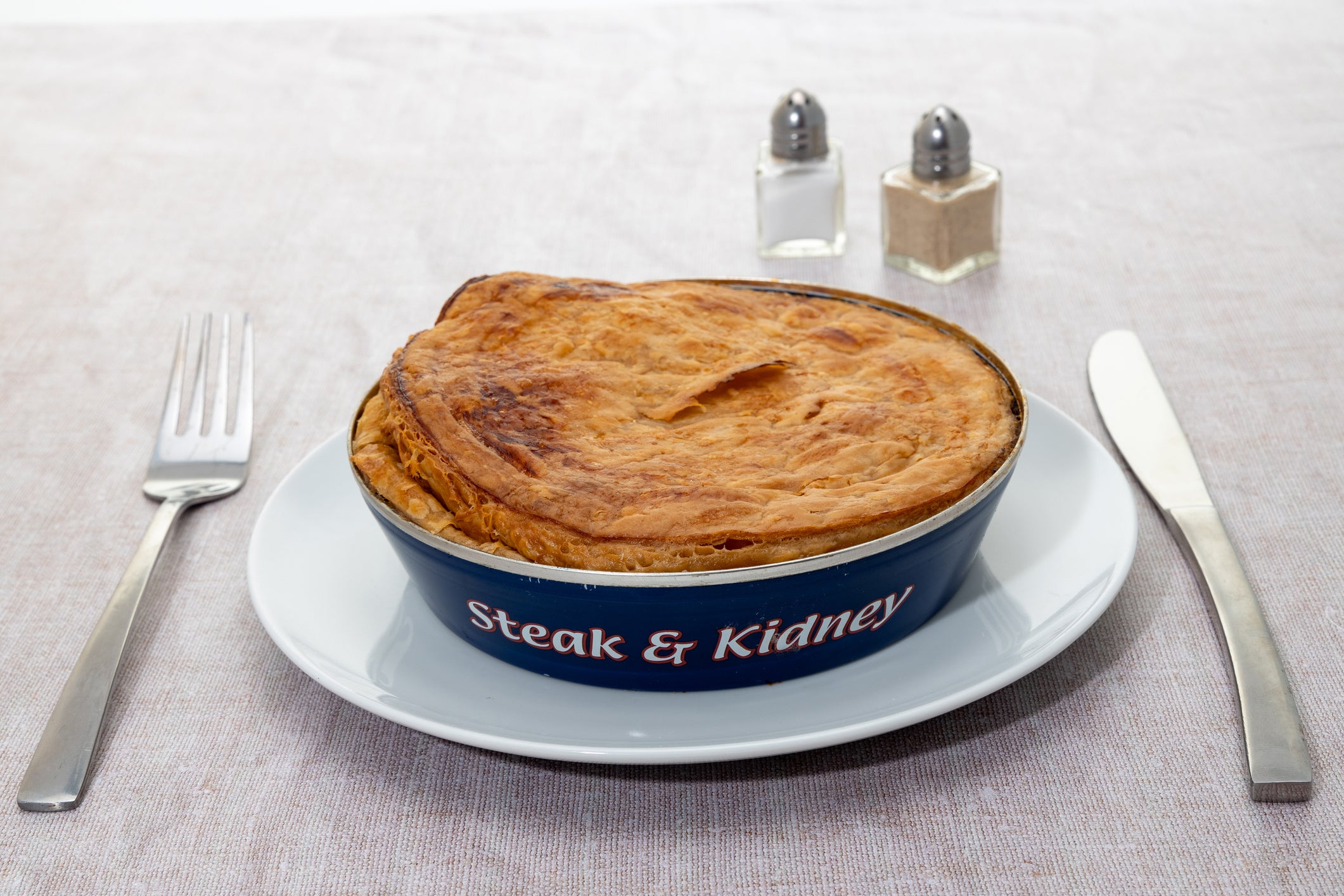
In restaurants, on pub menus and in hotel dining rooms, dishes once dismissed as naff or old-fashioned are being polished up and put back into circulation. Pies are back in serious dining rooms, from Quo Vadis to Bistro Freddie. Bob Bob Ricard has effectively built a cult following around chicken kyiv, a dish long treated as a retro punchline, admittedly bolstered by caviar, champagne and plush seating.



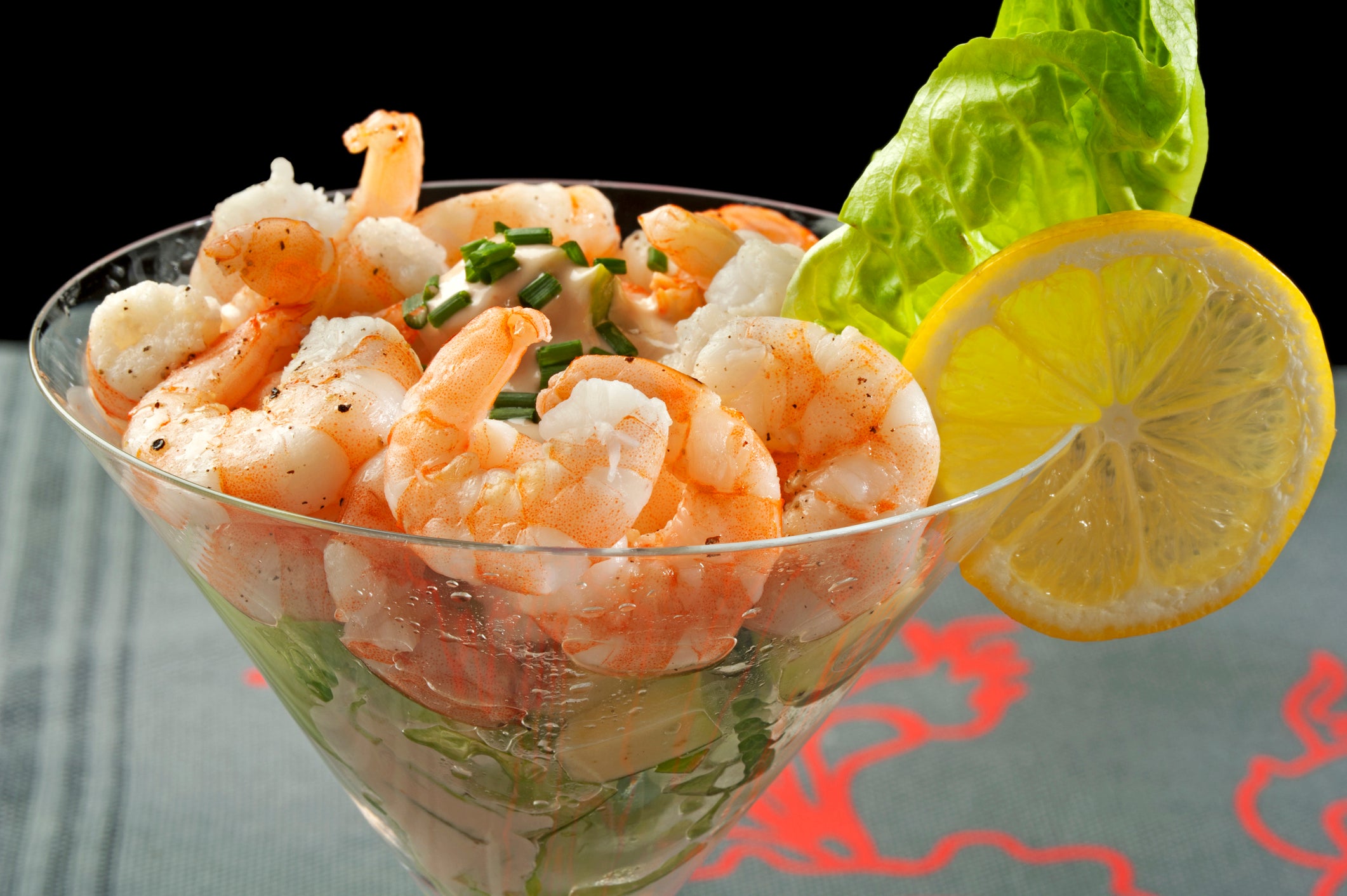
Elsewhere, nostalgia is being played straight. Wiltons serves potted shrimp without irony. Dovetale offers baked alaska. Manteca has a neapolitan ice cream sandwich on the menu. And at one of London’s most talked-about pubs, The Devonshire, prawn cocktail appears on its hugely popular sub-£30 set menu, sitting comfortably alongside pea and ham soup and sticky toffee pudding.
Then there’s the stuff that never went away at all. Bill’s has served a fish finger sandwich since day one, a fixture on a menu that has quietly fed generations of diners without anyone feeling the need to dress it up, apologise for it or pretend it’s something it isn’t. Long before “retro” became a trend, this food was already being eaten, enjoyed and reordered.
None of this is accidental. Food culture moves in cycles, and nostalgia is one of its most powerful engines. What we loved as children has a habit of reappearing in adulthood, particularly in moments of uncertainty. How many times have you reached for a pack of chicken goujons after a particularly punishing day at work? Comfort food isn’t just about taste; it’s about memory, ease and reassurance. And those memories cut across class lines far more than we like to admit.
I’m from a fairly middle-class background, yet some of the foods I remember most vividly from childhood are potato smileys, ketchup and Angel Delight – not foie gras, heritage carrots or grass-fed anything. Not because they were all we had, but because they felt special: the meals that arrived when parents were tired or babysitters at a loss, time was short, and everyone needed something familiar. Ask most people what they loved eating at eight years old and it’s rarely anything artisanal or aspirational. It’s beige. It’s sweet. It’s freezer-friendly and often shaped like something fun.
Which is why calling a menu of chicken dippers, pies, turkey dinosaurs and spam fritters a “council estate dinner” is, well, awkward. Not simply because it punches down – and punching down has never been cool – but because it completely misreads what this food actually signifies. These dishes are not shorthand for life on a council estate. They are shorthand for childhood.
Of course, another irony is that much of what was served isn’t especially cheap any more. Branded freezer food has crept up steadily in price, energy costs make ovens expensive to run and the idea that nuggets and chips are the most economical option no longer holds true in the way it once did. If we were being precise, the evening could just as easily have been labelled an “ultra-processed dinner”, which would at least have described the food rather than the people it was implicitly associated with.
And yet even that would miss the point. Some of the foods being sneered at, paradoxically, are enjoying renewed cultural respectability. Viennetta has always been “posh” ice cream – aspirational freezer luxury, theatrically sliced and brought out for guests. It’s just that it was outpriced by Ben & Jerry’s and Häagen-Dazs. Prawn cocktail has long since shaken off its bad-taste reputation. Baked beans, meanwhile, have been quietly rehabilitated by the fibre and gut health conversation. The same foods once treated as jokes are being re-evaluated, nutritionally, culturally and emotionally.
All of which underlines how arbitrary food-based class coding really is. It’s rarely about what’s being eaten and much more about how it’s framed. Posh people eat chicken nuggets too; they just tend to buy them from Waitrose rather than Iceland, with chicer marketing and a clearer conscience. The distinction is not taste but permission.
And, at the end of the day, irony only really works upwards. When someone with the means to opt out of certain foods turns them into a “theme”, it stops feeling playful and starts feeling extractive. What might have been a nostalgic joke among friends becomes a statement about other people’s lives – and that’s when it curdles.
In a cost of living crisis that feels more like a new normal, when food banks are stretched and many households are making difficult choices, turning everyday food into a class joke feels especially in poor taste. The idea that any of this belongs neatly to one social group simply doesn’t hold up.
Really, this is a story about how Britain still wants food to map cleanly onto class, even when the evidence suggests otherwise. The foods in question don’t belong to council estates, dinner parties or ironic social media posts. They belong to childhood, to comfort, and to a shared cultural memory that is far broader than any label.
If she’d called it a “nostalgia tea”, it might have at least been charming. Instead, it’s a reminder that while beige food has been successfully reclaimed, the language we use to talk about class hasn’t quite caught up.
Join our commenting forum
Join thought-provoking conversations, follow other Independent readers and see their replies
Comments
Bookmark popover
Removed from bookmarks