How to French exit this Christmas party season – according to the experts
December might be the most wonderful time of the year – but it’s also the most exhausting. Lydia Spencer-Elliott speaks to VIP night owls about the sneakiest ways to leave the party early this festive season

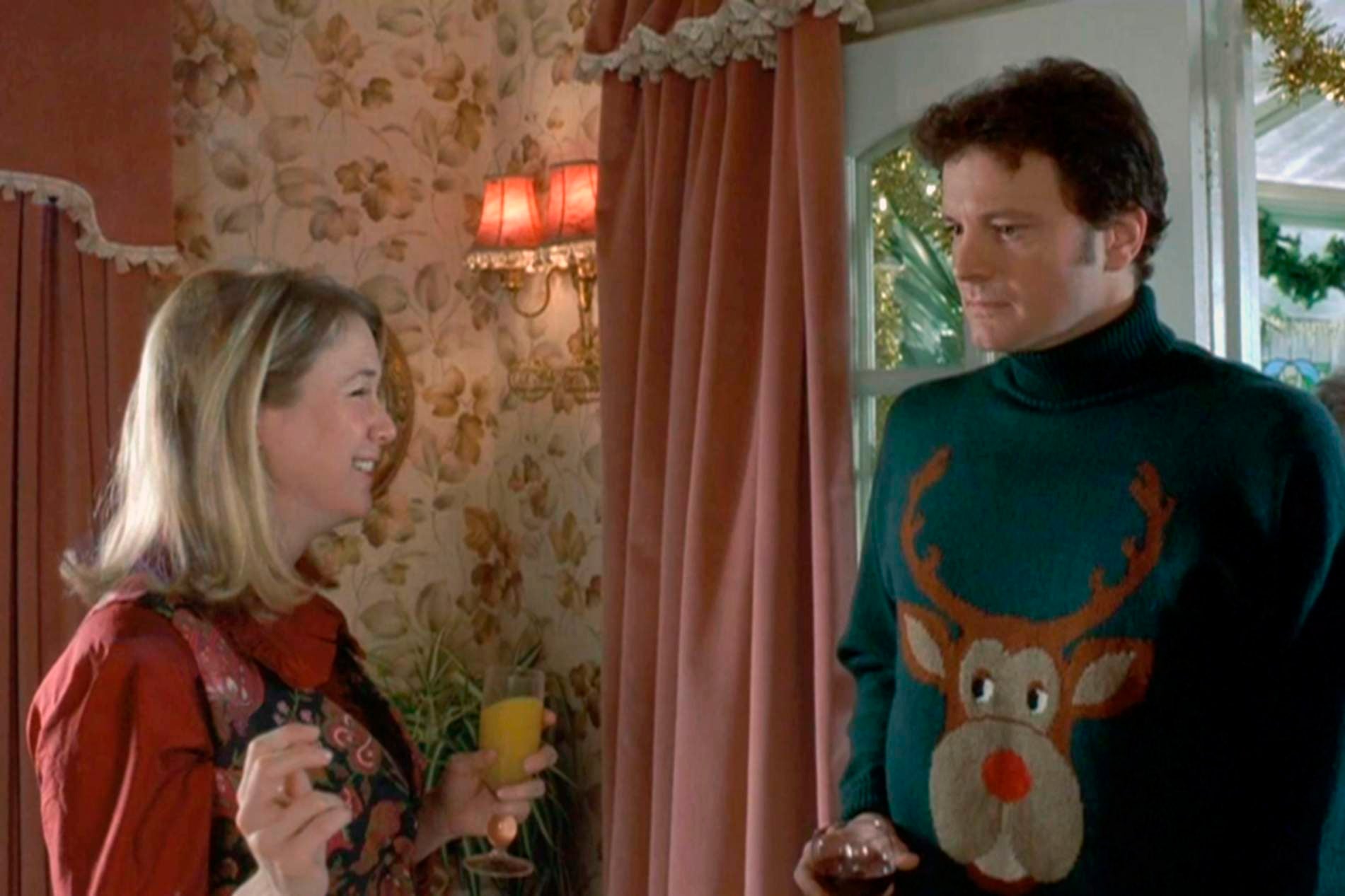
During the festive season, our diaries – much like our stomachs – are fit to burst. Every night, there’s a Christmas party, pub booking, carol concert, dinner, or drinks, up until the moment we eventually arrive at the closing New Year’s Eve champagne bender. It’s exhausting to type out, let alone attend. Which is why many people will often employ a sneaky technique to get themselves tucked up at home in their matching pinstripe pyjamas faster – the French exit.
The term, which originated as “French leave” in the mid-1700s, denotes leaving a party without saying goodbye to one’s host. If you think this sounds like a problematic jab towards our friends across the Channel, don’t worry, they hilariously shoot exactly the same insult right back at us: “filer à l’anglaise”, I’m told, translates to “leave English-style”.
I’m a firm French exit apologist. Predominantly because saying goodbye can take forever. One satirical study released in Australia last year claimed it takes 45 minutes to say our farewells at the end of a night, meaning we spend an average of 18 hours and 45 minutes on it each year. So believable was the statistic that the (fictional) study was discussed on local news channels and blew up on multiple popular social media accounts as users debated whether to bother saying bye.
“The French exit gets a bad reputation, but done properly, it’s actually one of the more considerate ways to leave a party, while hosts juggle conversation, music, drinks, food and make sure their guests are having a good time,” says Nell Ladipo-Horrell, the founder of the event styling studio Clementine & Moss.
“A formal goodbye tends to signal to other guests that the party is coming to an end and can kill the vibe, which is the last thing your host wants,” she points out. “Done well, the French exit can be its own small art form – discreet, and far more thoughtful than dragging the host away from their own celebration for hugs, coats, and heartfelt goodbyes.”
Joe Bromley, fashion editor at The London Standard, whose diary always looks like it’s the festive season, agrees. “The French exit remains de rigueur among those in the party set, so the first rule is simple: do not fear being spotted in the act. Everyone’s at it,” he assures.
“Your strategy depends slightly on the hour. If, after a serviceable couple of hours shift, you sense the room is about to tip into a Hieronymus Bosch–style scene of booze, screaming and ill-advised shagging, you are well within your rights to get the hell out,” Bromley adds.
“I would usually thank the host quietly, tell others I am off to the loo, gather my coat at speed and vamoose. Do not linger by the door waiting for an Uber, and never announce your departure to too many people – nothing castrates the vibe faster,” he warns.
“Finally, and this is essential: once you’ve touched the door handle, never look back.”
To reiterate, Do. Not. Dither.
I will just point out that the etiquette experts don’t entirely agree. “People will, of course, have plenty of reasons for departing a social gathering in haste… but perhaps we should be a little more honest with ourselves here?” suggests Debrett’s director Rupert Wesson. “Why not plan your exit and factor in time to thank your host before so doing?” he asks. “After all, you know what time your train leaves and can plan around this – unless you travel with Great Western Rail, in which case the only thing you know for certain is when it will not leave. But you get the idea.”

In fact, Wesson says, actually bidding farewell to the party-giver isn’t even taking things far enough. “Just because you have done the right thing and taken time to speak to the host before departing, do not fall into the trap of thinking that this will serve instead of a proper thank-you note (handwritten, nice writing paper that sort of thing),” he dictates. “ You know the drill.”
Or, take a leaf out of my ethically ambiguous book and conduct a French exit, followed up by a thank you card – precisely with the intention of covering tracks among the etiquette-conscious. It works every time.
Because Christmas, it must be re-emphasised, is a testing time of the year. Festive fatigue (when you feel like a blurry-eyed pig in a blanket by mid-December) is rampant. In fact, research found that 52 per cent of us feel we’ve run out of Christmas cheer entirely by 19 December, aka “Yule Tired Day”. So, if you’ve got to dip out of a couple of parties early, your friends will forgive you – they probably want out, too.
But if you’re going to go, make sure you’ve put in a good shift first. “Try to help the host. Straighten a stack of plates, blow out a candle that’s burning low or top up the drinks trolley on your way out,” suggests Ladipo-Horrell.
In other words, you can slip out quietly as long as you’ve shown up fully. “Warmth, wit, conversation and engagement linger far longer than your final wave at the door,” she adds. “Make a point of connecting with the host and anyone else you really want to see as soon as you arrive. That way, you can leave with peace of mind knowing that you’ve had the meaningful moments that matter.”
Oh, and one last thing – don’t forget your coat on the way out. Good luck.
Join our commenting forum
Join thought-provoking conversations, follow other Independent readers and see their replies
Comments
Bookmark popover
Removed from bookmarks