I’m a parenting expert. Here’s what your baby is trying to tell you
It can be incredibly stressful for parents when their baby cries and they don’t understand why
New parents often find themselves grappling with the enigmatic world of their infants, but a new book aims to demystify how babies communicate long before they utter their first words.
While verbal communication is absent, infants employ a sophisticated array of non-verbal cues, from varied cries and pointing to distinct body language and even sticking out their tongue, according to parenting author Tanith Carey.
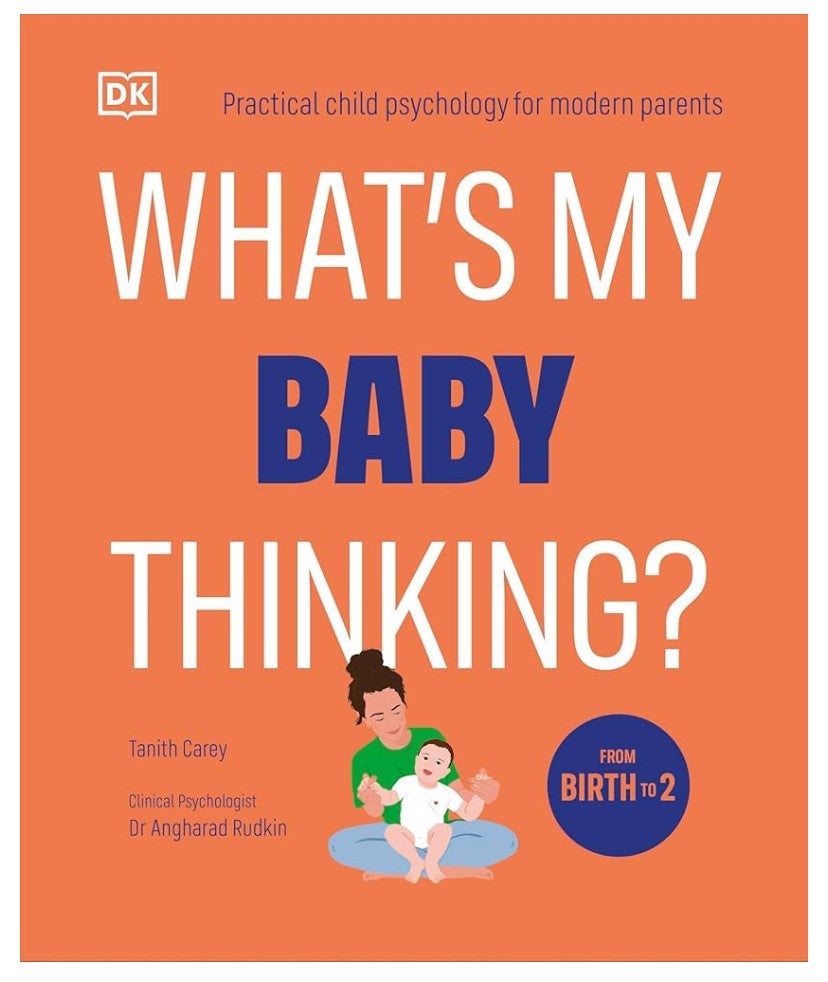
Carey has collaborated with clinical psychologist Dr Angharad Rudkin on What’s My Baby Thinking?, a new publication designed to translate the latest research and neuroscience into practical insights for parents.
The book explores baby development up to the age of two, helping caregivers decipher their little ones' messages.
"At first, babies can feel like a mystery," Carey explains. "They seem so helpless that much of parents’ time and worry is spent trying to work out what they need."
Carey adds that despite their inability to speak, babies are constantly communicating, stating: "We’ve never known more about how babies and toddlers think, experience the world, and express themselves.
“With a bit of insight, it really is possible for your baby to have subtitles – and when you understand what they’re trying to tell you, those early years become easier and even more enjoyable.”
Here, Carey explains some of the ways parents can understand what’s going on in their baby’s head.
1) Babies have five types of cries

It can be incredibly stressful for parents when their baby cries and they don’t understand why and, certainly at first, a newborn’s cries may sound like the same general alarm call.
But Carey explains babies usually cry for five main reasons – hunger, tiredness, overstimulation, discomfort or pain, and boredom or frustration.
“If you listen, you can soon learn to tune in to the differences and understand what your baby’s trying to tell you,” she says. “This means you’ll be able to identify the issue and soothe them more quickly, making that first year so much easier.”
Carey explains that a hunger cry is constant and rhythmic, louder than other cries but lower-pitched.
A tired cry looks and sounds different, she says, explaining that when babies are tired, their bodies release the stress hormone cortisol and their cries are high-pitched, with jerky arm and leg movements, eye-rubbing and clenched fists.
When they’re overwhelmed, a baby’s cry can escalate from fussiness to shrieking. “At the same time, they’ll nuzzle into you to try and shut out light and noise,” she says.
When babies are in pain or distress, their cries are higher-pitched and more erratic, with faster breaths and fewer pauses, and they may also arch their backs.
And if they’re bored or frustrated, babies will start with short bursts of fussing and leg-kicking to get your attention, explains Carey. If that doesn’t work, they’ll start a low, constant cry, which usually stops quickly when you pay attention or pick them up.
2) Learn to read baby body language

Carey says that while it may look like your newborn baby’s limb movements are random, they are actually communicating with their bodies.
“Even very young babies will reflexively bring their fingers to their mouths for comfort or hunger, or wave their hands in front of their faces to block out light,” she explains.
“As well as tuning in to their cries, watch the cues in their bodies.”
She suggests parents try to look for the context of their baby’s body language – are they turning their head away from the light because they’re overstimulated?
When they’re lying down, are they turning their face to the side and opening their mouth wide? Carey says if this happens, it’s rooting, and a sign that baby’s hungry.
And if they’re pulling their knees up to their tummy, it could be a sign of trapped wind.
3) Listen to the different sounds they make

As well as parents listening to their baby, babies listen to themselves too, explains Carey.
She says they may try different volumes, perhaps by babbling into a toy bucket to hear their echo, or by testing out raspberries and clicking sounds with their tongues.
Around six months, they may also try making a dry, cough-like noise to get your attention, perhaps realising you’ve looked around before.
“If they flash you a little smile when you look over, it’s a sign it was their way of communicating with you, not something to worry about,” she says.
4) Don’t ignore them sticking their tongue out

While many newborn movements are reflexive, sticking out their tongue appears to be one of a baby’s first deliberate actions, says Carey.
“If you stick your tongue out while looking at your baby, you may notice they gently try to push theirs out too.
“Keep doing it and give them plenty of time to copy you, and you may see them do this as early as a few weeks old,” she says.
Parents shouldn’t pressure babies to do this, and should simply turn it into a gentle game, she says, adding: “They’ll do it when they’re ready, and when they realise they have a tongue just like you which they can control.”
5) Babies are pointing for a reason
By around nine months of age, babies have the vision and fine motor skills to move their fingers separately enough to point their index finger at things they find interesting, Carey explains.
“This is an exciting milestone because it shows they can now share their curiosity with you,” she says. “It also shows they’re starting to realise that when they’re interested in something, you might be too.”
She says babies usually point for two reasons: the first is to direct your attention to something they’d like to know more about.
“This is their way of saying ‘That looks interesting – what is it?’ “ explains Carey, who says this is known as ‘declarative pointing’.
The other type of pointing means ‘I want that – can you get it for me?’, known as imperative pointing, she says.
“Whatever they’re trying to see, learning to point is a huge leap for your baby,” she stresses. “Now they can show you the things they’re interested in and get you to name them for them, there’s often a rapid increase in the number of words they understand.
“So looking at what your baby’s pointing at now, and then naming it, will lead to a big explosion in their vocabulary.’”
What’s My Baby Thinking? by Tanith Carey and Dr Angharad Rudkin is published by Penguin DK, priced £18.99. Available now.
Join our commenting forum
Join thought-provoking conversations, follow other Independent readers and see their replies
Comments
Bookmark popover
Removed from bookmarks