New study finds way for middle-aged adults to reduce dementia risk
The study began in 1948, when researchers recruited more than 5,000 adults aged 30 and over
For years, scientists have known that moving our bodies can sharpen our minds. Physical activity boosts blood flow to the brain, enhances neuroplasticity and reduces chronic inflammation. These processes are believed to protect against cognitive decline, including dementia.
Yet despite decades of research, major questions have remained unresolved.
Does exercising at any age help reduce your risk of dementia? Or only when you’re young? And what if you have a higher genetic risk – can exercising still make a difference?
New research from the long-running Framingham Heart Study in the United States, published today, offers some of the clearest answers to date. Their findings support what many clinicians already tell patients: exercise helps.
But the study also offers new insight into the potentially protective effect of staying active at the age of 45 and over – even for those with a certain genetic predisposition to dementia.
What did the study examine?
The new research draws on data from 4,290 participants enrolled in the Framingham Heart Study Offspring cohort. This study began in 1948, when researchers recruited more than 5,000 adults aged 30 and over from the town of Framingham, Massachusetts, to investigate long-term risk factors for cardiovascular disease.
In 1971, a second generation (more than 5,000 adult children of the original cohort, and their spouses) were enrolled, forming the Offspring cohort. This generation then had regular health and medical assessments every four to eight years.
In the new study, participants self-reported their physical activity. This included incidental activity such as climbing stairs as well as vigorous exercise.
Participants first reported these activities in 1971, and then again over several decades. Based on the age at which each participant was first evaluated, they were grouped into three categories:
- young adulthood (26–44 years): assessed in the late 1970s
- midlife (45–64 years): assessed during the late 1980s and 1990s
- older adulthood (65 years and over): assessed in the late 1990s and early 2000s.
To examine how physical activity influences dementia risk, the researchers looked at how many people developed dementia in each age group and at what age they were diagnosed.
Then they considered physical activity patterns within age groups (low, moderate, high) to see if there was any link between how much exercise people did and whether they developed dementia.
They also looked at who had a known genetic risk factor for Alzheimer’s disease, the APOE ε4 allele.
What did they find?
Over the follow-up period, 13.2% (567) of the 4,290 participants developed dementia, mostly in the older age group.
This is quite high compared with other long-term longitudinal dementia studies and with Australian rates (one in 12 or 8.3% Australians over 65 currently have dementia).
When researchers examined physical activity levels, the pattern was striking. Those with the highest levels of activity in midlife and later life were 41–45% less likely to develop dementia than those who had the lowest levels of activity.
This was the case even after adjusting for demographic factors that increase dementia risk (such as age and education) and other chronic health factors (such as high blood pressure and diabetes).
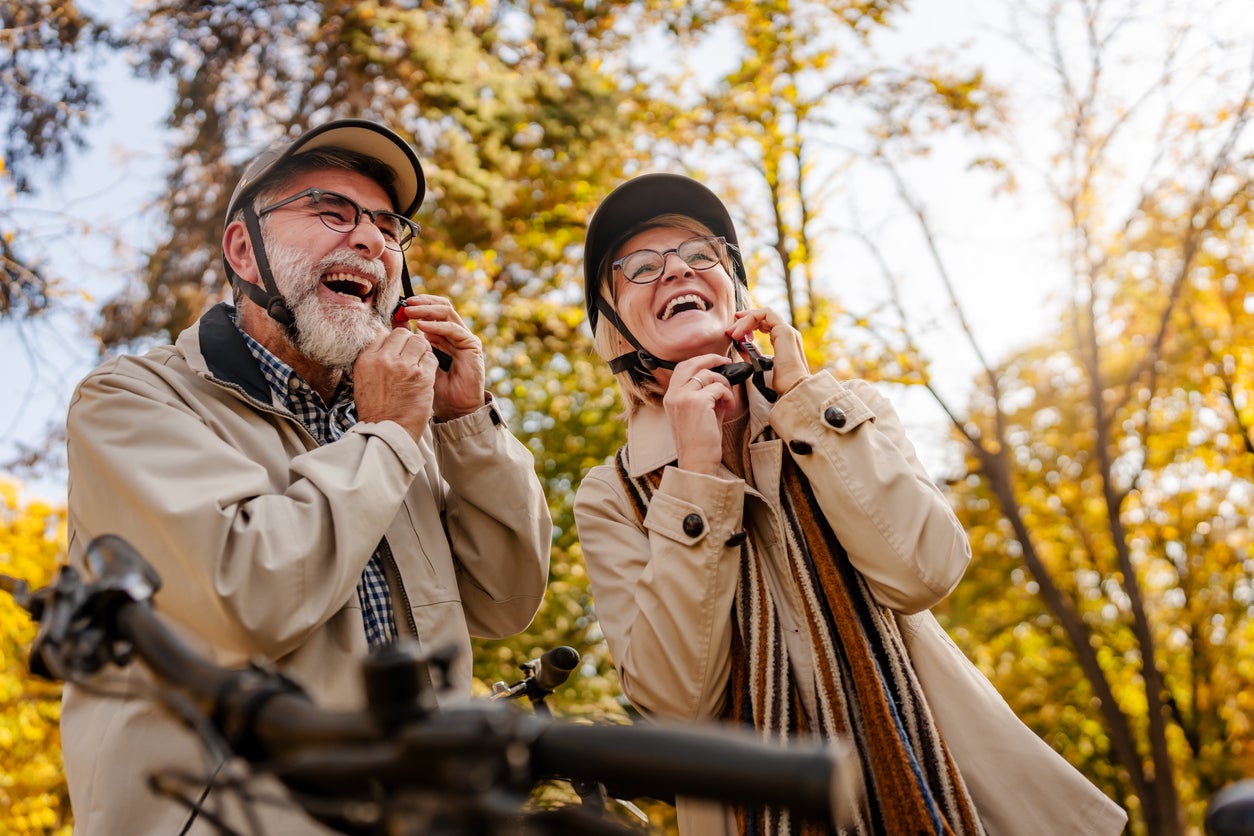
Interestingly, being physically active during early adulthood did not influence dementia risk.
A key innovation of this study was its examination of the genetic risk factor, the APOE ε4 allele. This analysis suggests something new:
This means for people genetically predisposed to dementia, staying active later in life may still offer meaningful protection.
How significant are these results?
The findings largely reinforce what scientists already know: exercise is good for the brain.
Common early symptoms of dementia
NHS
Different types of dementia can affect people differently, and everyone will experience symptoms in their own way.
However, some common early symptoms include:
- memory loss
- difficulty concentrating
- finding it hard to carry out familiar daily tasks, such as getting confused over the correct change when shopping
- struggling to follow a conversation or find the right word
- being confused about time and place
- mood changes
What sets this study apart is its large sample, multi-decade follow-up, and its genetic analysis across different life periods.
The suggestion that midlife activity benefits some individuals differently depending on their genetic risk, while late-life activity benefits nearly everyone, may also add a new layer to public health messaging.
But there were some limitations
Physical activity was largely self-reported in this study, so there is a possibility of recall bias. We also do not know what type of exercise brings the best benefits.
Dementia cases in the youngest age group were rather rare too, so the small sample limits how definitively we can make conclusions about early adulthood.
The cohort is also predominantly of European ancestry and share environmental factors as they come from the same town, so this limits how much we can generalise the findings to more diverse populations.
About the author
Joyce Siette is an Associate Professor | Deputy Director, The MARCS Institute for Brain, Behaviour and Development at Western Sydney University.
This article is republished from The Conversation under a Creative Commons license. Read the original article.
This is particularly important given global inequities in dementia risk and diagnosis. Knowledge about dementia and risk factors also remains low in ethnically diverse groups, where it is often still seen as a “normal” part of ageing.
What does this mean for us?
The takeaway is refreshingly simple though: move more, at any age. At this stage we know there are more benefits than harm.
Join our commenting forum
Join thought-provoking conversations, follow other Independent readers and see their replies
Comments
Bookmark popover
Removed from bookmarks