One-year-old twins diagnosed with same rare and incurable condition
Sam and Tommy Lunn have a rare genetic eye disorder called ocular albinism
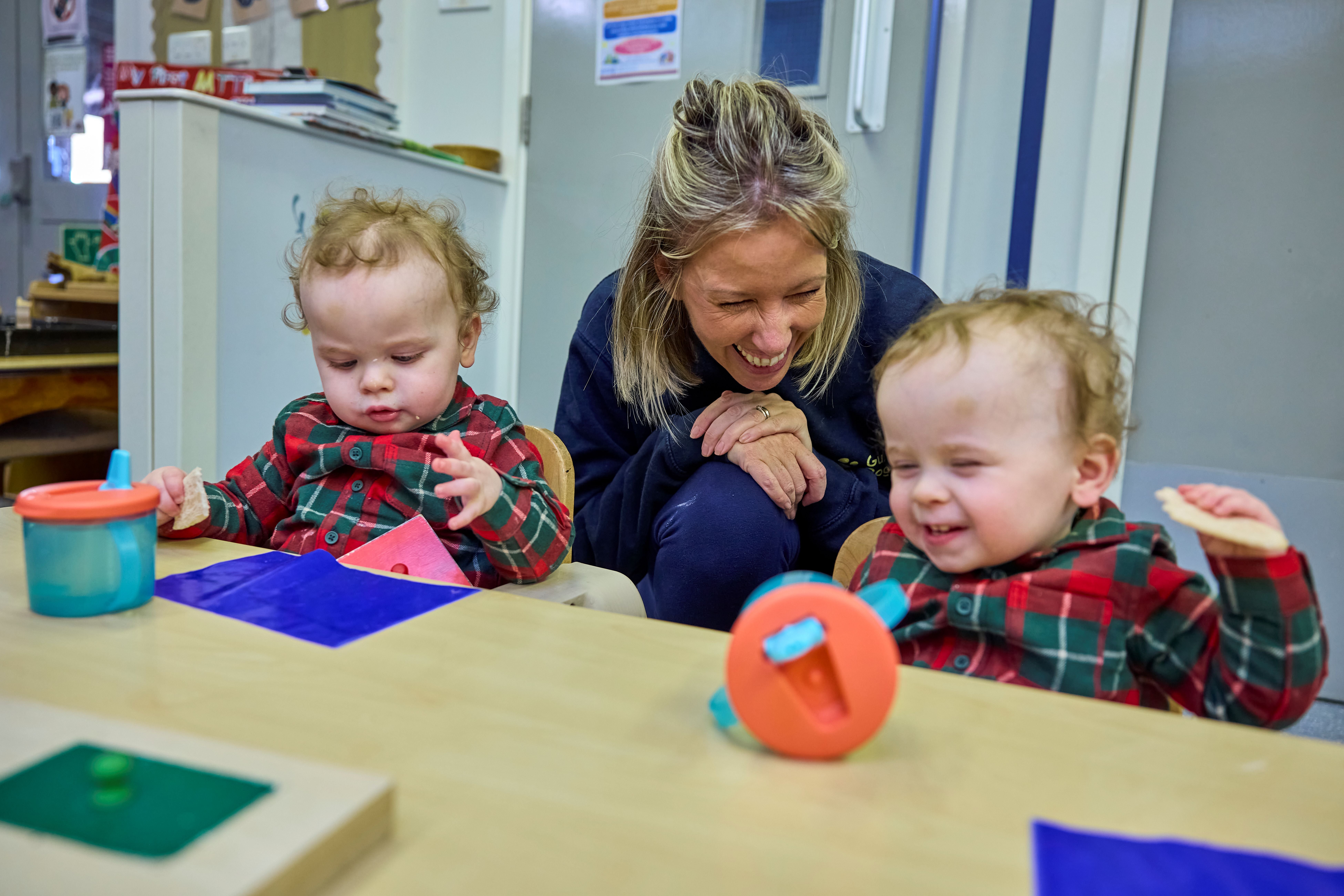
One-year-old twin boys have been diagnosed with a rare eye disorder that causes sensitivity to light and impaired vision.
Jessica and Liam Lunn, who live near Doncaster, South Yorkshire, welcomed their sons, Sam and Tommy, four weeks premature in October 2024 after being conceived through IVF.
Tommy spent about 36 hours in the neonatal intensive care unit (NICU) before the family could go home, but both appeared to be happy and healthy little boys.
However, at their six-week check-up, the doctor noticed something was wrong with their eyes, as they were “constantly moving”.
The doctor identified nystagmus, a condition that causes rapid, uncontrollable eye movements, and referred them for further tests at the hospital.
There, it was discovered that Sam and Tommy had ocular albinism, a rare genetic condition causing reduced pigment in the iris and retina, leading to vision impairment and light sensitivity.
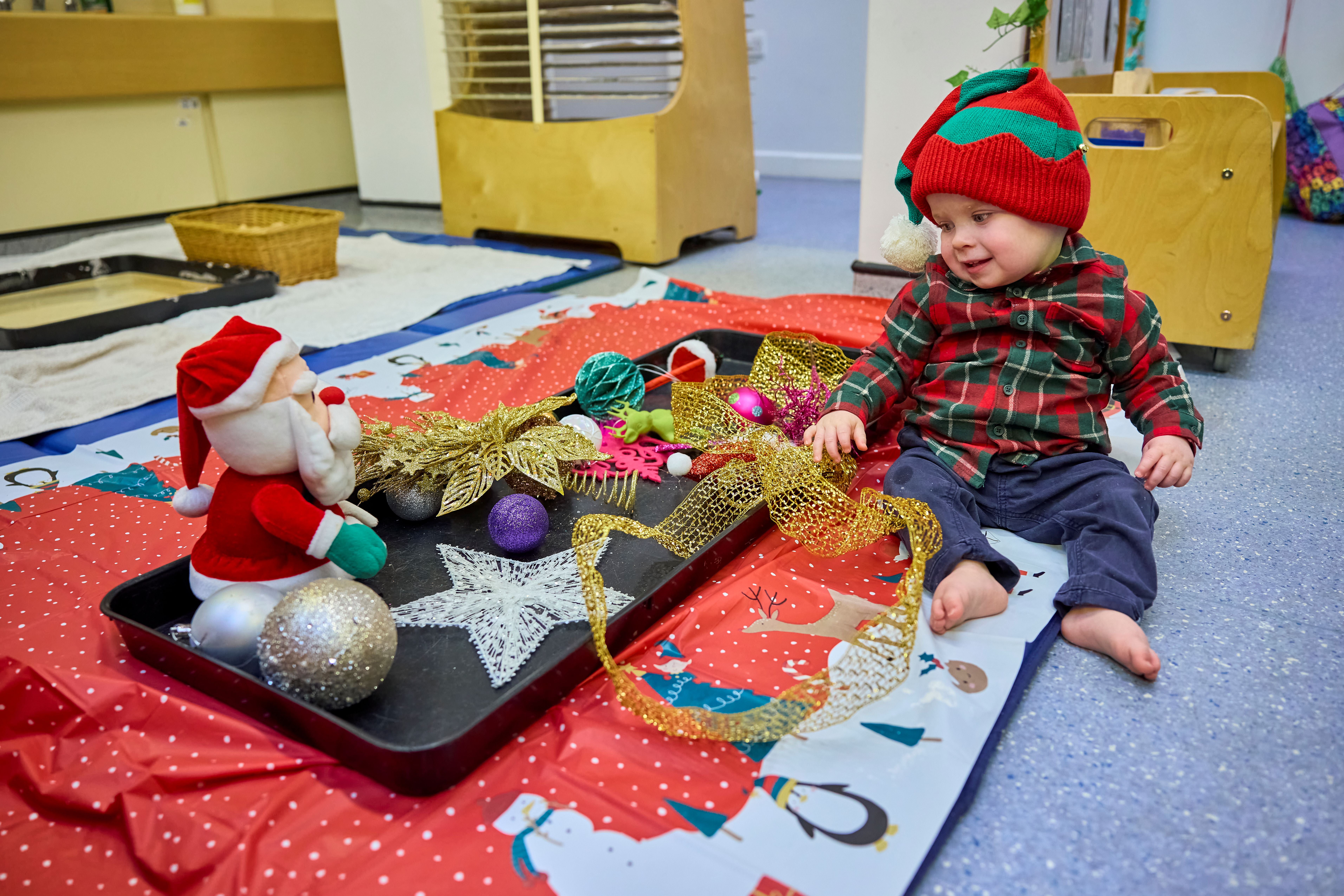
“We’re looking at each other like: ‘That sounds painful. What is it?” their dad, Liam, 32, said.
Doctors explained that the twins’ eyes cannot adjust to light, meaning bright lights cause a glare and make it hard for them to distinguish things, and the condition also causes increased sensitivity to light.
There is no cure for ocular albinism, but the parents took solace in learning that it can be managed, and it will not worsen.
“Obviously, you’re worried, you’re going to be, it’s your kids,” Liam said.
“But we know that we’ve got a good support circle around us, and then obviously explain it to people, and then people find it fascinating, and they look into it themselves.”
“They are happy, they are healthy – they are very happy, cranky babies! It’s just we’ve got to take more care with their eyes.”
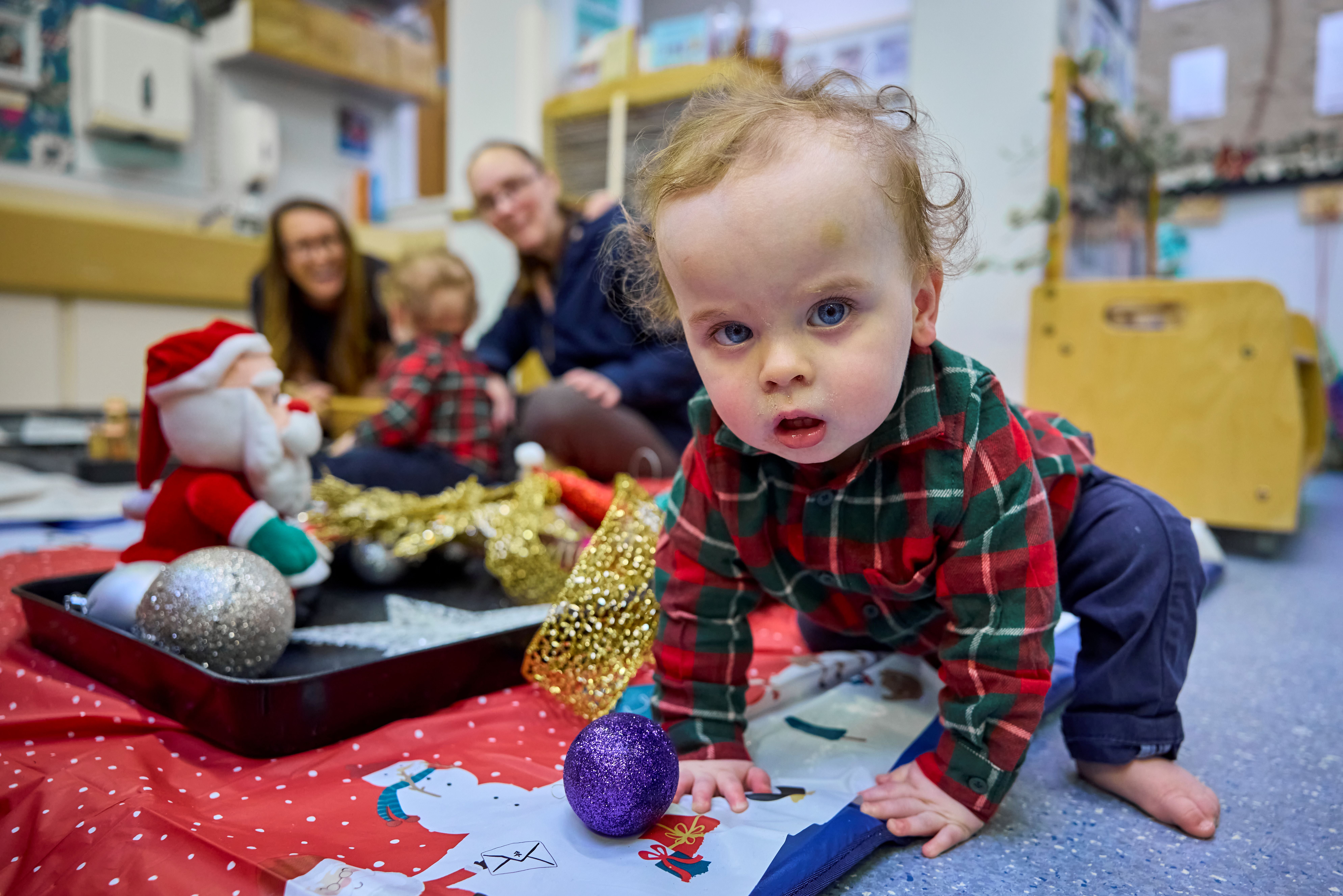
Mum Jessica, 34, has several relatives with ocular albinism, so she knew a little about what to expect.
She knew based on her relatives’ experience that the prognosis was generally good, that “they’d be fine and they’d be able to do pretty much whatever they want to, give or take, apart from driving”.
“But obviously it was still a big shock,” she added.
Following the diagnosis, Jessica “went down a rabbit hole, seeing what help was available and what options were out there” to help prepare herself and Liam for what was to come.
Liam explained that sometimes, the twins need to sit in a darkened room – particularly when their nystagmus makes it feel like the earth is moving and shaking around them.
The family have also installed colour-changing bulbs throughout their home, giving them adjustable lighting that can be dimmed to help make the boys more comfortable.
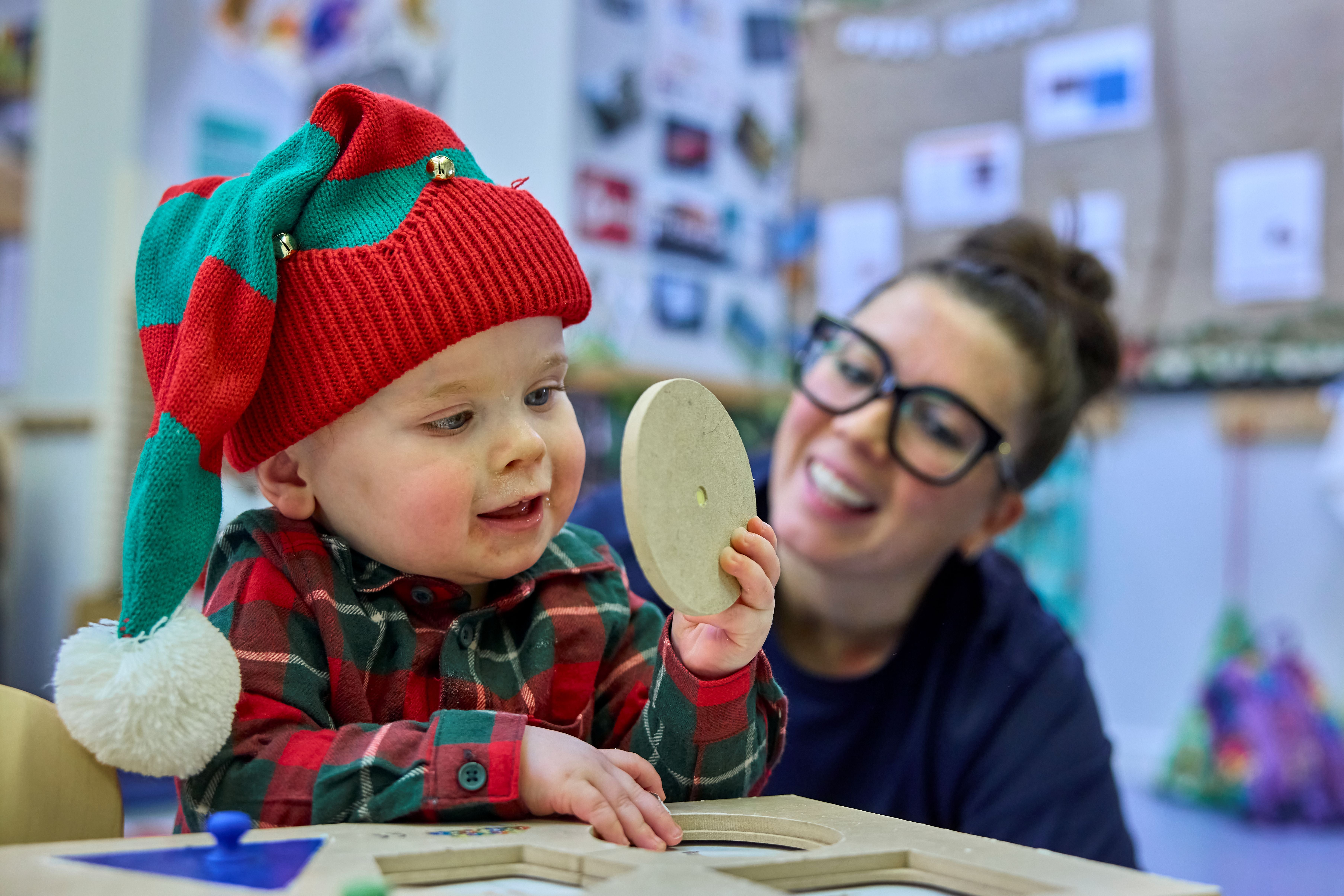
However, they know that Sam and Tommy will need strong glasses when they get older, and that they will need to make adjustments throughout their lives.
The twins’ vision impairment is already apparent, the parents explained.
“I’ve gone to pick them up a couple of times from nursery, and it’s quite a big room – I’ve shouted for them, and they’re looking around for where I am,” Jessica said.
“There was one time where their grandad was a metre and a half away, and he was in orange high visibility gear, and they were looking in his general direction, but they couldn’t focus and make him out,” Liam added.
“They were playing, he had not said a word. And then after a minute, he said: ‘Ey up boys, Grandad’s here’, and then that’s when they looked around and knew he was there and moved towards him.”
As they get older, Jessica and Liam hope that Sam and Tommy will still be able to live a full life, and that the condition won’t hold them back.

“I suppose it depends on how confident they are… At the moment, they don’t seem to care,” Jessica said.
“To them, it’s normal. So I don’t think it will stop them doing anything, because it’s just what the world’s always looked like to them.”
She added that they are “more cautious when they go out”, making sure the boys wear sunglasses and hats.
“At the moment, they don’t like them,” she explained.
“The amount of hats we’ve lost, I turn away and suddenly they’ve got no hats on, they take them off and chuck them on the floor.”
While Sam and Tommy go to mainstream playgroups locally, they are the only children in the group who have vision loss.
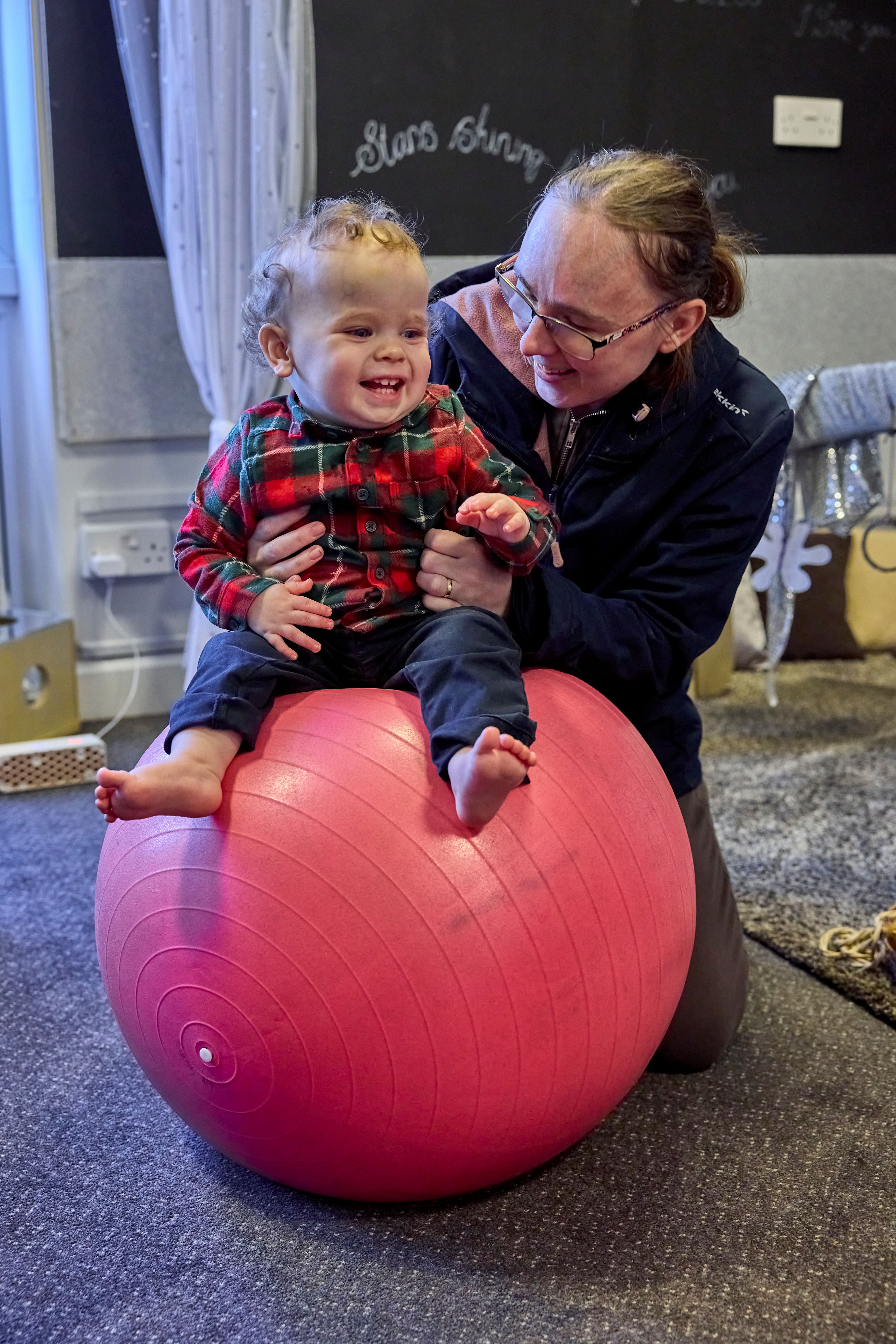
Jessica began to compare their progress with the milestones of other children their age, which worried her, but when she discovered My Time to Play – an early years group for children with vision impairment – she accepted that the boys were on their own path.
Once a fortnight, Jessica takes the twins to My Time to Play, which is for children aged 0-4 with a vision impairment and their parents, carers and siblings. The free service, provided through The Guide Dogs for the Blind Association, one of the leading sight loss charities in the UK, offers fun, supportive small group sessions with sensory play, music, movement, crafts and stories.
“When we go to My Time to Play, they’re not the only ones,” Jessica said.
“You think: ‘Well, they’re not really behind.’”
Jessica added that the sessions are not only a great way for the twins to socialise with other children with visual impairments, but also for her to connect with other parents of visually impaired children.
“You’ve got parents that stay too, so you talk to them about it, you’ve got more of a support network with people that understand what you’re going through as well,” she explained.
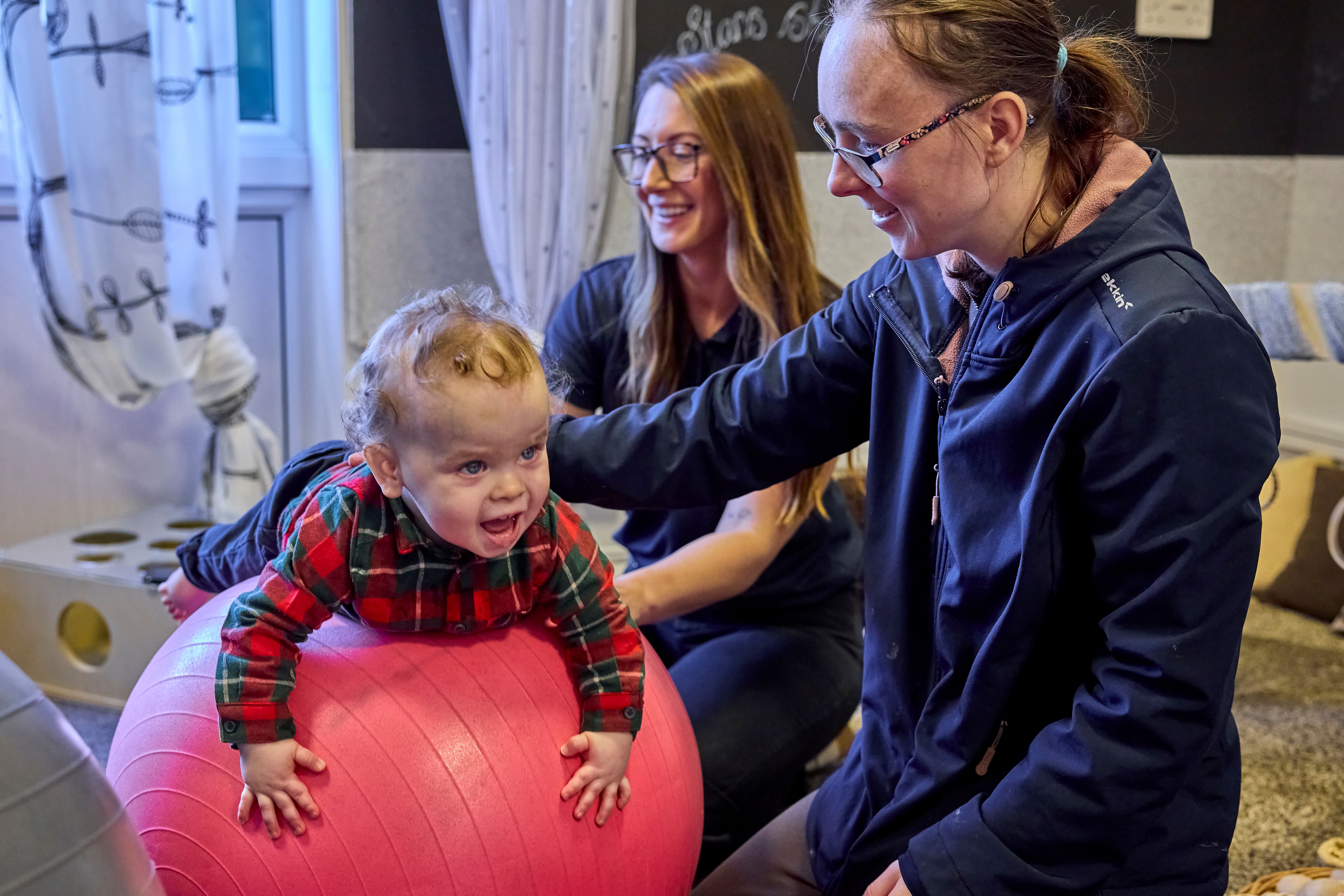
As an added bonus, My Time to Play collects Jessica and the boys from their home to take them to sessions, which is great for them, as Liam is often out at work and Jessica does not drive.
If it were not for them providing the transport, they would not be able to go.
At the sessions, Sam and Tommy love the sensory play as well as the baby yoga sessions.
“The boys absolutely love that,” Jessica said of the baby yoga.
“They giggle and everything.”
Since Sam and Tommy will be able to continue going to My Time To Play until they are four, Jessica hopes they will build lasting friendships with children who understand the way they see the world.
She also hopes the boys will be able to attend a mainstream school when the time comes, but she knows that whatever their future may hold, the family have a fantastic support network around them to help them weather any storms.
Find out more about Guide Dogs’ support available for Children and Young People here.
Bookmark popover
Removed from bookmarks