The Independent's journalism is supported by our readers. When you purchase through links on our site, we may earn commission.
How the ‘nocebo’ effect is putting women off the contraceptive pill
As a new study highlights how social media misinformation is putting women off taking the contraceptive pill, Olivia Petter examines the consequences of opting for natural methods instead, and the growing distrust in medical experts


As a woman, the worst thing you can do to your body is go on the pill. That’s the message social media is sending us, anyway, and has been for some time now. I’ve lost count of the number of times I’ve been bombarded with advertising for “natural contraceptives” or been served a video of a Z-list reality TV star evangelising how in tune they are with their body since they ditched hormonal contraception.
Search for “the pill” on TikTok, and you’ll find thousands of viral clips of young women sharing their respective horror stories. Some say that coming off it after a decade helped them realise their emotions were being numbed. Others claim they gained weight while being on it. Depression, anxiety, and mood swings are just a handful of the other purported side effects shared by women. And some simply share sets of teary selfies to illustrate how they looked while being on the pill.
The message could not be clearer: going on the pill is psychologically dangerous. Avoid it at all costs. And a lot of women are, according to a new study that found online misinformation is putting us off the pill. Conducted by psychologists at Sheffield University, the research noted how social media myths are fuelling a rise in what’s called a “nocebo effect” whereby negative expectations around the pill are leading to real adverse symptoms or experiences that are psychological in origin.
“If someone goes on the pill thinking, ‘I’m likely to feel bad or have side-effects’, that expectation itself raises the chance they’ll notice symptoms and attribute them to the pill,” explains psychology professor at Sheffield University Dr Rebecca Webster, who co-authored the study. The culprit is obviously social media, where scaremongering around hormonal contraception of any kind is permitted to roam freely without medical intervention or correction. “As negative personal stories tend to be more compelling and widely circulated than neutral or positive ones, without the balanced context of benefit vs risk, this can lead to skewed perception,” adds Dr Webster.
Out of the 275 women the researchers surveyed for a period of 18 months, 97 per cent of them reported at least one side effect while using the pill. “It is so hard to know what’s fuelling these side effects as many of them are non-specific (such as mood changes, fatigue, headaches), which are common in the general population and may fluctuate independently of taking the pill,” adds Dr Webster. “Distinguishing whether the pill caused them versus a coincidence is difficult. What we do know is that psychological factors (expectations, beliefs, perceived sensitivity) may themselves generate or amplify symptom experience and attribution.”
As for the alternative that’s being promoted, that’s even more concerning. In January, data published in the BMJ Sexual and Reproductive Health journal identified a rise in the number of women seeking abortions while using “natural” contraceptives, like fertility tracking apps. The study noted how hormonal methods, including the mini pill, dropped from 19 per cent in 2018 to 11 per cent in 2023 among tens of thousands of women. This is despite the fact that they’re often far more effective as contraceptives: with typical use (if not used perfectly every time), the combined pill and progestogen-only pill boast a 91 per cent efficacy rate.
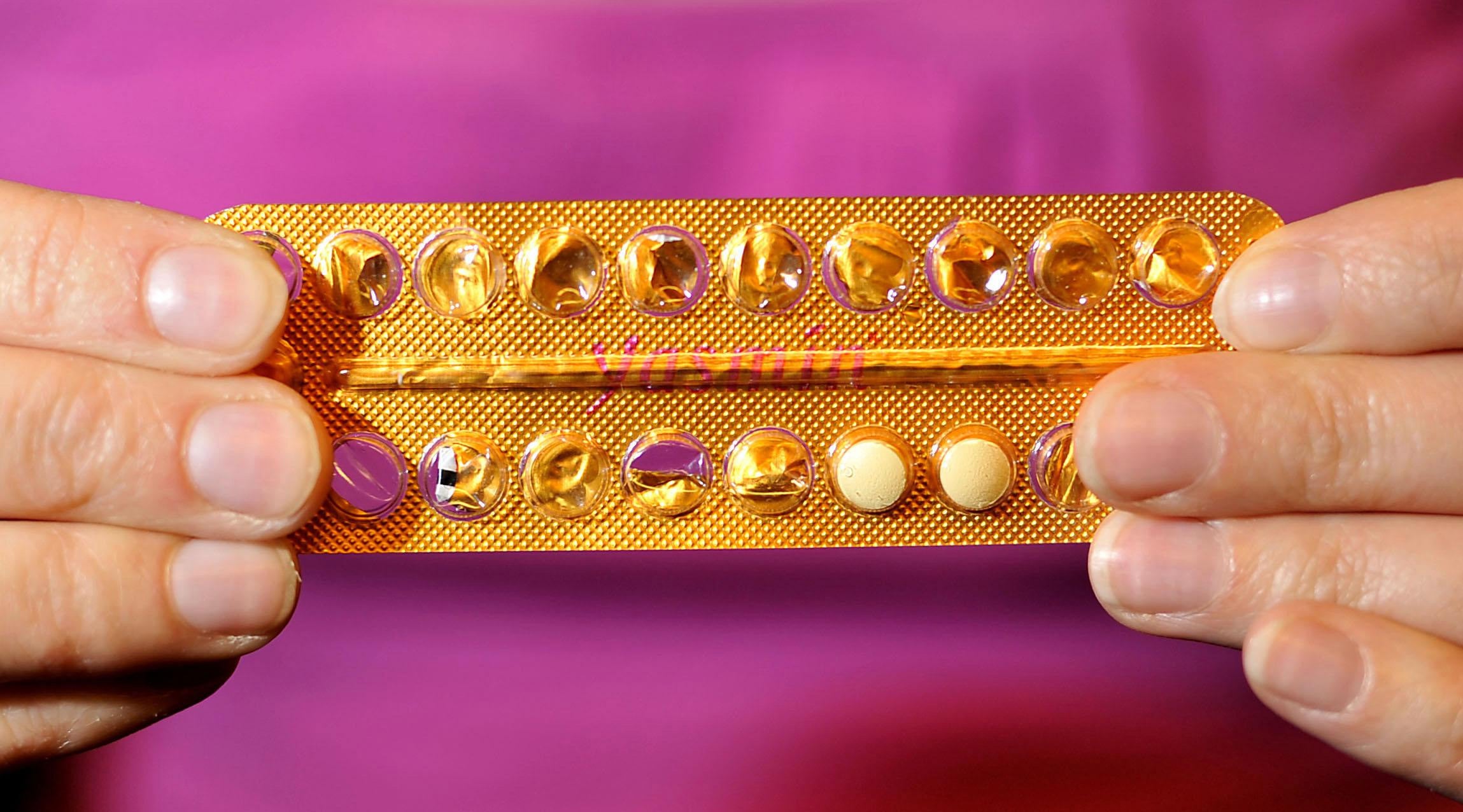
By comparison, fertility apps generally require users to take temperature readings and carefully monitor when they have sex in order to avoid unwanted pregnancies when they’re fertile. If you don’t follow instructions perfectly, the NHS says this method is just 76 per cent effective, which means 24 in every 100 women will get pregnant by using apps as a contraceptive. One of the most popular fertility tracking apps is Natural Cycles, which claims to be 93 per cent effective with typical use, using the words “non-hormonal” and “non-invasive” prominently in its advertising. It’s the first birth control app to have been cleared in the US by the FDA. But in the UK, the NHS currently doesn’t recommend it as a contraceptive method. Still, the app has more than four million registered users worldwide.
“Among those who come to us from hormonal methods, many mention side effects as a key reason for exploring alternatives,” says Dr Elina Berglund, the CEO and co-founder of Natural Cycles. “For many, the appeal is clear: no hormones, fewer side effects for those who can’t, or prefer not to, use hormonal methods, body literacy and transparency, with day-by-day guidance grounded in science and objective biomarkers, and flexibility as needs change across life stages.” Dr Berglund rejects the nocebo theory, arguing that we should be shifting our focus to improving contraceptive education and access. “Dismissing women’s experiences as a placebo or nocebo effect only minimises what they’re telling us, when in reality, we should be listening,” she says.
But medical experts remain concerned about the rising number of women making the switch from hormonal to natural methods, as, in addition to the rise in unwanted pregnancies, it reflects a growing scepticism in healthcare. “Distrust in hormonal contraception might also limit someone’s chances of finding the best contraceptive method for them, as they might avoid trying a method based on what they’ve heard about someone else’s experience,” says Laura Domegan, head of nursing at the sexual health charity, Brook, whose research has shown that young people are particularly influenced by what they see and hear about contraception online.
“People in our clinics and in our education sessions in schools are increasingly expressing concern about hormonal contraception due to things they have heard on social media,” adds Domegan. “Part of the reason people turn to these online sources is because they feel they aren’t being provided with adequate information from either healthcare professionals or in relationships and sex education (RSE).”
None of this is to say that women don’t experience side effects from the pill, or indeed any other kind of hormonal contraception. It’s known that they do; with headaches, bleeding, and nausea all common. “But they’re often temporary and should stop after three months,” says Domegan. This is different to the narrative that’s being created online, where you will hear about the pill making you gain weight or impacting your long-term fertility. “But the only contraception method that has links with weight gain is the Depo-Provera contraceptive injection,” adds Domegan. “Fertility will generally return to normal quickly when you stop using a hormonal method (usually within one to three months). The only exception is the contraceptive injection, for which it can take up to 12 months for fertility to return when you stop using it.”
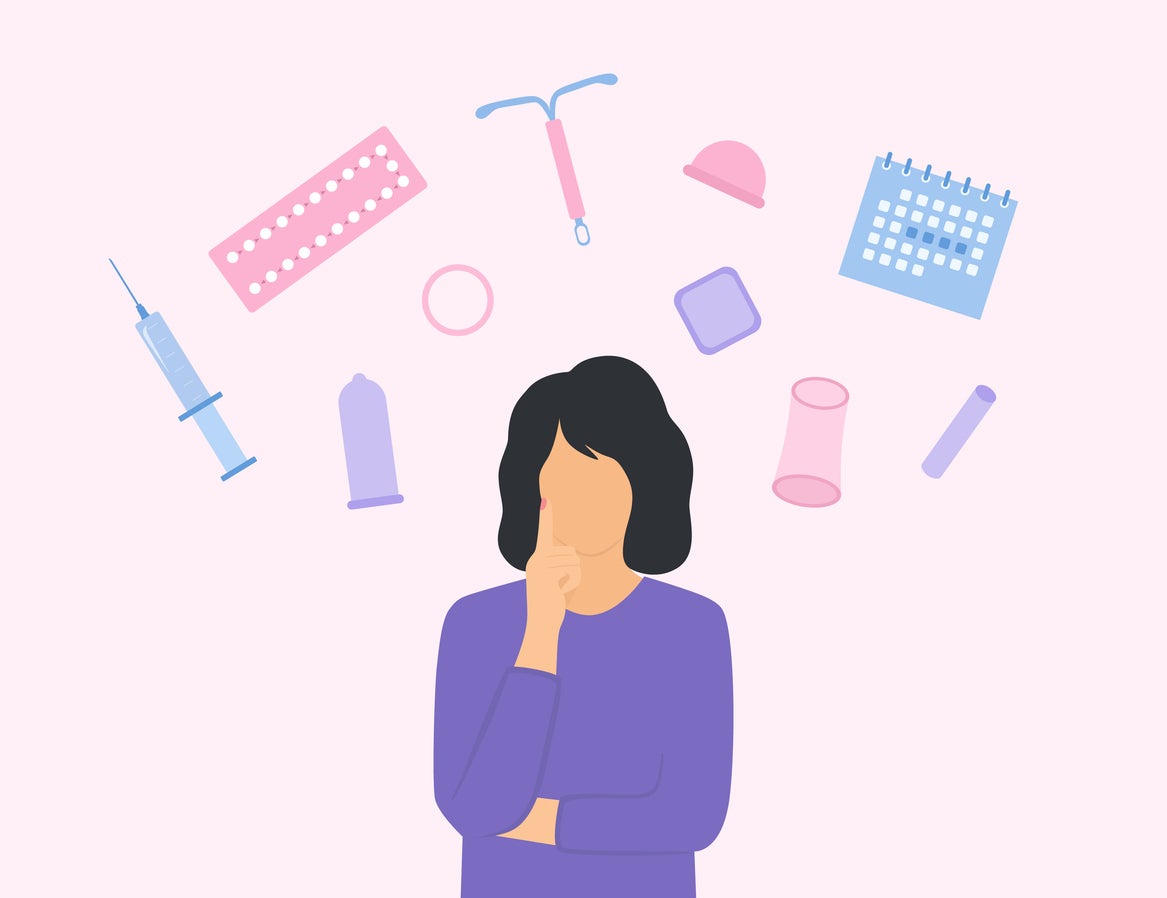
Still, the negative noise around the pill is loud. And I’ve been caught up in it myself. A few years ago, I came off the contraceptive coil because I was convinced it was affecting my mental health. After doing some research, I learned that some women have a particular sensitivity to progesterone, which has been linked to low mood. At the time, that was enough for me to blame my depressive episodes on the coil, despite there being no real way of proving that, especially given that I’ve had depressive episodes since. Even so, I’m nervous about going on any kind of hormonal contraception again. And while I’d never trust an app with my fertility, it doesn’t help that everyone everywhere seems to be telling me to give it a go. So, what now?
“Unfortunately, it is a bit of a guessing game,” says Zara Haider, president of The College of Sexual and Reproductive Healthcare. “There is not enough investment in contraceptive research, which is why we don’t know the answers to so many of women’s questions. It’s just not high enough on people’s agendas, which is a shame.” Meanwhile, very few people are talking about the positive effects that taking the pill can have, like reducing period pains and making periods lighter. “It can be life-changing for women in so many ways, reducing the risk of ovarian cancer and bowel cancer, too. But that’s never talked about. It’s only the bad things. And when there are bad things happening, it’s very easy to blame your contraception.”
Ultimately, developing a mistrust of hormonal contraception will harm us all, not least because our bodies all respond differently to different methods. “There's a concerning element of choice being eroded – not by medical gatekeeping, but by fear,” says Dr Mahshid Nickkho-Amiry, Consultant Gynaecologist at The Portland Hospital Outpatients, Hale. “The lack of trust also strains relationships between women and healthcare providers, as some feel their concerns are dismissed.”
None of this will ever really change, though, until reproductive healthcare is taken more seriously. Why, in 2025, is it still not a priority for investment? Why is it that half the population is still lured into this guessing game, whereby we have to sample different contraceptives as if at a sweet shop, only one of the sweets could seriously harm us? Is that really still what we’re expecting women to do? Going in this blind simply isn’t good enough. We all deserve to make informed choices about our health – and until we can do that, I’ll be choosing condoms.
Join our commenting forum
Join thought-provoking conversations, follow other Independent readers and see their replies
Comments
Bookmark popover
Removed from bookmarks