Egg farms are again under threat of bird flu - but these 4 food alternatives offer just as much protein
Getting enough protein helps people to build and maintain muscle


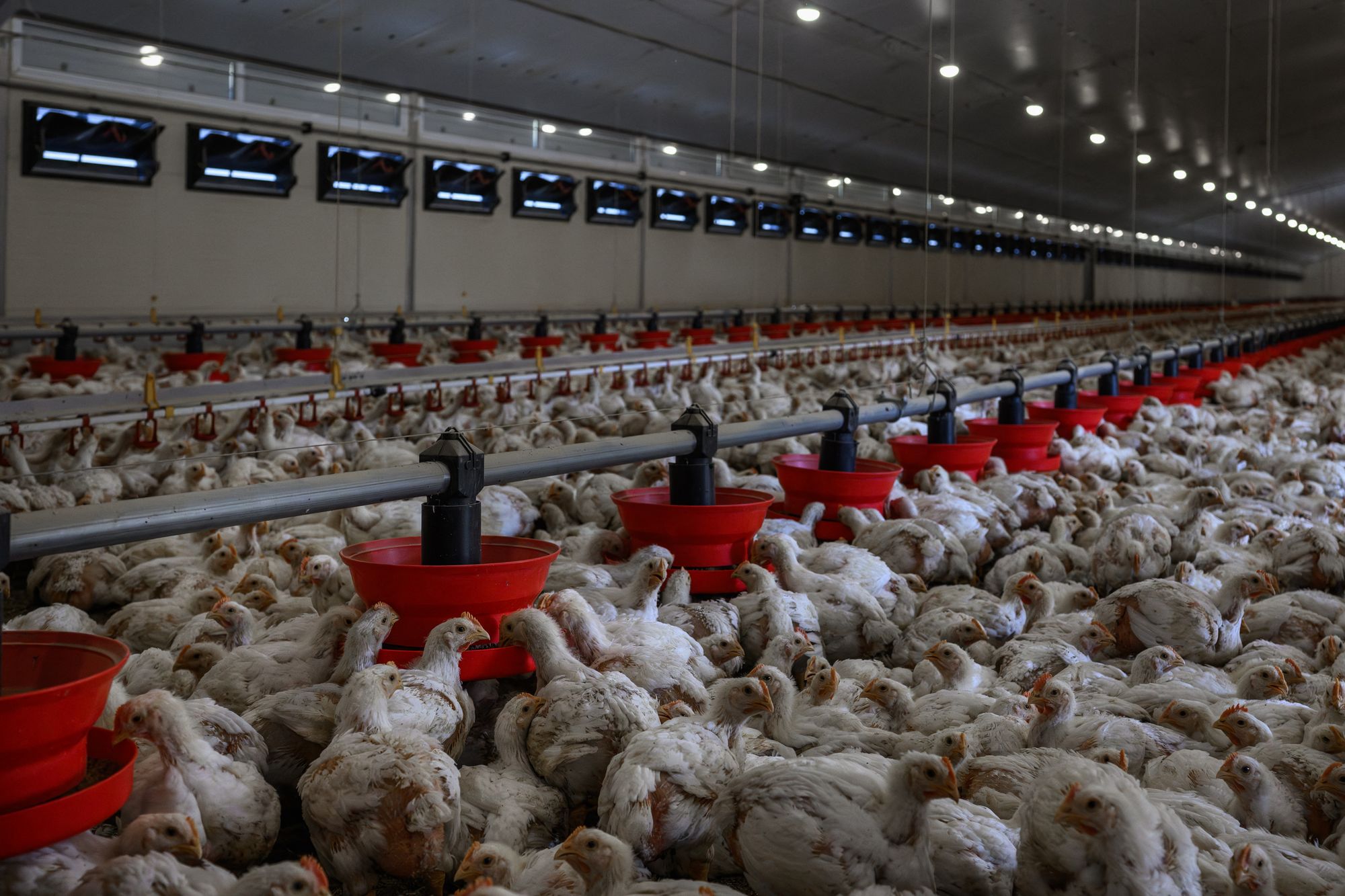
Outbreaks of bird flu spreading across the U.S. are hitting farms once again, prompting fears that egg prices could spike and more potential shortages for consumers following shortages tied to the flu earlier this year.
While prices have rebounded markedly since their peak of over $8 per dozen during the spring shortage, recent outbreaks affecting hundreds of thousands of birds have spurred a call for action from Senate leaders.
Eggs are a great source of protein, providing around six grams per one large egg. But plenty of other plant and animal sources can help people get the necessary protein and keep bones and immune health strong.
Many Americans actually greatly exceed the amount of protein they need in a day. The recommended amount is 0.8 grams per kilogram of body weight. Still, getting enough is crucial, experts say.
“We need protein because it helps build and maintain our muscle, which in turn helps to fuel our metabolism,” registered dietitian Kayla Kopp told the Cleveland Clinic. “It’s essential for everyone.”
If egg prices do spike again, here are some other foods that pack a protein punch that can serve as alternatives:

Black beans
Black beans are a delicious and nutritious way to meet your protein goals.
Just one cup has more than 15 grams of protein, according to the University of Rochester Medical Center - more than double the protein in an egg.
The same amount is also packed with nearly 15 grams of fiber - a good chunk of the recommended 25 to 30 grams a day - as well as eye-protecting vitamin A and the blood pressure-lowering B vitamin folate.
Chicken breast
There’s a reason that chicken breasts are a gym bro’s staple for that protein boost. A cup of the meat has around 43 grams of protein.
Packed with essential minerals, chicken breast is also lower in fat than other kinds of chicken and has the most protein per ounce, registered dietitian Lindsey DeSoto wrote.
Salmon
A fillet of salmon has nearly 40 grams of protein.
While that’s less protein than people may get from a chicken breast, the fish is also a great source of omega-3 fatty acids. Omega-3s are good fats that have been tied to improving heart, brain and joint health - and most Americans aren’t getting enough.
"Intakes in the U.S. are abysmally low," Ann Skulas-Ray, an assistant professor at the University of Arizona, told the American Heart Association.
Edamame
If you’re plant-based, you’re probably no stranger to edamame.
A cup of soybeans has 33.15 grams of protein. Soybeans have fiber, healthy fat and essential vitamins and minerals, such as vitamins A, B and immune-guarding C.
“If you don’t want a lot of red meat in your diet, or generally want to get away from animal products, soy is a great addition as part of a well-balanced diet,” Cleveland Clinic registered dietitian Beth Czerwony said.
Join our commenting forum
Join thought-provoking conversations, follow other Independent readers and see their replies
Comments
Bookmark popover
Removed from bookmarks