The key factors to consider when finding the best hearing aid for you
Finding the best hearing aid can improve your daily life and ability to communicate
Choosing a hearing aid can feel like a daunting task, with a vast array of styles and price points available. Yet, selecting the right device represents a significant step that can profoundly enhance daily life and communication.
To help navigate this complex landscape, we consulted leading experts on the various hearing aid styles currently on the market and the crucial factors individuals should consider before making their choice.
Dominique Stone, lead audiologist and clinical governance lead at The Hearing Clinic UK, outlines the primary styles.
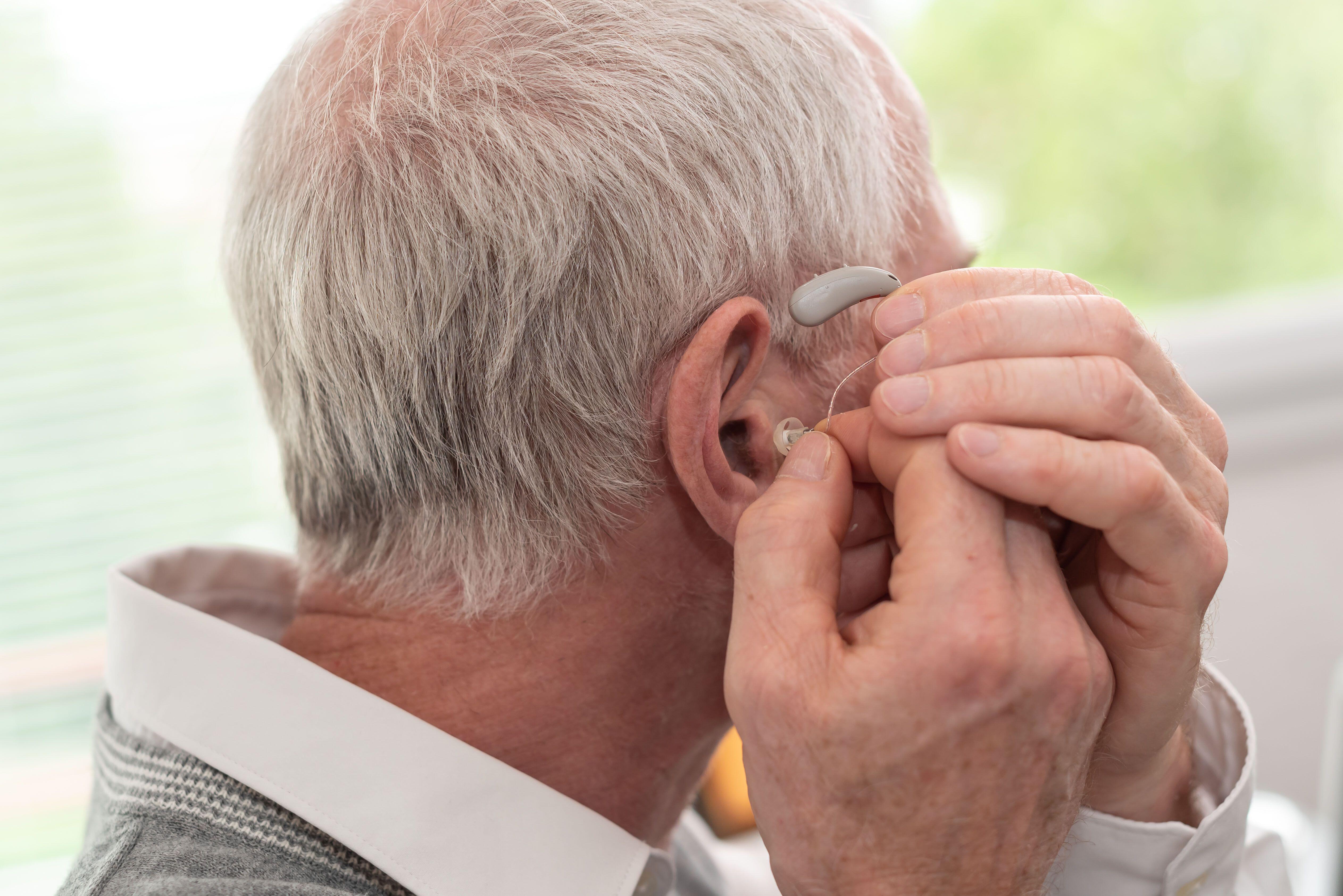
Behind-the-ear (BTE) options feature a unit that rests behind the ear, with either a wire or a tube connecting to a modular earpiece.
A variation, receiver-in-the-ear (RITE) devices, also have a behind-the-ear unit, but the wire extends to a speaker that fits inside the ear canal, often coupled with a modular earpiece, dome, or custom fit.
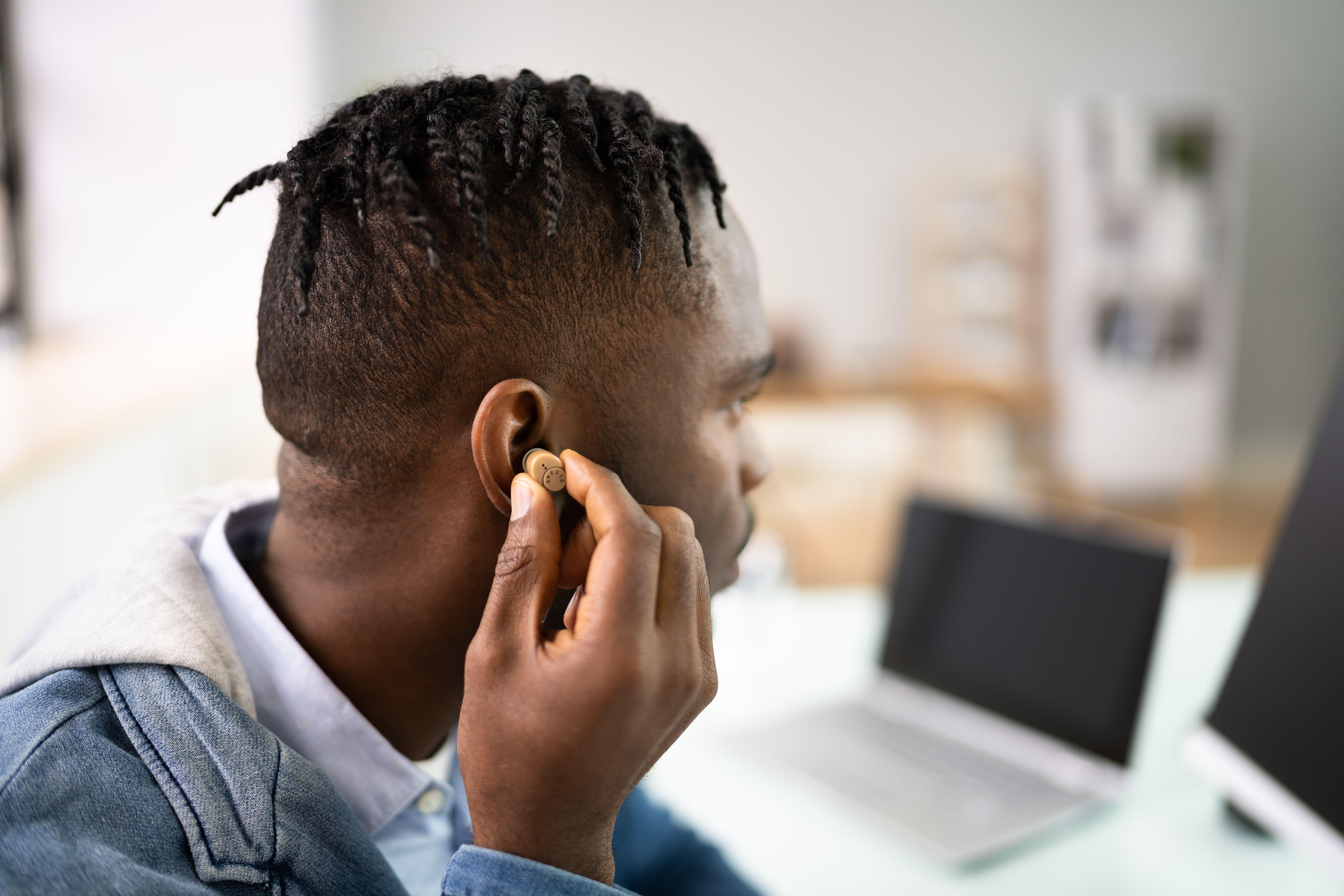
For a more discreet solution, in-the-ear (ITE) hearing aids are custom-moulded after an impression of the ear is taken, with all electronics built directly into the personalised shell.
Stone notes the recent popularity of "ready-to-wear instant fit in-the-ear devices" as a newer development. Beyond these, specialist options exist, such as the Phonak Lyric devices.

"Phonak, for example, is one of the manufacturers that offers the lyric devices, which are implanted or placed deep into the ear canal and sits about three millimetres away from the eardrum," Stone explains.
"That’s what we would classify as a completely invisible device, and can only be done by specialist clinics."
Several key factors should influence your decision:
Severity of hearing loss
The degree of hearing impairment is paramount.
"Some devices are more suitable for mild to moderate losses, and other hearing aids will be more suitable for severe to profound losses," Stone advises.
She stresses the importance of a comprehensive consultation to generate an accurate prescription.

Manual dexterity
Ease of use is critical, particularly for older patients.
"Dexterity is something particularly older patients need to consider, because hearing aids are only a beneficial, usable tool to help improve communication if they can actually be used comfortably," Stone says.
Ensuring patients can manage their devices and access ongoing support is vital.
Lifestyle needs
Hearing aids address not only medical conditions but also lifestyle requirements.
"Hearing aids are not only there to address a medical condition (hearing loss), these devices are also there to address lifestyle needs and overcome barriers," Stone states.
Charlotte Jones, head of hearing products at Specsavers, concurs, highlighting the value of discussing daily routines with an audiologist.
"Think about the situations where without devices, you struggle the most to hear," Jones suggests, such as family visits.
Comfort
An uncomfortable device is unlikely to be worn consistently, negating its benefits and potentially leading to infections.
"A device that’s uncomfortable could potentially also cause problems and increase the risk of developing infections," Stone warns.
She adds that comfort often improves after an acclimatisation period, as the initial full amplification "can be a bit overwhelming."
Budget
The private market presents a wide price spectrum.
"In the private market, prices tend to start from about £500 and can go up to about £6,500-£7,000 for a set of devices, so there’s a huge range," Stone reveals.
Higher-tier devices typically offer more advanced features and natural sound processing. Jones points out that NHS-funded hearing aids are also available for eligible patients.
Technology and features
Modern hearing aids boast impressive technological advancements.
"One of the big things available at the moment in the hearing aid technology world are AI devices," Stone notes, explaining that AI can significantly improve performance in noisy environments like pubs. Connectivity is another major feature.
"The majority of hearing devices now have Bluetooth, which means that you can connect your hearing aids to a mobile phone, and then they work a little bit like wireless headphones," Jones explains, allowing users to stream calls, music, and other audio directly.
Smartphone apps also offer users greater control over volume and settings in different environments.
Bookmark popover
Removed from bookmarks