Is spinach or meat better to combat low iron? Here’s what experts say
Around a quarter of American adults don’t get enough of the essential mineral
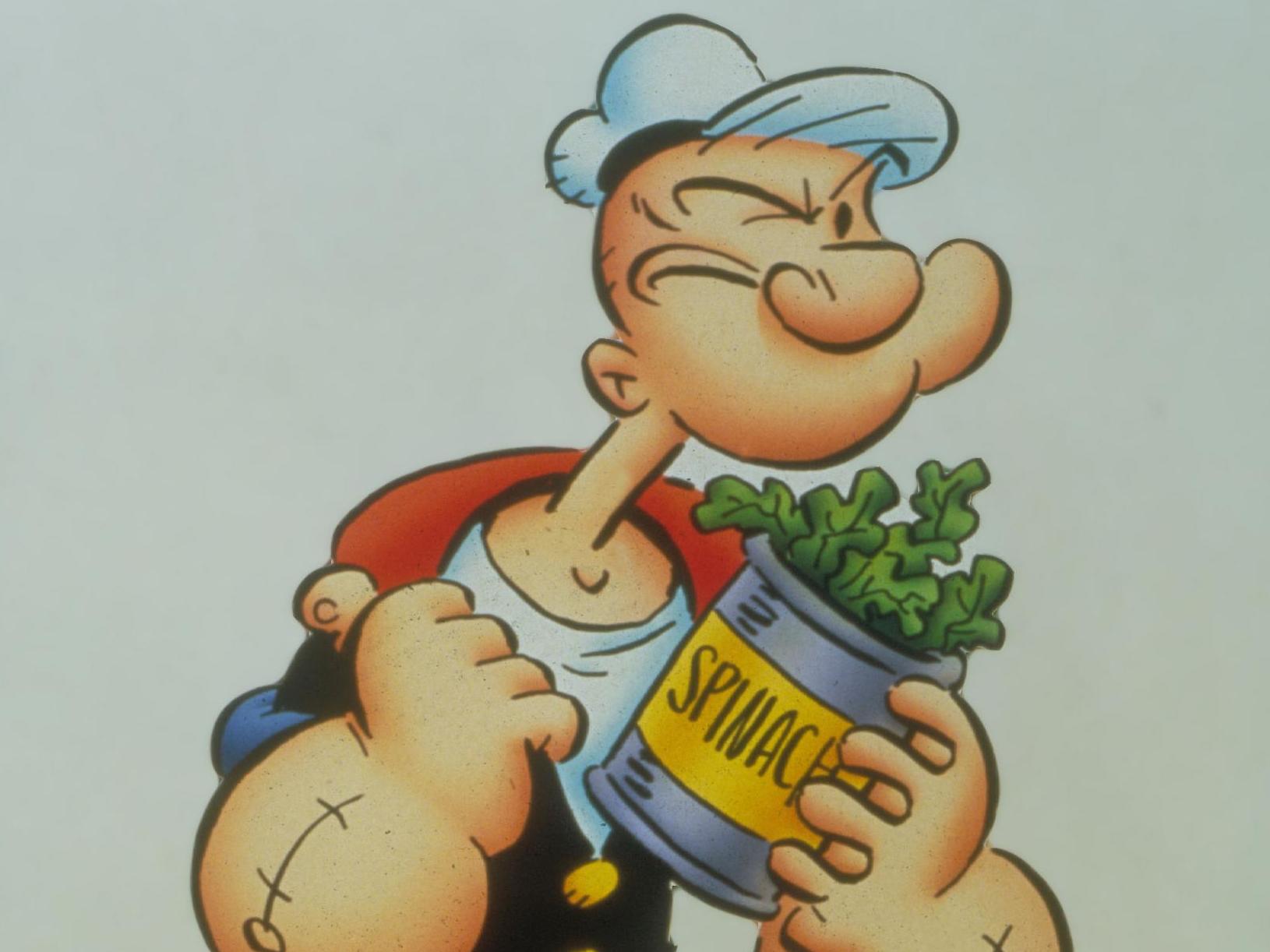
Popeye the cartoon sailor knew it. Doctors and nutritionists know it. Spinach is a superfood with powerful health benefits.
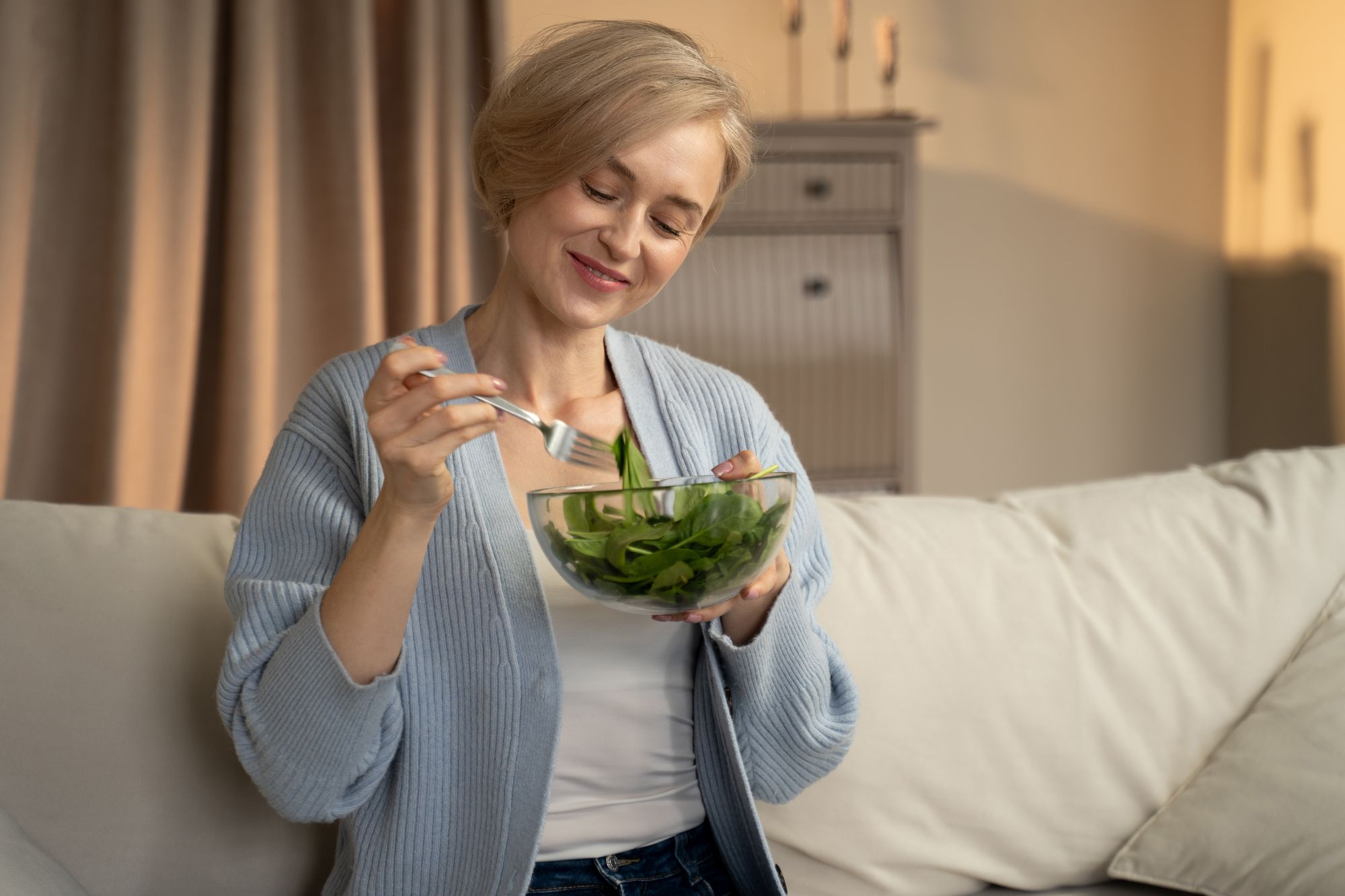
In addition to eye-protecting vitamin A and cramp-preventing vitamin K, the versatile leafy green has more of the essential mineral iron than several kinds of meat and poultry. A cooked cup of spinach has 6.4 milligrams, while duck and pork have under three milligrams or less for three ounces.
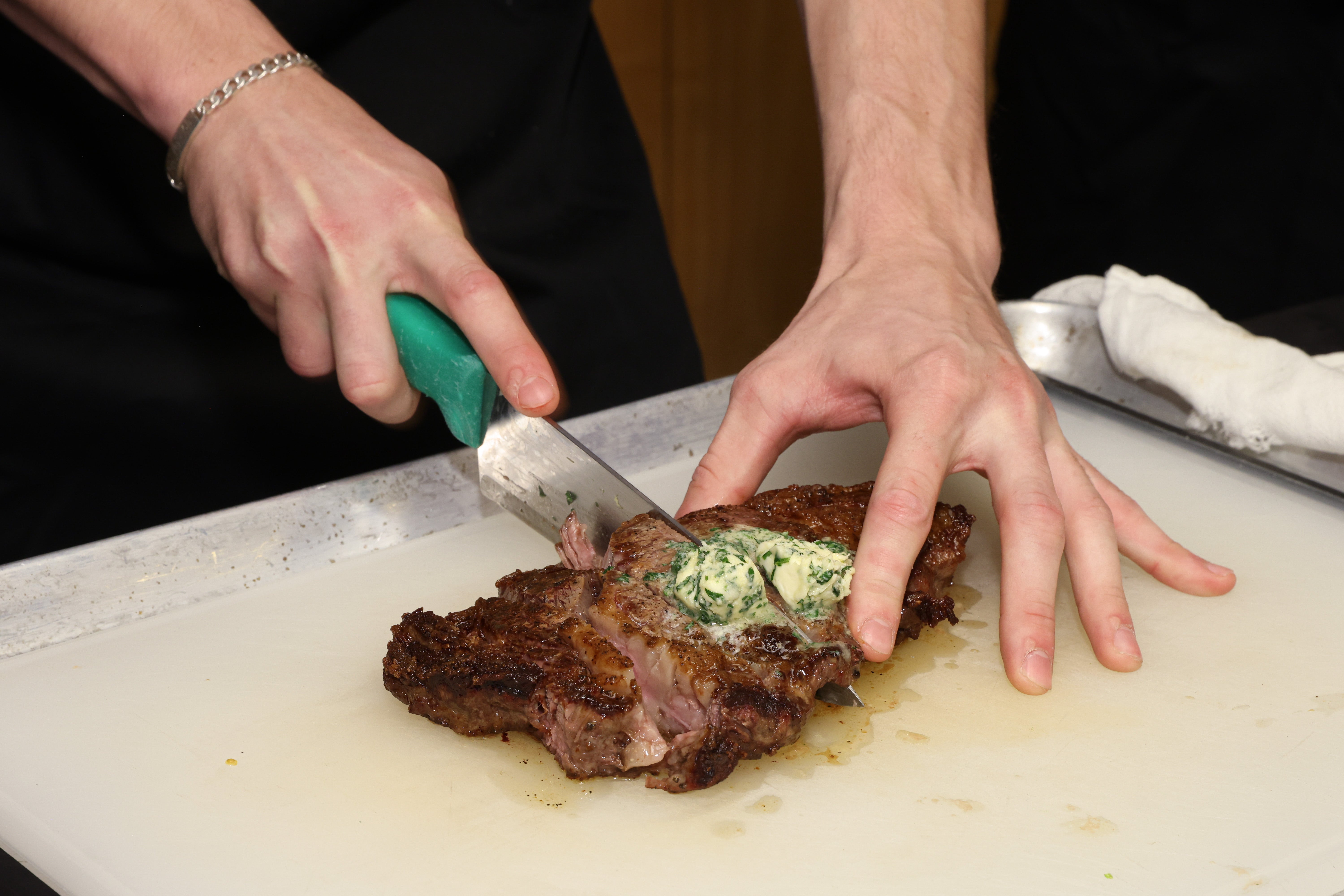
But if you have low iron levels and are trying to raise them, experts say that nothing beats a cut of steak, chicken or fish.
That’s because spinach has what is known as “non-heme” iron, which is absorbed by the body at a lower rate than “heme iron” found in meat, fish and poultry.
Non-heme and heme iron are the two types of iron found in food.
You absorb up to 30 percent of the heme iron you consume, according to the American Red Cross, versus just between 2 and 10 percent of the non-heme iron.
“Studies show that although spinach does contain iron, its non-heme status renders it considerably less accessible for absorption compared to heme iron from animal sources,” Alaska’s Millennium Medical Center says on its website.
The ironic truth affecting a quarter of American adults
Iron helps the body make the protein hemoglobin, which is a critical part of the blood cells that carry oxygen to our tissues. Without oxygen, our organs could suffer damage, leading to death.
Yet, iron deficiency plagues around a quarter of American adults, with a 2024 study finding about 14 percent of more than 8,000 Americans had absolute iron deficiency.
Iron deficiency is a common type of anemia, which is when the blood doesn’t have enough healthy red blood cells.
It can lead to fatigue, headaches, muscle cramps, shortness of breath, irritability, pale skin, a sore or swollen tongue, an increased heart rate, an enlarged spleen and a desire to eat peculiar substances, such as dirt or ice.
“The symptoms of iron deficiency can be vague and easily mistaken for other conditions,” said Dr. Alexis Federman, an internal medicine specialist at Henry Ford Health. “That can make it hard to pin down a diagnosis.”
Most adult men need just eight milligrams of iron a day to stay healthy, according to federal dietary guidelines, while women need 10 more milligrams because of menstruation.
A match made in iron-deficient Heaven
People can reach daily iron goals by relying on a variety of fruits vegetables and protein sources.
Eating non-heme and heme iron foods together will help the iron will be more completely absorbed by your body.
However, you can also still get what you need with a plant-based, climate friendly diet.
“It's definitely possible to meet your iron needs from plant foods alone, it just takes more planning and intention with the types, amounts and frequency of foods eaten,” advanced sports dieticianDr. Gemma Sampson says.
The good news is that you can enhance non-heme iron absorption from spinach by eating foods that are high in vitamin C with your meal.
Oranges and citrus fruits, melons, strawberries, tomatoes, broccoli or bell peppers can do the trick.
“Your daily iron needs can be obtained through your diet, although if you have low blood iron levels or have difficulty absorbing iron, you may need a supplement,” registered dietitian Julia Zumpano told the Cleveland Clinic. “Talk to your healthcare provider if you feel that you could benefit from supplemental iron.”
Join our commenting forum
Join thought-provoking conversations, follow other Independent readers and see their replies
Comments
Bookmark popover
Removed from bookmarks