Why the TV industry keeps falling in love with the Kennedys, America’s answer to the royal family
As Ryan Murphy takes on the story of JFK Jr and Carolyn Bessette, and Netflix plan an all-American successor to ‘The Crown’, Katie Rosseinsky explores the quasi-mythical appeal of the Kennedy family
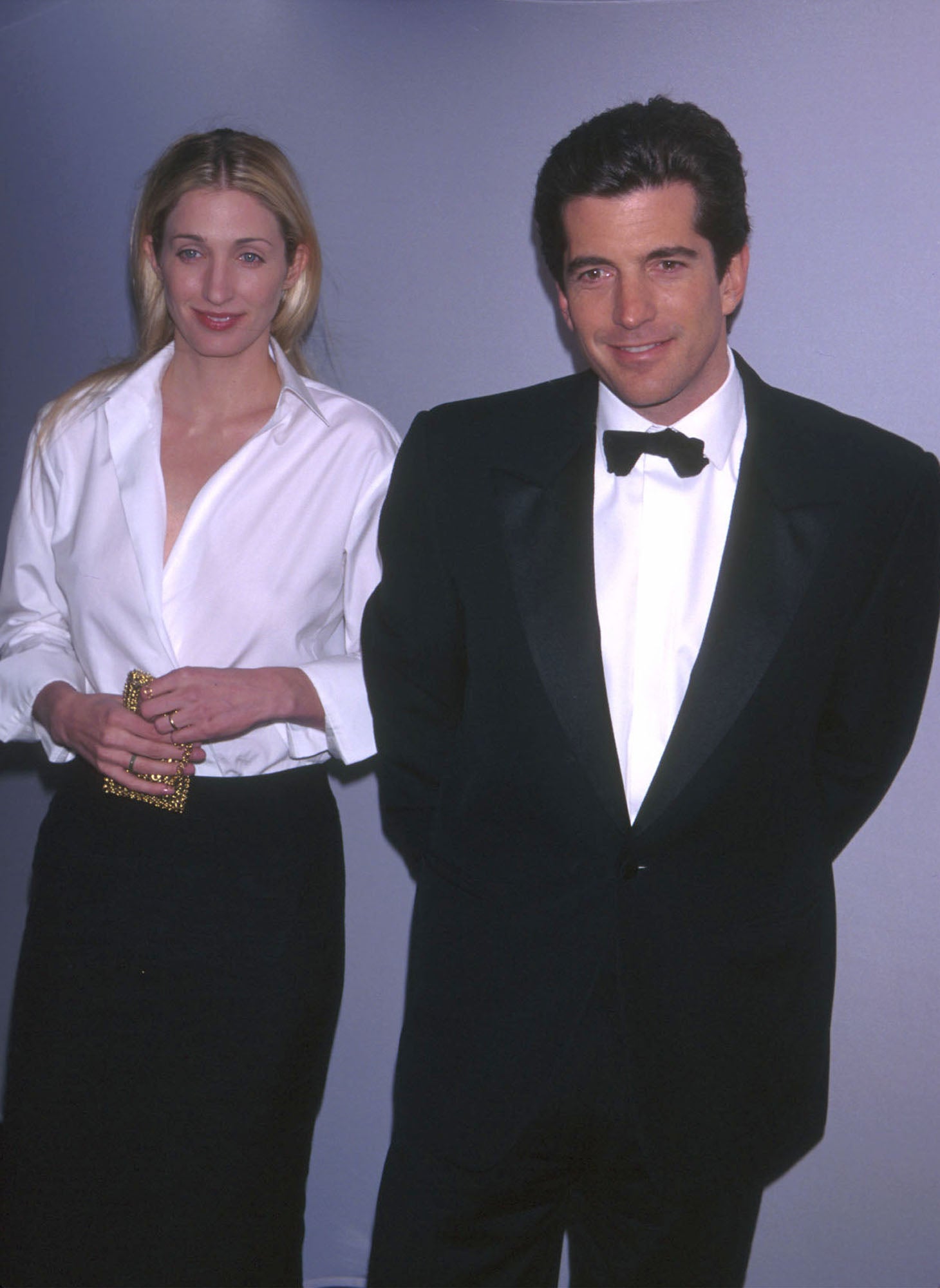
He was “America’s Prince”. She was the States’ answer to Diana, a strikingly beautiful style icon in the making who would complete the fairytale, until that fantasy metamorphosed into tragedy. Together, they were photogenic, aspirational, achingly cool – and doomed to heartbreakingly untimely deaths. It is a surprise that prestige TV has taken this long to tackle the devastating story of John F Kennedy Jr and his wife Carolyn Bessette Kennedy, with all its elements of glamour and real-life misfortune.
That task has fallen to Ryan Murphy, the prolific showrunner who has previously taken on tales from America’s collective consciousness such as the OJ Simpson trial and Bill Clinton’s impeachment. Love Story: John F Kennedy Jr and Carolyn Bessette, now airing on Disney+, charts the romance and eventual marriage between JFK’s handsome son (who, in 1988, was crowned People magazine’s “Sexiest Man Alive”) and the fashion PR executive who defined a generation’s style.
It also reckons with how they navigated the sense of expectation that came with JFK Jr’s status as the heir apparent to his late father’s political legacy, and tackles the 1999 plane crash that killed the couple, along with Bessette’s sister Lauren. That horrifying accident only seemed to compound the sense of a so-called “Kennedy curse” that has long shadowed this political dynasty.
Public service, private tragedy, photogenic leads and an overwhelming sense of thwarted potential and might-have-beens: each chapter of the Kennedy story somehow feels made for television, that most American of mediums. Indeed, late last year, Netflix announced a project of its own based on this famous family’s story, conceived as an American answer to The Crown, with different seasons covering different generations.
Michael Fassbender will star as patriarch Joseph Kennedy Sr, the self-made millionaire who dabbled in whiskey distribution, Hollywood filmmaking, stock investing and, eventually, politics and diplomacy, becoming the US’s ambassador to the United Kingdom during the early stages of World War II. The first season will also focus on the early lives of Joe and his wife Rose’s nine children, including “rebellious second son” John, who would go on to live out his father’s ambitions most comprehensively by ending up in the White House in 1961.

Sam Shaw, the show’s executive producer, seemed to sum up the family’s ongoing allure (and their suitability for the television treatment) when he said that “the story of the Kennedys is the closest we have to American mythology – somewhere between Shakespeare and [US soap opera] The Bold and the Beautiful”.
You could also throw in a few comparisons to Greek tragedy. Joseph Kennedy Sr inculcated his children with a sense of public duty, and the feeling that they were destined for some form of greatness (whether you believe this was motivated by sheer altruism or a hunger for personal power will probably depend on your levels of cynicism).
Joseph Kennedy Sr inculcated his children with a sense of public duty, and the feeling that they were destined for some form of greatness
His sons John and Robert, the US attorney general, seemed to offer a more charismatic and optimistic brand of politics. The Kennedys were arguably the first political family to use television to tell their story and sell their dream; when tragedy struck, television would document their grief. It is perhaps worth noting that when Dwight D Eisenhower was elected as president in 1952, only 20 per cent of Americans had TVs in their homes; by the time JFK was elected eight years later, that had risen to 80 per cent.
All of them would have to become skilled media operators; the brothers in particular were experts at crafting political narratives, and leveraging the charm of their photogenic young families as symbols of a middle-class American dream. The reality was far more complicated; John was particularly notorious for his affairs – including a rumoured romance with Marilyn Monroe. This propensity would rattle his seemingly picture-perfect marriage to Jacqueline (another Kennedy style icon in her pastel suits and pillbox hats).

But both brothers were cut off in their prime by assassination, their deaths prompting national heartbreak with their young families as the avatars of that sadness. The fact that this was all playing out in the nation’s homes on their television screens only heightened the emotions. Dazzling highs, harrowing lows, and behind-the-scenes turmoil: in an era when pop culture seems obsessed with deconstructing glossy images of wealth and privilege and showing us the messy emotions that still underpin them, it’s hardly surprising that we are experiencing something of a televisual Kennedy resurgence.
The photogenic family’s all-American style has also helped lend them longevity in our collective imaginations; there’s a timelessness to their aesthetic, particularly their “off duty” image while holidaying in the family compound in Hyannis Port, Cape Cod. Love Story is the sort of series that makes you want to overhaul your wardrobe almost immediately. Bessette worked in PR for Calvin Klein and became something of an in-house muse for the designer; her pared-back approach to personal style embodied Klein’s minimalist aesthetic.
While playing her on screen, actor Sarah Pidgeon wears an enviable array of simple slip dresses, bias-cut silk skirts and bootcut Levi’s, accessorised with tiny sunglasses and that sheet of buttery blonde hair; it’s the epitome of the “quiet luxury” trend that has dominated the fashion landscape over the last few years.
But the show’s costuming has also been a source of controversy: when images of Pidgeon on set leaked last year, CBK devotees were outraged, picking holes in everything from the fit of her clothes to the type of Birkin bag she was carrying to the shade of her hair dye. Murphy then brought in a new costume designer, Rudy Mance, who focused on sourcing original Nineties pieces. The effort seems to have paid off.
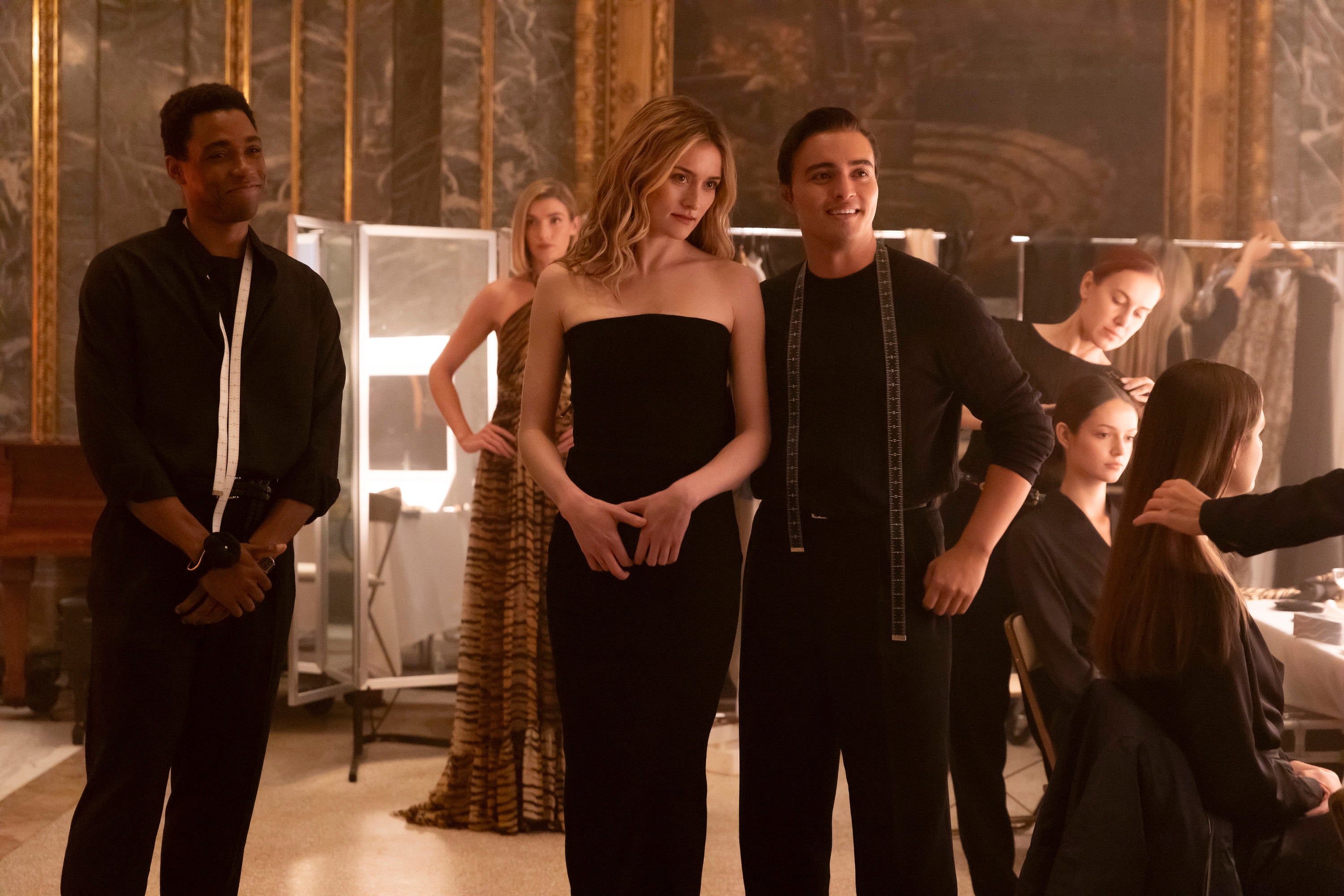
This fashion furore, perhaps, shows just how closely the American public still hold CBK’s memory; much like Princess Diana, she has become one of those figures towards whom so many seem to feel a certain protective ownership (exactly how the media-wary Bessette would feel about this we’ll never know). It is not the only time that a Kennedy TV project has caused outsized anger. In 2009, around the start of the “Peak TV” era, and doubtless buoyed by a Mad Men-induced pop cultural mania for all things Sixties, the History Channel started developing The Kennedys, a miniseries chronicling JFK’s presidency. The news was met with outcry.
Kennedyites took issue with the fact that Joel Surnow, a staunch conservative and therefore something of an outlier in left-leaning Hollywood, was on board as the show’s executive producer. Before filming had even begun, historians chimed in to criticise drafts of the scripts; one director, Robert Greenwald, who had no connection to the production, felt so strongly that he set up a website and petition at stopkennedysmears.com.
It might sound bizarre that a simple, based-on-a-true-story series would get people so riled up (before they’d even heard Katie Holmes’ attempt at Jackie Kennedy’s patrician mid-Atlantic accent). But consider the furore that accompanied The Crown, with its sometimes fast-and-loose approach to royal history, and it starts to seem less improbable. A perceived assault on the Kennedy legacy felt like an affront, just as The Crown did to some seasoned royalists.
The plot thickened when reports suggested that members of the family had used their considerable connections to lobby against the show, and in 2011, the History Channel announced that it had dropped the show from its schedule, declaring that it was “not a fit”. Producers then embarked on a dispiriting quest to find The Kennedys a new home, eventually lighting upon the little-known Reelz Channel. The critical consensus was that the show was something of a damp squib; its main sin was simply being a bit dull, rather than taking too many scandalous liberties.
Love Story series hasn’t exactly been embraced by the Kennedys either. When those early images leaked last year, Jack Schlossberg, nephew of JFK Jr and grandson of the 35th president, released a social media statement. “Lately my news feed has been filled with pictures of my uncle, John F Kennedy Jr, a great man,” he told his (some 800,000) Instagram followers. “For those wondering whether his family was ever consulted, or has anything to do with the new show being made about him, the answer is no, and there’s really not much we can do.”
He went on to add that while “admiration for my uncle John is great”, he did not approve of “profiting off of it in a grotesque way”. Murphy’s reaction didn’t exactly smooth matters over. “I thought it was an odd choice to be mad about your relative that you really don’t remember,” he said.
Schlossberg was six years old when his uncle died, and his comments certainly gesture towards some of the ethical dilemmas inherent in making entertainment out of the true stories of real-life figures like the Kennedys. Is it really possible to make a show that sympathises with the pressures of tabloid attention, while subjecting the protagonists to similar scrutiny? Can you bring tragedies to the small screen without turning viewers into rubberneckers?
Another shadow hanging over TV’s love affair with the Kennedys? The very much living spectre of Robert F Kennedy Jr, avowed vaccine sceptic and Donald Trump’s health secretary, with a grand plan to “make America healthy again”. Adulation of the Kennedy clan, RFK Jr’s critics might argue, has propelled this divisive figure into a position of power; one of his most significant impacts so far has been huge cuts to scientific research, including the development of mRNA vaccines.
The Kennedy legacy, then, is a complicated one, but perhaps that only makes it all the more compelling for us plebeians. And at a time when American politics – indeed, politics the world over – can feel bleak and squalid, many are hankering for a more idealistic age, when those in high office seemed to possess at least some principles and a sprinkling of glamour. In the era of Mar-a-Lago, is it any wonder that TV is harking back to Hyannis Port?
Join our commenting forum
Join thought-provoking conversations, follow other Independent readers and see their replies
Comments
Bookmark popover
Removed from bookmarks