Swapping London for Liverpool in my thirties was the best decision I’ve made – here’s why
Liverpool has finally claimed its crown as one of the best places for under-35s to live, complete with the UK’s coolest postcode, says local resident Katie Rosseinsky. But seriously, what took everyone so long?

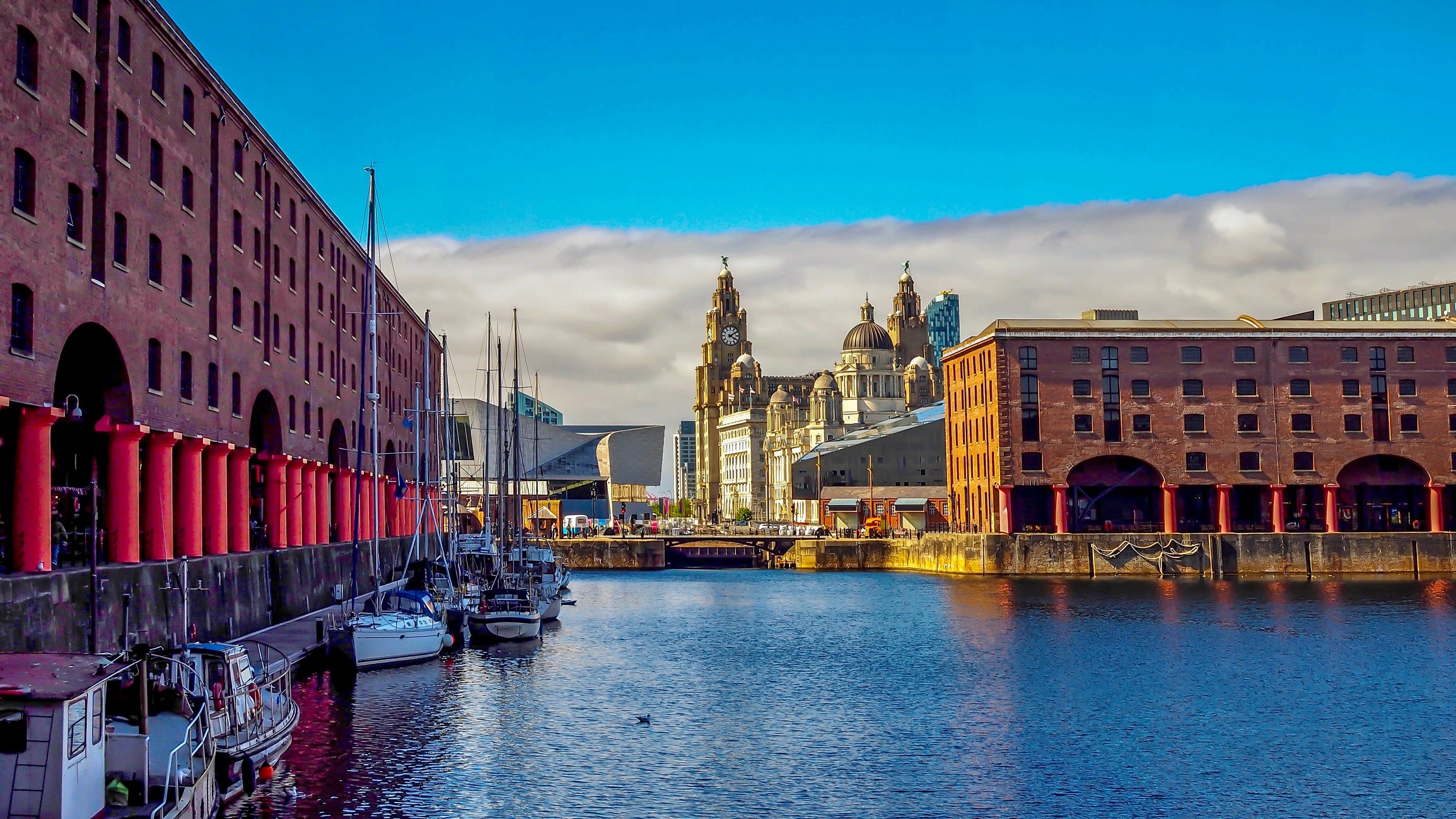
The UK city with the best value-to-fun ratio.” That’s how Liverpool was described after being named as one of the best places for under-35s to live list in The Times. “Well, obviously,” I thought while reading this particular accolade. Scousers tend to have a habit of deflecting praise with a well-timed joke, but will always put the self-deprecation aside to agree that their city is more than deserving of any hype that comes its way.
And right now there’s a lot of it about. The Times’ list placed Liverpool’s Fabric District as the second best spot in the UK for young people (it was beaten, just, by the centre of Leeds). A few days later, the same paper crowned the city’s central L1 area as one of the coolest postcodes for 2026, hailing its energy and its food scene. The Telegraph, too, has just ranked it as the best of Britain’s bigger cities, while Tripadvisor celebrated it in its annual “Best of the Best” list. The rest of the country, it seems, is waking up to just how great the Mersey Riviera is. It’s a real told-you-so moment for those of us who’ve been banging on about it for years.
I grew up on the other side of the river, on the Wirral peninsula. That means that I’ll never be a true Scouser, just a “wool”, the vaguely derogatory catch-all for anyone who hails from the areas that surround – but aren’t properly a part of – the city (the age-old signifier of being truly scouse is possessing a purple wheelie bin, a mix of Liverpool red and Everton blue, or so the legend goes).
But Liverpool was always the backdrop to my adolescence. Although I moved away for university, then followed the current that drags graduates down to London with barely a backward glance, as I got older, I found myself being nudged homeward. I’d start to get a tangled sort of feeling in my stomach whenever I’d take the train back to Euston after a weekend at home (and not just because that journey involved braving the Avanti service).
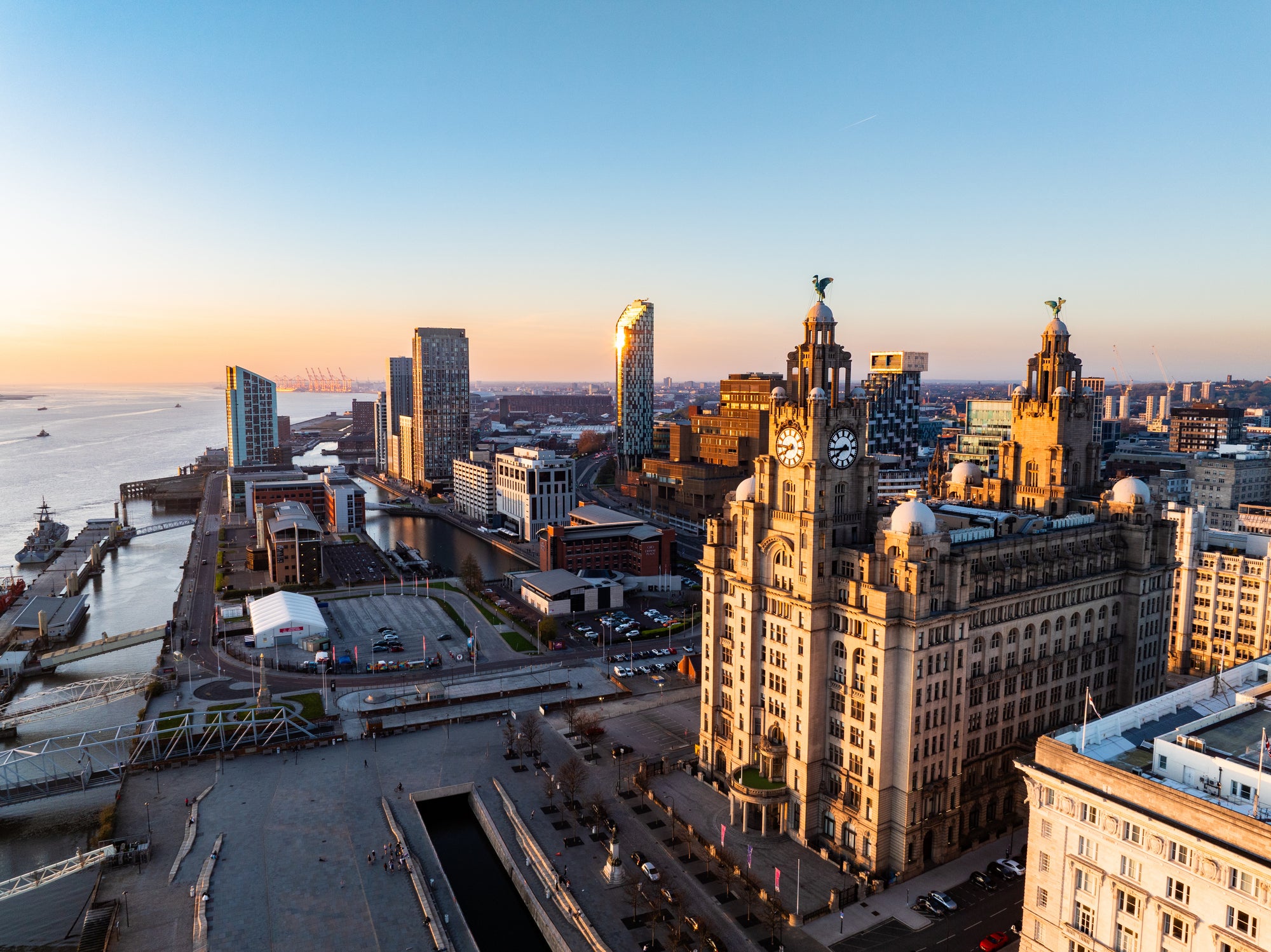
The looming threat of an unmanageable hike to my London rent, coupled with the existential anguish that comes with turning 30 and general post-pandemic malaise, sent me back north in 2022. After a stint at my mum and dad’s, I’ve spent the past two-and-a-bit years living just outside the city centre, a quick walk from both the Albert Dock and the Baltic Triangle, a former industrial area home to once-abandoned warehouses that’s now one of the city’s creative hubs.
I will always remember the look of confusion that took over one former colleague’s face when I told her my plan. “But what will you do?” was her immediate question, as if I’d announced my intention to live off grid in a forest commune. I still get asked pretty frequently if I miss the capital. My honest answer? Not in the slightest.
Liverpool is a city that punches well above its weight in just about every possible category, from culture to food to nights out. Pair that with rents that are still relatively affordable – in November 2025, the average monthly private rent was £878, compared to £933 across the North West and £1,366 across the rest of the UK – and its appeal to millennials and Gen Z is glaringly obvious.
To be frank, living as a solo renter in nearby Manchester, where prices have spiralled since the pandemic, would be pretty unfeasible. Doing so in London would be totally out of the question. Here, it’s still a stretch financially, but it’s manageable. A city is only really liveable if you can actually afford to get out and enjoy it – exercise classes, hobbies, the odd meal out – and Liverpool fulfils that brief.
I can’t say I’ve heard many people refer to the “Fabric District”, The Times’ preferred area, by this particular nickname. It’s just five minutes or so up from Lime Street train station, and usually gets bundled in with Islington, a student-y area that clings to London Road, once a thriving shopping street home to the grand old TJ Hughes department store. But it is just one of many enclaves of the city that boasts its own distinctive character, within the overarching umbrella of scouseness.
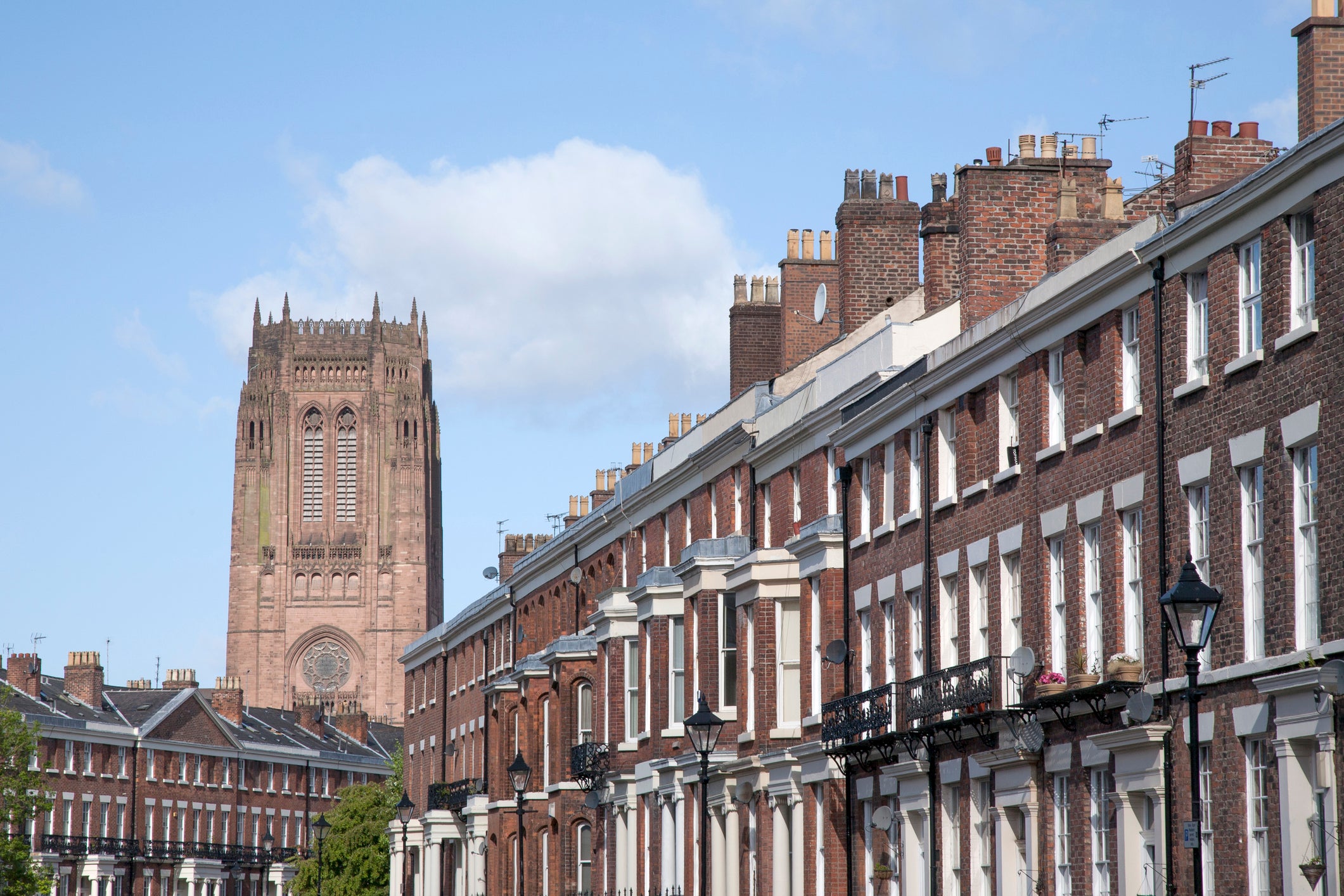
Where to begin? The Georgian Quarter is leafy and quiet, teeming with the well-preserved, old-fashioned townhouses that make Liverpool a perennial filming destination for period dramas, and home to upscale restaurants like Paul Askew’s wonderful Art School and The London Carriage Works.
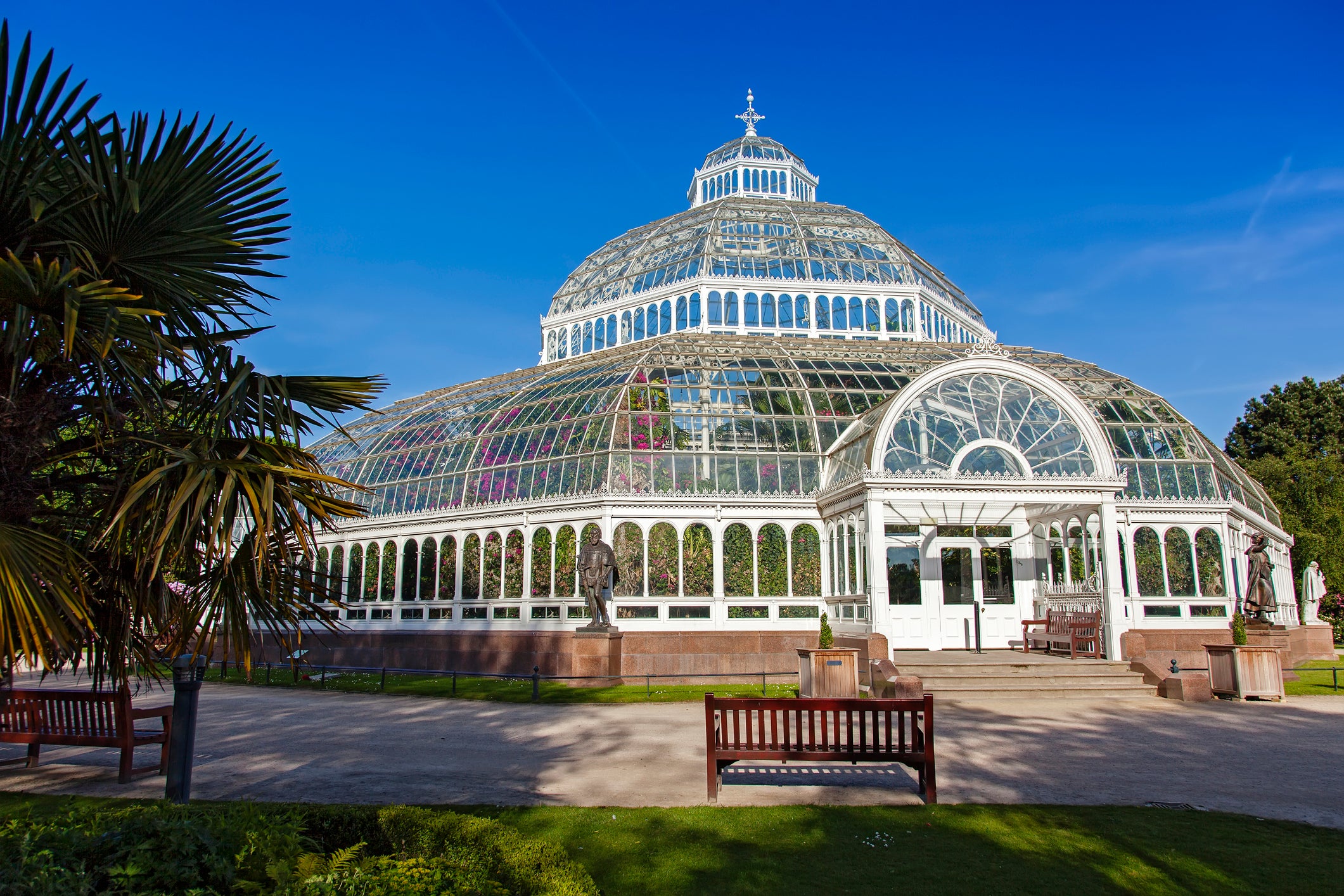
Head south out of the city and you’ll reach Sefton Park (home to the Palm House, which now seems to be a go-to filming location for those Harlan Coben Netflix dramas) and Lark Lane. The latter is full of independent shops and restaurants; it’s also one of the best spots for people-watching (and tiny dog-spotting). The demographic on a Saturday afternoon is pure glam (hence the tiny dogs, which tend to be as immaculately coiffed as their owners).
The Baltic, meanwhile, is maybe a bit less cool than it was a decade ago (we have a Boxpark now, and, to my eternal shame, a Peaky Blinders-themed bar) but it’s still a nice blend of arty and, erm, party (I love leaving my weeknight painting classes and hearing the voices of hundreds of students singing along to “Breaking Free” from High School Musical at event space Camp + Furnace). Follow the river north, and you’ll find another regeneration-in-progress spot around the huge new Everton stadium at Bramley Moore Dock.
A-listers love the city, too. Taylor Swift chose our other football stadium, Anfield, to host three nights of the Eras Tour in 2024 (soz, Manchester). Three out of the four Beatles biopic boys, Paul Mescal, Barry Keoghan and Harris Dickinson, were spotted eating at the Bold Street outpost of Maray last year (nice choice, lads – it’s my favourite restaurant).
And in March, the city’s favourite daughter, Jodie Comer, is finally bringing her Olivier-winning turn in Prima Facie to the Playhouse theatre. Demand, I can attest, was absolutely wild; it felt like the entire city region was clamouring for a seat in this intimate auditorium (Jodie, if you’re reading this, can you sort a girl out?)
It has become a truism to suggest that the north of England is a friendlier place than the south. All I can say is that, in my experience, it has been much easier for me to find a community than it ever was in the capital.
It’s not perfect. The transport links can be a bit spotty (although they are improving, and the trains are slowly entering the age of contactless). There seems to be a preponderance of luxury flats springing up in in-demand areas, which leaves me mildly concerned that our city is about to go the way of Manchester.
And yet. I love periodically hearing snippets of Beatles songs when I’m working from my kitchen table, as the open-top sightseeing bus trundles towards the Albert Dock. Watching the fireworks when a new cruise ship sets off from the Pier Head. Seeing how the light catches on the waterfront when the sun goes down. I love how something can sound like a joke and a cutting insult at the same time when it’s delivered in a scouse accent.
Liverpool is a very easy place to fall for – and I hope I’ll be here long after the “best of” lists move their attention elsewhere.
Join our commenting forum
Join thought-provoking conversations, follow other Independent readers and see their replies
Comments
Bookmark popover
Removed from bookmarks