Louise Hill: ‘I was 47 when I launched my first business – here’s how I did it’
Entrepreneur Louise Hill turned her children’s secret online spending into a successful business, here she tells Lydia Spencer-Elliott how she came up with her idea and got people to gamble on it

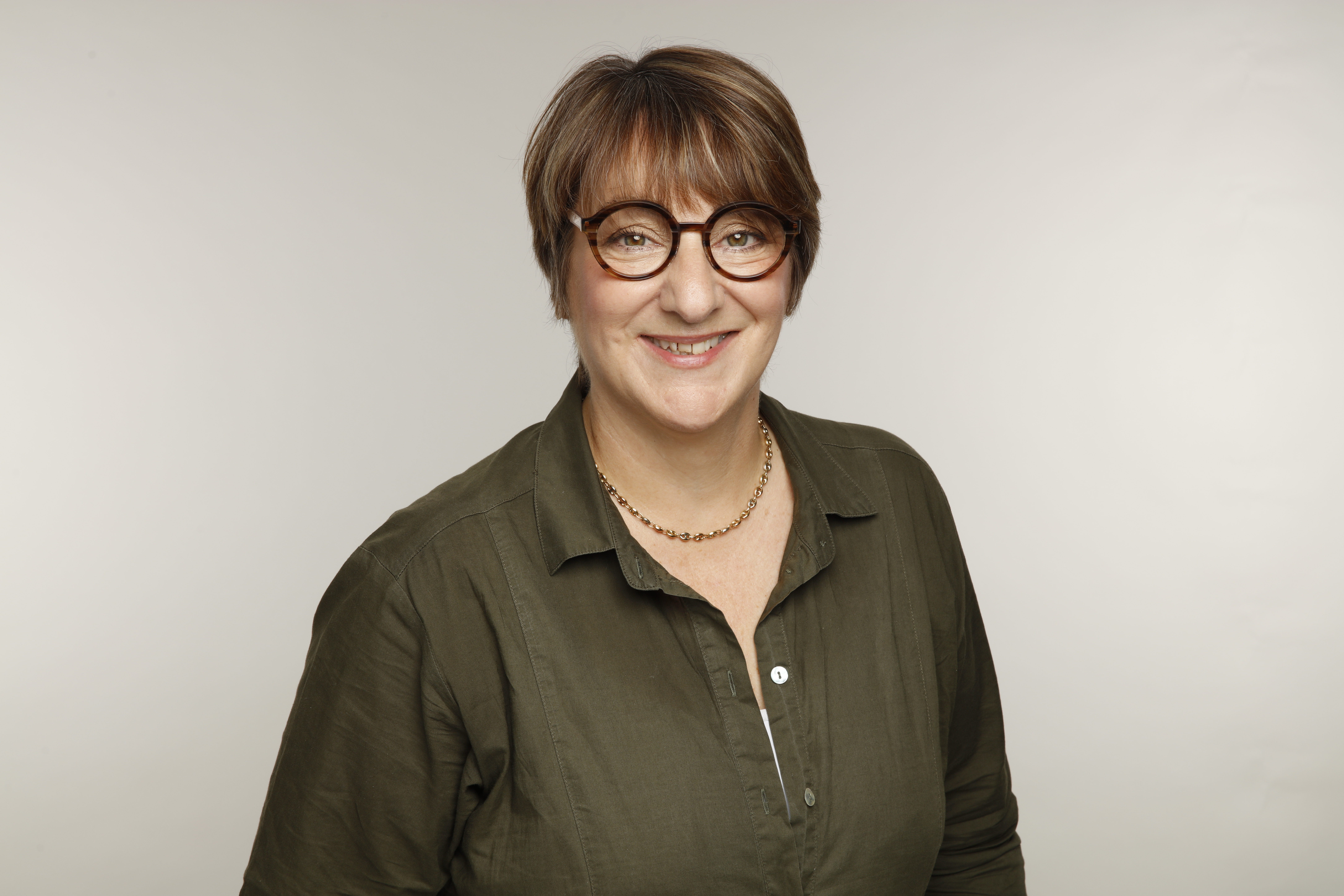
Not many founders can say that their children taking money from them gave them their idea for their business; But that’s what happened to Louise Hill, who launched the children’s prepaid debit card GoHenry in 2012. She’s started noticing small unrecognised payments on her bank statements from her children spending money on their iTunes accounts, without permission. She printed out the receipts, stuck them to the fridge and deducted the amount from their pocket money; Still, they were undeterred.
One Saturday, on the sidelines of her son’s football match, Hill shared her frustrations with other parents. Everyone had a similar story; A child who’d run up a huge bill buying tail and mane decorations for her digital Little Pony. Another had splurged on eBay. Hill realised there needed to be a way for children to spend safely, with a limit, online; For under-18s to budget and build their own money.
Thirteen years later, GoHenry has had 2.3 million members and has a net worth of £6.3m. Hill, a regular at Downing Street, is a CEO, investor, and pioneer for children’s financial literacy who successfully campaigned for financial education to become part of the primary school curriculum in England by 2028.
I didn’t have a wealthy husband, a banker background, or family wealth behind me when I started GoHenry. It was just me, the two kids and a big mortgage. I didn’t really have any savings other than a £2,000 emergency buffer. So, I had to go out and find people who were prepared to believe in the GoHenry vision, gamble on me, and put some money behind it. I was introduced to a financial advisor who knew some high-net-worth individuals who invested in start-ups. Then, we managed to get onto a pitch event run by HSBC and Coutts. It took nearly 18 months to find the funding. We raised £672,000 just to be able to get the business off the ground. It was a long, hard slog. Lots of nos. But we got there.
My parents came from very humble beginnings and worked hard all their life. I wish they’d taught me to invest a bit. It wasn’t something my dad did apart from when Maggie Thatcher sold off the nationalised industries and he bought some shares in BT. I’m determined to teach my kids that investing and using a financial advisor isn’t just for rich people. You can start with a couple of quid and turn it into a nest egg.
I was 47 when I started GoHenry. I’d already had a good career and an ecommerce business called Manners that I sold in 2002 – a long time before my next venture. I was able to bring some experience to GoHenry but I didn’t know anything about banking or finding investment or how to form a board of directors. I’ve learned along the way. The best thing I ever did was joining an entrepreneurs' group where I learned from people who had been there and done it. There are support group networks.
You should only start a business if you think the idea is strong enough and you’ve got the resilience to do it. You’ve got to be tough – but you can learn that. I hope I’m still very human and warm, but you have to get used to being told no. Whether that’s when you’re trying to get an investment, or in the logistics of your business itself. The first people we spoke to said, ‘Kids can’t have a debit card. What are you talking about? Financial regulations don’t allow it.’ Well, guess what? They do. And now there’s several million children using GoHenry to prove that to be true.
I’m not rich yet. I sold a few shares over the years. So, I’m ok. But I’m not one of those entrepreneurs who sold their business and walked away with a big bank transfer or 10 million or more. My life has changed because of GoHenry – not money. I’ve ended up in some amazing places. I didn’t even realise how many times I’d been in Downing Street until I was sent all the pictures. The business has allowed me to have a loud voice for all the parents and kids that we represent. That’s the difference.
Investing is all about easy access, low entry investing – not buying one set of shares and selling it, hoping to make a quick profit. Put away £10 a week, £20 a month, it doesn’t matter. Put your money into a medium-risk diversified fund and leave it there. Where could that pot end up? The stock market has performed forever at about eight to 10 per cent. So, it makes no sense to put money in a savings account where it’s earning three per cent. Propelle is a company that’s targeted at getting women investing and money confident. I’ll put my hands up and say I’m an investor. They’re doing incredibly well.
All parents should give their children regular pocket money – even if it’s only 50p a week. If you give your child 50p today and £2 in a week’s time, and then nothing for a fortnight, the natural behaviour is they’ll spend it. If they know they’re going to get 50p every week on a Saturday, then it’s incredible how quickly data shows that they start to save up. That gets the savings muscle training early on so they understand that they can spend some but also create a little pot.
My biggest money regret is how many pairs of uncomfortable shoes I’ve bought. None of them fit, but I tried to convince myself they did. Ditto, clothes in the sale. I’m really boring now; I only buy a whole outfit or something I know goes with three or four things in my wardrobe. Also, when I was single and living in London, I bought an old TVR two-seater sports car. I absolutely loved it and it cost me a fortune. But the electrics on it were dodgy. It was like a disco. You tap the brakes and the reverse lights would come on. It was always in the garage, but I thought I was something in my little red sports car.
My best ever purchase was a Mulberry barrel bag with leather handles that I got on sale, with an employee discount, while working my first job on the House of Fraser graduate trainee programme after leaving university. It was £500 and I was earning £7,000 a year. It was a beautiful bag and I used to walk past it every day. When the sale put it at 20 per cent off and they let me have my discount on top, I bought it and still use it today. When talking about clothes and shoes, investment is all about cost per wear; That bag must have cost me pennies per wear because I’ve used it and used it. And it still looks great.
Louise Hill is a champion of FFinc Forward Faster Accelerator 100, a UK-based business accelerator programme designed to help female-founded companies scale their growth faster, which was launched in September 2025. For more information, go to https://ffinc.co/
Join our commenting forum
Join thought-provoking conversations, follow other Independent readers and see their replies
Comments
Bookmark popover
Removed from bookmarks